

 プレビュー
プレビュー
 プリントを購入
 シェアする
シェアする シェアする
シェアする
 詳細を見る
詳細を見る

 ダウンロード
 似ている作品
 X線調査
X線調査 スライドショー
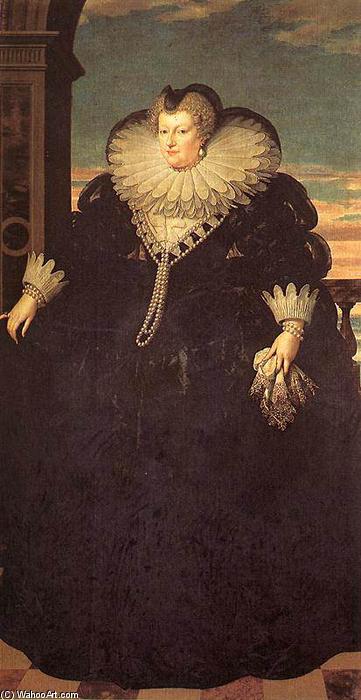
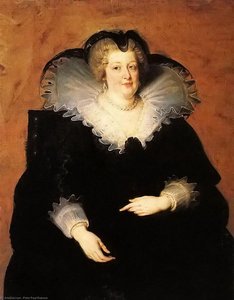
Marie des Médici, Queen of France
 Oil On Canvas
- WallArt
- Baroque Portraiture
 1617
1617 215.0 x 115.0 cm
 プラド美術館
 詳細を見る
詳細を見る
オンラインプレビューをはるかに凌ぐ、高解像度で鮮明なデジタル画像をご購入いただけます。
各ファイルは、社内の専門家が高度なツールと熟練した手作業によるレタッチを用いて、細心の注意を払って準備されています。すべての画像において、卓越した鮮明度、正確な色彩再現性、そして繊細なディテールを保証いたします。
最終ファイルは、プロフェッショナルな編集・印刷環境ですぐにご利用いただけるよう最適化された状態で、72時間以内にメールにてお届けいたします。これは、一流のデザインスタジオ、出版社、ギャラリーから信頼されているものと同等の品質です。
デジタル画像のご注文に付随する特典
高品質なデジタル画像配信を、確かな品質で。
ArtsDot.com を選ぶことは、単に画像を手に入れることではありません。それは、プロの手によって精密に仕上げられ、満足保証が付いた高品質なデジタルアートワークを受け取ることを意味します。ご注文いただいた際に自動的に付随する内容は、以下の通りです:

メールですぐにお届け
ご注文から72時間以内に、高解像度のデジタル画像ファイルがメールでお手元に届きます。すぐにそのままご利用いただけます。

AI技術で最適化されたデジタルファイル
お客様の作品は、高度なAIツールと専門家による手作業の編集を組み合わせてプロフェッショナルに最適化されており、細部のディテール、鮮明さ、そして正確な色再現性を最大限に引き出しています。

一生涯無料の再送サービス
ファイルを誤って削除したり、紛失してしまったりしましたか?ご安心ください。いつでも無料で再送いたします。

輸入手数料は一切かかりません
関税や手数料、配送料を気にすることなく、お気に入りのアートワークをすぐにお楽しみいただけます。デジタルダウンロードは常に免税です。

色彩再現の保証
プロ仕様のツールとカラーマネジメント技術を用いることで、デジタル画像が元の色を最大限に忠実に再現することを保証いたします。

100日間満足保証
ご購入いただいたデジタル画像にご満足いただけない場合は、100日以内であれば、理由を問わず修正または100%の返金対応をさせていただきます。

100% 返金保証
ご満足いただけない場合は、デジタルファイルを受け取ってから100日以内であれば、理由を問わず全額返金いたします。

まとめ買い割引
3枚購入で10%OFF - 5枚購入で15%OFF - 10枚以上購入で20%OFF。クリエイティブなプロジェクト、ギャラリー、エージェンシーに最適です。
Marie de’ Medici, Queen of France – A Portrait of Power and Grace
Frans Pourbus the Younger's 1617 portrait of Marie de’ Medici is more than just a likeness; it’s a meticulously crafted tableau vivant—a snapshot of royal power, maternal dignity, and the subtle complexities of courtly life in late Renaissance France. Housed within the hallowed halls of the Prado Museum in Madrid, this oil-on-canvas masterpiece offers a profound glimpse into the world of a woman who profoundly shaped the destiny of her nation, navigating political intrigue and wielding considerable influence behind the throne.
Pourbus, a master of his craft descended from a long line of Flemish portrait painters, expertly captures Marie’s commanding presence. His style is characterized by an almost photographic realism—a remarkable attention to detail that extends to the shimmering textures of her elaborate gown, the delicate folds of her velvet sleeves, and the intricate embroidery adorning her rich black attire. The artist skillfully employs chiaroscuro, using subtle shifts in light and shadow to sculpt the queen’s face, highlighting her features with a dramatic intensity that speaks volumes about her status and bearing. The background, an architectural element—likely a column or part of a building—provides a sense of depth and grandeur, subtly reinforcing Marie's position as a sovereign figure.
A Queen Defined by Style and Symbolism
Marie de’ Medici’s attire is a potent symbol of her power and wealth. The voluminous black dress, adorned with puffy sleeves and a high, rigid collar—a hallmark of the period—immediately establishes her royal status. The layers of fabric, rendered with painstaking detail by Pourbus, suggest both luxury and authority. The pearl necklace, a timeless emblem of nobility, adds to the queen’s aura of elegance and refinement. Notably, she wears the “Beau Sancy,” a magnificent diamond that was part of her private collection, further emphasizing her wealth and influence. The white ruff collar framing her face is not merely decorative; it represents purity, virtue, and adherence to courtly etiquette – all qualities expected of a queen.
The composition itself is carefully orchestrated. Marie’s direct gaze engages the viewer, conveying an air of intelligence and composure. Her slightly downturned mouth hints at both strength and vulnerability—a subtle acknowledgment of the challenges she faced as regent during her son Louis XIII's minority. The overall effect is one of dignified authority, projecting an image of a woman who commanded respect and wielded considerable influence within the French court.
Historical Context: A Woman in a Man’s World
Marie de’ Medici’s life was inextricably linked to the tumultuous events of 17th-century France. Following the assassination of her husband, Henry IV, she assumed the role of regent for her young son, Louis XIII, navigating a treacherous political landscape fraught with religious conflict and power struggles. Her reign as regent was marked by both successes and challenges, including the St. Bartholomew’s Day Massacre in 1572, which deeply affected her family and shaped her worldview. Despite facing considerable opposition from the Catholic aristocracy, Marie skillfully maintained stability and fostered a period of relative peace—a testament to her political acumen and unwavering determination.
The portrait itself was created during this pivotal period, capturing Marie at the height of her influence. It serves as a powerful reminder of a woman who defied societal expectations and played a crucial role in shaping the course of French history. Further research reveals that she was deeply involved in artistic patronage, fostering the careers of prominent artists like Rubens and supporting the development of the arts in France.
A Legacy Preserved: Reproduction and Appreciation
Today, Frans Pourbus’s portrait of Marie de’ Medici stands as a timeless masterpiece—a testament to the artist's skill and the queen's enduring legacy. High-quality reproductions offer an accessible way to appreciate the intricate details and profound symbolism of this iconic work. Whether displayed in a grand salon or a private study, a reproduction captures the essence of Marie de’ Medici’s regal presence and invites viewers to contemplate her remarkable life and influence.
For those seeking a truly authentic experience, consider commissioning a custom-made replica—a labor of love that brings this historical treasure into your home. The meticulous attention to detail and masterful technique employed by Pourbus ensure that the reproduction faithfully captures the spirit and grandeur of the original painting.
関連作品
作家の略歴
ピーテル・ブリューゲル:人間性のヴィジョン
16世紀フランドルの鮮やかな営みを象徴する名、ピーテル・ブリューゲル。彼は西洋美術史において、最も深く、そして永続的な影響力を放ち続ける巨匠の一人です。1525年頃、ブレダにて(正確な出生地については諸説ありますが)その生涯は始まりました。質素な出自から、時代を代表する偉大な画家へと登り詰めた彼の遺したレガシーは、時を超えて今なお観る者の心に響き続けています。彼の作品は単なる写実の域を超えています。それは、ユーモアと鋭い洞察力に満ちた、人間が溢れんばかりに息づく世界への窓なのです。生と死、そして農村の営みのリズムを、親しみやすくも深い感銘をもって描き出すその視点は、唯一無二のものです。
ブリューゲルの芸術的旅路は、確立されたフランドル・ルネサンスの枠組みの中から始まりましたが、彼は瞬く間に独自の道を切り拓いていきました。アントウェルペンの巨匠ピーテル・クーケ・ファン・アルストに師事した初期の作品には、当時の風景画の伝統への敬意が色濃く反映されています。しかし、ほどなくして彼は、これらの風景の中に自らの急進的なヴィジョンを注入し始めました。静止した背景に過ぎなかった風景を、日常のドラマが繰り広げられるダイナミックな舞台へと変貌させたのです。この転換は美術史における決定的な瞬間となり、後に「風俗画」と呼ばれることになる、驚くべきリアリズムと心理的洞察を備えた庶民の生活を描く手法の礎を築きました。
農民と諺の画家
ブリューゲルが最も高く評価された主題は、間違いなくフランドルの農村共同体の中にありました。彼は当時の主流であった壮大な物語を避け、代わりに農民や農夫、労働者たちの生活に焦点を当てました。これは、当時の芸術的慣習に挑戦する意図的な選択でした。彼のキャンバスには、小麦の脱穀、婚礼の祝祭、遊び、家畜の手入れ、あるいはただ淡々と過ぎゆく日常に従事する、驚くほど多様な人々が描かれています。これらの情景は単に絵画的に美しいだけでなく、人間の行動に対する鋭い意識に満ちており、農民生活の喜びと悲しみ、栄光と苦難の両面を捉えています。
さらに、ブリューゲルは作品の中に道徳的、あるいは風刺的なメッセージを織り込む類まれな才能を持っていました。彼は、人々の知恵を凝縮した短い「諺(ことわざ)」を視覚的なメタファーとして頻繁に用い、風景の中に埋め込むことで、人間の愚かさや社会規範に対する繊細な批判を提示しました。その傑作である『オランダの諺』(1563年)は、この技法の極めて輝かしい例です。一つの広大な構図の中に100を超える異なる諺が描き出されており、複雑な概念を親しみやすい視覚的形態へと昇華させる彼の芸術的創意工夫の証となっています。その圧倒的なスケールと緻密なディテールは、観る者を繰り返し画面へと引き込み、出会うたびに新たな意味の層を明らかにしていきます。
イタリアへの旅とボスの影響
1548年頃、ブリューゲルはイタリアへの重要な旅に出ました。この経験は彼の芸術的発展に決定的な影響を与えました。彼はイタリア美術の壮大さや古典的な理想に感銘を受けましたが、同時にヒエロニムス・ボスの作品に強く惹きつけられました。幻想的なイメージと道徳的な寓意の巨匠であるボスの、地獄のような風景や奇怪な怪物たちの不穏なヴィジョンは、ブリューゲルに強烈な影響を与え、自身の作品にシュルレアリスム的な要素や象徴的な表現を取り入れるインスピレーションを与えたのです。この繋がりは、『イカロスの墜落』のような作品に顕著に見られます。悲劇的な英雄の最期が、ボスの夜想的なヴィジョンを彷彿とさせる、広大で荒涼とした風景の中で展開されています。
しかし、ブリューゲルは単にボスを模倣したわけではありません。彼はこれらの影響を、自らの芸術的ヴィジョンに合わせて適応させ、変容させたのです。ボスの象徴主義や道徳的寓意への関心は継承しつつも、そこに明確なフランドル的な感性――すなわち、普通の人々の日常的な生活と自然界への鋭い意識――を吹き込みました。彼の風景画は、同時代の多くの画家とは異なり、理想化されたりロマンチックに美化されたりしていません。それは、農村生活の美しさと過酷さの両方を捉えた、泥臭くもリアルな描写なのです。
遺産と永続的な意義
1569年9月、ブリューゲルはブリュッセルでその生涯を閉じ、極めて膨大な作品群を後世に残しました。彼の絵画は当初、その技術的な巧みさと鮮烈なイメージゆえに高く評価されましたが、その真の天才性が完全に認められたのは18世紀後半になってからのことでした。ジャン=オーギュスト=ドミニク・アングルやフランシスコ・ゴヤといった巨匠たちがブリューゲルの作品を支持し、彼をレンブラントやルーベンスと肩を並べるマスターの地位へと押し上げたのです。今日、ブリューゲルは人間体験の本質を捉える比類なき能力――庶民への共感、鋭い機知、そして自然界に対する深い理解――によって称えられています。
彼の及ぼした影響は、絵画という領域を遥かに超えています。日常的な生活に焦点を当てたブリューゲルの姿勢は、19世紀美術におけるリアリズムの発展への道を開き、物語の装置としての風景画の巧みな活用は、今なおアーティストたちにインスピレーションを与え続けています。単にフランドルの農村風景を描いたに留まらず、ブリューゲルは人類の普遍的な肖像を作り上げたのです。それは、比類なき技術と深い洞察力によって描き出された、私たちの共有する喜び、悲しみ、そして闘いの証なのです。
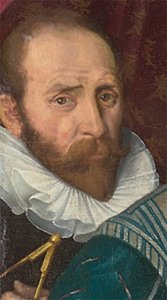
フランス・ド・プールブス(子)
1569 - 1622 , ベルギー
プロフィール概要
- Artistic Movement Or Style: 北Renaissance
- Artists Or Movements Influenced By This Artist:
- ボス
- オランダ黄金時代
- Artists Who Influenced This Artist: ['ピーテルール・コーケ・ヴァン・アールスト']
- Date Of Birth: 1525年頃、ブレダ
- Date Of Death: 1569年9月5/9日、ブリュッセル
- Full Name: ピーテル・ブリューゲル(父)
- Nationality: フランドル
- Notable Artworks:
- イカロスの墜落のある風景
- 農民の婚礼
- ニューフォレストの狩人
- Place Of Birth: ブレダ、ブラバント(オランダ)