

 プレビュー
プレビュー
 プリントを購入
 シェアする
シェアする シェアする
シェアする
 詳細を見る
詳細を見る

 ダウンロード
 似ている作品
 X線調査
X線調査 スライドショー
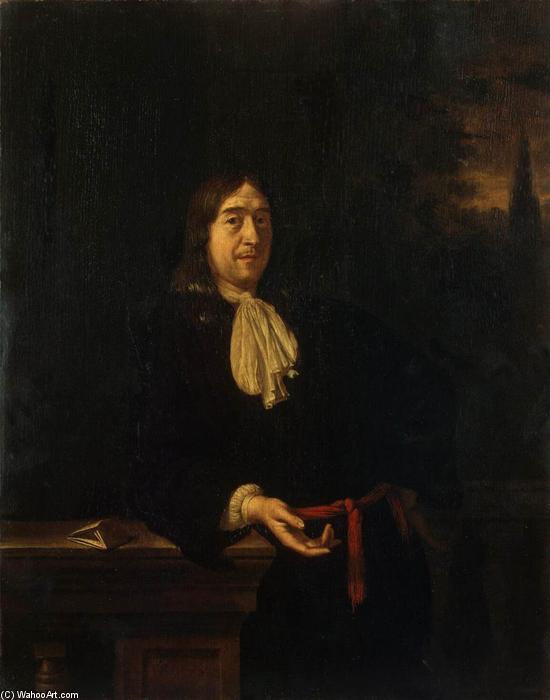
Portrait of a Young Man
 Oil On Canvas
- WallArt
- Dutch Golden Age Painting
 1681
1681 36.0 x 29.0 cm
 エルミタージュ美術館
 詳細を見る
詳細を見る




P118B $10

P118H $10

P118W $10

P438Z $10

P508JH $12

P508YH $12

P805H $10

P805Z $10

P919BZ $10

P919G $10

P919XJ $10

P959ZH $10

P968JZ $12

W106C $8

W218G $10

W218JH $8

W218Y $10

W307PJ $10

W316G $10

W316PJ $8

W316Y $10

W398PJ $8

W4111J $10

W500HY $15

W500JH $15

W692G $12

W849H $8

W940BG $15

W953PJ $8




作品のオリジナル比率に合わせた、当店の規定サイズからお選びください。

特定のフレームやスペースに合わせて、ご希望のサイズをご入力いただけます。選択されたサイズが元の画像の比率と異なる場合、アートワークをトリミングするか、手描きで要素を追加して絵画を拡張いたします。デジタルモックアップ を制作し、制作開始前にご確認(承認)をいただきます。
画面上のプレビューは、実際のトリミングや拡張を正確に反映しているものではありません。最終的な構図は、モックアップによってのみ正確にご確認いただけます。
カスタムサイズもご利用いただけますが、元の比率を維持するためには、あらかじめ用意されたリストからサイズを選択することをお勧めいたします。
ご注文後、ArtsDot.com チームより詳細な指示をお送りするとともに、仕上がりイメージ(モックアップ)をご提供いたします。


 ガラスオプションは、110cm未満のサイズでのみご利用いただけます。

Portrait of a Young Man
複製技法
複製画のサイズ
-


合計金額
$ 263
作品解説
Portrait of a Young Man: A Window Into Dutch Golden Age Soul
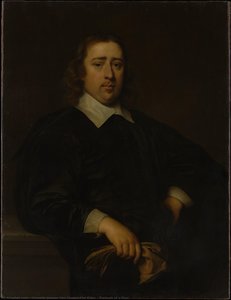
The artwork before us—a portrait of a young man executed in 1681 by Frans van Mieris the Elder—isn’t merely an image; it's a meticulously crafted distillation of the artistic spirit that defined the Dutch Golden Age. More than just capturing likeness, Van Mieris sought to convey something deeper – a contemplative gaze, a quiet dignity born from intellectual pursuits, and a profound understanding of human psychology. This wasn’t simply about depicting someone’s face; it was about presenting an entire persona within a single frame.Composition and Technique: Mastering Light and Shadow
Van Mieris' genius lay in his masterful manipulation of chiaroscuro—the dramatic interplay between light and shadow—a technique perfected by artists like Rembrandt and Caravaggio. Observe how the soft, diffused illumination emanating from an unseen source gently illuminates the young man’s face and hands, highlighting their features with remarkable sensitivity. Yet, much of the background remains shrouded in darkness, creating a palpable sense of depth and dimensionality. The artist employed thin glazes of oil paint layered upon canvas or panel, achieving an astonishing level of smoothness and polish—a testament to his dedication to craftmanship. Brushstrokes are virtually invisible, contributing to the overall illusionistic effect and allowing the viewer’s eye to wander across the surface with ease. This careful attention to detail speaks volumes about Van Mieris' commitment to realism and his desire to capture not just what was seen but also what was felt.Symbolism of Form and Gesture: Intellectual Reflection
Beyond its technical brilliance, the portrait resonates with symbolic significance. The young man’s seated posture at a table with an open book immediately establishes him as someone engaged in intellectual contemplation—a hallmark of the Golden Age's humanist ideals. His gaze directed towards the viewer fosters a connection between subject and observer, inviting us to consider his inner life and aspirations. The inclusion of the book isn’t accidental; it symbolizes knowledge, learning, and perhaps even a yearning for enlightenment – themes central to the artistic and philosophical preoccupations of the era. Furthermore, the artist's subtle modeling of forms—particularly the drapery of the coat—demonstrates an acute awareness of texture and materiality, mirroring the meticulous observation characteristic of Dutch painters.Historical Context: The Pinnacle of Artistic Achievement
Painted during the zenith of Dutch artistic prowess, this portrait embodies the values of its time – a belief in reason, human dignity, and the pursuit of beauty. The Golden Age witnessed an unprecedented flourishing of art across various disciplines, fueled by economic prosperity and intellectual curiosity. Artists like Van Mieris sought to elevate genre painting beyond mere depiction, striving instead for psychological insight and emotional resonance. They were influenced by classical ideals of proportion and harmony, reflecting a broader cultural fascination with antiquity. This artwork stands as a powerful reminder of the artistic legacy of 17th-century Holland—a period that continues to inspire artists and collectors alike.Emotional Impact: Quiet Contemplation and Dignified Presence
Ultimately, Portrait of a Young Man transcends its formal conventions to convey a profound sense of quiet contemplation and dignified presence. The young man’s expression – serene yet thoughtful – invites us to pause and reflect on the complexities of human experience. Van Mieris' ability to capture this intangible quality speaks to the enduring power of portraiture as a medium for conveying character and emotion—a skill that continues to captivate audiences centuries later. It is an image that lingers in the mind, prompting questions about identity, ambition, and the pursuit of wisdom.関連作品

アーティストの略歴
細部に宿る生命:フランス・ファン・ミリエス・デ・エルダルの世界
緻密なディテールと洗練された芸術性の代名詞とも言える名前、フランス・ファン・ミリエス・デ・エルダルは、オランダ黄金時代において極めて重要な地位を占めています。1635年にライデンで生まれた彼の歩みは、父ヤン・バスティアエンス・ファン・ミリエスが営んでいた金細工師という家業から離れ、絵画という魅惑的な世界へと向かっていきました。この幼少期からのデッサンへの傾倒が、後に「ファイン・シンデル(fijnschilder)」様式を定義し、17世紀オランダ社会の親密な片鱗を覗かせるキャリアの礎となったのです。アブラハム・トールフェルフトの下での初期修行、そして敬愛されるゲリット・ドウによる決定的な指導は、彼独自の芸術的語り口を築き上げる強固な土台となりました。これらの形成期は、単なる技術的な習熟だけでなく、物語の機微を読み解く力と、繊細な観察が持つ力を彼に授けたのです。「ファイン・シンデル」の隆盛
ファン・ミリエスは、ほどなくして「ファイン・シンデル(fine painting:細密画)」の巨匠としてその名を馳せることになります。この技法は、執念とも言えるほどの細部へのこだわり、滑らかで磨き上げられた筆致、そして小規模なキャンバスを好む特徴を持っていました。それは単に現実を模倣することではなく、気の遠くなるような精密さによって現実を高める試みでした。彼の描く画面には、生命の輝きが宿っているかのようです。サテンの艶やかな光沢、ベルベットの繊動な質感、金属の煌めき――そのすべてが驚異的な正確さで表現されています。彼は単に部屋を描いたのではありません。その空間に漂う空気そのものを再構築し、鑑賞者を家庭的な安らぎや富の情景へと誘い込んだのです。題材はしばブルジョワジーの生活に焦点を当てていました。優雅な集い、豪華な室内、そして単なる容貌だけでなく人物の品格までも捉えた肖像画。牡蠣の昼食、診察に当たる医師、日常の仕事に勤しむ女性といった繰り返されるモチーフは、当時の上流階級の習慣や社会的儀礼を覗く窓となりました。当初はゲリット・ドウの様式から強い影響を受けていましたが、ファン・ミリエスは次第に独自の境地へと辿り着きます。過剰な細部描写から脱却し、人物間の相互作用や構図の中で展開される物語性へと重点を移していったのです。後年の作品には、初期の明るいパレットとは対照的に、より暗い色調が見られることもあり、それは彼の成熟と芸術的な探求心の深まりを反映しています。重要な作品群と不朽の遺産
ファン・ミリエスの卓越した技術と進化し続ける様式を物語る、いくつかの重要な作品が存在します。オランダ美術への永続的な貢献
フランス・マン・ミリエスは、オランダ黄金時代の絵画におけるファイン・シンデル運動を形作る上で、極めて重要な役割を果たしました。細部への献身的なこだわり、日常生活や上流社会の写実的な描写、そして技術的な輝きは、すでに芸術的革新で知られていたこの時代に多大な貢献をもたらしました。レオポルト大公やコジモ3世・デ・メディチといった著名な人物たちから庇護を受けたことは、彼の才能が国際的に認められていた証です。今日においても、その精緻な職人技と17世紀文化への洞察に満ちた描写は、観る者を魅了し続けています。シドニーのニューサウスウェールズ州立美術館から自画像が盗まれたという出来事は、彼の芸術が持つ不変の価値と魅力を痛切に思い出させる出来事となりました。その遺産は、今なおコレクターや芸術愛好家たちを刺激し、惹きつけて止みません。彼の絵画は単なる歴史的遺物ではありません。それは、緻密に作り込まれ、時代を超越した美を湛えた、過ぎ去りし時代への窓なのです。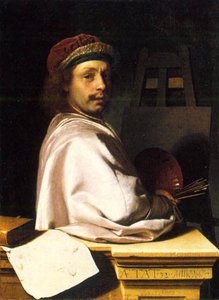
フランス・ファン・ミールリス
1635 - 1681 , オランダ
基本情報
- Artistic Movement Or Style: ファイン・シェルダー(細密画法)、風俗画
- Artists Or Movements Influenced By This Artist:
- ウィレム・ファン・ミエリス
- フランス・ファン・ミエリス・ユニオール
- A. D. スナファン
- Artists Who Influenced This Artist:
- ゲリット・ドウ
- アブラハム・ファン・デン・テンペル
- Date Of Birth: 1635年
- Date Of Death: 1681年
- Full Name: フランス・ファン・ミエリス(父)
- Nationality: オランダ
- Notable Artworks:
- 医師の訪問
- シターを持つ自画像
- 音楽の集い
- 二重奏
- Place Of Birth: オランダ、ライデン
関連記事

黄金世紀の巨匠たち:バロック絵画が彩る10選|ArtsDot
オランダ黄金時代の10大傑作を紐解く!レンブラント、フェルメール…バロック絵画の魅力と時代背景を深く探求。ArtsDotで、至高のアートコレクションと空間演出のヒントを見つけよう。高品質なアートプリントで、お部屋を華やかに。

レンブラント傑作25選:光と影の巨匠、魂を揺さぶる名画の世界 | ArtsDot
レンブラントの傑作25選。光と影の魔術師が描いた魂を揺さぶる名画の世界へ。美術史に残る自画像、夜警、宗教画…ArtsDotで高品質なアートプリントやインテリアアートをお楽しみください。コレクションはこちら→

Dutch Baroque Masters: 10 Paintings That Shaped an Era | ArtsDot
Journey through the Golden Age with our guide to the Top 10 Dutch Baroque masterpieces! Explore iconic paintings by Rembrandt, Vermeer & Frans Hals. Find museum-quality art reproductions and elevate your home decor at ArtsDot.com.
Frans Hals I: Innovation, Intimacy & the Dutch Golden Age Portrait
Explore the revolutionary portraiture of Frans Hals I, a master of the Dutch Golden Age. Discover his innovative techniques, captivating character studies & lasting impact on art history. Learn more at ArtsDot.

Illuminating Innovation: Exploring the Dutch Golden Age of Painting
Explore the Dutch Golden Age of painting with ArtsDot. Discover Rembrandt, Vermeer & other Masters. Learn about key characteristics, iconic artworks, and lasting influence. Expert insights for collectors & enthusiasts.

