 プレビュー
プレビュー
 プリントを購入
 シェアする
シェアする シェアする
シェアする
 詳細を見る
詳細を見る

 ダウンロード
 似ている作品
 X線調査
X線調査 スライドショー
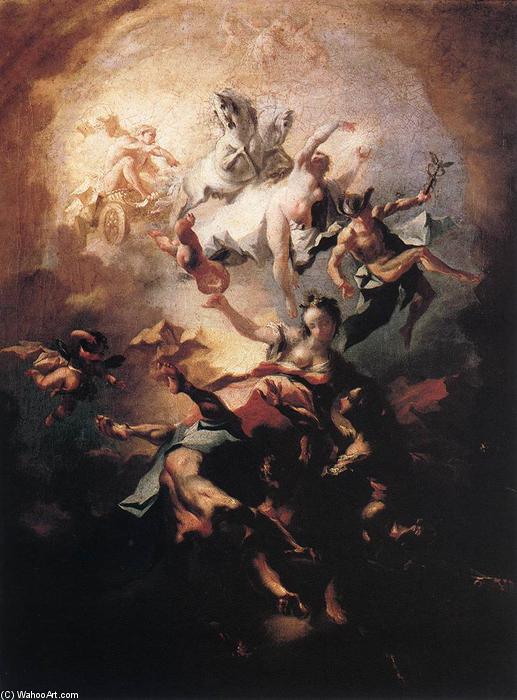
Allegory of the Alba
 Oil On Canvas
- WallArt
- Baroque
 1750
1750 67.0 x 53.0 cm
 ウォールラフ・リヒャルトス美術館
 詳細を見る
詳細を見る




P118B $10

P118H $10

P118W $10

P438Z $10

P508JH $12

P508YH $12

P805H $10

P805Z $10

P919BZ $10

P919G $10

P919XJ $10

P959ZH $10

P968JZ $12

W106C $8

W218G $10

W218JH $8

W218Y $10

W307PJ $10

W316G $10

W316PJ $8

W316Y $10

W398PJ $8

W4111J $10

W500HY $15

W500JH $15

W692G $12

W849H $8

W940BG $15

W953PJ $8




作品のオリジナル比率に合わせた、当店の規定サイズからお選びください。

特定のフレームやスペースに合わせて、ご希望のサイズをご入力いただけます。選択されたサイズが元の画像の比率と異なる場合、アートワークをトリミングするか、手描きで要素を追加して絵画を拡張いたします。デジタルモックアップ を制作し、制作開始前にご確認(承認)をいただきます。
画面上のプレビューは、実際のトリミングや拡張を正確に反映しているものではありません。最終的な構図は、モックアップによってのみ正確にご確認いただけます。
カスタムサイズもご利用いただけますが、元の比率を維持するためには、あらかじめ用意されたリストからサイズを選択することをお勧めいたします。
ご注文後、ArtsDot.com チームより詳細な指示をお送りするとともに、仕上がりイメージ(モックアップ)をご提供いたします。


 ガラスオプションは、110cm未満のサイズでのみご利用いただけます。

Allegory of the Alba
複製技法
複製画のサイズ
-


合計金額
$ 263
作品解説
A Celestial Dance: Unveiling Maulbertsch’s “Allegory of the Alba”
Franz Anton Maulbertsch's "Allegory of the Alba," painted around 1750, is more than just a Baroque canvas; it’s a vibrant portal into a world where divine influence and earthly ecstasy intertwine. This arresting work, now meticulously reproduced, captures a pivotal moment in Rococo artistic expression – a synthesis of the drama of the late Baroque with the lightness and ornamentation characteristic of the emerging style. Maulbertsch, born in the picturesque German town of Langenargen, skillfully navigated this transition, forging a distinctive voice marked by rich color palettes, dynamic compositions, and an almost palpable sense of movement.
The painting immediately commands attention with its dramatic use of light and shadow – a hallmark of chiaroscuro. A deep, velvety black dominates the lower portion of the canvas, grounding the scene in a rocky landscape that feels both ancient and foreboding. This darkness serves to heighten the brilliance of the upper register, where a central female figure is bathed in an ethereal glow. She’s not merely observing; she's actively participating in a swirling vortex of clouds and winged putti – cherubic angels rendered with exquisite detail and playful energy. The composition itself is carefully orchestrated: a vertical thrust upward, emphasized by the cascading drapery and the ascending trajectory of the chariot pulled by rearing horses. This deliberate arrangement draws the viewer’s eye into the heart of the scene, inviting them to become witnesses to this extraordinary event.
Decoding Symbolism: A Tapestry of Meaning
“Allegory of the Alba” is a rich tapestry of symbolic representation, reflecting the prevailing intellectual and artistic currents of the 18th century. The title itself – “Alba” – refers to the dawn, suggesting renewal, rebirth, and the arrival of a new era. The central figure, often interpreted as representing the Virgin Mary or a goddess associated with the morning star, is caught in a moment of ecstatic surrender, seemingly receiving divine grace. Surrounding her are putti, emblems of innocence and joy, actively contributing to the celebration. The chariot, pulled by spirited horses, symbolizes power, speed, and the swift passage of time – elements crucial to understanding the allegory’s message.
Beyond these primary symbols, numerous details contribute to the painting's layered meaning. The swirling clouds are not merely decorative; they represent the volatile nature of divine influence and the unpredictable forces shaping human destiny. The carefully rendered flora and fauna—including lilies, roses, and a stag—each carry specific symbolic weight within the context of 18th-century allegorical art. Maulbertsch masterfully employs these visual cues to create a complex narrative that speaks to themes of faith, beauty, and the cyclical nature of existence.
The Art of Maulbertsch: Technique and Materials
Maulbertsch’s distinctive style is immediately recognizable through his masterful application of oil paint. He employed a technique known as “impasto,” building up thick layers of pigment to create a tactile, three-dimensional surface. This approach not only adds visual richness but also emphasizes the dynamism of the scene – the swirling clouds seem almost tangible, while the figures possess a remarkable sense of volume and presence. The artist’s loose brushwork contributes to the painting's overall feeling of movement and energy, capturing the fleeting nature of divine inspiration.
The color palette is equally striking, dominated by warm hues – golds, reds, browns, and yellows – which evoke a sense of opulence and grandeur. These vibrant tones are juxtaposed with deep blues and blacks in the background, creating a dramatic contrast that further enhances the painting’s visual impact. The use of gold leaf, likely applied to certain elements, would have added an additional layer of luminosity and prestige, reflecting the wealth and power associated with the subject matter.
A Timeless Masterpiece: Reproduction and Beyond
Today, “Allegory of the Alba” continues to captivate viewers with its dramatic intensity and profound symbolism. Reproductions offer a remarkable opportunity to experience this masterpiece in your own space, bringing its vibrant colors and evocative imagery into your home or office. When selecting a reproduction, consider the quality of materials used – a hand-painted replica will capture the nuances of Maulbertsch’s original technique far more effectively than a digital print. Whether you are an art enthusiast, a collector seeking to expand your collection, or simply someone drawn to the beauty and power of Baroque art, “Allegory of the Alba” remains a timeless testament to the enduring legacy of Franz Anton Maulbertsch.
関連作品




アーティストの略歴
光に包まれた生涯:フランツ・アントン・マウルベルツのロココの世界
1724年、ドイツの牧歌的な湖畔の町ランゲンアルゲンに生まれたフランツ・アントン・マウルベルツは、後期バロックの劇的な壮大さと、台頭しつつあったロココの軽やかな優雅さを見事に橋渡しする、極めて重要な芸術家として現れました。彼の芸術の旅はウィーンのアカデミーでの正式な訓練から始まり、この基礎的な経験が彼独自のスタイルを形作り、中央ヨーロッパ全域で名声を轟かせる原動力となりました。幼い頃からマウルベルツは、色彩と構図に対する鋭い眼差しを持っており、それは指導者たちによって育まれ、さらに先達の巨匠たちの熱心な研究を通じて磨き上げられました。彼は単に様式を模倣していたのではありません。彼はそれらを吸収し、その強みを解剖し、自らの独自の芸術的声を打ち出す準備をしていたのです。様式の形成:影響と芸術的発展
マウルベルツの成長は孤立した探求ではありませんでした。彼は巨人の肩の上に立ち、同時代の著名な芸術家たちから提供される教訓を注意深く学び、内面化していきました。名高いオーストリアのバロック画家ポール・トロガーのもとでの徒弟制度は、彼に演劇的な感覚とダイナミックな構図という、その時代を象徴する特徴を植え付けました。しかし、マウルベルツの芸術的視野は、ジョヴァンニ・バッティスタ・ピットーニやピアチェッタといったヴェネツィアの巨匠たちとの出会いによって大きく広がりました。彼らの光と色彩を操る熟練した技術、微妙な階調と鮮やかな色合いを通して感情を呼び起こす能力は、若い芸術家に深く響きました。特に形成的な経験となったのは、1750年頃にヴュルツブルクでジャンバッティスタ・ティエポロに出会ったことです。ティエポロの息をのむようなフレスコ画を目撃したことは、マウルベルツの幻想的な空間と物語の力に対する理解を深め、大規模な装飾絵画へのアプローチに影響を与えました。彼はまた、ウィーンのシェーンブルン宮殿でセバスティアーノ・リッチの作品も丹念に研究し、その技術をさらに磨き上げ、美的な感性を洗練させました。これらの影響は単に模倣されたものではなく、マウルベルツ固有のスタイルへと統合されました。それは、バロックのドラマとロココの優雅さが鮮やかに融合したものでした。フレスコ画の巨匠:委嘱作品と主要な作品
マウルベルツはすぐにドイツ語圏で最も求められるフレスコ画家の一人としての地位を確立し、宗教機関からも世俗のパトロンからも依頼を受けるようになりました。建築空間を没入型の視覚体験へと変貌させる彼の能力は、彼の名声を確固たるものにしました。彼は中央ヨーロッパ各地の教会を息をのむようなフレスコ画で飾り付けました。そこにはビツケやカロツァの作品に加え、ウィーンの由緒あるミケーラー教会やピアリステン教会マリア・トレウの作品があります。モラヴィアのポルタ・コーエリ修道院、クロメーリジの大司教館、そして優美なハルプトゥル邸宅はすべて、彼の芸術的な腕前を物語っています。これらの壮大な教会プロジェクト以外にも、マウルベルツは神話的なドラマに満ちた「ジュピターとアンティオペ」や、宗教的な物語の巧みさを示す「使徒フィリポが奴隷を洗礼する」といった魅惑的な絵画も制作しました。また、「理髪外科医の仕事」や「牧歌のセレナーデ」のような風俗画は、驚くべき細部と繊細さで描かれた日常生活の一端を垣間見せてくれます。これらの作品は単なる装飾品ではなく、鑑賞者を感情的にも知的に引き込むよう計算され尽くした構図だったのです。遺産と歴史的重要性
フランツ・アントン・マウルベルツが18世紀美術に残した貢献は、彼の印象的な作品群だけにとどまりません。彼は後期バロックから初期古典主義への移行期において極めて重要な役割を果たし、伝統と革新を見事に両立させました。鮮やかな色彩、ダイナミックな構図、そして演劇的な感覚を特徴とする彼独自の芸術的声は、何世代もの芸術家に影響を与えた、明確にオーストリア的なロココ様式を確立する一助となりました。彼は、確立された技法に根ざしつつも、当時の変化する趣味を見事に捉え、視覚的に目を見張るものと歴史的に重要な作品を生み出しました。第二次世界大戦の混乱の中で一部の作品が失われたものの、生き残ったフレスコ画や絵画は今なお畏敬の念と賞賛を呼び起こしています。マウルベルツの遺産は、単に彼の傑作が保存されているというだけでなく、継続的な学術研究を通じて受け継がれており、彼が18世紀を代表する画家としての地位を確固たるものにしています。彼は1796年にウィーンで亡くなり、今日まで観客を魅了し、夢中にさせる豊かな芸術遺産を残しました。彼のフレスコ画は、この時代の宗教美術と装飾絵画の重要な手本であり続けています。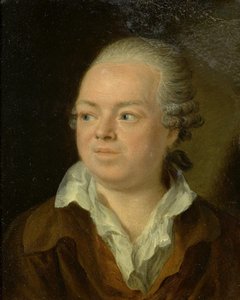
フランツ・アントン・マウルベルツ
1724 - 1796 , ドイツ
基本情報
- Artistic Movement Or Style: ロココ、バロック
- Artists Or Movements Influenced By This Artist: オーストリア・ロココ様式
- Artists Who Influenced This Artist:
- パウル・トロガー
- ジャン=バティスト・ピットーニ
- ピアツェッタ
- S.リッチ
- ティエポロ
- Date Of Birth: 1724年
- Date Of Death: 1796年
- Full Name: フランツ・アントン・マウルベルツ
- Nationality: ドイツ/オーストリア
- Notable Artworks:
- ジュピターとアンティオペ
- 使徒フィリポ...
- 理髪外科医...
- 牧歌のセレナーデ
- アルバのアレゴリー
- 栄光の中のナルキッソス
- Place Of Birth: ランゲンアルゲン、ドイツ
関連記事

バロックのドラマ:現代のインテリアに壮麗さと情感を取り込む
バロック様式の歴史、絵画、家具の魅力をご紹介。ArtsDotでは、高品質な油絵複製やカスタムポートレートをご提供し、現代のインテリアに壮麗さと情感を取り入れます。アートコンサルテーションも承ります。

バロック美術を極めた至宝:時代を彩る10大名作の世界
バロック美術の華!カラヴァッジョ、ベルニーニら巨匠が創り上げた10大名作を徹底解剖。ドラマチックな色彩と豪華絢爛の世界観に触れ、至宝のアートプリントで空間を彩ろう。ArtsDot.comで美術館品質の複製と洗練されたインテリアを見つけましょう!

The Dramatic Flourish: Exploring the Baroque Movement's Enduring Legacy in Art History
Explore the dramatic world of Baroque art! Discover iconic artists like Caravaggio & Rubens, defining techniques, and its lasting impact on art history. Expert insights for collectors & enthusiasts at ArtsDot.

The Visceral Stage: Exploring Dramatic Narratives & Emotional Intensity in Baroque Art
Explore the dramatic world of Baroque art! Discover iconic masters like Caravaggio & Rembrandt, their techniques, and the movement's lasting impact. Expert insights for collectors & enthusiasts at ArtsDot.

Theatricality & Triumph: Baroque Drama in Painting & Sculpture
Explore the dramatic world of Baroque art! Discover its history, defining characteristics, & lasting influence on painting & sculpture. Expert insights into Caravaggio, Zurbarán, and Bernini – plus high-quality reproductions at ArtsDot.