

 プレビュー
プレビュー
 シェアする
シェアする シェアする
シェアする
 詳細を見る
詳細を見る

 ダウンロード
 似ている作品
 X線調査
X線調査 スライドショー
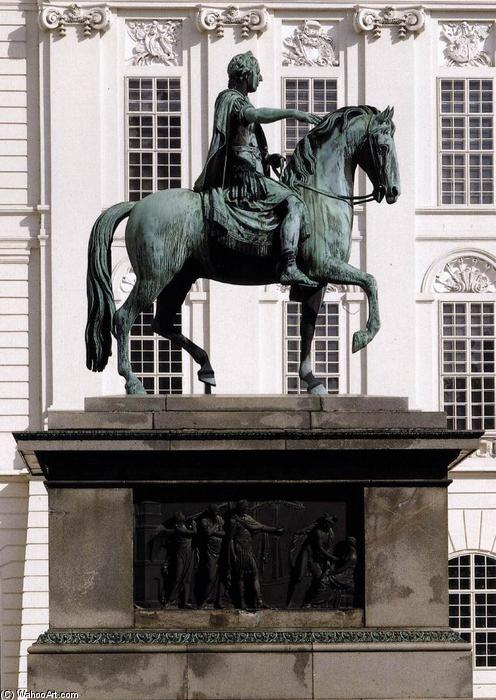
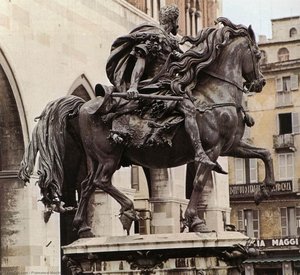
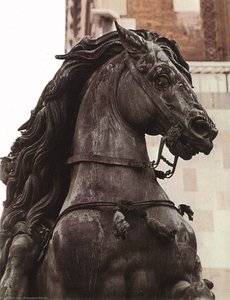
Equestrian statue of the Emperor Joseph II


 詳細を見る
詳細を見る
ジークレー/アートプリント
迅速な制作と多彩な仕上げオプションを備えた、ミュージアムクオリティのジークレーまたはキャンバスプリント。 ( 手描きの絵画を購入 画像を購入)




































作品のオリジナル比率に合わせた、当店の規定サイズからお選びください。

特定のフレームやスペースに合わせて、ご自身でサイズを指定することも可能です。選択されたサイズが元の画像の比率と一致しない場合、作品をトリミングするか、鏡面反射または単色での塗りつぶしによって画像を拡張いたします。制作を開始する前に、ご確認用のデジタルモックアップをお送りいたします。
画面上のプレビューには、実際のトリミングや拡張は反映されませんのでご注意ください。最終的な構図を正確に確認できるのは、モックアップのみとなります。
カスタムサイズも承っておりますが、元の比率を維持するためには、あらかじめ用意されたリストからサイズを選択することをお勧めいたします。


 ガラスオプションは、110cm未満のサイズでのみご利用いただけます。

Equestrian statue of the Emperor Joseph II
ジークレー/アートプリント
複製画のサイズ
-


合計金額
$ 62
関連作品





アーティストの略歴
Franz Anton von Zauner (1746 - 1822): Sculptor of Imperial Dignity
Franz Anton von Zauner (5 July 1746/48, Kaunerberg – 3 March 1822, Vienna) was an Austrian sculptor who flourished during the Neoclassical era, leaving behind a legacy marked by monumental equestrian statues and refined portrait sculptures that captured the spirit of his time. Born in Untervalpatann (modern Austria), Zauner’s artistic journey began with humble beginnings – his parents instilled in him a passion for art despite their modest circumstances—a formative influence that would shape his lifelong dedication to sculpting. Early training under Balthasar Horer, a distant relative on his mother's side and later Josef Deutschmann in Passau provided foundational skills in woodcarving, establishing a bedrock of technique that underpinned his subsequent endeavors.- Early Training & Apprenticeship: Zauner’s formative years were spent honing his craft under Horer and Deutschmann, absorbing the principles of craftsmanship and mastering essential sculptural techniques.
- Academic Pursuits: Enrollment at the Academy of Fine Arts in Vienna (1766) marked a pivotal moment, propelling him toward formal artistic education and exposing him to influential mentors like Anton Raphael Mengs.
Rome & The Pursuit of Classical Idealism
A commission from Prince Kaunitz for fountains at Schönbrunn Palace afforded Zauner the opportunity to embark on a transformative journey to Rome between 1776 and 1781—a period profoundly shaped by Mengs’ patronage. Dissatisfaction with prevailing sculptural trends fueled his determination to champion a purer Classical style, rejecting what he perceived as superfluous ornamentation and striving for elegance rooted in ancient artistic ideals. This commitment would become central to his artistic philosophy and inform his subsequent creations.- Mengs' Influence: Anton Raphael Mengs’ guidance instilled in Zauner a critical understanding of classical aesthetics and encouraged him to prioritize simplicity and harmony.
- Rejection of Ornamentation: Zauner actively opposed excessive embellishment, advocating for sculptural forms that embodied the purity and grandeur of antiquity.
The Joseph II Equestrian Statue – A Triumph of Neoclassical Style
Perhaps Zauner’s most celebrated achievement was the monumental equestrian statue of Emperor Joseph II (Holy Roman Emperor), commissioned in 1786. This ambitious undertaking cemented his reputation as a sculptor of distinction and exemplifies the zenith of Neoclassical art—a style characterized by restrained elegance, idealized proportions, and meticulous attention to detail. The statue’s success resonated deeply within Viennese society and garnered Zauner international acclaim, securing him a knighthood from Kaiser Franz I. As Anastasius Grün famously penned in his poem, “The Emperor,” Zauner's masterpiece captured the essence of imperial dignity and reflected the artistic sensibilities of the era.- Technical Mastery: The statue’s construction demanded unparalleled technical skill—Zauner skillfully employed bronze casting techniques to achieve remarkable accuracy and expressiveness.
- Symbolic Significance: Joseph II's posture and attire conveyed notions of authority, virtue, and stability—elements meticulously crafted to embody the ideals of Enlightenment governance.
Later Works & Legacy
Beyond the Joseph II statue, Zauner produced several other notable sculptures, including a monument to Leopold II in the Augustinian Church and the tomb of Field Marshal Ernst Gideon von Laudon at Schloss Laudon—works that showcased his continued dedication to classical principles and solidified his position as one of Vienna’s foremost sculptors. His influence extended beyond his own lifetime, inspiring subsequent generations of artists who embraced Neoclassical aesthetics and sought to emulate Zauner's masterful craftsmanship. Today, Franz Anton von Zauner remains remembered not merely as a sculptor but as an embodiment of Viennese artistic excellence—a testament to the enduring power of Classical ideals and the transformative potential of artistic vision.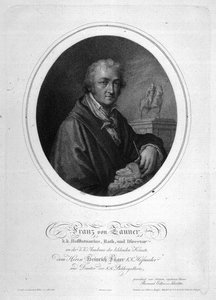
franz anton zauner
1746 - 1822 , Italy
基本情報
- Artistic Movement Or Style: Neoclassical
- Artists Or Movements Influenced By This Artist: ['Anastasius Grün']
- Artists Who Influenced This Artist:
- Anton Raphael Mengs
- Balthasar Horer
- Date Of Birth: July 5, 1746/48
- Full Name: Franz Anton von Zauner
- Nationality: Austrian
- Notable Artworks:
- Joseph II Statue
- Leopold II Tomb
- Place Of Birth: Kaunerberg, Italy