

 プレビュー
プレビュー
 シェアする
シェアする シェアする
シェアする
 詳細を見る
詳細を見る

 ダウンロード
 似ている作品
 X線調査
X線調査 スライドショー
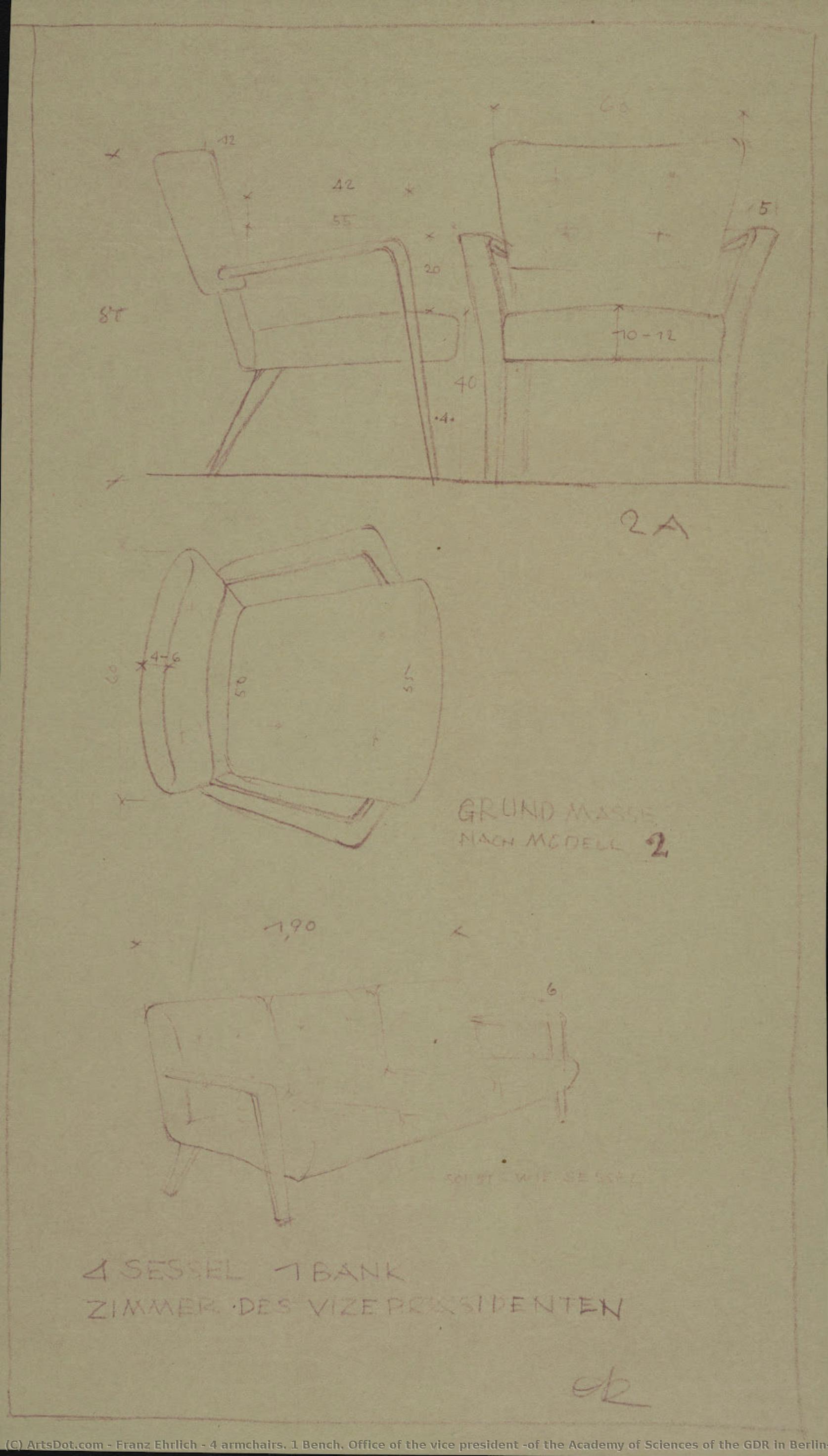
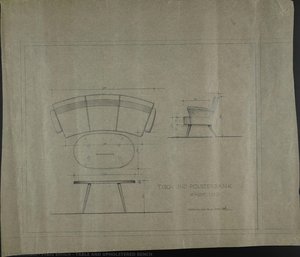
4 armchairs. 1 Bench. Office of the vice president (of the Academy of Sciences of the GDR in Berlin)
 Acrylic On Canvas
- WallArt
- Bauhaus Expressionism
 36.0 x 20.0 cm
 バウハウス デッサウ フンドウション
 詳細を見る
詳細を見る
ジークレー/アートプリント
迅速な制作と多彩な仕上げオプションを備えた、ミュージアムクオリティのジークレーまたはキャンバスプリント。 ( 手描きの絵画を購入 画像を購入)




P118B $10

P118H $10

P118W $10

P438Z $10

P508JH $12

P508YH $12

P805H $10

P805Z $10

P919BZ $10

P919G $10

P919XJ $10

P959ZH $10

P968JZ $12

W106C $8

W218G $10

W218JH $8

W218Y $10

W307PJ $10

W316G $10

W316PJ $8

W316Y $10

W398PJ $8

W4111J $10

W500HY $15

W500JH $15

W692G $12

W849H $8

W940BG $15

W953PJ $8




作品のオリジナル比率に合わせた、当店の規定サイズからお選びください。

特定のフレームやスペースに合わせて、ご自身でサイズを指定することも可能です。選択されたサイズが元の画像の比率と一致しない場合、作品をトリミングするか、鏡面反射または単色での塗りつぶしによって画像を拡張いたします。制作を開始する前に、ご確認用のデジタルモックアップをお送りいたします。
画面上のプレビューには、実際のトリミングや拡張は反映されませんのでご注意ください。最終的な構図を正確に確認できるのは、モックアップのみとなります。
カスタムサイズも承っておりますが、元の比率を維持するためには、あらかじめ用意されたリストからサイズを選択することをお勧めいたします。


 ガラスオプションは、110cm未満のサイズでのみご利用いただけます。

4 armchairs. 1 Bench. Office of the vice president (of the Academy of Sciences of the GDR in Berlin)
ジークレー/アートプリント
複製画のサイズ
-


合計金額
$ 62
作品詳細説明
Franz Ehrlich: Blueprint for Reflection – The Legacy of Four Armchairs
Franz Ehrlich (1907–1984), a German architect, calligrapher, and graphic designer whose work spanned Bauhaus principles to communist affiliation, remains an enigmatic figure in the annals of modernist design. While his name might not resonate with mainstream audiences today, Ehrlich’s contribution to architectural thought and artistic expression—particularly embodied in “4 Armchairs. 1 Bench,” a meticulously rendered drawing conceived for the Office of the Vice President of the Academy of Sciences of the GDR—offers a compelling glimpse into the intellectual currents shaping East German culture during its formative years.
- The Drawing’s Genesis: Created in 1935, shortly before Ehrlich's arrest by Nazi authorities, “4 Armchairs. 1 Bench” emerged from the Bauhaus workshop in Dessau, where Ehrlich honed his skills alongside luminaries like Walter Gropius and Josef Albers. This formative period instilled within him a profound appreciation for geometric abstraction and functional design—values that would define his subsequent artistic endeavors.
- Bauhaus Influence: The drawing’s stark monochrome palette—primarily black ink on white paper—immediately recalls the Bauhaus aesthetic, prioritizing clarity of form and minimizing ornamentation. Ehrlich skillfully employs orthogonal lines to delineate the chair frames and bench surface, reflecting the Bauhaus ethos of rational construction and uncompromising simplicity.
- Symbolism Within Functionality: Beyond its purely structural considerations, “4 Armchairs. 1 Bench” carries symbolic weight. The arrangement of the chairs—two rows mirroring each other—suggests balance and equilibrium, mirroring the pursuit of harmony between intellect and physicality inherent in Bauhaus philosophy. Furthermore, the bench positioned centrally symbolizes contemplation and dialogue – a deliberate choice reflecting the Academy’s mission as a hub for scholarly discourse.
The drawing itself is a testament to Ehrlich's meticulous technique—a blueprint or design sketch executed with unwavering precision. The artist’s attention to detail extends beyond mere geometric accuracy; subtle shading enhances the illusion of depth, conveying a sense of materiality and inviting viewers to imagine the tactile experience of sitting upon these chairs.
- Material Considerations: Although rendered in monochrome, Ehrlich's drawing anticipates the use of durable materials—likely beechwood—consistent with Bauhaus ideals. The careful depiction of joinery reinforces the structural integrity of the furniture design, demonstrating a commitment to both aesthetic beauty and practical efficacy.
"4 Armchairs. 1 Bench" transcends its role as mere architectural documentation; it serves as an emblem of intellectual optimism—a declaration that reason and artistry could coexist harmoniously in shaping the cultural landscape of postwar Germany. Today, reproductions of this seminal drawing continue to inspire designers and collectors alike, reminding us of the enduring power of minimalist design to provoke contemplation and convey profound emotional resonance.
Reproductions available at ArtsDot.com関連作品
アーティストの略歴
生い立ちと教育
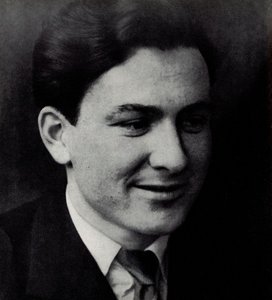
フランツ・エーリッヒは、ドイツが誇る建築家、カリグラファー、そしてグラフィックデザイナーとしてその名を刻みました。1907年に生を受けた彼の若き日々は、芸術への抗いがたい情熱に彩られていました。その才能は、1927年から1930年にかけてデッサウのバウハウスに入学するという道へと彼を導きます。この権威ある学び舎での経験は、当時のアヴァンギャルドな運動に彼を触れさせ、エーリッホの芸術的視点を形作る上で極めて重要な役割を果たしました。芸術的キャリアと政治的背景
エーリッヒの人生とキャリアにおいて、共産党への帰属はあまりにも深い影を落としました。1935年、ナチス政権による逮捕と投獄という過酷な運命が彼を襲い、その出来事は彼の芸術的探求の軌道を劇的に変えてしまうこととなります。しかし、こうした逆境に直面しながらも、エーリッヒは芸術の世界への貢献を止めることはありませんでした。彼が遺した足跡は、見る者の心にインスピレーションを与え、同時に深い思索を促すものとして今なお輝き続けています。代表作
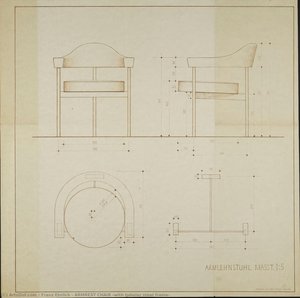
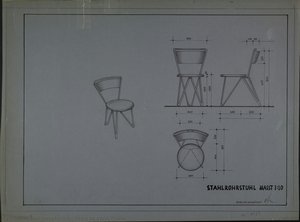
エーリッヒの卓越した才能を示す作品には、以下のようなものがあります:- 「800 yrs. das buch [the book]」平面図および立面図(ライプツィヒ・メッセの展示用ディスプレイラック)。これは、デザインと建築に対する彼の革新的なアプローチを証明する傑作です。
- バウマン教授邸の設計(基礎平面図)。建築計画における彼の高度な専門知識を如実に示しています。
- 1933年(写真と彫刻による広告プロジェクト)。写真と彫刻を融合させたユニークな試みであり、彼の実験的な精神が際立つ作品です。
エーリッヒの作品を収蔵する美術館とコレクション
ArtsDot.comでは、前述の作品を含むエーリッヒの広範なコレクションを取り揃えています。また、バウハウス・デッサウ財団(ドイツ、デッサウ=ロッslau)も、彼の芸術的営みを保管する重要な拠点となっています。遺産と影響
フランツ・エーリッヒが芸術界にもたらした貢献は多面的であり、彼の幅広い関心と類まれな才能を反映しています。創造的な側面においても、個人的な苦難の側面においても、彼の経験はドイツ史の転換点における「芸術と政治の交差点」について、極めて貴重な洞察を与えてくれるのです。- エーリッヒのさらなる作品についてはこちらをご覧ください: https://ArtsDot.com/@/franz-ehrlich
- バウハウス・デッサウ財団とそのコレクションを探索する: バウハウス・デッサウ財団(ドイツ、デッサウ=ロッslau)
フランツ・エーリッヒ
1907 - 1984 , ドイツ
基本情報
- Artistic Movement Or Style: バウハウス、表現主義
- Artists Or Movements Influenced By This Artist:
- バウハウス
- コミンテルン青年団
- Artists Who Influenced This Artist:
- ヴァルター・グロピウス
- モホリ=ナギ
- クレー
- ヨースト・シュミット
- Date Of Birth: 1907年
- Date Of Death: 1984年
- Full Name: フランツ・エアリヒ
- Nationality: ドイツ
- Notable Artworks:
- 800 YRS. FRAMEWORK WALL 3
- 無題 (HKB I または II)
- バイオリンのある絵画
- Place Of Birth: ドイツ、ロイト
関連記事
ベルリン国立美術館の至宝25選:名画と芸術の物語 | ArtsDot
ベルリン国立美術館の至宝25選。ネフェルティティ像、ペルガモン祭壇など、名画と芸術作品の物語を紐解きます。シンケルの建築美も堪能。ArtsDot.comで高品質な複製画やインテリアアートを探求し、お部屋に永遠の輝きを。
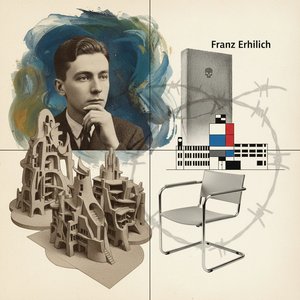
Franz Ehrlich: Bridging Expressionism, Bauhaus & the Shadows of History
Explore the life of Franz Ehrlich, a pivotal Bauhaus architect whose career spanned Expressionism, resistance during Nazi Germany, and GDR reconstruction. Discover his complex legacy & view museum-quality reproductions at ArtsDot.
Minimalist Masterpieces: 10 Artworks for Serene Home Decor | ArtsDot
Find serenity with 10 minimalist masterpieces! Explore Agnes Martin, Rothko & more. Discover the stories behind iconic abstract art, neutral palettes & calming designs. Museum-quality reproductions at ArtsDot.com – elevate your home decor today!
The Subtlety of Form: Exploring Emotional Resonance in Minimalist Art
Explore the emotional depth of minimalist art with ArtsDot. Discover key artists like Agnes Martin & Donald Judd, investment potential, and how to collect this influential movement. Expert insights for discerning collectors.
The Quiet Resonance of Restraint: Minimal Abstract Art as a Catalyst for Serene Interior Spaces
Discover how minimalist abstract art transforms your home into a serene sanctuary. Expert guidance on color, placement & investment from ArtsDot.com – museum-quality reproductions & custom artwork.

