

 プレビュー
プレビュー
 プリントを購入
 シェアする
シェアする シェアする
シェアする
 詳細を見る
詳細を見る

 ダウンロード
 似ている作品
 X線調査
X線調査 スライドショー
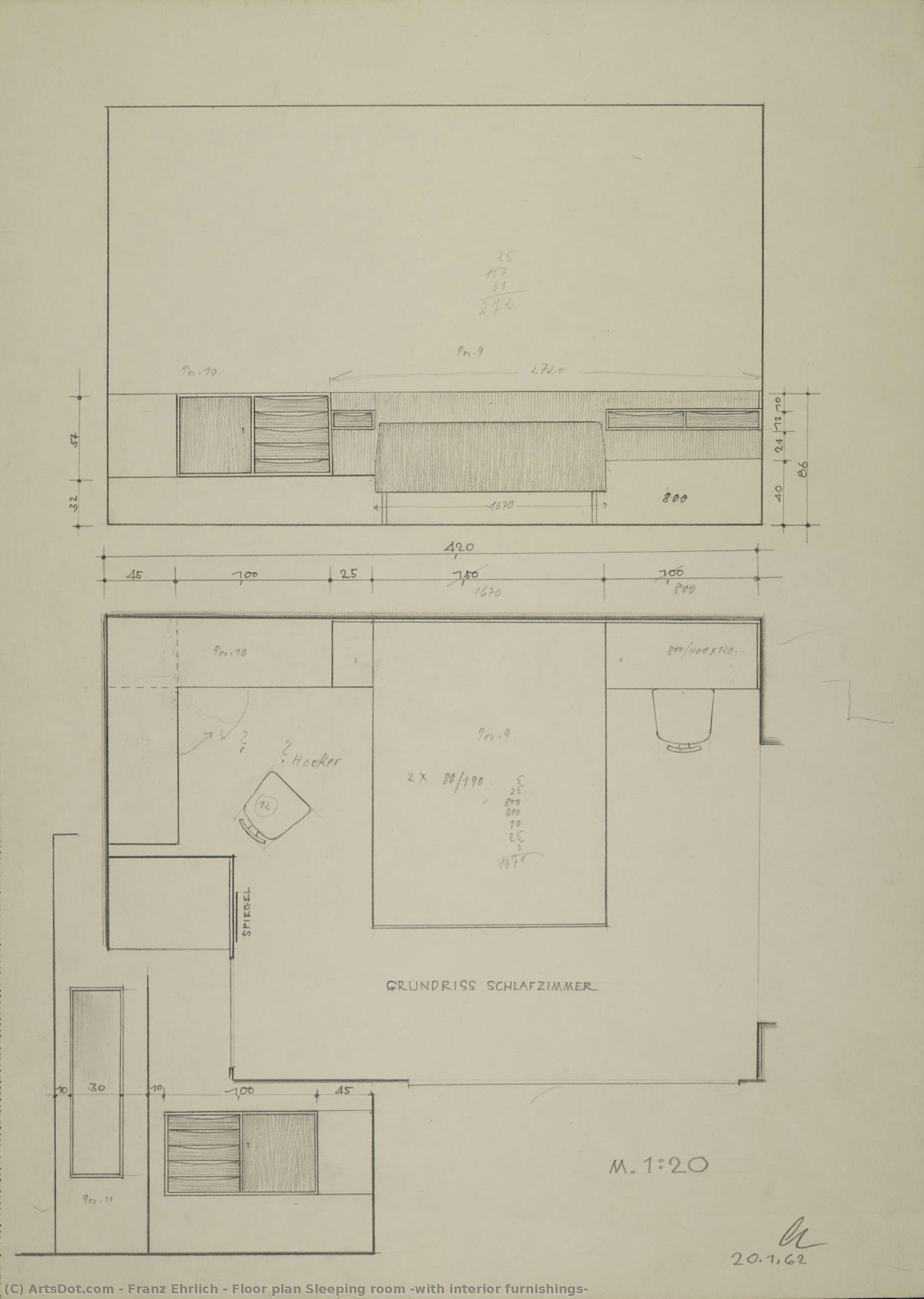
Floor plan Sleeping room (with interior furnishings)
 Acrylic On Canvas
- WallArt
- Bauhaus Expressionism
 1962
1962 42.0 x 30.0 cm
 バウハウス デッサウ フンドウション
 詳細を見る
詳細を見る
オンラインプレビューをはるかに凌ぐ、高解像度で鮮明なデジタル画像をご購入いただけます。
各ファイルは、社内の専門家が高度なツールと熟練した手作業によるレタッチを用いて、細心の注意を払って準備されています。すべての画像において、卓越した鮮明度、正確な色彩再現性、そして繊細なディテールを保証いたします。
最終ファイルは、プロフェッショナルな編集・印刷環境ですぐにご利用いただけるよう最適化された状態で、72時間以内にメールにてお届けいたします。これは、一流のデザインスタジオ、出版社、ギャラリーから信頼されているものと同等の品質です。
デジタル画像のご注文に付随する特典
高品質なデジタル画像配信を、確かな品質で。
ArtsDot.com を選ぶことは、単に画像を手に入れることではありません。それは、プロの手によって精密に仕上げられ、満足保証が付いた高品質なデジタルアートワークを受け取ることを意味します。ご注文いただいた際に自動的に付随する内容は、以下の通りです:

メールですぐにお届け
ご注文から72時間以内に、高解像度のデジタル画像ファイルがメールでお手元に届きます。すぐにそのままご利用いただけます。

AI技術で最適化されたデジタルファイル
お客様の作品は、高度なAIツールと専門家による手作業の編集を組み合わせてプロフェッショナルに最適化されており、細部のディテール、鮮明さ、そして正確な色再現性を最大限に引き出しています。

一生涯無料の再送サービス
ファイルを誤って削除したり、紛失してしまったりしましたか?ご安心ください。いつでも無料で再送いたします。

輸入手数料は一切かかりません
関税や手数料、配送料を気にすることなく、お気に入りのアートワークをすぐにお楽しみいただけます。デジタルダウンロードは常に免税です。

色彩再現の保証
プロ仕様のツールとカラーマネジメント技術を用いることで、デジタル画像が元の色を最大限に忠実に再現することを保証いたします。

60日間満足保証
ご購入いただいたデジタル画像にご満足いただけない場合は、60日以内であれば、修正または100%の返金(理由を問う必要はありません)をさせていただきます。

100% 返金保証
ご満足いただけない場合は、デジタルファイルを受け取ってから60日以内であれば、理由を問わず全額返金いたします。

まとめ買い割引
3枚購入で10%OFF - 5枚購入で15%OFF - 10枚以上購入で20%OFF。クリエイティブなプロジェクト、ギャラリー、エージェンシーに最適です。
作品の詳細
A Quiet Reflection on Space: Franz Ehrlich’s Floor Plan for “Neues Leben – Neues Wohnen”
Franz Ehrlich's "Floor plan Sleeping room (with interior furnishings, for the exhibition neues leben - neues wohnen”, 1962 in Berlin-Fennpfuhl)" isn’t merely a technical drawing; it’s a distilled essence of Bauhaus principles—a testament to functionality imbued with an understated elegance that speaks volumes about the era's preoccupation with rational design and humanist ideals. Created during Ehrlich’s formative years at Dessau, this piece embodies the spirit of experimentation fostered by Walter Gropius and his colleagues, marking a crucial juncture in German architectural history. The drawing itself—a meticulously rendered graphite pencil sketch on off-white paper—captures a deceptively simple scene: a small room furnished with benches and a chair, bathed in diffused light. Yet, within its geometric confines lies a profound exploration of spatial relationships and the pursuit of harmonious living spaces.Composition and Technique: Embracing Orthographic Precision
The artwork’s compositional strategy prioritizes clarity and balance. Dominating the canvas is a rectangular outline delineating the room's dimensions—a foundational element reflecting the Bauhaus ethos of geometric abstraction. Lines converge to define walls, furniture placements, and doorways, meticulously measured and annotated with precise notations. These lines aren’t merely structural; they are conduits for conveying information about scale and proportion, mirroring the Bauhaus commitment to didactic design. Subtle hatching and cross-hatching contribute tonal variation—a restrained technique that avoids distracting from the core message of spatial organization. The graphite pencil demonstrates remarkable control, capturing textures with subtle gradations that hint at the materiality of surfaces without resorting to illusionistic rendering.Historical Context: Bauhaus Ideals Amidst Cold War Uncertainty
Ehrlich’s creation emerged against the backdrop of post-war Germany—a nation grappling with rebuilding its economy and redefining its cultural identity. The Bauhaus movement, established in 1919, championed a radical reimagining of architectural practice, rejecting ornamentation in favor of functionalism and prioritizing craftsmanship alongside technological innovation. “Neues Leben – Neues Wohnen,” the exhibition showcasing this floor plan, aimed to articulate the vision for a new kind of domestic life—one rooted in simplicity, efficiency, and human connection. The drawing serves as a tangible embodiment of these ideals, reflecting Bauhaus’s enduring influence on subsequent generations of architects and designers.Symbolism Beyond Geometry: Order and Human Scale
Despite its austere aesthetic, “Floor plan Sleeping room…” resonates with symbolic significance. The geometric precision—the dominant rectangles and squares—represents rationality and control—values central to the Bauhaus worldview. However, it’s equally important to recognize the drawing's subtle suggestion of human scale. The placement of furniture—particularly the benches—indicates a consideration for comfort and practicality—a deliberate counterbalance to the movement’s emphasis on abstraction. This harmonious blend of form and function underscores Bauhaus’s belief in architecture as a tool for enhancing human experience.Emotional Resonance: A Quiet Statement of Purpose
Ultimately, Ehrlich's floor plan transcends mere documentation; it communicates a quiet statement of purpose—a conviction that thoughtful design can elevate everyday life. The drawing evokes a sense of serenity and order—qualities prized during the Cold War era as Germany sought to forge a path toward stability and progress. It’s a reminder that beauty can reside in simplicity, and that architectural innovation should serve not only aesthetic considerations but also fundamental human needs. Viewing this reproduction offers an opportunity to appreciate Ehrlich's masterful distillation of Bauhaus principles—a legacy preserved through ArtsDot.’s dedication to presenting exceptional artwork reproductions.関連作品
作家の略歴
生い立ちと教育
フランツ・エーリッヒは、ドイツが誇る建築家、カリグラファー、そしてグラフィックデザイナーとしてその名を刻みました。1907年に生を受けた彼の若き日々は、芸術への抗いがたい情熱に彩られていました。その才能は、1927年から1930年にかけてデッサウのバウハウスに入学するという道へと彼を導きます。この権威ある学び舎での経験は、当時のアヴァンギャルドな運動に彼を触れさせ、エーリッホの芸術的視点を形作る上で極めて重要な役割を果たしました。芸術的キャリアと政治的背景
エーリッヒの人生とキャリアにおいて、共産党への帰属はあまりにも深い影を落としました。1935年、ナチス政権による逮捕と投獄という過酷な運命が彼を襲い、その出来事は彼の芸術的探求の軌道を劇的に変えてしまうこととなります。しかし、こうした逆境に直面しながらも、エーリッヒは芸術の世界への貢献を止めることはありませんでした。彼が遺した足跡は、見る者の心にインスピレーションを与え、同時に深い思索を促すものとして今なお輝き続けています。代表作
エーリッヒの卓越した才能を示す作品には、以下のようなものがあります:- 「800 yrs. das buch [the book]」平面図および立面図(ライプツィヒ・メッセの展示用ディスプレイラック)。これは、デザインと建築に対する彼の革新的なアプローチを証明する傑作です。
- バウマン教授邸の設計(基礎平面図)。建築計画における彼の高度な専門知識を如実に示しています。
- 1933年(写真と彫刻による広告プロジェクト)。写真と彫刻を融合させたユニークな試みであり、彼の実験的な精神が際立つ作品です。
エーリッヒの作品を収蔵する美術館とコレクション
ArtsDot.comでは、前述の作品を含むエーリッヒの広範なコレクションを取り揃えています。また、バウハウス・デッサウ財団(ドイツ、デッサウ=ロッslau)も、彼の芸術的営みを保管する重要な拠点となっています。遺産と影響
フランツ・エーリッヒが芸術界にもたらした貢献は多面的であり、彼の幅広い関心と類まれな才能を反映しています。創造的な側面においても、個人的な苦難の側面においても、彼の経験はドイツ史の転換点における「芸術と政治の交差点」について、極めて貴重な洞察を与えてくれるのです。- エーリッヒのさらなる作品についてはこちらをご覧ください: https://ArtsDot.com/@/franz-ehrlich
- バウハウス・デッサウ財団とそのコレクションを探索する: バウハウス・デッサウ財団(ドイツ、デッサウ=ロッslau)
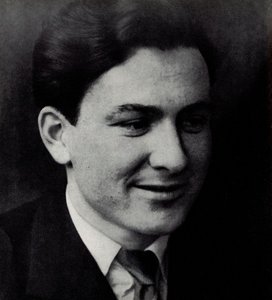
フランツ・エーリッヒ
1907 - 1984 , ドイツ
プロフィール概要
- Artistic Movement Or Style: バウハウス、表現主義
- Artists Or Movements Influenced By This Artist:
- バウハウス
- コミンテルン青年団
- Artists Who Influenced This Artist:
- ヴァルター・グロピウス
- モホリ=ナギ
- クレー
- ヨースト・シュミット
- Date Of Birth: 1907年
- Date Of Death: 1984年
- Full Name: フランツ・エアリヒ
- Nationality: ドイツ
- Notable Artworks:
- 800 YRS. FRAMEWORK WALL 3
- 無題 (HKB I または II)
- バイオリンのある絵画
- Place Of Birth: ドイツ、ロイト

