 プレビュー
プレビュー
 シェアする
シェアする シェアする
シェアする
 詳細を見る
詳細を見る

 ダウンロード
 似ている作品
 X線調査
X線調査 スライドショー
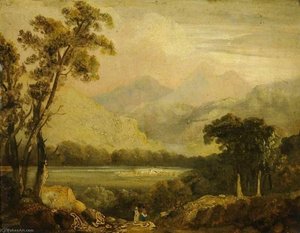
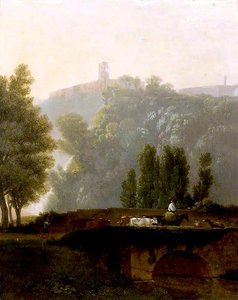
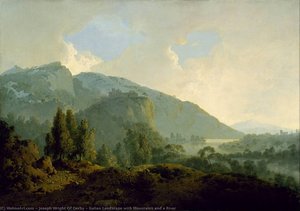
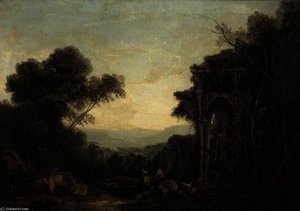
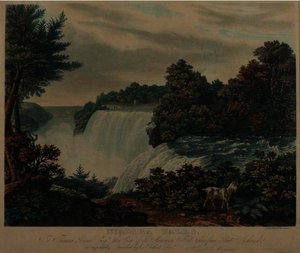
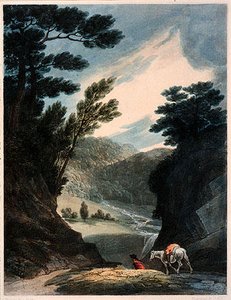
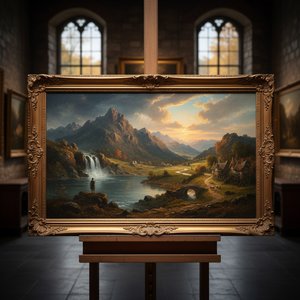
ベテランの楽園風景(フランク・ヘギ、1839年)


 詳細を見る
詳細を見る
ジークレー/アートプリント
迅速な制作と多彩な仕上げオプションを備えた、ミュージアムクオリティのジークレーまたはキャンバスプリント。 ( 手描きの絵画を購入 画像を購入)




P118B $10

P118H $10

P118W $10

P438Z $10

P508JH $12

P508YH $12

P805H $10

P805Z $10

P919BZ $10

P919G $10

P919XJ $10

P959ZH $10

P968JZ $12

W106C $8

W218G $10

W218JH $8

W218Y $10

W307PJ $10

W316G $10

W316PJ $8

W316Y $10

W398PJ $8

W4111J $10

W500HY $15

W500JH $15

W692G $12

W849H $8

W940BG $15

W953PJ $8




作品のオリジナル比率に合わせた、当店の規定サイズからお選びください。

特定のフレームやスペースに合わせて、ご自身でサイズを指定することも可能です。選択されたサイズが元の画像の比率と一致しない場合、作品をトリミングするか、鏡面反射または単色での塗りつぶしによって画像を拡張いたします。制作を開始する前に、ご確認用のデジタルモックアップをお送りいたします。
画面上のプレビューには、実際のトリミングや拡張は反映されませんのでご注意ください。最終的な構図を正確に確認できるのは、モックアップのみとなります。
カスタムサイズも承っておりますが、元の比率を維持するためには、あらかじめ用意されたリストからサイズを選択することをお勧めいたします。


 ガラスオプションは、110cm未満のサイズでのみご利用いただけます。

ベテランの楽園風景(フランク・ヘギ、1839年)
ジークレー/アートプリント
複製画のサイズ
-


合計金額
$ 62
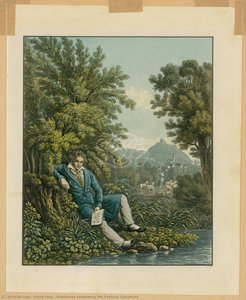
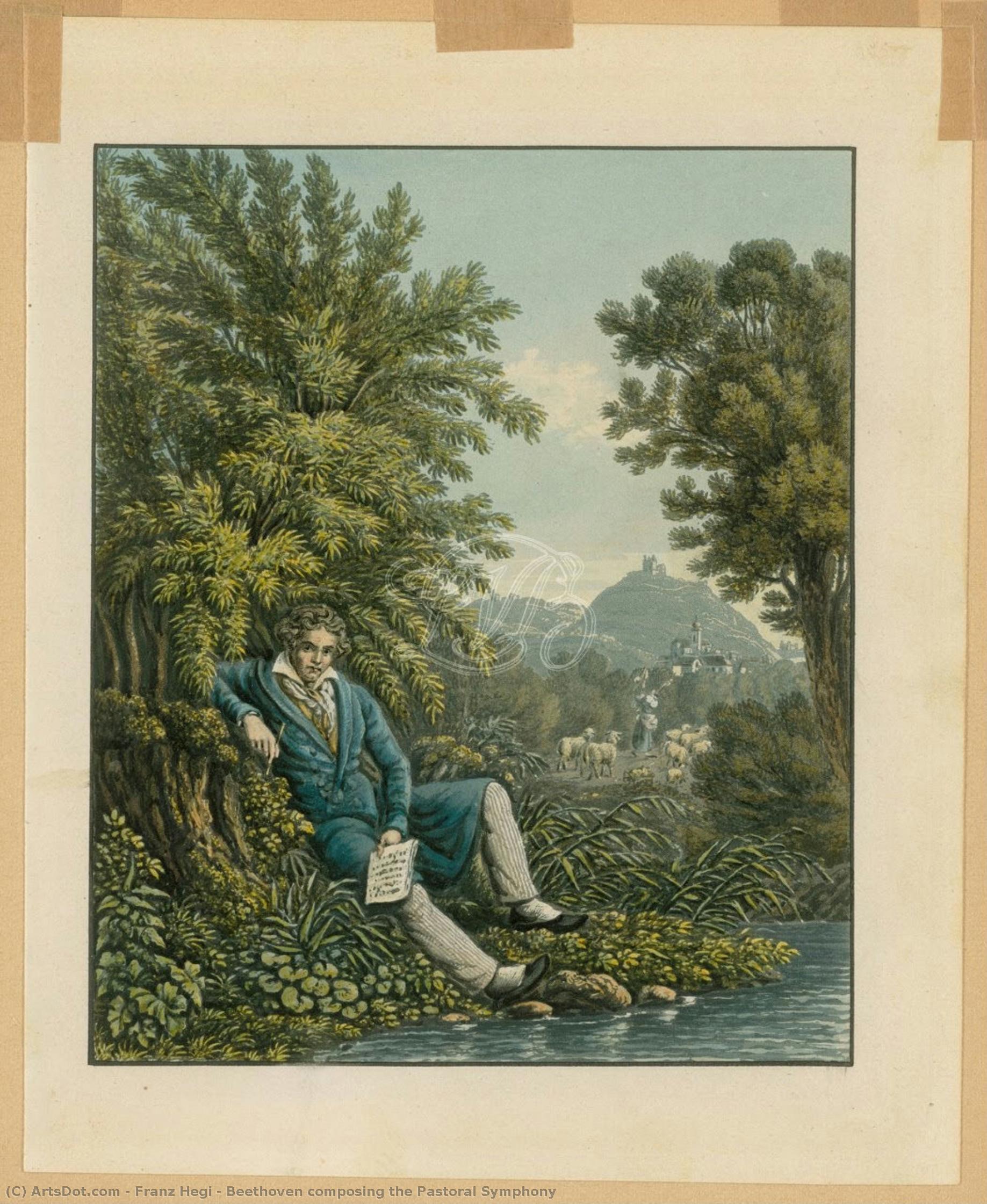
ベートーヴェンが牧歌協奏曲を作曲する
カスパール・ダヴィド・フリードリヒは、ドイツの風景画家として最も重要な人物の一人です。彼の人生は深い個人的な喪失と自然への強烈な繋がりによって特徴づけられ、彼の芸術作品は今日まで霊性、孤独、そして壮麗さを探求する詩的な表現として共鳴しています。彼はしばしば「ドイツの魂」と見なされ、彼の絵画は風景を単に描写するものではなく、存在の神秘を瞑想的に促すように設計されたものであり、そのスタイルは非常に個人的でありながらも深く影響力のあるものとなっています。彼の芸術への情熱は彼の人生全体を通して貫かれました。 幼少期の悲劇:喪失と死が織りなす世界 フリードリヒは1774年にバルト海の都市グリーフェスヴァルトで生まれました。母親と弟の早すぎる死は彼に深い憂鬱感と死への認識を植え付けました。このテーマは彼の芸術作品の中で繰り返し現れ、彼は霊魂主義的な考え方と信仰を持つ家庭で育ちました。彼は当初、美術大学で建築を専攻しましたが、最終的には画家になることを選びました。この時期の彼の影響力のある芸術家たちとの出会いは彼の芸術への情熱をさらに刺激しました。特にドイツの風景画家の作品は彼に大きな感動を与え、そのスタイルに深い影響を与えました。彼はオランダの絵画大师であるヤコブ・ファン・リュイダールやヨハネス・フェルメールのような画家たちから光と空気の微妙なニュアンスを捉えることで風景を描く技術を学びました。これらの初期の影響は彼の芸術における詳細への注意と特定の気分や感情を呼び起こすことを目指す願望に結びついています。彼は特にドイツロマン主義運動において独自のスタイルを発展させました。この動きは理性と秩序を重視するネオクラスシックとは対照的に、人間の経験を重視し、客観的な表現よりも主観的な体験を優先しました。彼の絵画はドラマチックな光と影の使用が特徴であり、多くの場合、青、灰色、茶色の薄暗いパレットで構成され、神秘的な雰囲気を作り出しています。彼はしばしば風景の中に孤独な人物を描き込みました。これらの人物は英雄的または栄光を誇るものではなく、脆弱で瞑想的でありながらも周囲との深い繋がりを持っています。彼の絵画は単なる風景の描写ではなく、人間の存在に対する哲学的な問いかけを促すように設計されています。彼は特にドイツロマン主義運動において独自のスタイルを発展させました。この動きは理性と秩序を重視するネオクラスシックとは対照的に、人間の経験を重視し、客観的な表現よりも主観的な体験を優先しました。彼の絵画はドラマチックな光と影の使用が特徴であり、多くの場合、青、灰色、茶色の薄暗いパレットで構成され、神秘的な雰囲気を作り出しています。彼はしばしば風景の中に孤独な人物を描き込みました。これらの人物は英雄的または栄光を誇るものではなく、脆弱で瞑想的でありながらも周囲との深い繋がりを持っています。彼の絵画は単なる風景の描写ではなく、人間の存在に対する哲学的な問いかけを促すように設計されています。彼は特にドイツロマン主義運動において独自のスタイルを発展させました。この動きは理性と秩序を重視するネオクラスシックとは対照的に、人間の経験を重視し、客観的な表現よりも主観的な体験を優先しました。彼の絵画はドラマチックな光と影の使用が特徴であり、多くの場合、青、灰色、茶色の薄暗いパレットで構成され、神秘的な雰囲気を作り出しています。彼はしばしば風景の中に孤独な人物を描き込みました。これらの人物は英雄的または栄光を誇るものではなく、脆弱で瞑想的でありながらも周囲との深い繋がりを持っています。彼の絵画は単なる風景の描写ではなく、人間の存在に対する哲学的な問いかけを促すように設計されています。彼は特にドイツロマン主義運動において独自のスタイルを発展させました。この動きは理性と秩序を重視するネオクラスシックとは対照的に、人間の経験を重視し、客観的な表現よりも主観的な体験を優先しました。彼の絵画はドラマチックな光と影の使用が特徴であり、多くの場合、青、灰色、茶色の薄暗いパレットで構成され、神秘的な雰囲気を作り出しています。彼はしばしば風景の中に孤独な人物を描き込みました。これらの人物は英雄的または栄光を誇るものではなく、脆弱で瞑想的でありながらも周囲との深い繋がりを持っています。彼の絵画は単なる風景の描写ではなく、人間の存在に対する哲学的な問いかけを促すように設計されています。彼は特にドイツロマン主義運動において独自のスタイルを発展させました。この動きは理性と秩序を重視するネオクラスシックとは対照的に、人間の経験を重視し、客観的な表現よりも主観的な体験を優先しました。彼の絵画はドラマチックな光と影の使用が特徴であり、多くの場合、青、灰色、茶色の薄暗いパレットで構成され、神秘的な雰囲気を作り出しています。彼はしばしば風景の中に孤独な人物を描き込みました。これらの人物は英雄的または栄光を誇るものではなく、脆弱で瞑想的でありながらも周囲との深い繋がりを持っています。彼の絵画は単なる風景の描写ではなく、人間の存在に対する哲学的な問いかけを促すように設計されています。彼は特にドイツロマン主義運動において独自のスタイルを発展させました。この動きは理性と秩序を重視するネオクラスシックとは対照的に、人間の経験を重視し、客観的な表現よりも主観的な体験を優先しました。彼の絵画はドラマチックな光と影の使用が特徴であり、多くの場合、青、灰色、茶色の薄暗いパレットで構成され、神秘的な雰囲気を作り出しています。彼はしばしば風景の中に孤独な人物を描き込みました。これらの人物は英雄的または栄光を誇るものではなく、脆弱で瞑想的でありながらも周囲との深い繋がりを持っています。彼の絵画は単なる風景の描写ではなく、人間の存在に対する哲学的な問いかけを促すように設計されています。彼は特にドイツロマン主義運動において独自のスタイルを発展させました。この動きは理性と秩序を重視するネオクラスシックとは対照的に、人間の経験を重視し、客観的な表現よりも主観的な体験を優先しました。彼の絵画はドラマチックな光と影の使用が特徴であり、多くの場合、青、灰色、茶色の薄暗いパレットで構成され、神秘的な雰囲気を作り出しています。彼はしばしば風景の中に孤独な人物を描き込みました。これらの人物は英雄的または栄光を誇るものではなく、脆弱で瞑想的でありながらも周囲との深い繋がりを持っています。彼の絵画は単なる風景の描写ではなく、人間の存在に対する哲学的な問いかけを促すように設計されています。彼は特にドイツロマン主義運動において独自のスタイルを発展させました。この動きは理性と秩序を重視するネオクラスシックとは対照的に、人間の経験を重視し、客観的な表現よりも主観的な体験を優先しました。彼の絵画はドラマチックな光と影の使用が特徴であり、多くの場合、青、灰色、茶色の薄暗いパレットで構成され、神秘的な雰囲気を作り出しています。彼はしばしば風景の中に孤独な人物を描き込みました。これらの人物は英雄的または栄光を誇るものではなく、脆弱で瞑想的でありながらも周囲との深い繋がりを持っています。彼の絵画は単なる風景の描写ではなく、人間の存在に対する哲学的な問いかけを促すように設計されています。彼は特にドイツロマン主義運動において独自のスタイルを発展させました。この動きは理性と秩序を重視するネオクラスシックとは対照的に、人間の経験を重視し、客観的な表現よりも主観的な体験を優先しました。彼の絵画はドラマチックな光と影の使用が特徴であり、多くの場合、青、灰色、茶色の薄暗いパレットで構成され、神秘的な雰囲気を作り出しています。彼はしばしば風景の中に孤独な人物を描き込みました。これらの人物は英雄的または栄光を誇るものではなく、脆弱で瞑想的でありながらも周囲との深い繋がりを持っています。彼の絵画は単なる風景の描写ではなく、人間の存在に対する哲学的な問いかけを促すように設計されています。彼は特にドイツロマン主義運動において独自のスタイルを発展させました。この動きは理性と秩序を重視するネオクラスシックとは対照的に、人間の経験を重視し、客観的な表現よりも主観的な体験を優先しました。彼の絵画はドラマチックな光と影の使用が特徴であり、多くの場合、青、灰色、茶色の薄暗いパレットで構成され、神秘的な雰囲気を作り出しています。彼はしばしば風景の中に孤独な人物を描き込みました。これらの人物は英雄的または栄光を誇るものではなく、脆弱で瞑想的でありながらも周囲との深い繋がりを持っています。彼の絵画は単なる風景の描写ではなく、人間の存在に対する哲学的な問いかけを促すように設計されています。彼は特にドイツロマン関連作品

アーティストの略歴
Caspar David Friedrich: The Soul of the German Landscape
Caspar David Friedrich, born in 1774 in the windswept Baltic town of Greifswald, wasn’t merely a painter; he was a translator of experience. His life, marked by profound personal loss and an intense connection to nature, became inextricably woven into the fabric of his art – a body of work that continues to resonate with viewers today as a poignant exploration of spirituality, solitude, and the sublime. Often considered the most important German artist of his generation, Friedrich’s landscapes aren't simply depictions of scenery; they are carefully constructed invitations to contemplate the mysteries of existence, rendered in a style both intensely personal and profoundly influential.
Early Life and Influences: A World Shaped by Loss
Friedrich’s childhood was shadowed by tragedy. The early deaths of his mother and brother instilled within him a deep sense of melancholy and an acute awareness of mortality – themes that would repeatedly surface in his art. This personal sorrow, coupled with the strict religious upbringing he received within a devout Lutheran family, profoundly shaped his worldview. He initially pursued studies at the University of Greifswald, focusing on architecture before ultimately dedicating himself to painting. Crucially, during this period, he encountered and was deeply moved by the works of Dutch masters like Jacob van Ruisdael and Jan Vermeer – artists who had mastered the subtle nuances of light and atmosphere, capturing a sense of quiet contemplation within their landscapes. These early influences instilled in him a meticulous attention to detail and a desire to evoke a specific mood or feeling through his art.
The Development of a Distinctive Style: Romanticism Takes Root
Friedrich’s artistic journey truly began after he moved to Copenhagen, where he studied at the Royal Danish Academy. However, it was in Dresden, the capital of Saxony, that he established himself as an artist and developed his unique style – a cornerstone of the burgeoning German Romantic movement. Unlike the Neoclassical emphasis on reason and order, Friedrich sought to capture the emotional power of nature, prioritizing subjective experience over objective representation. His paintings are characterized by a dramatic use of light and shadow, often employing a muted palette dominated by blues, greys, and browns, creating an atmosphere of mystery and introspection. He frequently incorporated solitary figures – often dwarfed by the vastness of the landscape – into his compositions, suggesting humanity’s place within the grand scheme of nature. These figures aren't heroic or triumphant; they are vulnerable, contemplative, and deeply connected to their surroundings.
Key Works and Symbolic Language
Several paintings stand as particularly potent examples of Friedrich’s artistic vision. “Wanderer above the Sea of Fog” (1818), perhaps his most iconic work, depicts a solitary figure gazing out over a misty landscape, embodying both human ambition and the humbling power of nature. "The Abbey in the Oak Forest" (1809) explores themes of spirituality and decay, juxtaposing the grandeur of the ruined abbey with the dense, brooding forest. “Chalk Cliffs on Rügen” (1826), showcases his mastery of atmospheric perspective and the evocative use of light to create a sense of depth and distance. Beyond their visual beauty, these works are laden with symbolic meaning. Friedrich frequently employed motifs such as ruins, mountains, forests, and bodies of water – each carrying layers of historical, religious, and philosophical significance. He deliberately blurred the boundaries between reality and imagination, inviting viewers to engage in a dialogue with the artwork and project their own emotions and experiences onto it.
Legacy and Historical Significance
Despite enjoying early success and patronage, Friedrich’s fortunes declined significantly during his later years. The waning of Romanticism and the rise of industrialization contributed to a shift in artistic tastes, leaving him largely forgotten until the late 19th century when Symbolist artists rediscovered his work and recognized its profound emotional depth. Today, Caspar David Friedrich is celebrated as one of the most important figures in German art history – a pioneer of Romantic landscape painting who profoundly influenced generations of artists. His paintings continue to captivate viewers with their evocative atmosphere, symbolic richness, and enduring exploration of the human condition’s relationship with nature. His work remains a powerful reminder of the importance of introspection, solitude, and the sublime beauty that can be found in the natural world.
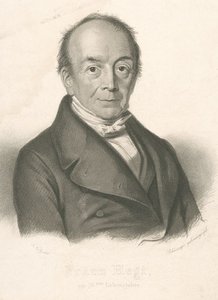
franz hegi
1774 - 1850 , Switzerland
基本情報
- Artistic Movement Or Style: Romanticism
- Artists Or Movements Influenced By This Artist:
- Expressionism
- Symbolism
- Artists Who Influenced This Artist:
- J.M.W. Turner
- Joshua Reynolds
- Date Of Birth: September 5, 1774
- Date Of Death: May 7, 1840
- Full Name: Caspar David Friedrich
- Nationality: German
- Notable Artworks:
- Wanderer above the Sea of Fog
- Monk by the Sea
- The Abbey in the Oak Forest
- Place Of Birth: Greifswald, Germany
関連記事

ロマン派ランドスケープ:時代を彩る巨匠の10選|アートとインテリアの世界
ロマン派絵画の時代を彩る10選。巨匠たちの風景が織りなす感動の世界へ。ターナー、ルーベンスなど、名作の裏話と高精細複製でアートをお部屋に。ArtsDot.comで至福のアート体験を。

Evocations of Place: A Historical Journey Through Landscape Art
Explore the rich history of landscape art with ArtsDot. Discover renowned artists, movements like Impressionism & Romanticism, and expert guidance for collecting timeless pieces. Find your perfect serene escape today!
The Sublime and the Picturesque: Exploring Emotion & Nature in Romantic Landscape Painting
Explore the emotional power of Romantic landscape painting! Discover the sublime & picturesque traditions, key artists like Friedrich & Cole, and find your perfect artwork at ArtsDot.

ジョン・コンスタブルの傑作25選:英国風景画の巨匠が描く自然と光の詩 | ArtsDot
ジョン・コンスタブルの傑作25選。英国風景画の巨匠が描く自然と光の詩の世界へ。ロマン主義を代表する絵画、デダム・ヴェールやヘイ・ウェインなど、ArtsDotで高品質なアートプリントをお楽しみください。インテリアに深みと感動を。コレクションはこちら。
The Sublime and the Picturesque: Exploring Emotion & Nature in Romantic Landscape Painting
Explore the emotional power of Romantic landscape painting! Discover the sublime & picturesque aesthetics, key artists like Friedrich & Cole, and lasting influence on art history. Find your perfect piece at ArtsDot.