

 プレビュー
プレビュー
 プリントを購入
 シェアする
シェアする シェアする
シェアする
 詳細を見る
詳細を見る

 ダウンロード
 似ている作品
 X線調査
X線調査 スライドショー
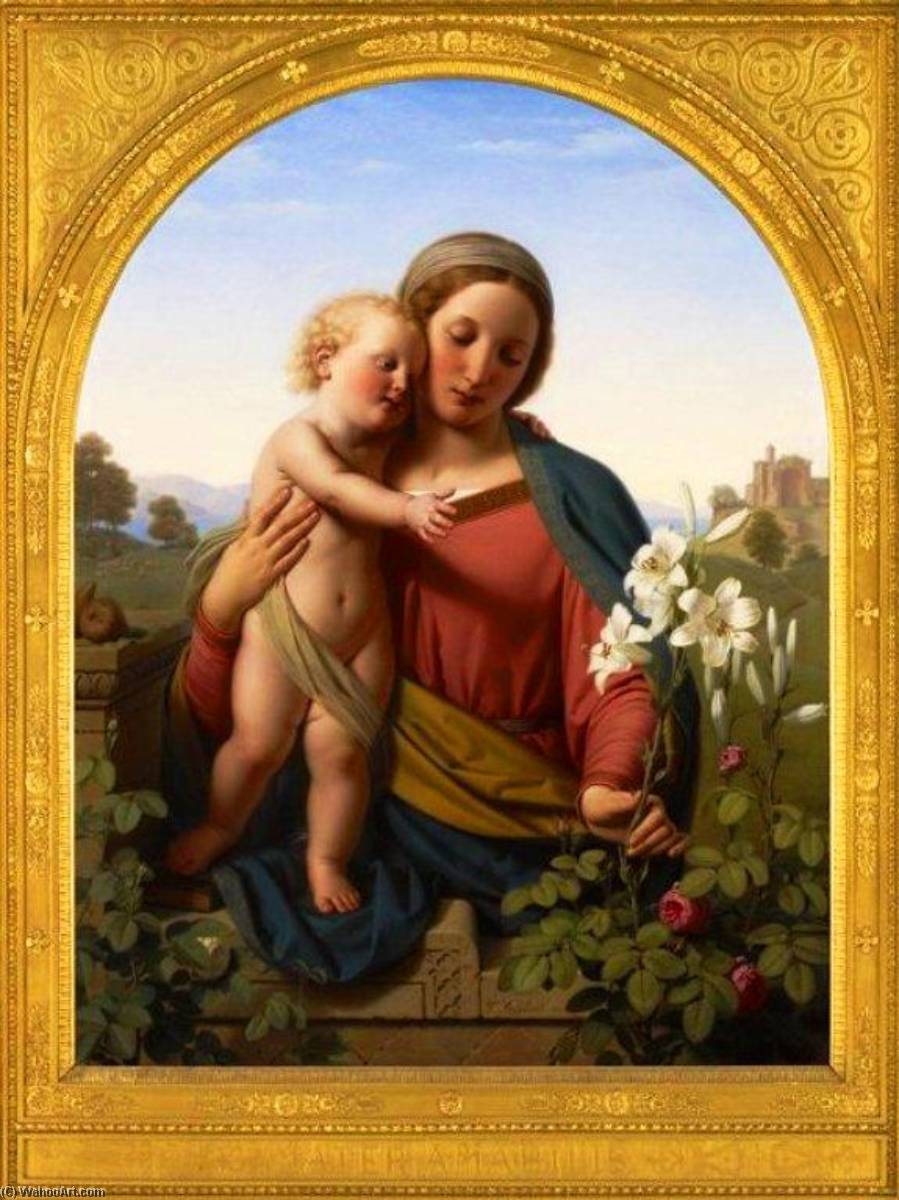
Madonna and Child


 詳細を見る
詳細を見る




































作品のオリジナル比率に合わせた、当店の規定サイズからお選びください。

特定のフレームやスペースに合わせて、ご希望のサイズをご入力いただけます。選択されたサイズが元の画像の比率と異なる場合、アートワークをトリミングするか、手描きで要素を追加して絵画を拡張いたします。デジタルモックアップ を制作し、制作開始前にご確認(承認)をいただきます。
画面上のプレビューは、実際のトリミングや拡張を正確に反映しているものではありません。最終的な構図は、モックアップによってのみ正確にご確認いただけます。
カスタムサイズもご利用いただけますが、元の比率を維持するためには、あらかじめ用意されたリストからサイズを選択することをお勧めいたします。
ご注文後、ArtsDot.com チームより詳細な指示をお送りするとともに、仕上がりイメージ(モックアップ)をご提供いたします。


 ガラスオプションは、110cm未満のサイズでのみご利用いただけます。

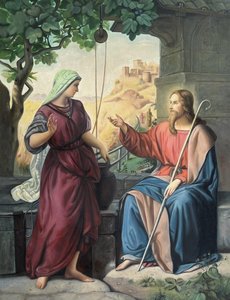
Madonna and Child
複製技法
複製画のサイズ
-


合計金額
$ 263
関連作品


アーティストの略歴
Franz Ittenbach (18 April 1813, Königswinter – 1 December 1879, Düsseldorf)
Franz Ittenbach was a German religious painter, in the Nazarene style, associated with the Düsseldorf school of painting. He is considered one of the most important figures of the Nazarene movement and his work continues to inspire artists today.
Early Life and Artistic Education
Born in Königswinter, at the foot of the Drachenfels mountain range, Franz Ittenbach’s upbringing instilled a deep reverence for faith. His father ran a modest wine shop, fostering an appreciation for craftsmanship alongside his religious convictions. Recognizing his talent early on, he pursued formal artistic training under Kaufmann and subsequently studied under Franz Katz in Cologne, gaining foundational skills in draughtsmanship and painting technique.
The Düsseldorf Academy and the Nazarene Movement
A pivotal moment arrived when Ittenbach enrolled at the Düsseldorf Academy in 1832, mentored by Schadow—a figure who would profoundly influence his artistic vision. This institution cemented his connection to the Düsseldorf school of painting, a movement characterized by its meticulous observation of nature and its commitment to spiritual contemplation. Joining forces with Karl Müller, Andreas Müller, and Ernst Deger, Ittenbach formed a quartet that embarked on extensive travels throughout Germany, diligently studying and replicating masterpieces from the Late Medieval and Early Renaissance.
Italian Influence and Artistic Style
Inspired by the artistic fervor of Italy during his formative years, Ittenbach spent 1839-1842 immersing himself in Roman art. This experience solidified his stylistic preferences—a deliberate rejection of prevailing trends—and fueled his dedication to portraying biblical narratives with unwavering sincerity and emotional depth. He favored a restrained palette, prioritizing tonal harmonies that conveyed the essence of divine beauty.
Notable Works and Legacy
Ittenbach’s artistic output culminated in numerous altar-pieces—particularly those adorning churches at Bonn and Breslau—which stand as testament to his mastery of technique and his profound spiritual conviction. Among his most celebrated paintings is “Holy Family,” executed in 1861 for Prince Liechtenstein’s chapel near Vienna, capturing the tenderness and serenity emblematic of Nazarene art.
Franz Ittenbach's influence extended beyond his own creations; he served as a teacher at Düsseldorf Academy and was recognized by European academies with numerous awards. His unwavering devotion to religious themes—expressed through meticulous observation of nature and masterful execution—established him as an enduring icon of the Nazarene movement and a cornerstone of German Romanticism.
franz ittenbach
1813 - 1879
基本情報
- Artistic Movement Or Style: Nazarene Painting
- Artists Or Movements Influenced By This Artist: ['Expressionism']
- Artists Who Influenced This Artist:
- Schadow
- Kaufmann
- Date Of Birth: April 18, 1813
- Date Of Death: December 1, 1879
- Full Name: Franz Ittenbach
- Nationality: German
- Notable Artworks:
- Holy Family
- St. Remigius
- Place Of Birth: Königswinter, Germany

