

 プレビュー
プレビュー
 プリントを購入
 シェアする
シェアする シェアする
シェアする
 詳細を見る
詳細を見る

 ダウンロード
 似ている作品
 X線調査
X線調査 スライドショー
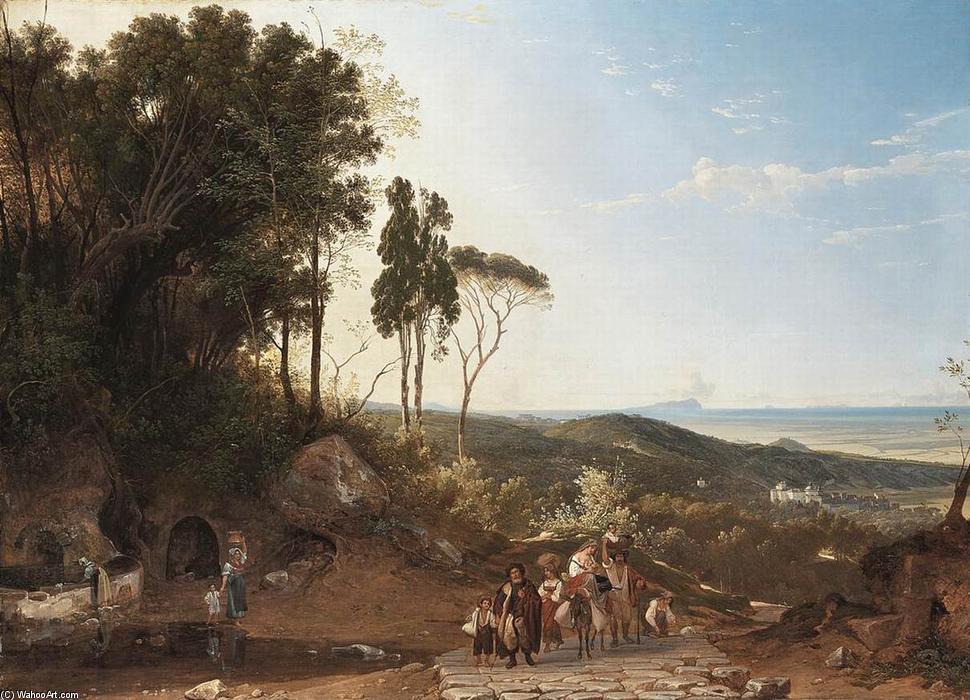
View of Ariccia with the Sea in the Background
 Oil On Canvas
- WallArt
- Romanticism
 1821
1821 100.0 x 139.0 cm
 ネオピナコテカ
 詳細を見る
詳細を見る
オンラインプレビューをはるかに凌ぐ、高解像度で鮮明なデジタル画像をご購入いただけます。
各ファイルは、社内の専門家が高度なツールと熟練した手作業によるレタッチを用いて、細心の注意を払って準備されています。すべての画像において、卓越した鮮明度、正確な色彩再現性、そして繊細なディテールを保証いたします。
最終ファイルは、プロフェッショナルな編集・印刷環境ですぐにご利用いただけるよう最適化された状態で、72時間以内にメールにてお届けいたします。これは、一流のデザインスタジオ、出版社、ギャラリーから信頼されているものと同等の品質です。
デジタル画像のご注文に付随する特典
高品質なデジタル画像配信を、確かな品質で。
ArtsDot.com を選ぶことは、単に画像を手に入れることではありません。それは、プロの手によって精密に仕上げられ、満足保証が付いた高品質なデジタルアートワークを受け取ることを意味します。ご注文いただいた際に自動的に付随する内容は、以下の通りです:

メールですぐにお届け
ご注文から72時間以内に、高解像度のデジタル画像ファイルがメールでお手元に届きます。すぐにそのままご利用いただけます。

AI技術で最適化されたデジタルファイル
お客様の作品は、高度なAIツールと専門家による手作業の編集を組み合わせてプロフェッショナルに最適化されており、細部のディテール、鮮明さ、そして正確な色再現性を最大限に引き出しています。

一生涯無料の再送サービス
ファイルを誤って削除したり、紛失してしまったりしましたか?ご安心ください。いつでも無料で再送いたします。

輸入手数料は一切かかりません
関税や手数料、配送料を気にすることなく、お気に入りのアートワークをすぐにお楽しみいただけます。デジタルダウンロードは常に免税です。

色彩再現の保証
プロ仕様のツールとカラーマネジメント技術を用いることで、デジタル画像が元の色を最大限に忠実に再現することを保証いたします。

100日間満足保証
ご購入いただいたデジタル画像にご満足いただけない場合は、100日以内であれば、修正または100%の返金(理由を問う必要はありません)をさせていただきます。

100% 返金保証
ご満足いただけない場合は、デジタルファイルを受け取ってから100日以内であれば、理由を問わず全額返金いたします。

まとめ買い割引
3枚購入で10%OFF - 5枚購入で15%OFF - 10枚以上購入で20%OFF。クリエイティブなプロジェクト、ギャラリー、エージェンシーに最適です。
View From Ariccia With The Sea In The Background – A Romantic Masterpiece
The painting “View From Ariccia With The Sea In The Background,” created by Franz Ludwig Catel in 1825, stands as a quintessential embodiment of Romanticism—a movement that prioritized emotion and imagination above rational observation. More than just a depiction of scenery, it’s an immersive experience designed to transport the viewer into the serene beauty of the Italian countryside. Located at the Neue Pinakothek museum in Munich, Germany, this artwork offers a glimpse into Catel's artistic vision and his profound connection with the Romantic ethos.Style And Technique: Oil On Canvas – Capturing Atmospheric Depth
Catel’s masterful application of oil paint on canvas is central to achieving the painting’s remarkable effect. Unlike earlier styles focused on meticulous detail, Romantic artists embraced loose brushstrokes and glazing techniques—methods that allowed for a subtle blending of colors and an illusion of depth. The artist skillfully employed chiaroscuro – dramatic contrasts between light and shadow – to sculpt the landscape, emphasizing the undulating hills and creating a palpable sense of atmosphere. This technique wasn’t merely about realism; it was about conveying feeling—the quiet contemplation evoked by observing nature's grandeur.Historical Context: Romanticism And Its Influence
Romanticism flourished in Europe during the early 19th century as a reaction against Enlightenment ideals, championing individualism and celebrating the sublime – experiences of awe and wonder inspired by powerful natural forces. Catel’s work reflects this spirit, drawing inspiration from the Sicilian landscapes he explored during his travels. The painting aligns with broader artistic trends of the time, mirroring the fascination with untamed wilderness and the desire to express profound emotional responses to the world around us. It's a testament to the Romantic movement's belief in art as a conduit for spiritual insight.Composition And Symbolism: Balance And Tranquility
The painting’s composition is remarkably balanced, placing the horizon line approximately one-third of the way down from the top edge—a deliberate choice that directs the viewer’s gaze across the expansive vista. Rolling hills dominate the central region, punctuated by trees and culminating in a distant sea view. A stone path winds its way into the distance, subtly guiding the eye and adding a narrative element to the scene. The muted color palette – dominated by blues, greens, and browns—contributes to an overall feeling of tranquility and serenity. These colors aren’t merely decorative; they symbolize peace and harmony, reflecting the Romantic ideal of communion with nature.Artist's Legacy: Inspiration For Generations
Franz Ludwig Catel’s “View From Ariccia With The Sea In The Background” continues to inspire artists today, demonstrating the enduring power of Romanticism’s aesthetic principles. Its masterful use of light and color, combined with its evocative depiction of landscape, exemplifies the movement's commitment to capturing subjective experience—a legacy that resonates powerfully across artistic disciplines. To delve deeper into Catel’s life and work, visit ArtsDot.com or explore the Neue Pinakothek museum’s impressive collection. For those interested in Romantic art history, Wikipedia offers invaluable resources for further exploration.- Artist: Franz Ludwig Catel
- Born Year: 1778
- Death Year: 1856
- Birth City: Berlin
- Birth Country: Germany
- Size: 100 x 139 cm
- Date: 1825
- Location: Neue Pinakothek, Munich, Germany
- Style: Romanticism
- Medium: Oil on Canvas
- Website: ArtsDot.com
- Museum Collection: Neue Pinakothek
関連作品
作家の略歴
Rembrandt Peale: A Pioneer of American Portraiture
Born in near present-day Bucks County, Pennsylvania, in 1778, Rembrandt Peale emerged as a pivotal figure in the early development of American portrait painting. His life was inextricably linked to his father, Charles Willson Peale, a renowned naturalist, artist, and museum curator – a connection that profoundly shaped both their artistic trajectories and ultimately established a legacy of scientific observation interwoven with artistic skill.
Rembrandt’s childhood was immersed in the world of art and science. Unlike many artists who pursued formal training in Europe, Rembrandt received his education primarily through his father's tutelage. Charles instilled in him not only painting techniques but also a deep appreciation for natural history, encouraging his son to study anatomy, botany, and various specimens collected during his extensive travels. This dual focus—artistic representation and scientific documentation—would become a hallmark of Peale’s oeuvre.
Early influences were diverse, ranging from the classical ideals championed by his father to the burgeoning neoclassical style gaining traction in Europe. However, Rembrandt quickly developed a distinctive approach, characterized by a meticulous attention to detail, a warm palette, and an ability to capture not just physical likeness but also the personality and character of his subjects. His early works, including self-portraits at the age of thirteen, demonstrated remarkable technical skill and a nascent understanding of light and shadow.
A Career Defined by Portraits and Museums
Peale’s career unfolded across several key phases. Initially, he worked alongside his father in establishing the Peale Museum in Philadelphia, a groundbreaking institution that combined a gallery of fine art with a natural history collection—a truly innovative concept for its time. This museum served as both a platform for showcasing his own work and a vital resource for disseminating knowledge about science and art to the public.
He became particularly celebrated for his portraits of prominent figures, including George Washington, Thomas Jefferson, John Marshall, and numerous members of Philadelphia’s elite society. These paintings were not merely likenesses; they aimed to convey an air of dignity, authority, and civic virtue – qualities highly valued in the young United States. His portrait of George Washington, “Patriae Pater” (Father of the Fatherland), is arguably his most famous work, a monumental canvas that solidified his reputation as one of America’s leading portraitists.
Beyond commissioned portraits, Peale also produced numerous genre scenes and historical paintings, often incorporating elements of scientific illustration. Works like “Court of Death” (1820) – depicting prominent figures gathered around a cadaver—demonstrate his ability to blend artistic skill with anatomical accuracy and a fascination with mortality.
Technique and Style
Peale’s style evolved over time, reflecting the changing aesthetic currents of his era. His early portraits were influenced by neoclassical principles, characterized by balanced compositions, clear lines, and a restrained palette. However, as he matured, his work became increasingly expressive, with richer colors, softer brushstrokes, and a greater emphasis on capturing the nuances of human emotion.
He was a master of light and shadow, skillfully using chiaroscuro to create dramatic effects and highlight key features. His meticulous attention to detail—particularly in rendering fabrics, textures, and facial expressions—contributed significantly to the realism and immediacy of his portraits. Peale’s technique also benefited from his scientific background; he understood anatomy and perspective with a precision that informed his artistic practice.
Legacy and Historical Significance
Rembrandt Peale's contributions extend beyond his individual artworks. He played a crucial role in establishing the tradition of portraiture in America, demonstrating that it could be both aesthetically pleasing and socially significant. His work helped to shape the visual culture of the early republic, providing iconic representations of its leaders and ideals.
Furthermore, his establishment of the Peale Museum was instrumental in fostering public engagement with art and science. It served as a model for future museums and contributed significantly to the development of American cultural institutions. Peale’s legacy endures not only through his paintings but also through his pioneering spirit—a testament to the power of combining artistic talent with scientific curiosity.
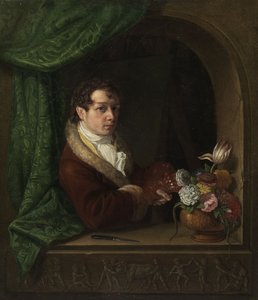
franz ludwig catel
1778 - 1856 , Germany
プロフィール概要
- Artistic Movement Or Style: Neoclassicism
- Artists Or Movements Influenced By This Artist:
- John Varley
- William Hazlitt
- Artists Who Influenced This Artist:
- Charles Willson Peale
- Rembrandt Harmenszoon van Rijn
- Date Of Birth: Feb 22, 1778
- Date Of Death: Oct 3, 1860
- Full Name: Rembrandt Peale
- Nationality: American
- Notable Artworks:
- Court of Death
- George Washington, Patriae Pater
- Rubens Peale with a Geranium
- Place Of Birth: Near present-day Richboro, PA