

 プレビュー
プレビュー
 シェアする
シェアする シェアする
シェアする
 詳細を見る
詳細を見る

 ダウンロード
 似ている作品
 X線調査
X線調査 スライドショー
 統計情報
統計情報The Fatal Crash of Karl Buchstätter


 詳細を見る
詳細を見る
オンラインプレビューをはるかに凌ぐ、高解像度で鮮明なデジタル画像をご購入いただけます。
各ファイルは、社内の専門家が高度なツールと熟練した手作業によるレタッチを用いて、細心の注意を払って準備されています。すべての画像において、卓越した鮮明度、正確な色彩再現性、そして繊細なディテールを保証いたします。
最終ファイルは、プロフェッショナルな編集・印刷環境ですぐにご利用いただけるよう最適化された状態で、72時間以内にメールにてお届けいたします。これは、一流のデザインスタジオ、出版社、ギャラリーから信頼されているものと同等の品質です。
デジタルアート
個人での鑑賞、印刷、クリエイティブなプロジェクト用に、高解像度ファイルをダウンロードできます。 ( プリント版に切り替え 手描きの絵画を購入)
デジタル画像のご注文に付随する特典
高品質なデジタル画像配信を、確かな品質で。
ArtsDot.com を選ぶことは、単に画像を手に入れることではありません。それは、プロの手によって精密に仕上げられ、満足保証が付いた高品質なデジタルアートワークを受け取ることを意味します。ご注文いただいた際に自動的に付随する内容は、以下の通りです:

メールですぐにお届け
ご注文から72時間以内に、高解像度のデジタル画像ファイルがメールでお手元に届きます。すぐにそのままご利用いただけます。

AI技術で最適化されたデジタルファイル
お客様の作品は、高度なAIツールと専門家による手作業の編集を組み合わせてプロフェッショナルに最適化されており、細部のディテール、鮮明さ、そして正確な色再現性を最大限に引き出しています。

一生涯無料の再送サービス
ファイルを誤って削除したり、紛失してしまったりしましたか?ご安心ください。いつでも無料で再送いたします。

輸入手数料は一切かかりません
関税や手数料、配送料を気にすることなく、お気に入りのアートワークをすぐにお楽しみいただけます。デジタルダウンロードは常に免税です。

色彩再現の保証
プロ仕様のツールとカラーマネジメント技術を用いることで、デジタル画像が元の色を最大限に忠実に再現することを保証いたします。

100日間満足保証
ご購入いただいたデジタル画像にご満足いただけない場合は、100日以内であれば、理由を問わず修正または100%の返金対応をさせていただきます。

100% 返金保証
ご満足いただけない場合は、デジタルファイルを受け取ってから100日以内であれば、理由を問わず全額返金いたします。

まとめ買い割引
3枚購入で10%OFF - 5枚購入で15%OFF - 10枚以上購入で20%OFF。クリエイティブなプロジェクト、ギャラリー、エージェンシーに最適です。
A Frozen Moment of Disaster: Franz Radziwill’s “The Fatal Crash of Karl Buchstätter”
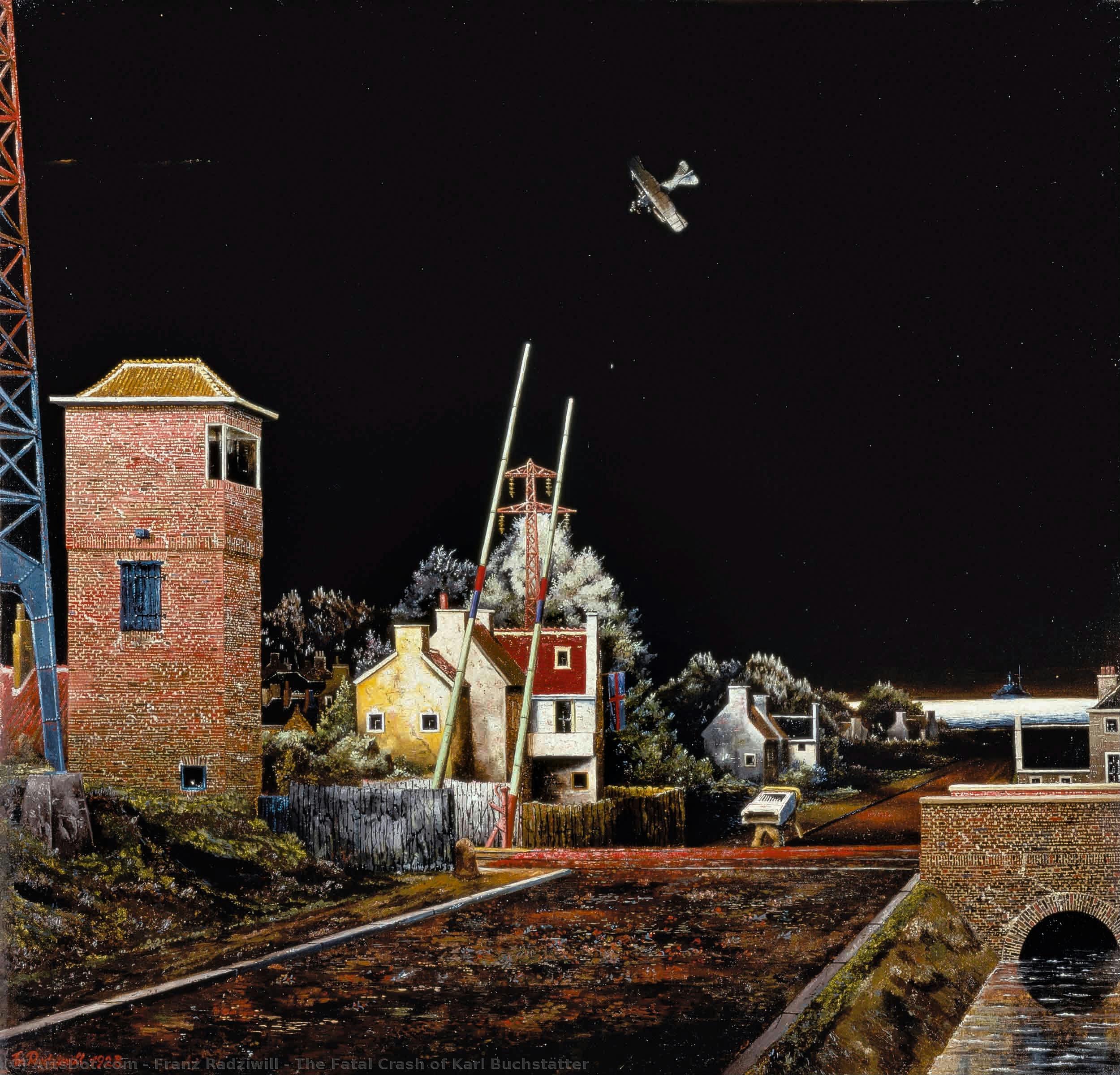
Franz Radziwill's 1928 painting, "The Fatal Crash of Karl Buchstätter," isn’t merely a depiction of an airplane accident; it’s a meticulously crafted tableau of impending doom, steeped in surreal atmosphere and imbued with a haunting sense of foreboding. Born in Strohausen, Germany, in 1895, Radziwill emerged from a background that initially seemed far removed from the world of art – his father was a potter – yet he ultimately forged a distinctive artistic path, aligning himself with the New Objectivity movement and developing a unique style characterized by meticulous detail and a subtle, almost unsettling, magic realism. The painting itself captures a pivotal moment in Radziwill’s career, born from a personal experience: he witnessed the crash of a plane piloted by Karl Buchstätter in 1911, an event that profoundly shaped his artistic vision.
The scene unfolds with startling clarity against a predominantly dark and brooding sky. A biplane, rendered with painstaking detail – its wings catching the light, its fuselage reflecting the muted tones of the landscape – hurtles downwards towards a small, unsuspecting village nestled below. The composition is dominated by this dramatic descent, drawing the viewer’s eye inexorably toward the impending collision. Foreground elements—a sturdy brick structure resembling a level crossing guardhouse—stand as silent sentinels, their barriers pointed defiantly upwards, suggesting a futile attempt to ward off the inevitable. The village itself, composed of tightly packed buildings and railway tracks, appears almost frozen in time, its inhabitants oblivious to the catastrophe about to unfold. Unlike many Surrealist artists who sought to explore the depths of the subconscious through fantastical imagery, Radziwill’s approach is grounded in a carefully constructed realism that subtly transforms the everyday into something profoundly unsettling.
Technique and Materials: A Masterclass in Detail
Radziwill's mastery lies not just in his subject matter but also in his technical execution. The painting is executed primarily in oil on canvas, utilizing a technique he termed “glaze,” building up layers of translucent color to achieve remarkable depth and luminosity. The meticulous rendering of textures—the rough brickwork, the smooth metal of the airplane, the subtle reflections on the water—is astonishing. He employed a careful use of light and shadow, creating an atmosphere that is both realistic and dreamlike. The monochromatic palette – primarily shades of grey, black, and white – amplifies this effect, lending the scene a ghostly quality and emphasizing the drama of the impending crash. The precision with which he captures every detail speaks to his dedication and artistic control, transforming what could have been a simple depiction of an accident into a complex and emotionally resonant work.
Symbolism and Emotional Resonance
Beyond its literal representation of a plane crash, “The Fatal Crash of Karl Buchstätter” is rich in symbolic meaning. The sleeping village represents the vulnerability of human life, the obliviousness to danger that can characterize everyday existence. The pointing barriers of the guardhouse symbolize a futile attempt at protection, highlighting the powerlessness of humanity against forces beyond its control. The biplane itself embodies technological progress—a symbol of speed and modernity—but also foreshadows destruction. Radziwill masterfully juxtaposes these elements to create an atmosphere of anxiety and suspense, prompting viewers to contemplate themes of fate, mortality, and the collision between tradition and innovation. The painting’s emotional impact is profound; it evokes a sense of unease, a feeling that something terrible is about to happen, leaving a lasting impression long after viewing.
Historical Context: New Objectivity and German Art
Radziwill's work emerged during the period known as “New Objectivity” (Neue Sachlichkeit) in Germany—a movement that reacted against the expressive excesses of Expressionism. Artists within this group sought to depict reality with unflinching honesty, often focusing on industrial landscapes, urban scenes, and everyday life. However, Radziwill’s approach transcends mere realism; he infuses his paintings with a subtle surrealism, transforming familiar subjects into unsettling narratives. His association with the Novembergruppe further contextualizes his work, placing it within a broader artistic dialogue about modernity, technology, and the changing face of Germany in the interwar period. The painting stands as a testament to Radziwill’s ability to capture both the beauty and the inherent anxieties of the modern world.
関連作品




作家の略歴
The Wild Heart of the West Coast: Unveiling Gluck’s Vision
Hannah Gluckstein, born in London in 1895, was a figure who defied easy categorization—a British painter deeply rooted in both European artistic traditions and the burgeoning spirit of early twentieth-century modernity. Her life, marked by unconventional relationships and a fiercely independent nature, profoundly shaped her art, creating a distinctive visual language that continues to resonate today. Initially raised within a wealthy Jewish family steeped in entrepreneurial success – her father, Joseph Gluckstein, was a key figure in the vast J. Lyons & Co. empire – Hannah experienced a childhood far removed from the expected social constraints of Victorian England. Her father’s desire for a “Canadian education” for his children led to early exposure to art and a spirit of exploration that would define her life's trajectory. This upbringing, coupled with a complex family dynamic—including a strained relationship with her controlling elder sister—fueled a rebellious streak and a deep-seated need for self-expression, themes that would become recurring motifs in her work.Early Years and Artistic Awakening
Gluck’s artistic journey began formally at the Dame School in Swiss Cottage, followed by studies at St Paul's Girls’ School. However, it was a move to Cornwall in 1913 that proved transformative. Drawn to the rugged beauty of the West Country, she joined the Lamorna artists’ colony, a vibrant community of painters and writers nestled near Penzance. This environment provided her with invaluable experience, exposing her to plein-air painting techniques and fostering connections with fellow artists like Wilhelmina Franck and William Orpen. The colony's emphasis on capturing the essence of the landscape—its light, color, and atmosphere—proved profoundly influential, shaping Gluck’s distinctive style. Crucially, she found a kindred spirit in the sculptor Martel, whom she later married, forming a collaborative studio that further nurtured her artistic development. Her early works began to reflect this new environment, moving away from more formal academic training towards a looser, more expressive approach.A Unique Style: Portraits and Floral Studies
Gluck’s oeuvre is characterized by a remarkable blend of intimacy and observation. She excelled at portraiture, capturing the personalities of her subjects with a keen eye for detail and an ability to convey their inner lives. Her portraits are not merely likenesses; they possess a palpable sense of character, revealing subtle nuances of emotion and expression. Equally compelling are her floral studies—lush arrangements of flowers rendered in vibrant colors and delicate brushstrokes. These works demonstrate a deep appreciation for the beauty of the natural world and a masterful command of color and composition. Notably, Gluck’s style evolved throughout her career, moving from more representational forms to increasingly abstract compositions, reflecting her growing interest in exploring form and color as independent expressive elements.Relationships and Artistic Identity
Gluck's personal life was as unconventional as her art. Her most significant relationship was with Nesta Obermer, a fellow artist and muse who became the subject of several iconic self-portraits—most notably *Medallion*. This work, considered a landmark in lesbian representation in art, powerfully conveyed their deep emotional connection and challenged conventional notions of artistic identity. Gluck deliberately resisted any formal titles or honorifics, adopting the names Peter and Hig, further asserting her independence and rejecting societal expectations. She embraced a nomadic existence, moving between London, Cornwall, and Paris, always seeking new experiences and inspiration. Her refusal to conform to social norms—both in her personal life and her artistic practice—contributed significantly to her unique artistic vision.Legacy and Recognition
Despite facing considerable challenges as a female artist in a male-dominated art world, Gluck achieved significant recognition during her lifetime. Her work was exhibited at the Royal Academy in London and gained attention through publications by influential critics like Bernard Berenson. While early critics often focused on the “feminine” qualities of her art—her intuitiveness and delicacy—Gluck’s unique style and powerful emotional resonance gradually earned her a place among the leading artists of her generation. Today, Gluck is celebrated as a pioneering figure in British modernism, whose bold spirit and unconventional approach continue to inspire artists and viewers alike. Her work stands as a testament to the power of individual expression and the enduring beauty of the West Coast landscape.
franz radziwill
1895 - 1983