

 プレビュー
プレビュー
 プリントを購入
 シェアする
シェアする シェアする
シェアする
 詳細を見る
詳細を見る

 ダウンロード
 似ている作品
 X線調査
X線調査 スライドショー
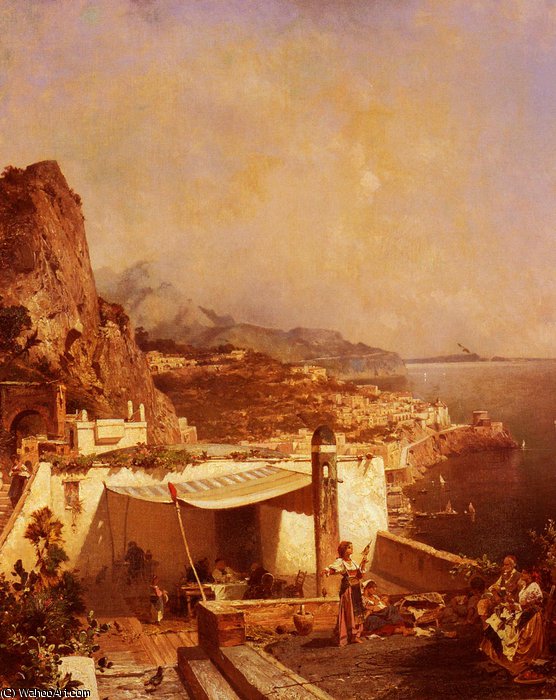
Amalfi-Golfe De Salerne
 詳細を見る
詳細を見る
オンラインプレビューをはるかに凌ぐ、高解像度で鮮明なデジタル画像をご購入いただけます。
各ファイルは、社内の専門家が高度なツールと熟練した手作業によるレタッチを用いて、細心の注意を払って準備されています。すべての画像において、卓越した鮮明度、正確な色彩再現性、そして繊細なディテールを保証いたします。
最終ファイルは、プロフェッショナルな編集・印刷環境ですぐにご利用いただけるよう最適化された状態で、72時間以内にメールにてお届けいたします。これは、一流のデザインスタジオ、出版社、ギャラリーから信頼されているものと同等の品質です。
デジタル画像のご注文に付随する特典
高品質なデジタル画像配信を、確かな品質で。
ArtsDot.com を選ぶことは、単に画像を手に入れることではありません。それは、プロの手によって精密に仕上げられ、満足保証が付いた高品質なデジタルアートワークを受け取ることを意味します。ご注文いただいた際に自動的に付随する内容は、以下の通りです:

メールですぐにお届け
ご注文から72時間以内に、高解像度のデジタル画像ファイルがメールでお手元に届きます。すぐにそのままご利用いただけます。

AI技術で最適化されたデジタルファイル
お客様の作品は、高度なAIツールと専門家による手作業の編集を組み合わせてプロフェッショナルに最適化されており、細部のディテール、鮮明さ、そして正確な色再現性を最大限に引き出しています。

一生涯無料の再送サービス
ファイルを誤って削除したり、紛失してしまったりしましたか?ご安心ください。いつでも無料で再送いたします。

輸入手数料は一切かかりません
関税や手数料、配送料を気にすることなく、お気に入りのアートワークをすぐにお楽しみいただけます。デジタルダウンロードは常に免税です。

色彩再現の保証
プロ仕様のツールとカラーマネジメント技術を用いることで、デジタル画像が元の色を最大限に忠実に再現することを保証いたします。

100日間満足保証
ご購入いただいたデジタル画像にご満足いただけない場合は、100日以内であれば、理由を問わず修正または100%の返金対応をさせていただきます。

100% 返金保証
ご満足いただけない場合は、デジタルファイルを受け取ってから100日以内であれば、理由を問わず全額返金いたします。

まとめ買い割引
3枚購入で10%OFF - 5枚購入で15%OFF - 10枚以上購入で20%OFF。クリエイティブなプロジェクト、ギャラリー、エージェンシーに最適です。
関連作品






作家の略歴
Early Life and Artistic Foundations
Franz Richard Unterberger, born in Innsbruck, Austria, in August 1837, emerged from a family deeply connected to the art world—his father was an art dealer, providing young Franz with early exposure to paintings and the burgeoning artistic sensibilities of the time. This formative environment undoubtedly sparked his initial passion for visual expression. He commenced his formal training in 1853 at the prestigious Munich Academy, laying the groundwork for a career steeped in Romantic tradition. Alongside fellow students Julius Lange and Albert Zimmerman, Unterberger absorbed the principles of academic painting, but it was his subsequent move to Düsseldorf in 1860 that proved pivotal. This academy, favored by Scandinavian painters seeking broader horizons, introduced him to atmospheric landscapes—a theme that would become central to his oeuvre.
A Wanderer’s Palette: From Scandinavia to Italy
The years between 1860 and 1874 were marked by extensive travel. Unterberger wasn't content with studio instruction; he sought inspiration directly from the landscapes of Norway and Denmark, capturing their dramatic light and rugged beauty. These early works reveal a developing talent for rendering atmospheric effects, foreshadowing his later mastery of Italian vistas. He also ventured along the coasts of England and Scotland, further refining his observational skills before settling in Brussels around 1864. However, it was the frequent sojourns to Italy—particularly during summers spent near Paris in Neuilly-sur-Seine—that truly ignited his artistic vision. The sun-drenched scenes of Venice, Naples, and the Amalfi Coast would become synonymous with his name.
The Romantic Aesthetic: Technique and Style
Unterberger firmly established himself as a Romantic painter, characterized by an emphasis on emotion, intuition, and the sublime power of nature. His paintings aren’t merely depictions of places; they are evocations of feeling—a longing for beauty, a sense of awe in the face of grandeur. He possessed a remarkable ability to capture the intimate details of architecture and the nuances of human life within these settings, often achieving a photographic level of precision. His technique centered around oil on canvas, skillfully employed to create luminous effects and atmospheric depth. The concentration he placed upon building facades and the inhabitants’ clothing is striking, lending his works a sense of realism that grounds their romantic idealism.
Recognition and Legacy
Unterberger's talent didn’t go unnoticed. By the 1870s, he was exhibiting in major European cities—Paris, Boston, Munich, Brussels, Berlin, and Vienna—garnering critical acclaim and a growing collector base. He received several medals, including the prestigious Order of Francis Joseph, solidifying his reputation as a leading artist of his time. His paintings are now held in esteemed museums across Europe and America, including the Musée de Louviers in Normandy, the Troyes Museum in Champagne-Ardenne, the Ferdinandeum Museum in Innsbruck, and the National Gallery in Melbourne—testaments to his enduring artistic impact. His later years saw continued exhibitions, notably in Venezuela and London’s International Universal Exhibition during the mid-1880s, with a focus on Venetian and South Italian scenes that further cemented his signature style.
Major Themes and Historical Significance
Unterberger's work offers a fascinating glimpse into 19th-century European artistic tastes. His paintings weren’t simply landscapes; they were destinations—idealized visions of Italy that appealed to a growing middle class eager for travel and cultural enrichment. He captured the essence of these locales, offering viewers an escape from the industrializing world and a connection to timeless beauty. His ability to blend meticulous detail with atmospheric romanticism set him apart, creating works that resonated deeply with his contemporaries and continue to captivate audiences today. Unterberger’s legacy lies in his evocative depictions of Italian life and landscapes, preserving a sense of place and emotion that transcends time.
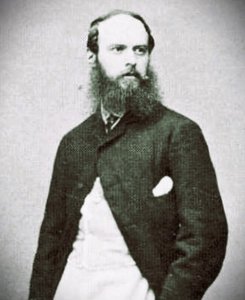
franz richard unterberger
1837 - 1902