

 プレビュー
プレビュー
 プリントを購入
 シェアする
シェアする シェアする
シェアする
 詳細を見る
詳細を見る

 ダウンロード
 似ている作品
 X線調査
X線調査 スライドショー
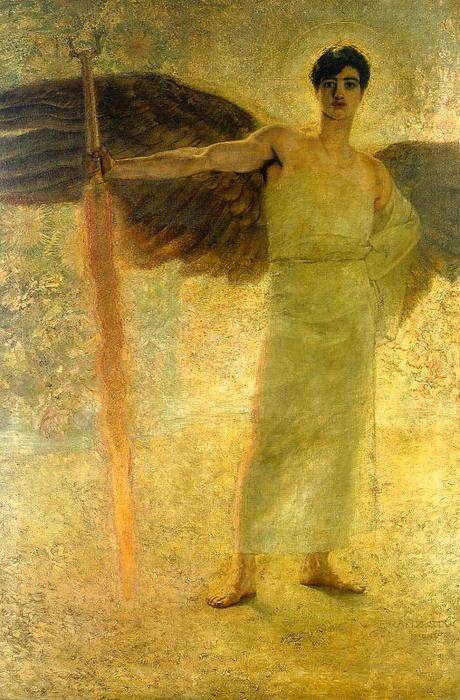
The Guardian of Paradise
 Oil On Canvas
- WallArt
- Symbolism
 1889
1889 250.0 x 167.0 cm
 ヴィラ・シュトゥック美術館
 詳細を見る
詳細を見る




P118B $10

P118H $10

P118W $10

P438Z $10

P508JH $12

P508YH $12

P805H $10

P805Z $10

P919BZ $10

P919G $10

P919XJ $10

P959ZH $10

P968JZ $12

W106C $8

W218G $10

W218JH $8

W218Y $10

W307PJ $10

W316G $10

W316PJ $8

W316Y $10

W398PJ $8

W4111J $10

W500HY $15

W500JH $15

W692G $12

W849H $8

W940BG $15

W953PJ $8




作品のオリジナル比率に合わせた、当店の規定サイズからお選びください。

特定のフレームやスペースに合わせて、ご希望のサイズをご入力いただけます。選択されたサイズが元の画像の比率と異なる場合、アートワークをトリミングするか、手描きで要素を追加して絵画を拡張いたします。デジタルモックアップ を制作し、制作開始前にご確認(承認)をいただきます。
画面上のプレビューは、実際のトリミングや拡張を正確に反映しているものではありません。最終的な構図は、モックアップによってのみ正確にご確認いただけます。
カスタムサイズもご利用いただけますが、元の比率を維持するためには、あらかじめ用意されたリストからサイズを選択することをお勧めいたします。
ご注文後、ArtsDot.com チームより詳細な指示をお送りするとともに、仕上がりイメージ(モックアップ)をご提供いたします。


 ガラスオプションは、110cm未満のサイズでのみご利用いただけます。

The Guardian of Paradise
複製技法
複製画のサイズ
-


合計金額
$ 263
作品解説
Franz Ritter von Stuck: A Vision of Mythic Beauty
Franz Ritter von Stuck (1863-1928), born in Tettenweis, Bavaria, stands as a pivotal figure in the German Symbolist movement—a reaction against realism and naturalism that sought to express profound spiritual truths through evocative imagery and stylized forms. His artistic journey began modestly, influenced by his father’s role as a forester, yet quickly propelled him toward Munich's artistic milieu where he honed his skills at the School of Applied Arts and subsequently the Academy of Fine Arts. Crucially, Stuck found inspiration in Arnold Böcklin’s haunting landscapes—a connection that instilled within him an unwavering dedication to capturing ethereal beauty and conveying symbolic narratives. This formative influence would permeate his entire oeuvre, establishing him as “Prince of Art” during his lifetime and securing his legacy as one of the most significant artists of his era.The Guardian of Paradise: A Symphony of Texture and Light
“The Guardian of Paradise,” completed in 1889, exemplifies Stuck’s signature style—a masterful blend of Symbolism and early Art Nouveau aesthetics. This monumental oil painting depicts a male figure, likely an angel or deity, positioned centrally within a darkened landscape dominated by swirling clouds and stylized foliage. Stuck's technique is characterized by thick impasto application of paint, resulting in a surface texture that is remarkably tactile—a deliberate choice designed to heighten visual impact and imbue the artwork with palpable energy. The artist skillfully employs lines – predominantly organic and flowing – particularly evident in the wings and drapery—to create a sense of movement and otherworldly grace. Shapes are largely curvilinear, mirroring the undulating contours of nature and contributing to the painting’s dreamlike atmosphere.Symbolism Embodied: Mythological Narrative and Spiritual Resonance
The artwork's symbolism transcends mere visual representation; it delves into profound spiritual themes. The angel’s posture—a gesture of contemplation and guardianship—communicates a sense of serenity and divine authority. Furthermore, the sword he holds serves as a potent emblem of righteousness and defense against darkness—reflecting the broader Symbolist preoccupation with confronting existential anxieties and asserting moral values. Stuck's meticulous attention to detail—from the luminous glow emanating from the angel’s form to the subtle interplay of light and shadow—reinforces this symbolic dimension, inviting viewers to contemplate questions of faith, morality, and the eternal quest for beauty.Technique and Material Considerations
Stuck’s masterful execution relies on traditional oil paint techniques combined with innovative textural approaches. The extensive impasto layering creates a dramatic contrast between illuminated areas and shadowed recesses—enhancing depth and dimensionality without resorting to conventional perspective methods. Materials utilized include high-quality linseed oil, pigments derived from natural sources (primarily ultramarine blue and ochre), and canvas stretched tautly on a wooden frame. This meticulous attention to craftsmanship underscores Stuck’s commitment to conveying not only visual splendor but also the emotional resonance inherent in his artistic vision.A Timeless Masterpiece: Emotional Impact and Artistic Legacy
“The Guardian of Paradise” continues to captivate audiences today with its arresting beauty and evocative symbolism—a testament to Stuck's enduring artistic genius. Its melancholic grandeur, combined with its masterful depiction of ethereal light and flowing forms, speaks to the deepest aspirations of the human spirit. As a cornerstone of German Symbolism, it serves as an inspiration for artists seeking to explore themes of mythology, spirituality, and the sublime—solidifying Stuck’s place among the most influential figures in European art history.
アーティストの略歴
生誕と幼少期:森の恵みから芸術への目覚め
フランツ・リッター・フォン・シュトゥックは、1863年にバイエルン地方のテッテンワイスで生まれました。彼の父は森林管理官であり、当初シュトゥックも同じ道を歩むことが期待されていました。しかし幼少の頃から並外れた芸術的才能を示し、その天賦の才が彼の人生を大きく変えることになります。この初期の素質が彼をミュンヘンへと導き、1878年には応用美術学校に入学、その後1882年から1884年まで美術アカデミーで学びました。そこで彼は、神秘的で美しい神話の世界を描いたアーノルト・ベックリンの作品に感銘を受け、その影響は彼の芸術的ビジョンを深く形作ることになります。シュトゥックは単なる芸術家ではありませんでした。彼は19世紀のアカデミックな伝統と、芽生え始めたモダニズムの潮流を結びつける文化現象であり、「芸術の王子」として知られるようになりました。象徴主義マイスターとしての台頭
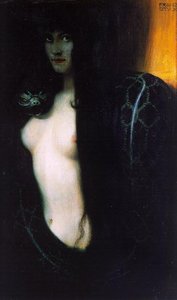
シュトゥックの名声は目覚ましい速さで高まりました。1889年のミュンヘン・ガラスパレスでの展示会で発表された「楽園の守護者」が彼のブレイクスルーとなりました。この作品は単なる技術的な巧みさを示すものではなく、古典的な精密さと神話的テーマ、そして象徴主義的な神秘性を融合させた新しい芸術的声の宣言でした。彼はすぐに既成概念に挑戦する中心人物となり、1892年には同志思想を持つ芸術家たちと共にミュンヘン・セセッションを創設しました。この芸術的反逆は、彫刻への探求と同時進行し、「アスリート」を発表することで多才さを示しました。しかし、「罪」(1893)が真にシュトゥックの象徴主義画家としての名声を確立した作品となりました。その劇的な強さと心理的な深みは観客を魅了し、この時期は官能性、古典的な形式、そして象徴的な共鳴を組み合わせた彼の独特なスタイルの開花を告げました。テーマと影響:欲望と神話の世界
フランツ・フォン・シュトゥックの芸術的宇宙には、時代を超越したテーマへの深い関わりを示す反復するモチーフが満ちています。神話は常にインスピレーションの源であり、ギリシャ、ローマ、そして聖書の物語からインスピレーションを得て、彼独自の解釈で再構築されました。これらは単なるリテリングではなく、古代の物語を通してフィルターされた人間の条件を探求したものでした。同様に顕著なのは、彼の作品に数多く描かれたサロメを体現される官能性とfemme fataleへの魅力でした。これらの絵画は単なる肉体的な美しさについてではありませんでした。それらは女性の力とその潜在的な誘惑と破壊の心理的複雑さを探求しました。その根底には、彼の精密な技術、解剖学的精度、そして構成の厳格さにおいて明らかになった古典芸術への深い敬意がありました。ベックリンに加えて、シュトゥックはプレラファエライトやギュスターヴ・モローからの影響を認めましたが、彼は単なる模倣者ではありませんでした。彼はこれらの影響を独自のものへと統合し、後世の世代の芸術家に大きな影響を与えました。遺産と影響:教師そして騎士
1895年、フランツ・フォン・シュトゥックはミュンヘン・アカデミーで教鞭をとるという重要な役割を担いました。彼は非常に尊敬される指導者となり、技術的なスキルだけでなく、生徒たちがそれぞれの芸術的ビジョンを探求することを奨励しました。彼の指導を受けた人々の中には、パウル・クレー、ハンス・プルルマン、ヨゼフ・アルベルスといった著名な芸術家も含まれており、その影響の広さを示しています。1895年に彼は貴族に叙爵され、「リッター・フォン・シュトゥック」となりました。これは彼の高まる名声とドイツ文化への貢献を証明するものでした。彼はヨーロッパ全土で賞賛を受け続け、時代の主要な芸術家としての地位を確立しました。ミュンヘンの彼が所有していたヴィラ・シュトゥックは、現在博物館となっており、彼の人生と作品に関する貴重な洞察を提供し、19世紀後半から20世紀初頭のドイツ文化の雰囲気を伝えています。彼の遺産は、絵画や彫刻だけでなく、彼が刺激を与えた無数の芸術家たちを通して生き続けています。主要作品と永続的な意義
- 春(1886): 色彩と構成の初期の習熟を示す鮮やかな描写。
- 不協和音(1893): 女性がバイオリンを演奏することで感情的な混乱を表現した、不安感を煽る作品。
- サロメ(様々なバージョン): 彼の最も象徴的な作品の一つであり、印象的な官能性と心理的な深さで聖書の物語を描いています。
- アスリート(1892): 三次元の形式における彼の技術を示す力強い彫刻。
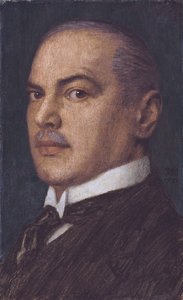
フランツ・フォン・シュトゥック
1863 - 1928 , ドイツ
基本情報
- Artistic Movement Or Style: 象徴主義、アール・ヌーヴォー
- Artists Or Movements Influenced By This Artist: ['パウル・クレー']
- Artists Who Influenced This Artist: ['アルノルト・ベックリン']
- Date Of Birth: 1863年2月23日
- Date Of Death: 1928年8月30日
- Full Name: フランツ・リッター・フォン・シュトゥック
- Nationality: ドイツ人
- Notable Artworks (List Of Titles):
- 楽園の守護者
- サロメ
- 罪
- アスリート
- Place Of Birth (City And Country): ドイツ、テッテンワイス
関連記事
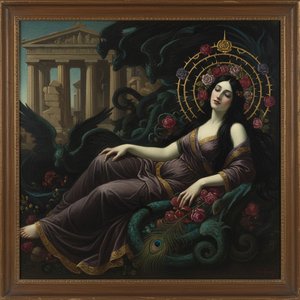
Franz von Stuck: Symbolism, Decadence & the Pursuit of Ideal Beauty
Explore the captivating world of Franz von Stuck, a leading Symbolist painter. Discover his mythological masterpieces, decadent themes, & investment potential. Expert analysis for discerning collectors.
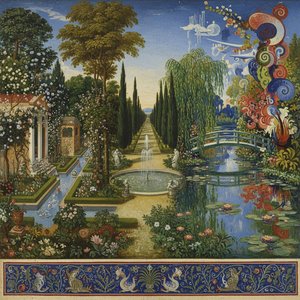
Cultivating Paradise: A Historical & Artistic Exploration of Gardens in Painting
Explore the rich history of gardens in painting! Discover masterpieces from Renaissance to Impressionism & beyond. Learn about symbolism, artists like Monet & Klimt, and find your perfect artwork at ArtsDot.
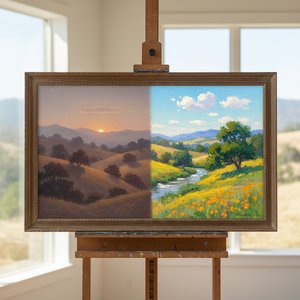
Franz Bischoff: Bridging Tonalism & Impressionism in California Landscape Painting
Explore the captivating art of Franz Bischoff, a pivotal figure bridging Tonalism & California Impressionism. Discover his stunning landscapes, floral works, and lasting legacy with ArtsDot.
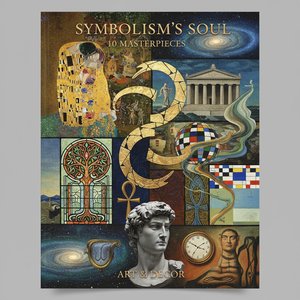
象徴主義を定義する至宝:アート界の深遠なる10選|ArtsDot
象徴主義を代表する10選。ゴーギャン、モーレら至宝の作品が織りなす精神世界と色彩の美。深遠なる芸術体験をArtsDotで。高品質複製とインテリア提案で、あなただけの空間を彩りませんか?今すぐオンラインでコレクションを探索!
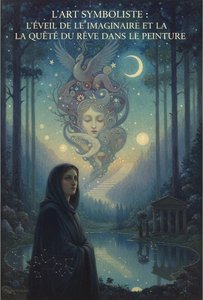
Beyond Reality: Exploring the Mystical Depths of Symbolist Painting (1880-1910)
Explore the captivating world of Symbolist painting (1880-1910). Discover key artists like Moreau & Klimt, decode iconic motifs, and understand its lasting impact on modern art. Expert analysis for collectors.

