

 シェアする
シェアする シェアする
シェアする
 詳細を見る
詳細を見る

 ダウンロード
 似ている作品
 スライドショー
 統計情報
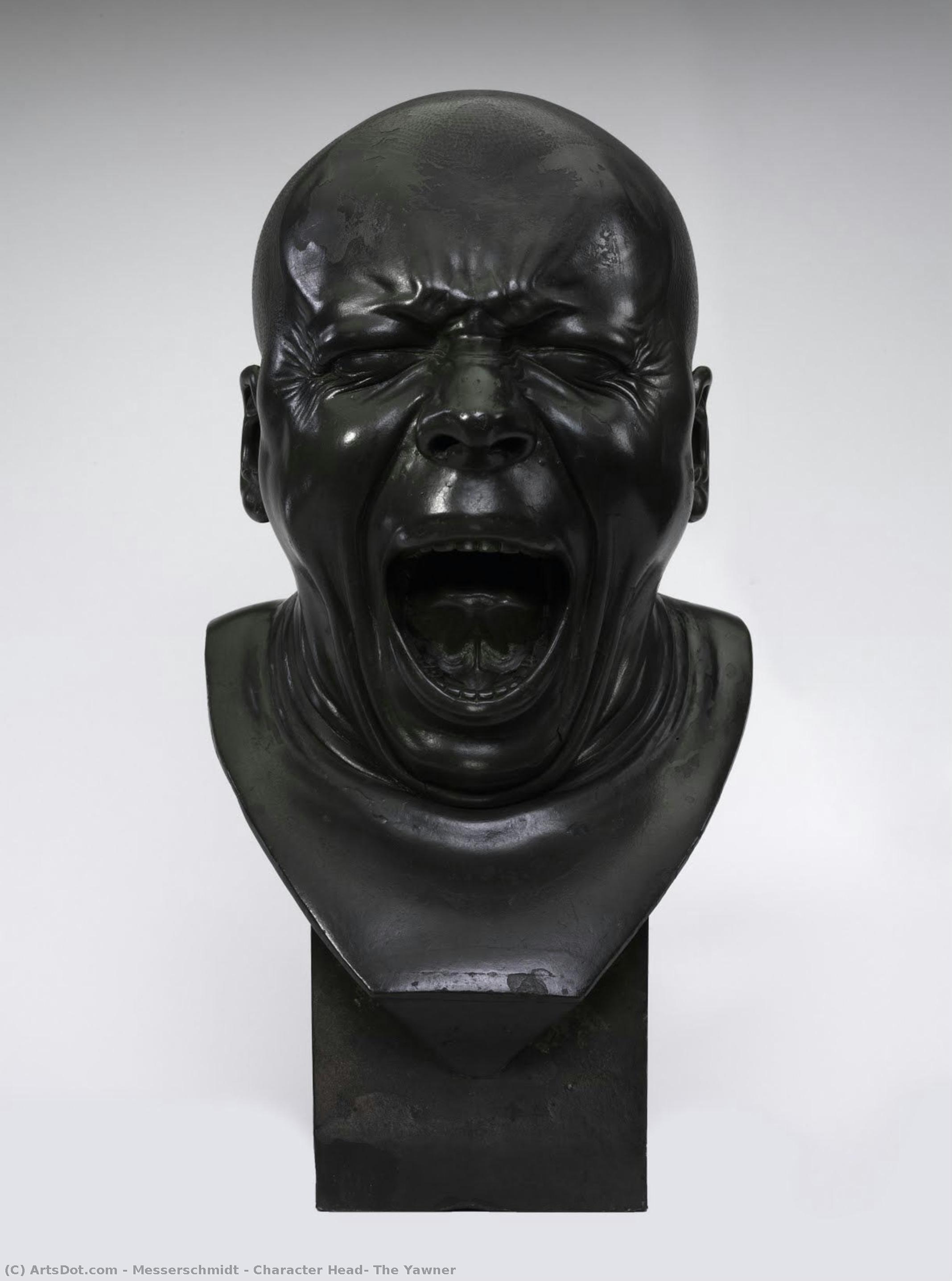
統計情報Character Head: The Yawner
 Bronze
- Sculpture
- Neoclassicism
 1783
1783 42.0 x 21.0 cm
 美術館
美術館
 詳細を見る
詳細を見る
手描き油彩複製画
当社のアーティストが、お客様のご希望のサイズと額縁に合わせて、キャンバスに手描きで制作する油彩画です。 ( プリント版に切り替え デジタル画像販売へ切り替え)




































作品のオリジナル比率に合わせた、当店の規定サイズからお選びください。

特定のフレームやスペースに合わせて、ご希望のサイズをご入力いただけます。選択されたサイズが元の画像の比率と異なる場合、アートワークをトリミングするか、手描きで要素を追加して絵画を拡張いたします。デジタルモックアップ を制作し、制作開始前にご確認(承認)をいただきます。
画面上のプレビューは、実際のトリミングや拡張を正確に反映しているものではありません。最終的な構図は、モックアップによってのみ正確にご確認いただけます。
カスタムサイズもご利用いただけますが、元の比率を維持するためには、あらかじめ用意されたリストからサイズを選択することをお勧めいたします。
ご注文後、ArtsDot.com チームより詳細な指示をお送りするとともに、仕上がりイメージ(モックアップ)をご提供いたします。


 ガラスオプションは、110cm未満のサイズでのみご利用いただけます。

Character Head: The Yawner
複製技法
複製画のサイズ
-


合計金額
$ 263
Franz Xaver Messerschmidt’s “Character Head: The Yawner” – A Portrait of Unyielding Despair
Franz Xaver Messerschmidt's "Character Head: The Yawner," created in 1783, isn’t merely a sculpture; it’s an excavation of the human psyche. Born in Bavaria during a period of shifting artistic sensibilities—bridging the Baroque’s grandeur with the nascent Neoclassicism—Messerschmidt carved out a singular path, driven by a profound fascination with capturing raw emotion through his art. This particular piece, rendered in bronze, stands as one of his most arresting “Character Heads,” a series that cemented his reputation for depicting states of intense psychological distress. It’s a work that demands attention, not just for its technical mastery but for the unsettling honesty it reveals about the depths of human suffering.
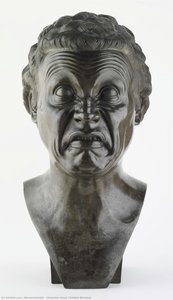
The sculpture depicts a male figure, almost entirely consumed by an open-mouthed scream. The features are exaggerated – the lips stretched wide in agony, the eyes narrowed and filled with a desperate plea—transforming a realistic portrayal into a visceral representation of torment. Messerschmidt’s meticulous attention to anatomical detail is evident in the musculature around the mouth and jaw, suggesting the immense physical strain of such an outpouring of emotion. Yet, it's precisely this combination of realism and dramatic exaggeration that makes the piece so profoundly affecting. The pose itself—rigid yet contorted—conveys a sense of trapped energy, as if the figure is struggling to contain an overwhelming force.
Technique and Material – A Masterclass in Bronze Casting
Messerschmidt’s skill lies not only in his ability to capture emotion but also in his technical proficiency. The sculpture was created using traditional bronze casting techniques, a process demanding considerable expertise and patience. The smooth surface of the bronze suggests careful polishing, highlighting the contours of the face and emphasizing the dramatic lighting. Subtle variations in texture—slightly rougher areas where the metal cooled unevenly—add to the sense of realism and depth. The choice of bronze itself is significant; it’s a material associated with permanence and strength, lending an almost monumental quality to the figure's suffering. The weight of the bronze seems to mirror the weight of the emotion being portrayed.
Furthermore, the scale of the sculpture—measuring 42 x 21 cm—contributes to its impact. It’s a relatively small piece, yet it commands attention due to the intensity of the subject matter. This intimacy forces the viewer to confront the figure's anguish directly, creating a deeply personal and unsettling experience.
Historical Context and the “Character Heads”
Messerschmidt’s "Character Heads" emerged during a period of significant social and intellectual upheaval in Europe. The late 18th century witnessed the rise of Enlightenment ideals challenging traditional notions of morality and religion, while simultaneously experiencing widespread poverty, disease, and political instability. This atmosphere of uncertainty and anxiety undoubtedly influenced Messerschmidt's artistic vision. He wasn’t simply depicting individual suffering; he was exploring the broader psychological landscape of his time.
The series itself is remarkable for its uniformity—all the “Character Heads” are cast in bronze, each representing a distinct emotion: rage, despair, grief, joy, and the infamous "Yawner." This systematic approach suggests that Messerschmidt was attempting to codify human emotions, believing he could capture their essence through sculptural form. His work foreshadowed later developments in Expressionism, demonstrating an early understanding of the power of art to convey subjective experience.
Symbolism and Emotional Resonance – A Window into the Soul
"Character Head: The Yawner" is rich with symbolic meaning. The open mouth, frozen in a perpetual scream, represents not just pain but also helplessness, frustration, and a desperate plea for release. The closed eyes suggest a state of shock or denial, as if the figure is unable to fully comprehend the source of its suffering. Some scholars have interpreted the sculpture as an allegory for the human condition—a reminder of our inherent vulnerability and mortality.
Ultimately, this piece transcends mere representation; it’s an invitation to contemplate the complexities of human emotion. It's a powerful testament to Messerschmidt's ability to translate inner turmoil into tangible form, leaving a lasting impression on the viewer long after they have turned away. Reproductions of “Character Head: The Yawner” offer a compelling opportunity to bring this profound work of art into any space, serving as a poignant reminder of the enduring power of human suffering and resilience.
関連作品
アーティストの略歴
感情に刻まれた生涯:フランツ・クサヴァー・メッシャミットの世界
1736年、バイエルンの村ヴィーゼンシュタイクに生まれたフランツ・クサヴァー・メッシャミットは、彫刻史において類を見ない、時に人を不安にさせるような特異な地位を占めています。彼は単なる時代の産物――華麗な後期バロックと台頭しつつあった新古典主義様式を繋ぐ架け橋――ではありませんでした。むしろ、表現主義が正式に登場する一世紀も前に、その感情的な激しさを予見していたかのような芸術家だったのです。芸術的な前途有望さと、増大していく心理的な混乱の両方に彩られた彼の生涯は、彼が遺した最も不朽のレガシーである「キャラクター・ヘッド(性格的な頭部)」と分かちがたく結びついています。それは、剥き出しの、ほとんど耐え難いほどの強烈な状態で人間の感情を捉えた胸像群です。メッシャミントの初期の修行は家族の伝統に深く根ざしていました。彼はまず、ミュンヘンで活動していた叔父ヨハン・バプティスト・シュトラウブの指導の下で技術を学びました。この基礎形成期において、彼は伝統的な技法を習得し、その後、グラーツにいたもう一人の叔父フィリップ・ヤコブ・シュトラウブへの弟子入りや、後のウィーン美術アカデミーでのヤコブ・シュレターによる指導を通じて、その技術をさらに磨き上げました。初期の作品には、当時の主流であったバロック様式への明らかな習熟が見られ、特にマリア・テレジア皇后への依頼によるブロンズの胸像や浮彫には、バルタザール・フェルディナント・モルといった芸術家が好んだ宮廷的な表現様式が忠実に守られていました。当初の彼は、権力や地位を相応の壮麗さで描き出すことに長けた、まさに「時代に即した」彫刻家だったのです。不安の胎動:「キャラクター・ヘッド」の誕生
しかし、1769年から1770年頃にかけて、メッシャミットの芸術的ビジョンに劇的な変化が起こり始めます。伝統的な肖像画の依頼を引き受け続けながらも、彼は自身の決定的な作品となる「キャラクター・ヘッド」の制作に着手したのです。これらは従来の意味での肖像画ではありませんでした。誰かを称えたり、記念したりすることを目的としたものではなかったのです。代わりにそこに描かれていたのは、極限の感情表現によって歪められた顔――ヒステリーに近い笑い、あらゆる皺に刻み込まれた悲しみ、そして苦悶と絶望の表情でした。この劇的な転換の起源は複雑であり、芸術的な実験と、深まりゆく個人的な葛藤が絡み合っています。当時の記録、特に1781年のメッシャミット訪問後にフリードリヒ・ニコライが記した内容は、人間の感情の全スペクトルを捉えることに執着した芸術家の姿を明らかにしています。ニコライは、メッシャミットの奇妙な手法についてこう述べています。彼は自らの肋骨の下部をつねり、鏡に映るその結果としての顔の歪みを観察し、それを大理石やブロンズで再現しようとしたといいます。この自己実験は、理想化された表現に頼るのではなく、真正な感情状態にアクセスし、描き出そうとする意図的な試みであったことを示唆しています。さらにメッシャミットは、ヘルメス主義の教えから導き出された原理や、黄金比にも似た「普遍的な均衡」の探求に基づき、人間の顔における64の「規範的な表情」をすべて表現しようとしていると信じていました。この野心には、より深い哲学的基盤、すなわち人類の根本的な表現を理解し、体系化したいという欲望が込められていたのです。しかし、こうした知的な追求の傍らで、精神的な不安定さは増していきました。エルンスト・クリスは、これらの実験が1770年代にメッシャミットを苦しめ始めた偏執狂的な妄想や幻覚と結びついていたのではないかという説を唱えています。その結果、彼は1769年から教師を務めていたにもかかわらず、1774年に美術アカデミーを追放されることとなりました。衰退と孤立:最期の年月
ウィーンでの解任後、メッシャミットの人生は下降の一途をたどりました。彼はヴィーゼンシュタイクに戻り、その後ミュンヘンでパトロンを求めましたが、成功することはありませんでした。最終的に彼はプレスブルク(現在のブラチスラヴァ)に定住し、そこで大部分の最期を孤独の中で過ごしながらも、揺るぎない献身をもってキャラクター・模索を続けました。この時期は、ますます強まる奇行と経済的な困窮によって特徴づけられます。1781年のニコライによる訪問記録は、メッシャミットの芸術的プロセスと作品の哲学的基盤を知るための極めて重要な窓となります。ニコライの記述からは、精神状態が悪化していく中でさえ、人間の感情に関する普遍的な真理を解き明かす道を進んでいると確信していた芸術家の姿が浮かび上がります。この最晩年に制作されたキャラクター・ヘッドは、おそらく最も心に突き刺さり、感情に満ちたものであり、彼の芸術的天才性と深い内面の葛藤の両方を反映しています。彼は1783年、プレスブルクにて、美術界からほとんど忘れ去られた状態でその生涯を閉じました。再発見された遺産:メッシャミットの不朽の影響
死後、長きにわたりメッシャミットは比較的無名の存在であり続けました。彼のキャラクター・ヘッドは、当初、真剣な芸術作品というよりも、狂気の産物や単なる珍品として片付けられていました。しかし、20世紀に入り、再評価の動きが始まります。学者や芸術家たちは、これらの不安をかき立てる彫刻の中に埋め込まれた深い心理学的洞察を認め、メッシャミットを表現主義の前駆者であり、人間の精神を探求した初期の先駆者として再定義しました。剥き出しの感情を描き出すこと――人間存在の暗い側面と対峙すること――への彼の意志は、伝統的な芸術規範に挑戦し、単に外部の現実を再現するのではなく、内なる体験を表現しようとした後世の芸術家たちの道を切り拓いたのです。今日、フランツ・クサヴァー・メッシャミットは、自己への深い理解と人間精神の複雑さを求める観衆の心に響き続ける、比類なき先見の明を持った彫刻家として称えられています。彼の遺産は、彫刻の技術的な素晴らしさだけでなく、人々を挑発し、動揺させ、そして最終的には人間の感情の深淵を照らし出すという、不朽の力の中に存在しているのです。主要作品とその意義
- あくび (1775年): この大理石の胸像は、強烈な肉体的・感情的な解放が起こる一瞬の出来事を捉えるメッ模ッシュミットの能力を体現しており、解剖学的な細部と表現力豊かな形態における彼の卓越した技量を示しています。
- キャラクター・ヘッド:子供の泣き顔 (1783年): 深い悲しみを具現化したブロンズ彫刻であり、顔の微細な変化を通じて複雑な感情を伝える芸術家の技術を証明しています。これは彼の後期のマニエリスム様式の痛切な例です。
- エリヤと未亡人の油 (Elijah Increases the Oil of the Widow): この新古典主義の噴水彫刻は、メッシャミットの初期の多才さと、確立された芸術的慣習の中で活動する能力を示しており、キャラクター・ヘッドの急進的な実験とは対照的な姿を見せています。
フランツ・クサヴァー・メッシャースミット
1736 - 1783 , ドイツ
基本情報
- Artistic Movement Or Style: 後期バロック、新古典主義
- Artists Or Movements Influenced By This Artist: ['表現主義']
- Artists Who Influenced This Artist:
- ヨハン・バプティスト・シュトラウブ
- フィリップ・ヤコブ・シュトラウブ
- ヤコブ・シュレッター
- Date Of Birth: 1736年2月6日
- Date Of Death: 1783年
- Full Name: フランツ・クサヴァー・メッサーシュミット
- Nationality: ドイツ・オーストリア
- Notable Artworks:
- あくびをする人
- 子供の泣き顔
- エリヤと未亡人の油
- Place Of Birth: ドイツ、ヴィーゼンシュタイク
関連記事

The Enduring Legacy of Bronze: A Historical & Artistic Exploration for the Collector
Explore the rich history & enduring appeal of bronze sculpture with expert insights for collectors at ArtsDot. Learn about casting techniques, iconic artists, collecting tips & contemporary interpretations.

Bronze Age to Modern Masters: 10 Sculptures That Redefined Art | ArtsDot
Journey through art history with 10 legendary bronze sculptures – from Michelangelo's David to Rodin’s Thinker. Explore the stories, techniques & timeless beauty of these masterpieces. Find museum-quality reproductions & elevate your home decor on ArtsDot.com.
The Enduring Legacy of Bronze: History, Technique & Artistic Expression for the Collector
Explore the rich history & enduring appeal of bronze sculpture with expert insights for collectors at ArtsDot. Learn about casting techniques, iconic artists, and collecting tips.

The Enduring Legacy of Bronze Sculpture: A Collector's Guide to Form & Cultural Significance
Explore the rich history & enduring appeal of bronze sculpture with expert insights for collectors at ArtsDot. Learn about casting techniques, iconic artists, and collecting tips to build a discerning art collection.

Bronze Sculptures That Defined Art History | ArtsDot
Journey through art history with our Top 10 bronze sculptures! Explore masterpieces by Rodin, Michelangelo & more. Discover stories behind iconic statues and find museum-quality reproductions for your home decor at ArtsDot.com.