

 プレビュー
プレビュー
 プリントを購入
 シェアする
シェアする シェアする
シェアする
 詳細を見る
詳細を見る

 ダウンロード
 似ている作品
 X線調査
X線調査 スライドショー
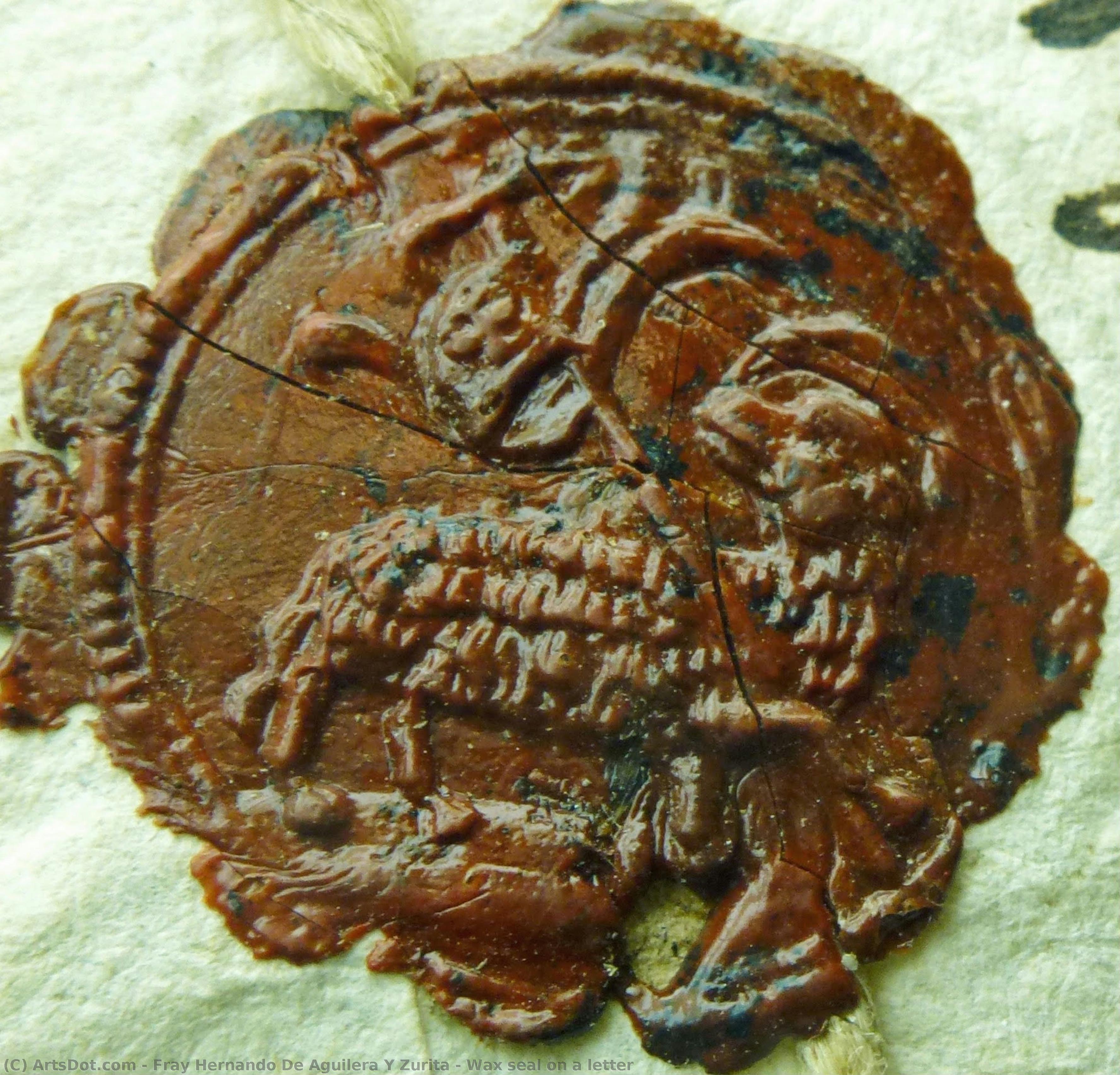
Wax seal on a letter

 詳細を見る
詳細を見る




































作品のオリジナル比率に合わせた、当店の規定サイズからお選びください。

特定のフレームやスペースに合わせて、ご希望のサイズをご入力いただけます。選択されたサイズが元の画像の比率と異なる場合、アートワークをトリミングするか、手描きで要素を追加して絵画を拡張いたします。デジタルモックアップ を制作し、制作開始前にご確認(承認)をいただきます。
画面上のプレビューは、実際のトリミングや拡張を正確に反映しているものではありません。最終的な構図は、モックアップによってのみ正確にご確認いただけます。
カスタムサイズもご利用いただけますが、元の比率を維持するためには、あらかじめ用意されたリストからサイズを選択することをお勧めいたします。
ご注文後、ArtsDot.com チームより詳細な指示をお送りするとともに、仕上がりイメージ(モックアップ)をご提供いたします。


 ガラスオプションは、110cm未満のサイズでのみご利用いただけます。

Wax seal on a letter
複製技法
複製画のサイズ
-


合計金額
$ 263
関連作品










アーティストの略歴
The Sacred Legacy of Hernando de Aguilera y Zurita
In the golden age of Spanish ecclesiastical history, few figures embodied the intersection of spiritual devotion and aesthetic patronage as profoundly as Hernando de Aguilera y Zurita. Born in 1561 into a noble lineage in Seville, his life was a tapestry woven with threads of high-ranking diplomacy and deep religious fervor. While often remembered for his ascent to the prestigious position of Archbishop of Seville in 1609, his true impact resonated through the very visual fabric of the Spanish Baroque. His journey from a privileged youth in Andalusia to a pivotal leader within the Jesuit framework allowed him to shape the artistic landscape of an era defined by the Counter-Reformation, where art served as the primary language of faith.
The formative years of Aguilera were steeped in the rich, stylistic currents flowing through Seville, a city then serving as a global gateway. Under the guidance of prominent Sevillian masters, he absorbed the intricate complexities of Mannerism and the emerging, more emotive qualities of the Early Baroque. This training was not merely technical; it was deeply philosophical. Immersed in Jesuit scholasticism, he learned to view the canvas as a didactic tool—a window through which the illiterate and the learned alike could contemplate the divine. His approach to art was characterized by a meticulous attention to detail and an unwavering commitment to emotional depth, ensuring that every brushstroke or commissioned sculpture served a higher theological purpose.
A Visionary of Patronage and Piety
As Aguilera ascended to the apex of ecclesiastical leadership, his role transitioned from a student of art to one of its most influential architects. His tenure as Archbishop provided him with unparalleled access to the resources necessary to transform the churches of Andalusia into immersive spiritual environments. He understood that to move the soul, one had to engage the senses, and thus he became a prolific patron of the arts. His commissions were not mere decorations but strategic theological statements designed to foster piety and disseminate the teachings of the Church throughout his diocese.
The works emerging from his patronage reflected a masterful blend of innovation and conviction. Through his influence, the following elements became hallmarks of the era's religious art:
- Emotional Resonance: A move away from static figures toward compositions that captured the raw, human experience of divine intervention.
- Stylistic Synthesis: The seamless integration of Mannerist elegance with the dramatic lighting and movement characteristic of the Baroque.
- Didactic Clarity: The use of iconography to tell complex biblical narratives in a way that was accessible and spiritually instructive.
Historical Significance and Enduring Influence
The historical significance of Hernando de Aguilera y Zurita extends far beyond the borders of Seville. His life’s work represents a crucial moment in the history of Jesuit Art, illustrating how religious orders utilized visual culture to expand their influence across Spain and into colonial Latin America. By championing art that was both aesthetically sophisticated and doctrinally sound, he helped establish a visual vocabulary for the Catholic Church that would endure for centuries.
Though his personal biographical details are occasionally obscured by the passage of time, his legacy remains etched in the stone and pigment of the Spanish Baroque. He stands as a testament to the power of art to act as a bridge between the earthly and the divine, leaving behind a heritage where beauty and belief are inextricably linked. His life reminds us that the greatest artists and patrons are often those who see the canvas not just as a surface for paint, but as a sacred space for the eternal.
fray hernando de aguilera y zurita
1561 - 1637 , Spain
基本情報
- Artistic Movement Or Style: Jesuit Art
- Date Of Birth: 1561
- Date Of Death: 1637
- Full Name: Hernando de Aguilera y Zurita
- Nationality: Spanish
- Notable Artworks: ['Wax seal on a letter']
- Place Of Birth: Spain

