

 プレビュー
プレビュー
 プリントを購入
 シェアする
シェアする シェアする
シェアする
 詳細を見る
詳細を見る

 ダウンロード
 似ている作品
 X線調査
X線調査 スライドショー
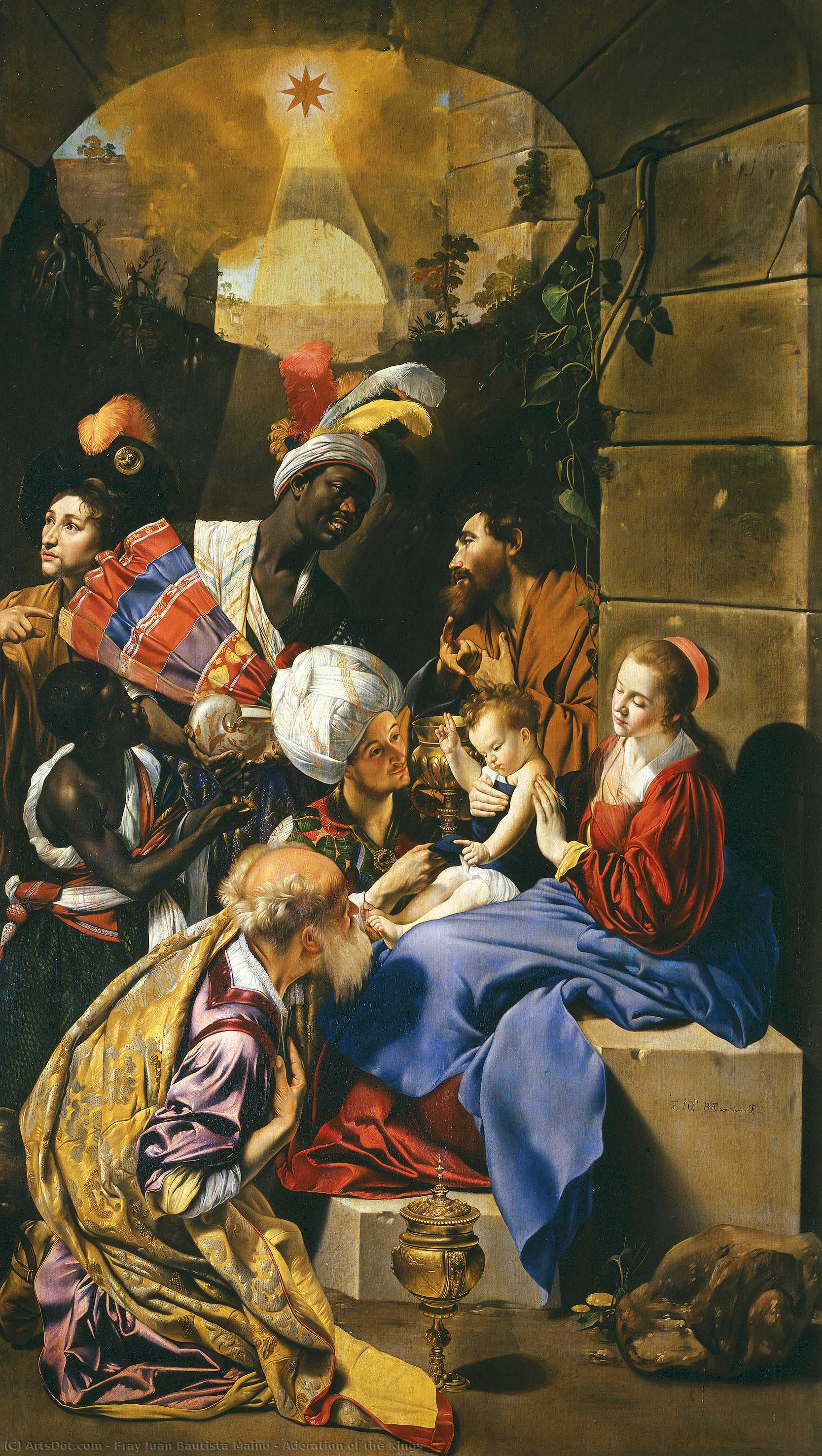
Adoration of the Kings
 Oil On Canvas
- WallArt
- Baroque Renaissance
 1612
1612 315.0 x 174.0 cm
 プラド美術館
 詳細を見る
詳細を見る




P118B $10

P118H $10

P118W $10

P438Z $10

P508JH $12

P508YH $12

P805H $10

P805Z $10

P919BZ $10

P919G $10

P919XJ $10

P959ZH $10

P968JZ $12

W106C $8

W218G $10

W218JH $8

W218Y $10

W307PJ $10

W316G $10

W316PJ $8

W316Y $10

W398PJ $8

W4111J $10

W500HY $15

W500JH $15

W692G $12

W849H $8

W940BG $15

W953PJ $8




作品のオリジナル比率に合わせた、当店の規定サイズからお選びください。

特定のフレームやスペースに合わせて、ご希望のサイズをご入力いただけます。選択されたサイズが元の画像の比率と異なる場合、アートワークをトリミングするか、手描きで要素を追加して絵画を拡張いたします。デジタルモックアップ を制作し、制作開始前にご確認(承認)をいただきます。
画面上のプレビューは、実際のトリミングや拡張を正確に反映しているものではありません。最終的な構図は、モックアップによってのみ正確にご確認いただけます。
カスタムサイズもご利用いただけますが、元の比率を維持するためには、あらかじめ用意されたリストからサイズを選択することをお勧めいたします。
ご注文後、ArtsDot.com チームより詳細な指示をお送りするとともに、仕上がりイメージ(モックアップ)をご提供いたします。


 ガラスオプションは、110cm未満のサイズでのみご利用いただけます。

Adoration of the Kings
複製技法
複製画のサイズ
-


合計金額
$ 263
作品解説
A Winter’s Revelation: Pieter Bruegel's ‘Adoration of the Kings’
Pieter Bruegel the Elder’s “Adoration of the Kings,” painted in 1564, isn’t merely a depiction of a biblical scene; it’s a profound meditation on humanity, faith, and the unsettling realities of the world. This monumental panel, now residing in the National Gallery, London, immediately captivates with its crowded composition – an audacious departure from the idealized serenity often found in religious art of the period. Bruegel eschews the polished elegance of Italian Mannerism, instead presenting a raw, almost chaotic vision of the Magi’s arrival at Bethlehem, imbued with a palpable sense of unease and earthly observation.
The painting unfolds within a stark winter landscape, rendered in muted browns, greys, and blues – a deliberate choice that immediately establishes a mood of austerity and foreboding. The figures themselves are not presented as divine messengers but as deeply flawed individuals, each etched with distinct emotions and anxieties. Caspar, the aged Magi representing Europe, is depicted with a weary expression, his elaborate robes adorned with symbols of wealth and power – a golden trefoil overflowing with coins, mirroring the opulence of the era while hinting at its potential for corruption. Melchior, embodying Asia, displays a similar blend of grandeur and vulnerability, his vessel brimming with fragrant frankincense. Balthazar, representing Africa, stands apart, his attire suggesting a more humble origin, yet his bearing exudes an undeniable authority.
The Anatomy of Observation: Technique and Composition
Bruegel’s mastery lies not in idealized beauty but in his meticulous observation of human nature. He employs a technique characterized by bold brushstrokes, a flattened perspective, and a remarkable ability to capture the nuances of facial expression. The figures are rendered with an almost unsettling realism – their wrinkles, blemishes, and slightly distorted features invite viewers to contemplate their individual stories. The composition itself is deliberately complex, overflowing with details that draw the eye in multiple directions. A dense crowd of onlookers—soldiers, peasants, and bewildered townsfolk—adds layers of social commentary, suggesting a world rife with political tension and religious uncertainty.
Notably, Bruegel’s use of color is restrained yet impactful. The stark contrast between the warm hues of the Magi's garments and the cold tones of the winter landscape creates a dramatic visual effect, emphasizing the figures’ presence against the backdrop of a bleak world. The inclusion of seemingly random details—a donkey eating straw, a soldier sharpening his sword, a woman carrying a basket—further reinforces the painting’s sense of immediacy and realism.
Symbolism and Social Critique
Beyond its religious subject matter, “Adoration of the Kings” is laden with symbolic meaning. The presence of the soldiers, clad in armor and wielding weapons, serves as a potent reminder of the political turmoil gripping the Netherlands at the time – a period marked by conflict between Catholics and Protestants. The depiction of the Magi’s gifts—gold, frankincense, and myrrh—can be interpreted as metaphors for earthly wealth, spiritual devotion, and divine grace, respectively. The inclusion of a child in the scene, bathed in an ethereal light, subtly alludes to the promise of salvation while simultaneously hinting at the fragility of human life.
Furthermore, Bruegel’s deliberate distortion of perspective and his focus on individual faces challenge traditional notions of religious iconography. He doesn't present a heavenly vision but rather a grounded portrayal of human experience—a world where faith and earthly concerns intersect in complex and often contradictory ways. The painting invites viewers to question the nature of belief, the meaning of wealth, and the state of humanity itself.
A Timeless Masterpiece: Reproduction and Legacy
“Adoration of the Kings” remains a profoundly moving and intellectually stimulating work of art. Its enduring appeal lies in its ability to resonate with viewers across centuries, prompting reflection on fundamental questions about faith, morality, and the human condition. High-quality reproductions capture the painting’s remarkable detail and emotional intensity, offering a window into Bruegel's extraordinary vision. Whether displayed as a centerpiece in a grand salon or incorporated into a smaller, more intimate space, this iconic masterpiece continues to captivate and inspire.
関連作品

アーティストの略歴
光と献身の融合:フライ・フアン・バウティスタ・マイノの生涯
スペイン・バロックという壮大で劇的なタペストリーにおいて、フライ・フアン・バウティスタ・マイノが残した糸ほど、複雑に、そして美しく織り込まれたものはありません。1581年、メキシコのグアダラハラに生まれたマイノの生涯と芸術は、イタリアの活気あふれる芸術的潮流と、スペインの厳粛で精神的な強烈さとの距離を繋ぐ、深遠な文化的架け橋となりました。彼の歩みは絶え間ない移動と様式の進化の道のりであり、ヨーロッパ美学の移ろいゆく風景を渡り歩きながら、バロック時代という変革期の力を証明する作品群を創り上げたのです。
マイノの初期の年月は、当時最も影響力のあった芸術運動への、並外れた没入によって彩られています。17世紀の最初の10年間、イタリアへの旅は彼をバロック革命の鼓動が鳴り響く中心地へと導きました。ボローニャやローマの工房において、彼は劇的なキアロスクーロ(明暗法)――光と影の見事な戯れ――を吸収し、それが後に彼の構図の代名詞となります。直接的な師弟関係については諸説ありますが、エル・グレコの天上的で精神化された形態や、カラッチ一族の自然主義的で地に足の着いたリアリズムの残響が、彼の初期の筆致には深く刻み込まれています。彼が真にエル・グレコの弟子であったのか、あるいはグイド・レニに代表されるボローニャの伝統を学んだ徒であったのかに関わらず、マイノはこれらの多様な影響を見事に融合させ、唯一無二の感情豊かな表現言語へと昇華させたのです。
祭壇画とミニチュアにおける卓越した技法
スペインの芸術界において地位を確立するにつれ、マイノの名声は、技術的な精密さと深い神学的奥行きの両方を要求する記念碑的な依頼を通じて高まっていきました。トレドへの到着は彼のキャリアにおける重要な章となり、そこで彼はサン・ペドロ・マルティル教会の装飾という、極めて困難な任務を引き受けます。大規模な構図を支配する彼の能力は、とりわけ東方三博士の礼拝などの作品において鮮明に示されました。これらの壮大な祭壇画は、単なる装飾品ではありませんでした。それは神聖な領域へと通じる演劇的な窓であり、ダイナミックな動きと強烈な感情表現を通じて、信徒の心に畏敬と信心を呼び起こすために設計されていたのです。
しかし、マイノの才能の多才さは、教会の祭壇という壮大なスケールに留まりませんでした。彼は記念碑的な作品から極めて親密な領域へと転換する稀有な能力を備えており、繊細なミニチュア肖像画の世界においても同様の成功を収めました。これらの小規模な作品では、緻密なディテールと繊細な色彩設計により、被写体のより個人的で心理的な探求が可能となりました。大聖堂の壁面を圧倒する力と、小さく私的な額縁の中を操る力――この二面性は、同時代の他の画家には到底及ばない、彼の技術的幅の広さを物語っています。
遺産と歴史的意義
フライ・フアン・バウティスタ・マイノの歴史的な意義は、芸術的な仲介者としての役割にあります。彼は単にイタリアやスペインの様式を模倣したのではなく、イタリア・バロックの情緒的な緊張感と、スペイン黄金時代特有の深遠で、しばしば厳粛な宗教的情熱を融合させることで、それらに新たな命を吹き込んだのです。彼の作品は、ヨーロッパの芸術的潮流がいかにしてイベリア半島において適応され、再解釈されたかを理解するための、不可欠な鍵となっています。
今日、マイノは深い精神的な共鳴を呼ぶ画家として記憶されています。バロック様式の発展における彼の貢献は、光と影という媒体を通じて「目に見えないものを可視化しようとした」芸術時代を定義づける一助となりました。彼の絵画を通じて、私たちは今なお以下の要素を目の当たりにすることができるのです。
- 国際的な様式の融合:イタリアの自然主義とスペインの精神的な強烈さとの、継ぎ目のない統合。
- 技術的な多才さ:大規模な宗教的物語から親密な肖像画に至るまでの、卓越した技量。
- 感情の深み:劇的な構図を用いて、信仰の深遠な神秘を伝える不変の能力。
名高い羊飼いの礼拝などの作品に目を向けるとき、私たちはそこに単なるキャンバス上の絵具を見ているのではありません。国境を越え、様式を渡り歩きながら、人間性と神性の本質そのものを捉えようとした、ある男の遺志を目にしているのです。
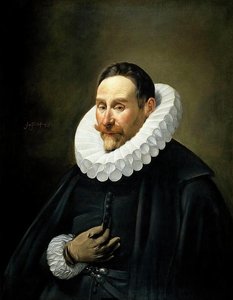
フライ・フアン・バウティスタ・マイノ
1581 - 1649 , メキシコ
基本情報
- Artistic Movement Or Style: バロック
- Artists Or Movements Influenced By This Artist: ['ディエゴ・ベラスケス']
- Artists Who Influenced This Artist:
- エル・グレコ
- カラッチ
- グイド・レニ
- Date Of Birth: 1581年 メキシコ、グアダラハラ
- Date Of Death: 1649年
- Full Name: フアン・バウティスタ・マイノ
- Nationality: スペイン
- Notable Artworks:
- 東方三博士の礼拝
- 羊飼いの礼拝
- Place Of Birth: メキシコ、グアダラハラ
関連記事
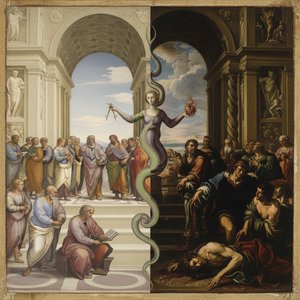
Mannerism: Bridging Renaissance Harmony & Baroque Drama – A Study of Style & Affectation
Explore the fascinating world of Mannerism! Discover its key characteristics, pioneering artists like Pontormo & Bronzino, and its pivotal role in bridging Renaissance harmony to Baroque drama. A comprehensive guide for art enthusiasts.

バロックのドラマ:現代のインテリアに壮麗さと情感を取り込む
バロック様式の歴史、絵画、家具の魅力をご紹介。ArtsDotでは、高品質な油絵複製やカスタムポートレートをご提供し、現代のインテリアに壮麗さと情感を取り入れます。アートコンサルテーションも承ります。

The Dramatic Flourish: Exploring the Baroque Movement's Enduring Legacy in Art History
Explore the dramatic world of Baroque art! Discover iconic artists like Caravaggio & Rubens, defining techniques, and its lasting impact on art history. Expert insights for collectors & enthusiasts at ArtsDot.

バロック美術を極めた至宝:時代を彩る10大名作の世界
バロック美術の華!カラヴァッジョ、ベルニーニら巨匠が創り上げた10大名作を徹底解剖。ドラマチックな色彩と豪華絢爛の世界観に触れ、至宝のアートプリントで空間を彩ろう。ArtsDot.comで美術館品質の複製と洗練されたインテリアを見つけましょう!
The Dramatic Dialogue: Baroque Mannerism & the Synthesis of Emotion, Form, and Artistic Rebellion
Explore the dramatic world of Baroque Mannerism! Discover its history, iconic artists like Rubens & El Greco, and lasting influence on art. Expert insights for collectors & enthusiasts at ArtsDot.

