 プレビュー
プレビュー
 プリントを購入
 シェアする
シェアする シェアする
シェアする
 詳細を見る
詳細を見る

 ダウンロード
 似ている作品
 X線調査
X線調査 スライドショー
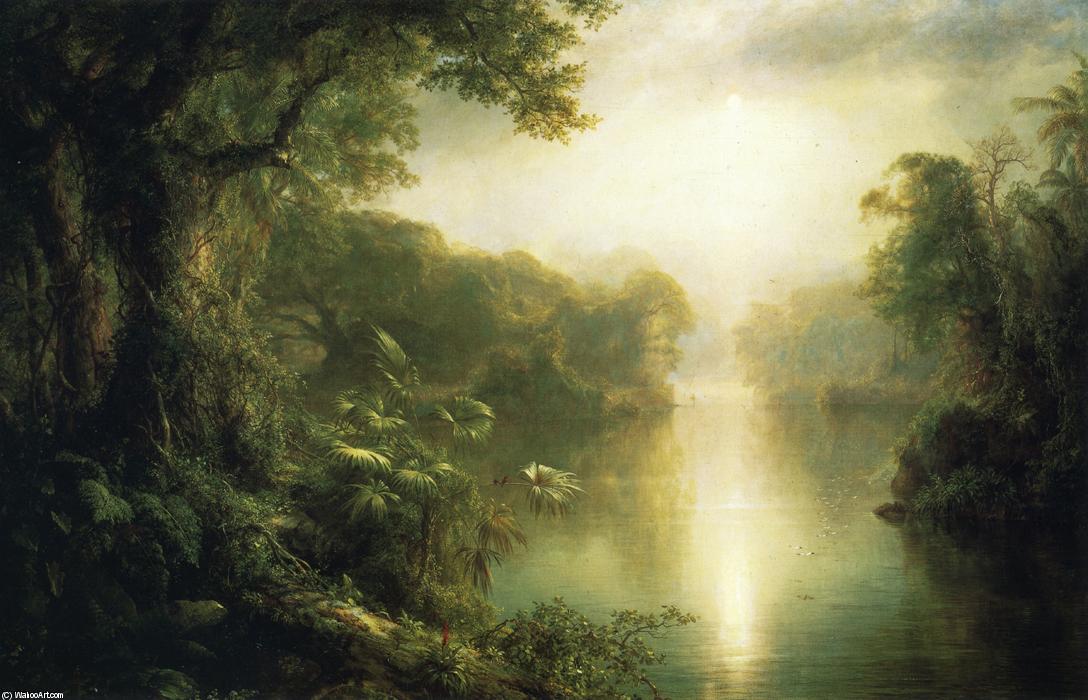
El Rio de Luz (also known as The River of Light)


 詳細を見る
詳細を見る




P118B $10

P118H $10

P118W $10

P438Z $10

P508JH $12

P508YH $12

P805H $10

P805Z $10

P919BZ $10

P919G $10

P919XJ $10

P959ZH $10

P968JZ $12

W106C $8

W218G $10

W218JH $8

W218Y $10

W307PJ $10

W316G $10

W316PJ $8

W316Y $10

W398PJ $8

W4111J $10

W500HY $15

W500JH $15

W692G $12

W849H $8

W940BG $15

W953PJ $8




作品のオリジナル比率に合わせた、当店の規定サイズからお選びください。

特定のフレームやスペースに合わせて、ご希望のサイズをご入力いただけます。選択されたサイズが元の画像の比率と異なる場合、アートワークをトリミングするか、手描きで要素を追加して絵画を拡張いたします。デジタルモックアップ を制作し、制作開始前にご確認(承認)をいただきます。
画面上のプレビューは、実際のトリミングや拡張を正確に反映しているものではありません。最終的な構図は、モックアップによってのみ正確にご確認いただけます。
カスタムサイズもご利用いただけますが、元の比率を維持するためには、あらかじめ用意されたリストからサイズを選択することをお勧めいたします。
ご注文後、ArtsDot.com チームより詳細な指示をお送りするとともに、仕上がりイメージ(モックアップ)をご提供いたします。


 ガラスオプションは、110cm未満のサイズでのみご利用いただけます。

El Rio de Luz (also known as The River of Light)
複製技法
複製画のサイズ
-


合計金額
$ 263
作品解説
The River of Light: A Journey into Frederic Church’s Soul
Frederic Edwin Church's *El Rio de Luz* – often referred to as *The River of Light* – isn’t merely a landscape painting; it’s an immersive experience, a portal into the heart of the Amazon rainforest and, perhaps surprisingly, into the artist’s own deeply felt spirituality. Completed in 1877, this monumental canvas transcends simple representation, becoming a vibrant testament to the interconnectedness of nature, humanity, and the divine – a core tenet of the Hudson River School movement to which Church belonged. The painting's genesis lies in sketches Church meticulously created during his extensive travels through South America decades earlier, a process that allowed him to distill the essence of these exotic locales and translate them onto canvas with breathtaking precision and emotional resonance. It’s a work that demands contemplation, inviting viewers to lose themselves within its luminous depths and ponder the profound beauty and mystery of the natural world.A Symphony of Light and Color
Church's mastery lies not just in his technical skill but in his ability to capture and manipulate light – a signature element of the Hudson River School. *El Rio de Luz* is dominated by an extraordinary, almost ethereal glow that seems to emanate from within the scene itself. The sunlight, fractured and diffused through the dense foliage, creates a dazzling interplay of color: vibrant greens, rich browns, and shimmering golds dance across the canvas, evoking the humid atmosphere and dappled light of the rainforest floor. Notice how Church employs a technique known as “lost-edge blending,” where colors are subtly layered to create an illusion of depth and softness, mimicking the way light filters through leaves and branches. The use of complementary colors – particularly the juxtaposition of blues and oranges – intensifies the visual impact, drawing the eye deeper into the painting’s intricate details. The composition is carefully balanced, guiding the viewer's gaze along the river’s course, punctuated by the subtle presence of two figures, likely enjoying a moment of quiet contemplation amidst this overwhelming beauty.Symbolism and Spiritual Resonance
Beyond its purely aesthetic qualities, *El Rio de Luz* is laden with symbolism, reflecting Church’s evolving spiritual beliefs and his fascination with the natural world as a reflection of God's creation. The painting can be interpreted as an allegory for humanity’s relationship with nature – a reminder of our place within a vast and interconnected ecosystem. The river itself represents the flow of life, while the dense vegetation symbolizes both the abundance and the challenges of the wilderness. Crucially, Church was deeply influenced by the writings of Alexander von Humboldt, whose theories emphasized the unity of science, nature, and spirituality. This influence is evident in the painting’s depiction of a vibrant, teeming ecosystem – a microcosm of the entire planet. The subtle cross formed by the sunlight filtering through the trees has been interpreted as a symbol of Christ's sacrifice and resurrection, adding another layer of meaning to this already complex work.Historical Context and Artistic Legacy
*El Rio de Luz* was created during a period of significant social and political upheaval in America – the aftermath of the Civil War and the rise of industrialization. Many artists, including Church, sought solace and inspiration in nature as a counterpoint to the rapid changes occurring in society. The Hudson River School’s emphasis on romantic landscapes reflected a desire to reconnect with the natural world and celebrate its beauty before it was irrevocably altered by progress. Despite initial mixed reviews – some critics found the painting overly detailed and melodramatic – *El Rio de Luz* eventually gained recognition as one of Church's most important works, solidifying his reputation as a leading figure in American landscape art. Today, it remains a powerful testament to the enduring appeal of nature’s beauty and the transformative power of artistic vision. Reproductions of this iconic painting continue to captivate audiences worldwide, offering a glimpse into a bygone era and reminding us of the profound connection between humanity and the natural world.関連作品

アーティストの略歴
アメリカの風景画を切り開いた先駆者:フレデリック・エドウィン・チャーチの生涯と芸術
1826年5月4日、コネチカット州ハートフォードで生まれたフレデリック・エドウィン・チャーチは、19世紀のアメリカにおける風景画の隆盛期において重要な役割を担った画家です。彼の家系はニューイングランドの歴史に深く根ざしており、ピューリタン開拓者の直系の子孫でした。豊かな家庭環境は、当時の志望者としては稀有な機会を与え、チャーチが芸術探求に専念することを可能にしました。この経済的な安定により、彼は最終的にハドソン・リバー派で最も著名かつ影響力のある画家の一人となる道を歩み始めます。18歳という若さで、ハドソン・リバー派の創始者であるトーマス・コールのもとで最初の訓練を受けました。ニューヨーク州キャッツキルでのこの初期の数年間は、自然への深い敬意と、その壮大さをキャンバスに捉えようとする献身を彼に植え付けました。師事は単なる技術的なものではなく、風景を単なる景色としてではなく、神性の反映であり、国家的アイデンティティの象徴として捉える哲学への没頭でした。巨匠としての台頭:様式と影響
チャーチは同時代の人々から、卓越した写実性とロマン主義的な感性を融合させる能力によってすぐに区別されました。彼の絵画は驚くべき詳細さで特徴付けられており、葉の質感、水面の光の戯れ、そして山の雄大なスケールを息を呑むような正確さで捉えています。しかし、これは単なる写真のような再現ではありませんでした。チャーチは、広大なパノラマビュー、鮮やかな色彩、そして熟練した大気遠近法を用いて作品に劇的な要素を取り入れました。彼はアレクサンダー・フォン・フンボルトの科学的探求から深い影響を受け、自然の相互接続性に関する彼の著作は芸術家に深く共鳴しました。この影響は、チャーチが後の南米への探検で明らかになり、これらの風景の視覚的な美しさだけでなく、その根底にある地質学的および植物学的な複雑さを伝える試みにも表れています。1836年に完成した『オックスボウ』は、観察と想像力のこの統合の良い証であり、彼の様式の特徴となるアメリカの荒野のロマンチックなビジョンです。彼の技術には「隠された」筆致が含まれており、絵画の写実性と輝きを高める滑らかな表面が作られました。未知の世界への冒険:旅行と主要作品
チャーチの野心は、ニューイングランドやニューヨーク州に限定されませんでした。フンボルトの著作に触発され、直接的な経験を求める渇望に駆り立てられ、彼は世界の僻地に大胆な探検に出かけました。1853年と1857年の南米への旅、そして後年の北極圏への旅は、彼に比類のない視覚的素材を提供しました。おそらく彼の最も野心的な試みである『アンデスの中心』(1859年) は、アンデス山脈の生態系全体をカプセル化しようとしました。この絵画は特別に建設されたギャラリーで展示され、天窓から照らされ、鑑賞者のための没入感のある体験を作り出し、チャーチが芸術家であるだけでなく、優れたショーマンとしての評判を確立しました。その後、彼の北極圏への旅行に触発された一連の絵画、『氷山:北極』などは、彼の多様性と挑戦的な主題に取り組む意欲を示しました。これらの作品は単なる僻地の風景の描写ではありませんでした。それらは自然の力と脆弱性に関する声明であり、19世紀半ばに高まりつつある環境意識を反映していました。アメリカ美術への遺産と影響
フレデリック・エドウィン・チャーチがアメリカの風景画に与えた影響は否定できません。彼はジャンルを新たな芸術的達成の高さへと引き上げ、人気を集め、何世代にもわたる芸術家たちに自然界の美しさと壮大さを探求するよう促しました。彼の革新的な展示方法—単一の絵画を劇的な設定で提示すること—は、将来のアートディスプレイのための前例を設定し、より広範な一般の人々がアートへの感謝を深めるのに役立ちました。絵画に加えて、チャーチは熱心な保護活動家でもあり、ナイアガラの滝の保存を提唱し、国立公園の設立に貢献しました。彼は芸術が環境問題に対する意識を高め、行動を促す強力なツールとなり得ることを理解していました。彼の家であるオラナは、ハドソン川を見下ろして彼自身の手で設計・建設されたものであり、彼の芸術的ビジョンと風景との深い繋がりを証明しています。- チャーチの作品はロマン主義と写実主義の間のギャップを埋めました。
- 彼は観客を魅了する没入型の展示技術を開拓しました。
- 彼の保護活動は、現代の環境運動を予見していました。
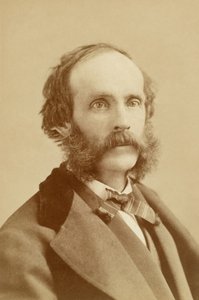
フレデリック・エドウィン・チャーチ
1826 - 1900 , アメリカ合衆国
基本情報
- Artistic Movement Or Style: ハドソン・リバー派
- Artists Or Movements Influenced By This Artist: ['アメリカの風景画']
- Artists Who Influenced This Artist:
- トーマス・コール
- A.フォン・フンボルト
- Date Of Birth: 1826年5月4日
- Date Of Death: 1900年4月7日
- Full Name: フレデリック・エドウィン・チャーチ
- Nationality: アメリカ人
- Notable Artworks (List Of Titles):
- オックスボウ
- マウント・ホライオーク
- アンデスの心臓
- Place Of Birth (City And Country): コネチカット州ハートフォード
関連記事
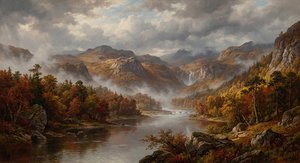
ハドソン・リバー派を彩る至宝:10選が示すアメリカ絵画の黄金時代
ハドソン・リバー派の至宝10選を紐解き、アメリカ絵画の黄金時代へ。壮大な自然描写と巨匠たちの技が織りなす感動の世界を体験してください。トーマス・コールからチャーチまで、ArtsDot.comで高品質なアートプリントとインテリアアイデアを見つけましょう。
The Sublime Landscape: Exploring the Hudson River School Movement
Explore the captivating world of the Hudson River School! Discover the history, artists, and defining characteristics of this iconic American art movement. Learn about Romanticism's influence & find inspiration for your collection.
Robert Spencer: Luminism, Narrative & the American Landscape Tradition
Explore the captivating world of Luminism & the Hudson River School with our expert analysis. Discover the history, artists, and enduring beauty of 19th-century American landscape painting. Find museum-quality reproductions at ArtsDot.
Echoes of Arcadia: Nostalgia & Transformation in Vintage Landscape Art
Explore the evocative world of vintage landscape art! Discover the history, artists & emotional power behind masterpieces from the Hudson River School & beyond. Expert insights for collectors & enthusiasts.
Evoking Nature's Sublime: A Comprehensive Exploration of 19th-Century Landscape Painting
Explore the captivating world of 19th-century landscape painting! Discover renowned artists like Friedrich & Monet, key movements, and find the perfect artwork to bring nature's serenity into your home. Expert insights at ArtsDot.