

 プレビュー
プレビュー
 プリントを購入
 シェアする
シェアする シェアする
シェアする
 詳細を見る
詳細を見る

 ダウンロード
 似ている作品
 X線調査
X線調査 スライドショー
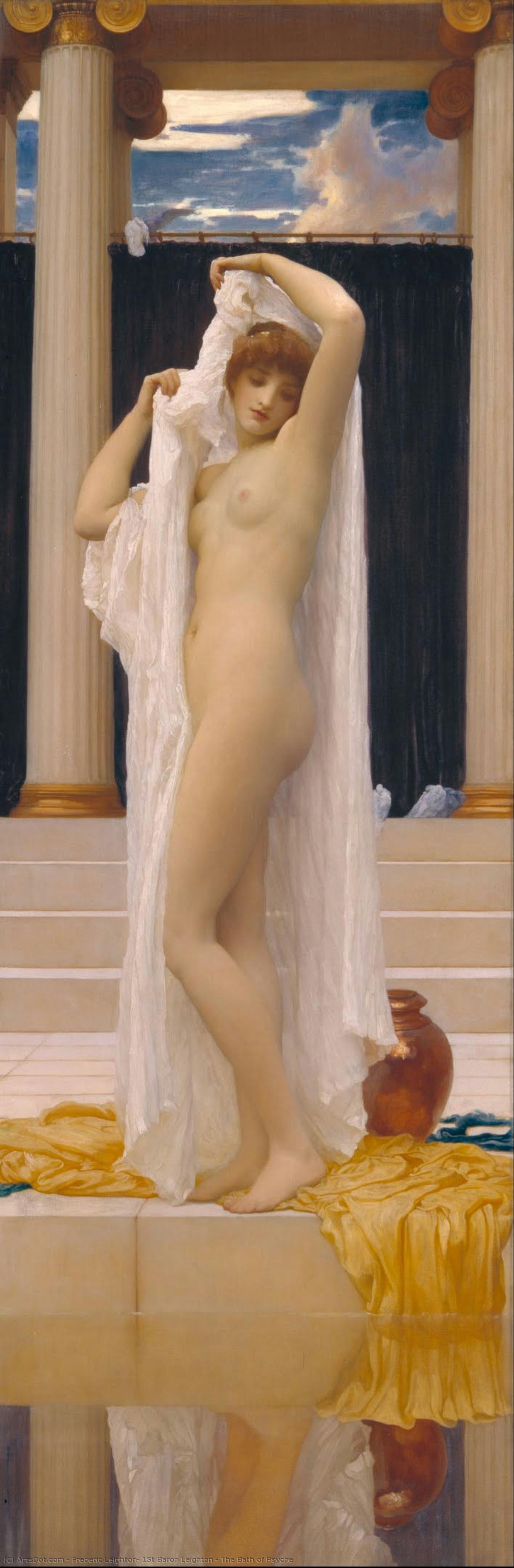
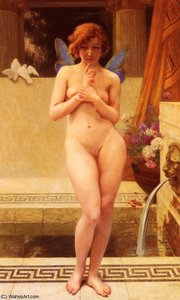
The Bath of Psyche
 Oil On Canvas
- WallArt
- Pre-Raphaelite
 1890
1890 62.0 x 189.0 cm
 テート・ブリテン
 詳細を見る
詳細を見る




P118B $10

P118H $10

P118W $10

P438Z $10

P508JH $12

P508YH $12

P805H $10

P805Z $10

P919BZ $10

P919G $10

P919XJ $10

P959ZH $10

P968JZ $12

W106C $8

W218G $10

W218JH $8

W218Y $10

W307PJ $10

W316G $10

W316PJ $8

W316Y $10

W398PJ $8

W4111J $10

W500HY $15

W500JH $15

W692G $12

W849H $8

W940BG $15

W953PJ $8




作品のオリジナル比率に合わせた、当店の規定サイズからお選びください。

特定のフレームやスペースに合わせて、ご希望のサイズをご入力いただけます。選択されたサイズが元の画像の比率と異なる場合、アートワークをトリミングするか、手描きで要素を追加して絵画を拡張いたします。デジタルモックアップ を制作し、制作開始前にご確認(承認)をいただきます。
画面上のプレビューは、実際のトリミングや拡張を正確に反映しているものではありません。最終的な構図は、モックアップによってのみ正確にご確認いただけます。
カスタムサイズもご利用いただけますが、元の比率を維持するためには、あらかじめ用意されたリストからサイズを選択することをお勧めいたします。
ご注文後、ArtsDot.com チームより詳細な指示をお送りするとともに、仕上がりイメージ(モックアップ)をご提供いたします。


 ガラスオプションは、110cm未満のサイズでのみご利用いただけます。

The Bath of Psyche
複製技法
複製画のサイズ
-


合計金額
$ 263
作品解説
A Vision of Classical Grace: Frederic Leighton’s ‘The Bath of Psyche’
Frederic Leighton's “The Bath of Psyche,” completed in 1890, stands as a testament to the enduring influence of Pre-Raphaelite ideals and Academic art traditions within Victorian Britain. More than just a depiction of a Roman bathhouse scene—a nod to classical mythology referencing the goddess Psyche’s arduous journey to reunite with her beloved Eros—the painting embodies an aspiration for idealized beauty and harmonious composition, reflecting the broader aesthetic concerns of its time. This meticulously crafted oil on canvas captures not merely visual splendor but also profound emotional resonance.Composition & Technique: Mastering Light and Form
Leighton's masterful technique exemplifies Academic art’s commitment to realism achieved through careful observation and painstaking execution. The painting utilizes thin glazes of oil paint layered upon canvas, allowing for subtle gradations of color and luminosity—a hallmark of the era—that imbue the scene with an ethereal quality. Lines are predominantly smooth and flowing, particularly in the drapery of Psyche’s gown, creating a sense of movement that contrasts beautifully with the static grandeur of the architectural setting. Geometric shapes – columns and steps – contribute to the overall stability and formality of the composition, while organic curves dominate the figure's form and fabric folds, emphasizing grace and elegance. The directional lighting—originating from an unseen source above—casts dramatic shadows that sculpt Psyche’s body and highlight the intricate details of the bathhouse architecture.Symbolism & Narrative Depth
Beyond its visual beauty, “The Bath of Psyche” is rich in symbolic meaning. The bath itself represents purification and tranquility – mirroring Psyche's spiritual quest for wholeness after enduring trials to reclaim Eros’s affection. Leighton deliberately avoids overtly mythological references beyond this central narrative, focusing instead on conveying the sublime experience of encountering idealized beauty. The woman’s pose—relaxed yet attentive—suggests contemplation and inner peace, aligning with Victorian ideals of feminine virtue and moral refinement. Color palettes are carefully considered, utilizing muted blues and whites to evoke a sense of serenity and purity, reinforcing the painting's overarching theme of spiritual renewal.Historical Context & Artistic Legacy
Painted during the height of Aestheticism—a movement championing beauty for its own sake—Leighton’s work reflects a reaction against the increasingly materialistic tendencies of Victorian society. He sought to recapture the spirit of Renaissance art, prioritizing artistic merit over mere narrative content. Although “The Bath of Psyche” initially faced criticism from avant-garde circles who deemed it overly conventional, it quickly gained popularity among collectors and admirers captivated by its technical brilliance and emotive power. Today, reproductions of this iconic masterpiece continue to inspire interior designers and art enthusiasts alike—a testament to Leighton’s enduring contribution to the canon of Victorian Art.A Timeless Reflection on Beauty & Tranquility
“The Bath of Psyche” remains a captivating exploration of classical ideals and artistic mastery. Its meticulous detail, harmonious composition, and evocative lighting invite viewers into a realm of serene contemplation—a timeless reminder that beauty can transcend time and circumstance.関連作品
アーティストの略歴
early life and education
frederic leighton, a renowned british painter, draughtsman, and sculptor, was born on december 3, 1830, in scarborough, united kingdom. his family's wealth, courtesy of his grandfather's successful medical practice for russian tsars, provided him with the means to pursue his artistic endeavors. leighton received his early education at university college school, london, followed by artistic training under eduard von steinle and giovanni costa.artistic career
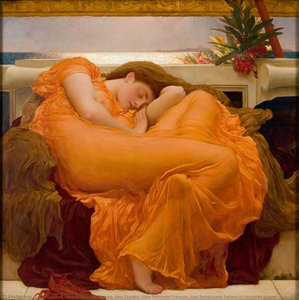
leighton's works, characterized by their academic style, often depicted historical, biblical, and classical subject matter. his paintings were highly popular and expensive during his lifetime, but fell out of favor in the early 20th century. notable works include:- june flaming (1895; museo de arte de ponce), a masterpiece showcasing leighton's skill with vibrant colors.
- after vespers (1871; princeton university art museum), a poignant piece reflecting the artist's ability to capture emotional depth.
- cymon and iphigenia (218 x 390 cm, art gallery of new south wales, sydney, australia), a sculpture that marked the beginning of a renaissance in british sculpture, known as the new sculpture.
achievements and legacy
leighton was elected president of the royal academy in 1878, a position he held until his death. he also designed elizabeth barrett browning's tomb for robert browning in the english cemetery, florence, in 1861. leighton's contributions to british art are undeniable, with his works representing britain at the 1900 paris exhibition. important links:- discover frederic leighton's "the bath of psyche" (tate britain, london, united kingdom)
- explore frederic leighton's artworks on ArtsDot
- read more about frederic leighton on wikipedia
museums and collections
leighton's works can be found in various museums, including the tate britain (london, united kingdom), princeton university art museum (united states), and the art gallery of new south wales (sydney, australia). his legacy continues to inspire artists and art enthusiasts alike. lord frederic leighton, a true master of british victorian art, left an indelible mark on the world of painting and sculpture.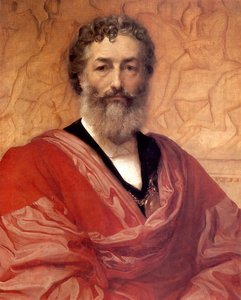
frederic leighton, 1st baron leighton
1830 - 1896 , United Kingdom
基本情報
- Artistic Movement Or Style: Academic Painting
- Artists Or Movements Influenced By This Artist:
- Pre-Raphaelites
- New Sculpture
- Artists Who Influenced This Artist:
- Eduard von Steinle
- Giovanni Costa
- Date Of Birth: December 3, 1830
- Date Of Death: January 25, 1896
- Full Name: Frederic Leighton, 1st Baron Leighton
- Nationality: British
- Notable Artworks:
- June Flaming
- After Vespers
- Cymon and Iphigenia
- Place Of Birth: Scarborough, United Kingdom
関連記事
ダンテ・ガブリエル・ロセッティ傑作25選:美と象徴が織りなす芸術の世界 | ArtsDot
ダンテ・ガブリエル・ロセッティの傑作25選。プレラファエライトの象徴主義、美しい女性画の世界へ。油絵やアートプリントで、リビングや寝室を彩るインテリアアートを見つけましょう。ArtsDot.comで名画コレクションを探索。
Sir Frederic Leighton: Aestheticism, Academic Mastery & Victorian Masculinity
Explore the life & art of Sir Frederic Leighton, a master of Victorian Aestheticism. Discover his academic training, sculptural innovations, and captivating depictions of beauty. Expert insights for collectors.
Edmund Blair Leighton: Victorian Romance & Narrative Painting's Golden Age
Explore the captivating world of Edmund Blair Leighton, Victorian master of romantic narrative painting. Discover his iconic works & Pre-Raphaelite influences at ArtsDot.
Sir John Everett Millais: Pre-Raphaelite Rebellion & Victorian Narrative Detail
Explore the revolutionary art of Sir John Everett Millais & the Pre-Raphaelite Brotherhood. Discover their radical realism, symbolic narratives, and lasting impact on Victorian aesthetics. A deep dive into 19th-century masterpieces.
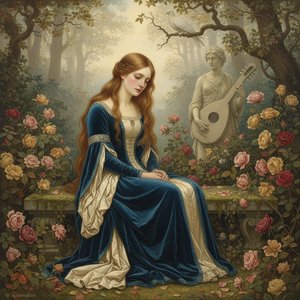
Arthur Hughes: Pre-Raphaelite Visions of Beauty & Melancholy
Explore the captivating world of Arthur Hughes (1832-1915), a leading Pre-Raphaelite painter. Discover his dreamy landscapes, poetic narratives & iconic Victorian artworks. Learn about his life, style & collecting today.

