

 プレビュー
プレビュー
 プリントを購入
 シェアする
シェアする シェアする
シェアする
 詳細を見る
詳細を見る

 ダウンロード
 似ている作品
 X線調査
X線調査 スライドショー
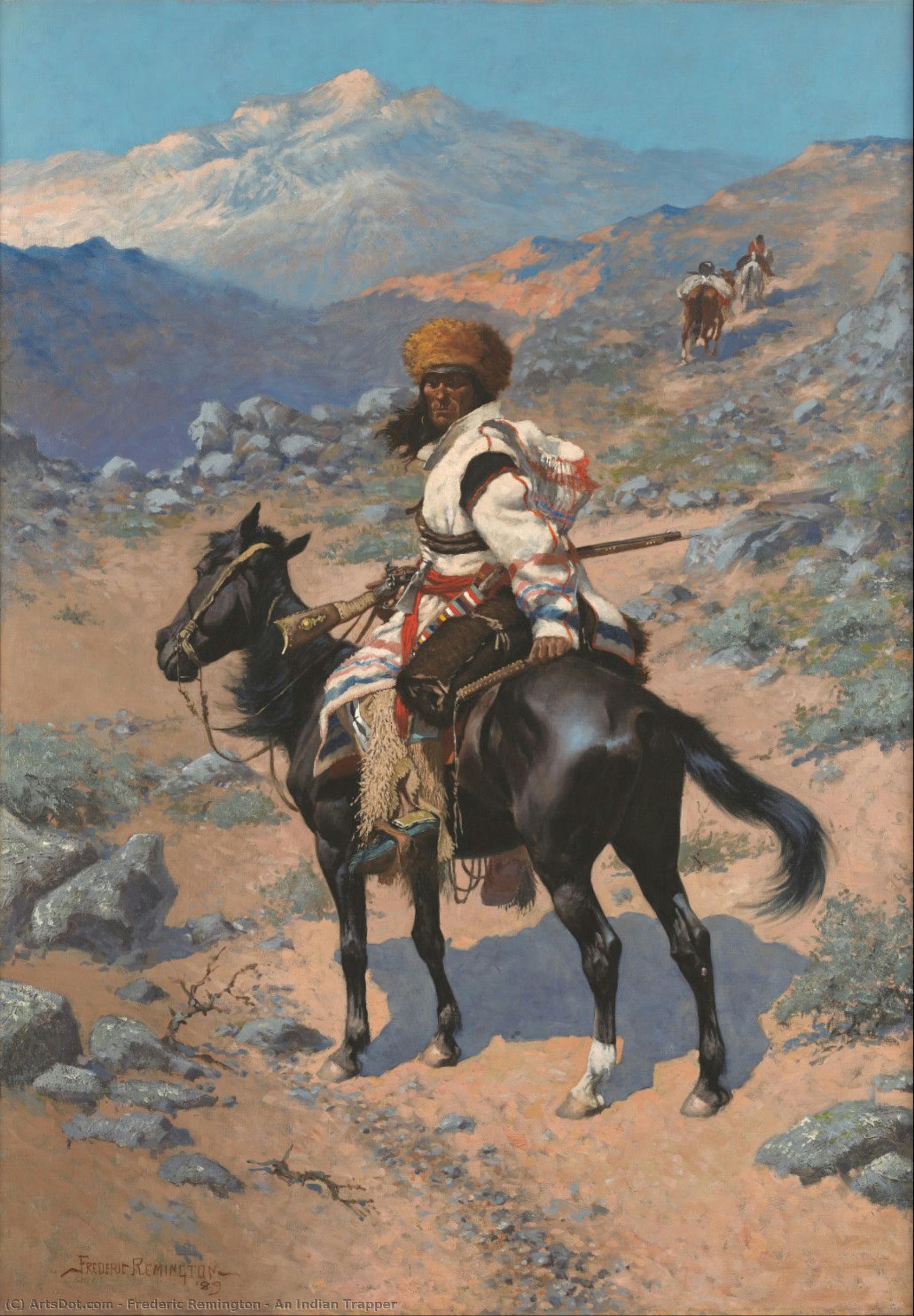
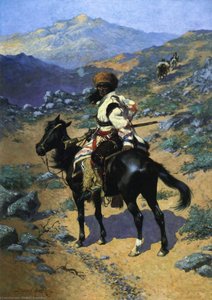
An Indian Trapper
 Oil On Canvas
- WallArt
- American West Art
 1889
1889 124.0 x 86.0 cm
 Amon Carter Museum of American Art
 詳細を見る
詳細を見る
オンラインプレビューをはるかに凌ぐ、高解像度で鮮明なデジタル画像をご購入いただけます。
各ファイルは、社内の専門家が高度なツールと熟練した手作業によるレタッチを用いて、細心の注意を払って準備されています。すべての画像において、卓越した鮮明度、正確な色彩再現性、そして繊細なディテールを保証いたします。
最終ファイルは、プロフェッショナルな編集・印刷環境ですぐにご利用いただけるよう最適化された状態で、72時間以内にメールにてお届けいたします。これは、一流のデザインスタジオ、出版社、ギャラリーから信頼されているものと同等の品質です。
デジタル画像のご注文に付随する特典
高品質なデジタル画像配信を、確かな品質で。
ArtsDot.com を選ぶことは、単に画像を手に入れることではありません。それは、プロの手によって精密に仕上げられ、満足保証が付いた高品質なデジタルアートワークを受け取ることを意味します。ご注文いただいた際に自動的に付随する内容は、以下の通りです:

メールですぐにお届け
ご注文から72時間以内に、高解像度のデジタル画像ファイルがメールでお手元に届きます。すぐにそのままご利用いただけます。

AI技術で最適化されたデジタルファイル
お客様の作品は、高度なAIツールと専門家による手作業の編集を組み合わせてプロフェッショナルに最適化されており、細部のディテール、鮮明さ、そして正確な色再現性を最大限に引き出しています。

一生涯無料の再送サービス
ファイルを誤って削除したり、紛失してしまったりしましたか?ご安心ください。いつでも無料で再送いたします。

輸入手数料は一切かかりません
関税や手数料、配送料を気にすることなく、お気に入りのアートワークをすぐにお楽しみいただけます。デジタルダウンロードは常に免税です。

色彩再現の保証
プロ仕様のツールとカラーマネジメント技術を用いることで、デジタル画像が元の色を最大限に忠実に再現することを保証いたします。

100日間満足保証
ご購入いただいたデジタル画像にご満足いただけない場合は、100日以内であれば、修正または100%の返金(理由を問う必要はありません)をさせていただきます。

100% 返金保証
ご満足いただけない場合は、デジタルファイルを受け取ってから100日以内であれば、理由を問わず全額返金いたします。

まとめ買い割引
3枚購入で10%OFF - 5枚購入で15%OFF - 10枚以上購入で20%OFF。クリエイティブなプロジェクト、ギャラリー、エージェンシーに最適です。
An Indian Trapper: A Chronicle of the American West
Frederic Remington’s “An Indian Trapper,” painted in 1889, isn't merely a depiction of a solitary figure on horseback; it’s a potent distillation of the burgeoning mythology surrounding the American West during a period of profound transformation. This oil-on-canvas masterpiece captures a moment suspended between tradition and encroaching modernity, embodying both the romanticized vision of frontier life and the unsettling reality of displacement for Native American communities.
The scene unfolds within a vast, rugged landscape—a palette dominated by ochre browns, deep blues, and muted greens. The composition is carefully constructed to emphasize the figure’s isolation and connection to his environment. A lone Native American man, clad in traditional buckskin garments and adorned with a distinctive headdress, surveys the horizon from atop a powerful chestnut horse. His posture exudes quiet confidence and an intimate understanding of the land—a stark contrast to the often-portrayed image of the savage or untamed wilderness.
Remington’s Technique: Bridging Realism and Romanticism
Remington, initially trained as a journalist and illustrator for dime novels, possessed a remarkable ability to synthesize observation with artistic license. “An Indian Trapper” exemplifies this approach. While rooted in meticulous detail—notice the texture of the buckskin, the muscular build of the horse, and the subtle nuances of light and shadow—the painting transcends simple realism. Remington employs a slightly heightened palette and dramatic lighting to evoke a sense of grandeur and timelessness, aligning with the conventions of Romanticism.
His brushwork is loose and expressive, particularly in the depiction of the landscape, suggesting movement and vastness. The horse’s powerful stride is rendered with dynamic energy, while the man's stillness conveys a deep connection to his surroundings. Remington masterfully utilizes color to create depth and atmosphere, drawing the viewer into the heart of the scene.
Symbolism and Historical Context
“An Indian Trapper” emerged during a critical juncture in American history—the late 19th century witnessed escalating conflicts between settlers and Native American tribes following westward expansion. Remington’s work, while often celebrated for its romanticized portrayal of the West, is inextricably linked to this complex historical context. The painting can be interpreted as both an endorsement of the frontier spirit and a subtle commentary on the displacement of indigenous populations.
The figure's solitary stance reflects the increasing isolation experienced by Native Americans as their traditional ways of life were disrupted. The headdress, a symbol of leadership and spiritual authority, subtly hints at the cultural heritage being lost in the face of assimilation. Remington’s decision to depict the man on horseback—a mode of transportation increasingly associated with settlers—underscores this shift.
Emotional Resonance: A Legacy of Interpretation
Despite its historical complexities, “An Indian Trapper” continues to resonate deeply with viewers today. The painting evokes a sense of melancholy and contemplation, prompting reflection on themes of identity, displacement, and the enduring relationship between humans and the natural world. It’s a powerful reminder of a vanishing way of life—a poignant testament to the beauty and tragedy inherent in America's westward expansion.
Reproductions of this iconic artwork offer an accessible means of experiencing Remington’s vision, allowing viewers to appreciate the artistry and historical significance of this enduring masterpiece. Its evocative imagery continues to captivate audiences seeking a glimpse into the heart of the American West.
関連作品
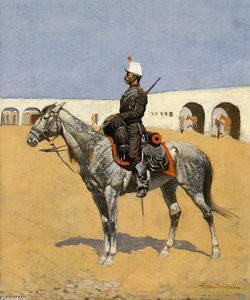
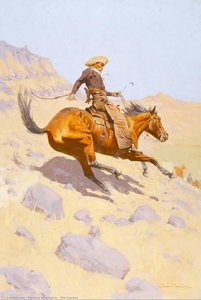
作家の略歴
大西のクロニクル:フレデリック・レミントンの生涯と芸術
フレデリック・サックライダー・レミントンは、1861年10月4日にニューヨーク州カントンで生まれました。彼は、鮮やかに描いた西部開拓時代を体現した人物ではありませんでした。むしろ、熱意と献身的な研究を通して芸術的アイデンティティを築き上げた東部出身者でした。彼の血統は、埃っぽいトレイルや騎兵隊の突撃とはかけ離れた人生を示唆していました。フランス・バスク系の祖先、堅固な共和主義者のニューイングランドのルーツ、南北戦争の退役軍人であり新聞編集者であった父、そして遠い親戚を通じて有名なレミントン銃器王朝とのつながりがありました。しかし、幼少期から軍事的なテーマに触れ、落ち着きのない精神と鋭い物語への目を持っていたことが、彼をアメリカ西部の最も象徴的な芸術家になる道へと導きました。彼の子供時代はイリノイ州ブルーミントンに移り、再びカントンに戻り、最終的にはニューヨーク州オグデンズバーグに定住しましたが、彼の想像力はフロンティアライフの物語に魅了され続けました。当初は軍事教育を受けるように促されましたが、レミントンの真の天職は命令に従うことではなく、芸術を通して周囲の世界を観察し解釈することでした。イェール大学での短い留学もそれを確証しました。フットボールとスケッチは、形式的な学問よりもはるかに魅力的なものでした。イラストレーターから画家へ:芸術的ビジョンの形成
レミントンの芸術的旅程は、壮大なキャンバスではなく、インクと紙から始まりました。*イェール・コーラント*に掲載された彼の最初の作品は、アクションと物語を捉える初期の才能を示していました。1881年のモンタナへの画期的な旅行は、彼の一生涯にわたる西部開拓時代への執着に火をつけました。これは単なる観光客の視線ではありませんでした。レミントンは文化に浸り、カウボーイ、ネイティブアメリカン、そして風景そのものを観察しようと努めました。彼は当初、牧場経営や鉱業に挑戦しましたが、成功しませんでした。これにより、彼は芸術に専念できるようになりました。東に戻った彼はすぐに雑誌*ハーパーズ・ウィークリー*や*コリアーズ*のイラストレーターとして確立し、フロンティアの物語を渇望する国民の聴衆を魅了するダイナミックな西部シーンを描きました。これらのイラストは単なる報道ではありませんでした。彼らはドラマ、エネルギー、そして大衆の想像力に深く響いたロマンチックな西部のビジョンで満たされていました。この仕事を通して、レミントンは構図のスキル、動きの捉え方、感情を伝える能力を磨きました。これらの資質は後に彼の絵画の特徴となるでしょう。彼はイェール大学でのいくつかのデッサンクラスとアート・スチューデンツ・リーグでの短い期間を除いて、正式な訓練をほとんど受けませんでした。代わりに、エネルギッシュな筆致、大胆な色彩、そして現実主義と劇的な表現を組み合わせた独特のスタイルを発展させました。消えゆく世界を描写する:テーマとスタイル
レミントンの芸術は、アメリカ史の特定の瞬間—旧西部の黄昏に不可分に結びついています。彼のキャンバスには、象徴的な人物が溢れています。粗野なカウボーイが家畜を追い立て、毅然としたネイティブアメリカンが追放に直面し、米軍騎兵隊の兵士が英雄的な戦いと悲劇的な紛争の両方に参加しています。彼はフロンティアライフの過酷な現実を描くことをためらいませんでしたが、彼の作品はしばしばロマンチックな描写に傾き、勇気、冒険、そして文化の衝突を強調しました。彼の絵画は単なる歴史的文書ではありません。それらは英雄主義、喪失、そして避けられない進歩のテーマを探求する感動的な物語です。レミントンのスタイルは時間とともに進化し、よりアカデミックなレンダリングから、より自由で表現力豊かな筆致へと移行しました。彼は馬が平原を疾走する様子や、カウボーイが牛と格闘する様子、兵士が戦場に突撃する様子など、動きの捉え方に長けていました。彼はしばしば素早いスケッチや写真を参照資料として使用しましたが、彼の芸術は常に模倣を超越し、彼独自のビジョンと感情的な強さで満たされていました。『マイ・ランチ』、『ムーンライトでの待ち伏せ』、『Ridden Down』(1905年)、そして『The Long-Horn Cattle Sign』(1908年)などの注目すべき作品は、アメリカ西部の壮大さと脆弱性を捉える彼の能力を例証しています。遺産と永続的な影響
フレデリック・レミントンは1909年に48歳という若さで予期せず亡くなり、膨大な数の作品を残しました。彼の作品は今日でも観客を魅了し続けています。彼が西部芸術に与えた影響は否定できません。彼は単に西を描いただけでなく、何世代ものアメリカ人にとってそれを*定義するのに役立ちました*。彼はカウボーイ、インディアン、騎兵隊員の視覚的な言語を確立し、それは大衆文化に深く根付いています。- 彼の作品はN.C.ワイエスやゼーン・グレイなど、数多くの他の芸術家たちに影響を与えました。
- ニューヨーク州オグデンズバーグにあるフレデリック・レミントン美術館は、彼の永続的な遺産を称え、彼の絵画、彫刻、アーカイブ資料の膨大なコレクションを保存しています。
- 彼の作品はメトロポリタン美術館やアモン・カーター美術館など、国内の主要な美術館で展示され続けています。
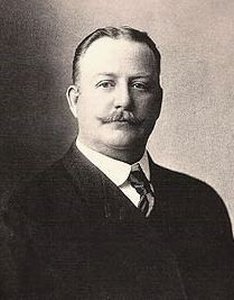
フレデリック・レミントン
1861 - 1909 , アメリカ合衆国
プロフィール概要
- Artistic Movement Or Style: 西部アメリカ美術
- Artists Or Movements Influenced By This Artist:
- N.C.ワイエス
- ゼイン・グレイ
- Date Of Birth: 1861年10月4日
- Date Of Death: 1909年12月26日
- Full Name: フレデリック・サックライダー・レミントン
- Nationality: アメリカ人
- Notable Artworks (List Of Titles):
- My Ranch
- Waiting in the Moonlight
- Ridden Down (1905)
- The Long-Horn Cattle Sign
- Place Of Birth (City And Country): ニューヨーク州キャントン、アメリカ合衆国