

 プレビュー
プレビュー
 プリントを購入
 シェアする
シェアする シェアする
シェアする
 詳細を見る
詳細を見る

 ダウンロード
 似ている作品
 X線調査
X線調査 スライドショー
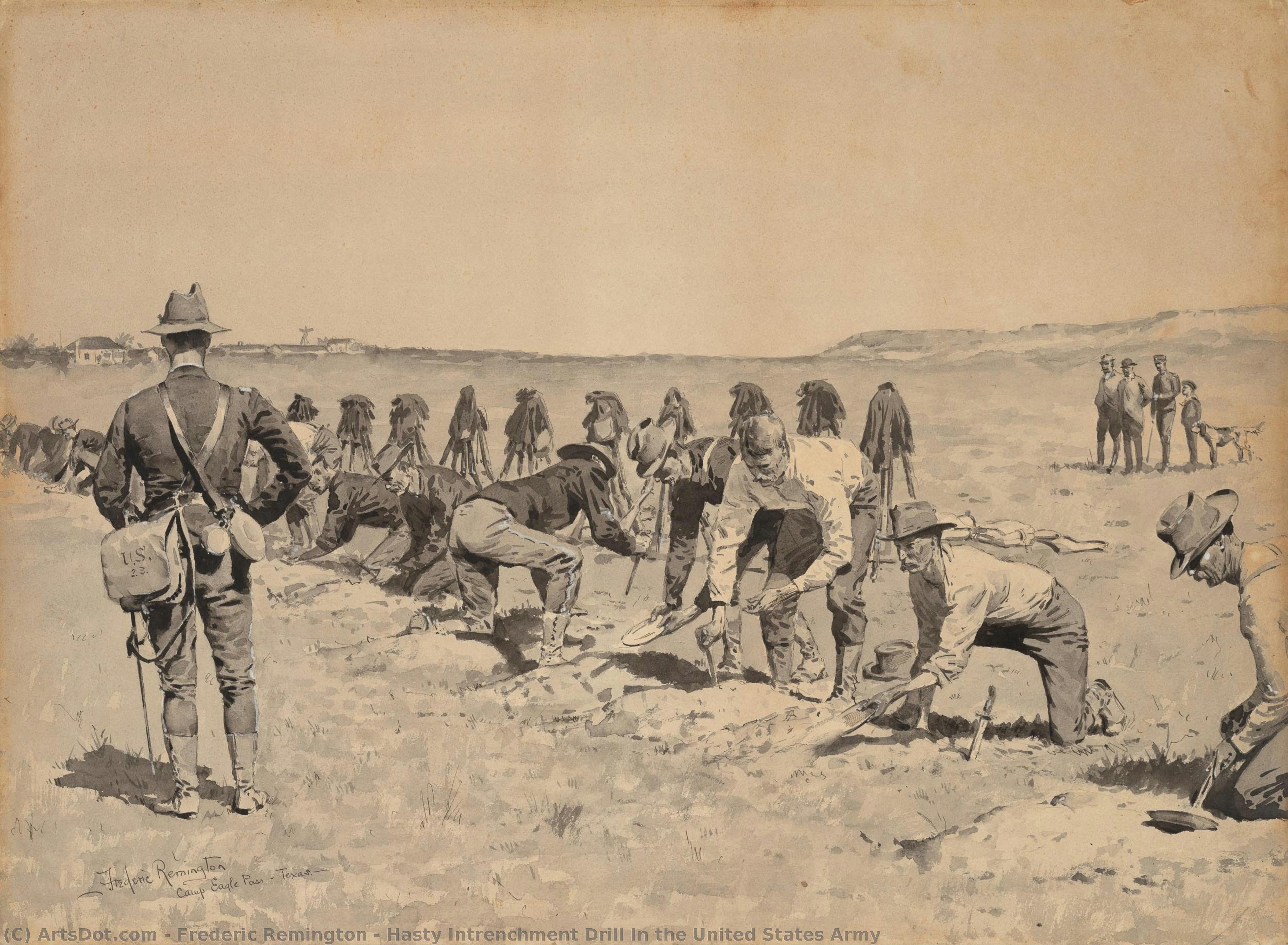
Hasty Intrenchment Drill In the United States Army


 詳細を見る
詳細を見る




P118B $10

P118H $10

P118W $10

P438Z $10

P508JH $12

P508YH $12

P805H $10

P805Z $10

P919BZ $10

P919G $10

P919XJ $10

P959ZH $10

P968JZ $12

W106C $8

W218G $10

W218JH $8

W218Y $10

W307PJ $10

W316G $10

W316PJ $8

W316Y $10

W398PJ $8

W4111J $10

W500HY $15

W500JH $15

W692G $12

W849H $8

W940BG $15

W953PJ $8




作品のオリジナル比率に合わせた、当店の規定サイズからお選びください。

特定のフレームやスペースに合わせて、ご希望のサイズをご入力いただけます。選択されたサイズが元の画像の比率と異なる場合、アートワークをトリミングするか、手描きで要素を追加して絵画を拡張いたします。デジタルモックアップ を制作し、制作開始前にご確認(承認)をいただきます。
画面上のプレビューは、実際のトリミングや拡張を正確に反映しているものではありません。最終的な構図は、モックアップによってのみ正確にご確認いただけます。
カスタムサイズもご利用いただけますが、元の比率を維持するためには、あらかじめ用意されたリストからサイズを選択することをお勧めいたします。
ご注文後、ArtsDot.com チームより詳細な指示をお送りするとともに、仕上がりイメージ(モックアップ)をご提供いたします。


 ガラスオプションは、110cm未満のサイズでのみご利用いただけます。

Hasty Intrenchment Drill In the United States Army
複製技法
複製画のサイズ
-


合計金額
$ 263
Frederic Remington's "Hasty Intrenchment Drill In The United States Army": A Chronicle of the American West
Frederic Remington’s “Hasty Intrenchment Drill In The United States Army,” painted in 1896, is more than just a depiction of soldiers digging trenches; it's a powerful snapshot of a pivotal moment in American history and a testament to Remington’s masterful ability to capture the rugged spirit of the West. This evocative scene, rendered with meticulous realism, transports the viewer directly into the heart of frontier life during the late 19th century – a time of rapid expansion, military engagement, and profound transformation.
The photograph itself showcases the original painting’s composition: a stark black-and-white image dominated by figures engaged in a deliberate, almost ritualistic act. Soldiers, clad in the uniforms of the era, work alongside civilians, united in their task of constructing defensive positions. The central figure, standing upright and directing the operation, embodies leadership and determination, while the others – bending over with shovels, crouching for cover, or gazing intently into the distance – represent the diverse roles within a military unit and the anxieties inherent in frontier warfare.
Artistic Style and Technique
- Realism as Narrative: Remington was a pioneer of American realism, rejecting romanticized depictions of the West in favor of an honest portrayal of its realities. His brushwork is precise and detailed, meticulously capturing the textures of uniforms, the dirt on soldiers’ faces, and the rough terrain. This commitment to accuracy elevates the painting beyond mere illustration; it becomes a historical document.
- Color Palette & Composition: The monochromatic palette intensifies the drama and focus of the scene, emphasizing the stark contrast between light and shadow. Remington's compositional choices – the diagonal lines created by the trenches, the central figure’s placement – draw the viewer’s eye through the painting, creating a sense of dynamic movement and urgency.
- Brushwork & Detail: Remington’s signature technique involved layering thin washes of paint to build up form and texture. This method is particularly evident in the rendering of clothing and equipment, contributing significantly to the painting's palpable realism. The attention to detail – from the individual buttons on uniforms to the worn handles of shovels – speaks volumes about Remington’s dedication to his craft.
Historical Context and Symbolism
Painted in 1896, “Hasty Intrenchment Drill” reflects the ongoing US-Cuban-Spanish-American War. The painting captures a moment of intense preparation for potential conflict, highlighting the military’s role in securing American interests abroad. Beyond its immediate historical context, the work carries broader symbolic weight – representing themes of duty, resilience, and the challenges faced by those who shaped the American West. The scene speaks to the nation's burgeoning military power and its expanding reach across the globe.
Remington’s choice to include civilians alongside soldiers underscores the interconnectedness of society during this period. It suggests that the defense of the nation was a collective endeavor, involving all segments of the population. The act of digging trenches itself symbolizes both defense and construction – preparing for battle while simultaneously building a future.
Emotional Impact and Reproduction Value
"Hasty Intrenchment Drill In The United States Army" possesses an undeniable emotional resonance. It evokes a sense of immediacy, transporting the viewer back to a time of adventure, danger, and national purpose. This painting’s enduring appeal lies in its ability to capture not just a scene but also a spirit – the unwavering determination and courage that defined the American West. ArtsDot offers meticulously crafted hand-painted reproductions of this iconic artwork, allowing you to experience its power and beauty firsthand.
関連作品
アーティストの略歴
大西のクロニクル:フレデリック・レミントンの生涯と芸術
フレデリック・サックライダー・レミントンは、1861年10月4日にニューヨーク州カントンで生まれました。彼は、鮮やかに描いた西部開拓時代を体現した人物ではありませんでした。むしろ、熱意と献身的な研究を通して芸術的アイデンティティを築き上げた東部出身者でした。彼の血統は、埃っぽいトレイルや騎兵隊の突撃とはかけ離れた人生を示唆していました。フランス・バスク系の祖先、堅固な共和主義者のニューイングランドのルーツ、南北戦争の退役軍人であり新聞編集者であった父、そして遠い親戚を通じて有名なレミントン銃器王朝とのつながりがありました。しかし、幼少期から軍事的なテーマに触れ、落ち着きのない精神と鋭い物語への目を持っていたことが、彼をアメリカ西部の最も象徴的な芸術家になる道へと導きました。彼の子供時代はイリノイ州ブルーミントンに移り、再びカントンに戻り、最終的にはニューヨーク州オグデンズバーグに定住しましたが、彼の想像力はフロンティアライフの物語に魅了され続けました。当初は軍事教育を受けるように促されましたが、レミントンの真の天職は命令に従うことではなく、芸術を通して周囲の世界を観察し解釈することでした。イェール大学での短い留学もそれを確証しました。フットボールとスケッチは、形式的な学問よりもはるかに魅力的なものでした。イラストレーターから画家へ:芸術的ビジョンの形成
レミントンの芸術的旅程は、壮大なキャンバスではなく、インクと紙から始まりました。*イェール・コーラント*に掲載された彼の最初の作品は、アクションと物語を捉える初期の才能を示していました。1881年のモンタナへの画期的な旅行は、彼の一生涯にわたる西部開拓時代への執着に火をつけました。これは単なる観光客の視線ではありませんでした。レミントンは文化に浸り、カウボーイ、ネイティブアメリカン、そして風景そのものを観察しようと努めました。彼は当初、牧場経営や鉱業に挑戦しましたが、成功しませんでした。これにより、彼は芸術に専念できるようになりました。東に戻った彼はすぐに雑誌*ハーパーズ・ウィークリー*や*コリアーズ*のイラストレーターとして確立し、フロンティアの物語を渇望する国民の聴衆を魅了するダイナミックな西部シーンを描きました。これらのイラストは単なる報道ではありませんでした。彼らはドラマ、エネルギー、そして大衆の想像力に深く響いたロマンチックな西部のビジョンで満たされていました。この仕事を通して、レミントンは構図のスキル、動きの捉え方、感情を伝える能力を磨きました。これらの資質は後に彼の絵画の特徴となるでしょう。彼はイェール大学でのいくつかのデッサンクラスとアート・スチューデンツ・リーグでの短い期間を除いて、正式な訓練をほとんど受けませんでした。代わりに、エネルギッシュな筆致、大胆な色彩、そして現実主義と劇的な表現を組み合わせた独特のスタイルを発展させました。消えゆく世界を描写する:テーマとスタイル
レミントンの芸術は、アメリカ史の特定の瞬間—旧西部の黄昏に不可分に結びついています。彼のキャンバスには、象徴的な人物が溢れています。粗野なカウボーイが家畜を追い立て、毅然としたネイティブアメリカンが追放に直面し、米軍騎兵隊の兵士が英雄的な戦いと悲劇的な紛争の両方に参加しています。彼はフロンティアライフの過酷な現実を描くことをためらいませんでしたが、彼の作品はしばしばロマンチックな描写に傾き、勇気、冒険、そして文化の衝突を強調しました。彼の絵画は単なる歴史的文書ではありません。それらは英雄主義、喪失、そして避けられない進歩のテーマを探求する感動的な物語です。レミントンのスタイルは時間とともに進化し、よりアカデミックなレンダリングから、より自由で表現力豊かな筆致へと移行しました。彼は馬が平原を疾走する様子や、カウボーイが牛と格闘する様子、兵士が戦場に突撃する様子など、動きの捉え方に長けていました。彼はしばしば素早いスケッチや写真を参照資料として使用しましたが、彼の芸術は常に模倣を超越し、彼独自のビジョンと感情的な強さで満たされていました。『マイ・ランチ』、『ムーンライトでの待ち伏せ』、『Ridden Down』(1905年)、そして『The Long-Horn Cattle Sign』(1908年)などの注目すべき作品は、アメリカ西部の壮大さと脆弱性を捉える彼の能力を例証しています。遺産と永続的な影響
フレデリック・レミントンは1909年に48歳という若さで予期せず亡くなり、膨大な数の作品を残しました。彼の作品は今日でも観客を魅了し続けています。彼が西部芸術に与えた影響は否定できません。彼は単に西を描いただけでなく、何世代ものアメリカ人にとってそれを*定義するのに役立ちました*。彼はカウボーイ、インディアン、騎兵隊員の視覚的な言語を確立し、それは大衆文化に深く根付いています。- 彼の作品はN.C.ワイエスやゼーン・グレイなど、数多くの他の芸術家たちに影響を与えました。
- ニューヨーク州オグデンズバーグにあるフレデリック・レミントン美術館は、彼の永続的な遺産を称え、彼の絵画、彫刻、アーカイブ資料の膨大なコレクションを保存しています。
- 彼の作品はメトロポリタン美術館やアモン・カーター美術館など、国内の主要な美術館で展示され続けています。
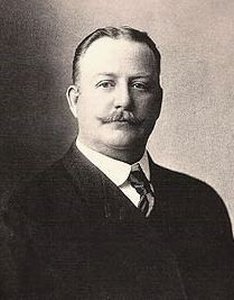
フレデリック・レミントン
1861 - 1909 , アメリカ合衆国
基本情報
- Artistic Movement Or Style: 西部アメリカ美術
- Artists Or Movements Influenced By This Artist:
- N.C.ワイエス
- ゼイン・グレイ
- Date Of Birth: 1861年10月4日
- Date Of Death: 1909年12月26日
- Full Name: フレデリック・サックライダー・レミントン
- Nationality: アメリカ人
- Notable Artworks (List Of Titles):
- My Ranch
- Waiting in the Moonlight
- Ridden Down (1905)
- The Long-Horn Cattle Sign
- Place Of Birth (City And Country): ニューヨーク州キャントン、アメリカ合衆国
関連記事

Benjamin West: Transatlantic Ambition & Shaping American Art
Explore the life & legacy of Benjamin West, pioneering American artist and Royal Academy president. Discover his Neoclassical masterpieces, transatlantic influence, and lasting impact on art history. Learn more at ArtsDot.

Giclée Prints: Archival Quality & Aesthetic Nuances for the Discerning Collector
Explore the world of giclée prints with ArtsDot. Learn about archival quality, aesthetic nuances & investment potential. Expert guidance for discerning art collectors seeking museum-quality reproductions and lasting value.
American Realism's Defining Works: 10 Masterpieces for Your Home
Explore 10 defining American Realism masterpieces – Hopper, Homer & more. Discover the stories behind these iconic paintings and bring timeless art to your home with ArtsDot's museum-quality reproductions. Explore the full collection online.
Alfred Jacob Miller: Chronicling the American West Through Artistic Observation & Narrative
Explore the captivating art of Alfred Jacob Miller, chronicler of the American West. Discover his iconic paintings, techniques & lasting legacy – a valuable addition to any serious collection. Learn more at ArtsDot.

The Enduring Legacy of Fine Art Prints: Technique, History & Aesthetic Impact
Explore the rich history & techniques of fine art prints. Discover investment potential, assess authenticity, and learn how to preserve your collection with expert guidance. Trusted insights for discerning collectors.

