 プレビュー
プレビュー
 シェアする
シェアする シェアする
シェアする
 詳細を見る
詳細を見る

 ダウンロード
 似ている作品
 X線調査
X線調査 スライドショー
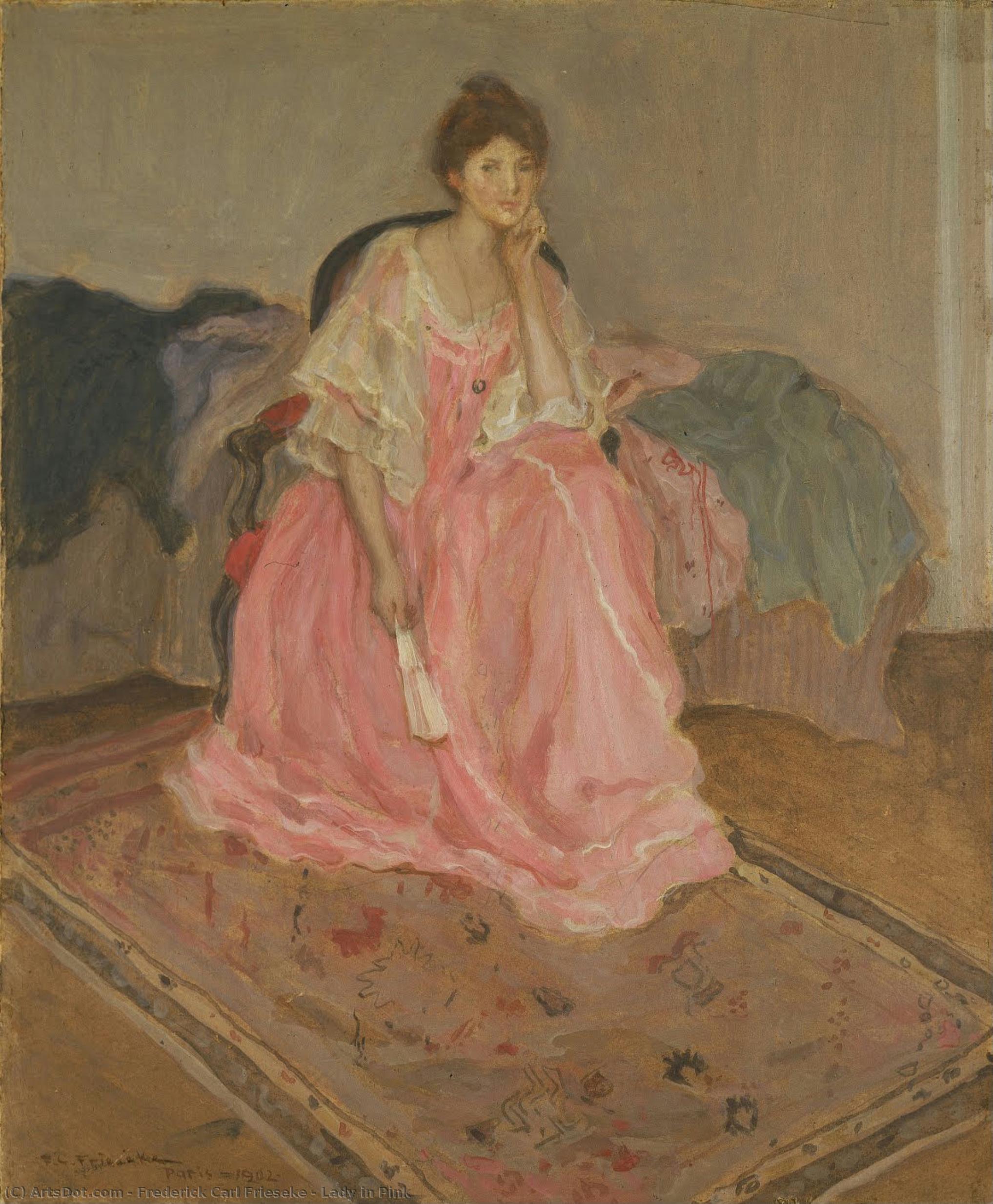
Lady in Pink
 Oil On Canvas
- WallArt
- Impressionist Painting
 1902
1902 380.0 x 463.0 cm
 ウォーカー・アート・ギャラリー
 詳細を見る
詳細を見る
ジークレー/アートプリント
迅速な制作と多彩な仕上げオプションを備えた、ミュージアムクオリティのジークレーまたはキャンバスプリント。 ( 手描きの絵画を購入 画像を購入)




P118B $10

P118H $10

P118W $10

P438Z $10

P508JH $12

P508YH $12

P805H $10

P805Z $10

P919BZ $10

P919G $10

P919XJ $10

P959ZH $10

P968JZ $12

W106C $8

W218G $10

W218JH $8

W218Y $10

W307PJ $10

W316G $10

W316PJ $8

W316Y $10

W398PJ $8

W4111J $10

W500HY $15

W500JH $15

W692G $12

W849H $8

W940BG $15

W953PJ $8




作品のオリジナル比率に合わせた、当店の規定サイズからお選びください。

特定のフレームやスペースに合わせて、ご自身でサイズを指定することも可能です。選択されたサイズが元の画像の比率と一致しない場合、作品をトリミングするか、鏡面反射または単色での塗りつぶしによって画像を拡張いたします。制作を開始する前に、ご確認用のデジタルモックアップをお送りいたします。
画面上のプレビューには、実際のトリミングや拡張は反映されませんのでご注意ください。最終的な構図を正確に確認できるのは、モックアップのみとなります。
カスタムサイズも承っておりますが、元の比率を維持するためには、あらかじめ用意されたリストからサイズを選択することをお勧めいたします。


 ガラスオプションは、110cm未満のサイズでのみご利用いただけます。

Lady in Pink
ジークレー/アートプリント
複製画のサイズ
-


合計金額
$ 62
A Glimpse of Parisian Life – The Story Behind “Lady in Pink”
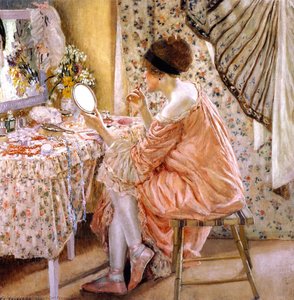
Frederick Carl Frieseke’s “Lady in Pink,” painted in 1902, isn't merely a portrait; it’s a carefully constructed tableau vivant—a snapshot of a fleeting moment captured with the delicate precision and luminous quality that defined his signature style. Born in Owosso, Michigan, Frieseke embarked on an extraordinary journey to Paris, immersing himself in the vibrant artistic currents of the late 19th century. This relocation proved transformative, shifting his focus from the more rigid academic traditions he’d initially embraced towards a freer, Impressionistic approach deeply influenced by Whistler and the burgeoning light-and-air movement.
The painting depicts Maud Kelly, a young woman who frequently posed for Frieseke's friends. She sits poised in an intimate interior setting – a modest bedsit studio in Montparnasse, a district known then as a haven for struggling artists. The room itself is subtly rendered, suggesting a space of quiet contemplation; a simple couch, draped with a patterned throw, and scattered books hint at a life lived amongst creative pursuits. The choice of location speaks volumes about Frieseke’s own circumstances – a testament to his dedication to art amidst modest means.
Technique and Light: A Dance of Watercolor and Oil
Frieseke's masterful technique is immediately apparent in the painting’s ethereal quality. He employed a remarkably thin application of oil paint, often layering translucent washes over a rough cardboard support – a deliberate choice that echoes the techniques of watercolor artists. This creates a remarkable sense of luminosity, as light seems to emanate from within the canvas itself. The use of broken color and subtle gradations mimics the effects of natural light filtering through a window, imbuing the scene with an atmosphere of gentle warmth and intimacy.
- Color Harmony: The dominant palette – soft pinks, whites, and silvery grays – evokes a sense of serenity and understated elegance.
- Brushwork: Frieseke’s brushstrokes are loose and expressive, capturing the fleeting quality of light and shadow with remarkable sensitivity.
- Composition: The careful arrangement of elements—the pose of the sitter, the placement of objects in the room—creates a balanced and harmonious composition that draws the viewer's eye effortlessly.
Symbolism and Emotional Resonance
Beyond its technical brilliance, “Lady in Pink” is rich in symbolic meaning. The pose itself – hands clasped gently together, gaze directed downwards—suggests introspection and a quiet contemplation of the self. The pink hue, often associated with femininity, grace, and innocence, further enhances this impression. It’s not simply a portrait; it's an exploration of mood, atmosphere, and the subtle nuances of human emotion.
Furthermore, the painting reflects Frieseke’s fascination with capturing fleeting moments of beauty in everyday life. He sought to depict the ephemeral qualities of light and color, creating works that resonate with a sense of nostalgia and timelessness. The painting's quiet intimacy invites viewers to step into the scene and share in the sitter's moment of peaceful reflection.
A Legacy of Light: Frieseke’s Enduring Influence
Frederick Carl Frieseke remains one of America’s most beloved Impressionist painters, celebrated for his ability to capture the beauty of light and the essence of human experience. “Lady in Pink” stands as a prime example of his artistic vision—a testament to his technical skill, his sensitivity to color and light, and his profound understanding of the power of art to evoke emotion and transport us to another time and place. Reproductions of this captivating work offer a window into Frieseke’s world, allowing viewers to appreciate the delicate beauty and quiet grace that defined his extraordinary career.
関連作品
アーティストの略歴
幼少期とパリへの憧憬
1874年4月7日、ミシガン州オウソーの小さな町で生まれたフレデリック・カール・フリーズィケは、アメリカ印象派を代表する画家の一人として知られるようになりました。彼の幼少時代は、母親の死後、芸術的な才能に目覚めた叔母の影響を受け、光と形に対する鋭い感受性を育みました。当初は家族経営のレンガ製造業に関わっていましたが、1893年のコロンビア万国博覧会を訪れたことが彼の人生を変えるきっかけとなりました。そこで見た芸術作品群がフリーズィケに強い印象を与え、シカゴ美術館での正式な訓練を受けることを決意させました。そして、決定的な転機は1898年にパリに移住したことです。フランスの芸術の中心地で彼は自身の才能を開花させ、独自のスタイルを確立していくことになります。ジヴェルニーと「装飾印象派」の誕生
パリはフリーズィケにとって単なる学習の場ではなく、彼の創造性を刺激する聖域となりました。初期にはジェームズ・アボット・マクニール・ホイストラーの影響を受け、その調和のとれた色彩に魅了されました。しかし、クロード・モネが住むジヴェルニーへの移住が、フリーズィケの芸術的才能を真に開花させました。1906年、モネの隣に家を借りた彼は、印象派の本質に浸り込み、活気に満ちた芸術コミュニティの一員となりました。この環境の中で、「装飾印象派」と呼ばれる独自のスタイルが誕生しました。他の印象派画家とは異なり、フリーズィケの作品は洗練された優雅さを特徴としています。光に照らされた庭園や、そこに佇む女性たちの姿は、繊細な色彩と柔らかな筆致で描かれ、穏やかで親密な雰囲気を醸し出しています。彼は単なる瞬間を捉えるのではなく、美しさの静寂と安らぎを感じさせる情景を描き出しました。ピエール=オーギュスト・ルノワールの官能的なフォルムや、ポール・ゴーギャン、ピエール・ボナールの大胆な色彩も彼の作品に影響を与えました。光と女性をテーマにした探求
フリーズィケの芸術的関心は一貫して、光の効果と女性の描写という二つの主要なテーマを中心に展開されました。彼は太陽光が日常の風景をどのように変えるのかに魅了され、その変化を巧みに絵画に取り入れました。庭園や室内で描かれた彼の女性たちは、単なる肖像画ではなく、優雅さ、官能性、そして静かな思索を体現する存在として表現されています。1901年に制作された『エレーヌ』は、印象派の美しさと親密なディテールが融合した傑作です。同様に、『ジヴェルニーの庭園』のような作品は、印象派の技法とポスト印象派の色感覚が見事に調和していることを示しています。フリーズィケの技法は、繊細な筆致を重ねることで光のきらめきを生み出し、肌や葉の上に陽光が踊っているような感覚を呼び起こします。彼は幾何学的な要素—パラソルや模様のある布地—を取り入れることで、作品にコントラストを与え、視覚的な調和を高めています。彼の献身的な姿勢は評価され、『ガラスの前の女性』(1904年)がフランス政府によって購入され、リュクサンブール美術館に展示されることになりました。栄誉と遺産:アメリカ美術への永続的な影響
フリーズィケはキャリアを通じて数々の賞を受賞しました。1904年のセントルイス万国博覧会での銀メダル、1913年のペンシルベニア芸術アカデミーからのテンプル金メダル、そして1915年のパナマ太平洋国際博覧会でのグランプリなどです。彼の『破れたランジェリー』(1920年)は特に高い評価を受け、シカゴ美術館で金メダルと人気賞を受賞しました。成功にもかかわらず、フリーズィケはフランスでの生活を続け、そこで得られる芸術的な自由を大切にしました。1939年8月24日に彼は亡くなりましたが、その遺産は今日でも多くの人々を魅了し続けています。アメリカ印象派への貢献は、彼の卓越した技術だけでなく、永続的な美しさと静けさを創造する能力によっても評価されています。フリーズィケの作品は、私たちを光に満ちた理想郷へと誘い、優雅さと安らぎの世界を提供してくれます。代表作
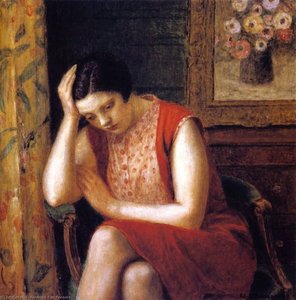
- 少女の肖像(思慮深いモデルとしても知られる):写実性と美しさが見事に融合し、静かな思索を描いた作品です。
- エレーヌ:1901年に制作された印象派の美しさと親密なディテールが融合した傑作。
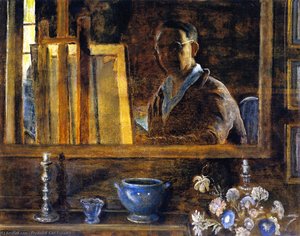
- 自画像:画家の内省的な姿を自身のスタジオの中で捉え、卓越した技術を示しています。
- ジヴェルニーの庭園:彼の印象派とポスト印象派のスタイルが見事に調和した代表作です。
- 庭の女性:彼の装飾印象派を象徴する作品の一つ。
- ガラスの前の女性(1904年):フランス政府によって購入され、リュクサンブール美術館に展示されました。
- 破れたランジェリー(1920年):シカゴ美術館で金メダルと人気賞を受賞しました。
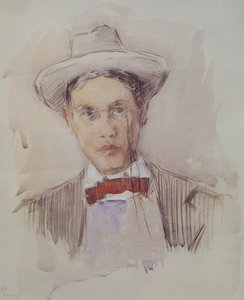
フレデリック・カール・フリースケ
1874 - 1939 , 日本
基本情報
- Artistic Movement Or Style: アメリカ印象派
- Artists Or Movements Influenced By This Artist: アメリカ印象派
- Artists Who Influenced This Artist:
- ルノワール
- ウィスラー
- ゴーギャン
- ボンナール
- Date Of Birth: 1874年4月7日
- Date Of Death: 1939年8月24日
- Full Name: フレデリック・カール・フリースケ
- Nationality: アメリカ人
- Notable Artworks (List Of Titles):
- ジヴェルニーの庭
- 庭の女
- グラスの前の女性
- Place Of Birth (City And Country): オワッソ、アメリカ合衆国
関連記事
Blush & Brilliance: 10 Iconic Paintings Dominated by Light Pink Tones |
Explore 10 iconic paintings bathed in captivating light pink tones! From Monet's Impressionism to Renoir’s romance, discover the stories behind these blush-hued masterpieces. Find museum-quality art reproductions & decor inspiration at .

ポール・セザンヌ:至高の25選 - 傑作と革新の軌跡 | ArtsDot
ポール・セザンヌの至高の25選。ポスト印象派を代表する画家、セザンヌの傑作と革新的な技法を紐解きます。ArtsDotで高品質な複製画やインテリアアートを見つけ、芸術の世界をご自宅に。今すぐコレクションをご覧ください。

Impressionism's Masterpieces: 10 Paintings That Defined a Movement | ArtsDot
Journey through Impressionism's heart with 10 iconic paintings by Monet, Renoir & Degas. Explore light, color & the stories behind these masterpieces. Find museum-quality art reproductions and elevate your home decor on ArtsDot.com.
光と色彩の彼方:知的な収集家のための印象派とポスト印象派
印象派とポスト印象派の傑作を深く理解し、知的なコレクションを築くための情報を提供。ArtsDotでは、高品質な油絵複製やカスタムアートをご用意。専門家が最適な作品選びをお手伝いします。
印象派絵画を定義づけた至宝:トップ10必見の傑作の世界
印象派絵画の歴史を彩る、時代を超越した10選。モネ、ルノワールら巨匠の名作に迫り、その技と物語を紐解きます。色彩豊かなアートで空間を演出!ArtsDot.comで至高のアートレプリカを見つけましょう。