 プレビュー
プレビュー
 プリントを購入
 シェアする
シェアする シェアする
シェアする
 詳細を見る
詳細を見る

 ダウンロード
 似ている作品
 X線調査
X線調査 スライドショー
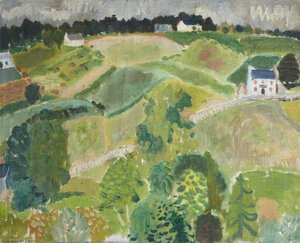
Little Old Cottage, Egypt Lane, East Hampton


 詳細を見る
詳細を見る




P118B $10

P118H $10

P118W $10

P438Z $10

P508JH $12

P508YH $12

P805H $10

P805Z $10

P919BZ $10

P919G $10

P919XJ $10

P959ZH $10

P968JZ $12

W106C $8

W218G $10

W218JH $8

W218Y $10

W307PJ $10

W316G $10

W316PJ $8

W316Y $10

W398PJ $8

W4111J $10

W500HY $15

W500JH $15

W692G $12

W849H $8

W940BG $15

W953PJ $8




作品のオリジナル比率に合わせた、当店の規定サイズからお選びください。

特定のフレームやスペースに合わせて、ご希望のサイズをご入力いただけます。選択されたサイズが元の画像の比率と異なる場合、アートワークをトリミングするか、手描きで要素を追加して絵画を拡張いたします。デジタルモックアップ を制作し、制作開始前にご確認(承認)をいただきます。
画面上のプレビューは、実際のトリミングや拡張を正確に反映しているものではありません。最終的な構図は、モックアップによってのみ正確にご確認いただけます。
カスタムサイズもご利用いただけますが、元の比率を維持するためには、あらかじめ用意されたリストからサイズを選択することをお勧めいたします。
ご注文後、ArtsDot.com チームより詳細な指示をお送りするとともに、仕上がりイメージ(モックアップ)をご提供いたします。


 ガラスオプションは、110cm未満のサイズでのみご利用いただけます。

Little Old Cottage, Egypt Lane, East Hampton
複製技法
複製画のサイズ
-


合計金額
$ 263
作品解説
Little Old Cottage, Egypt Lane, East Hampton: A Window Into Impressionistic Tranquility
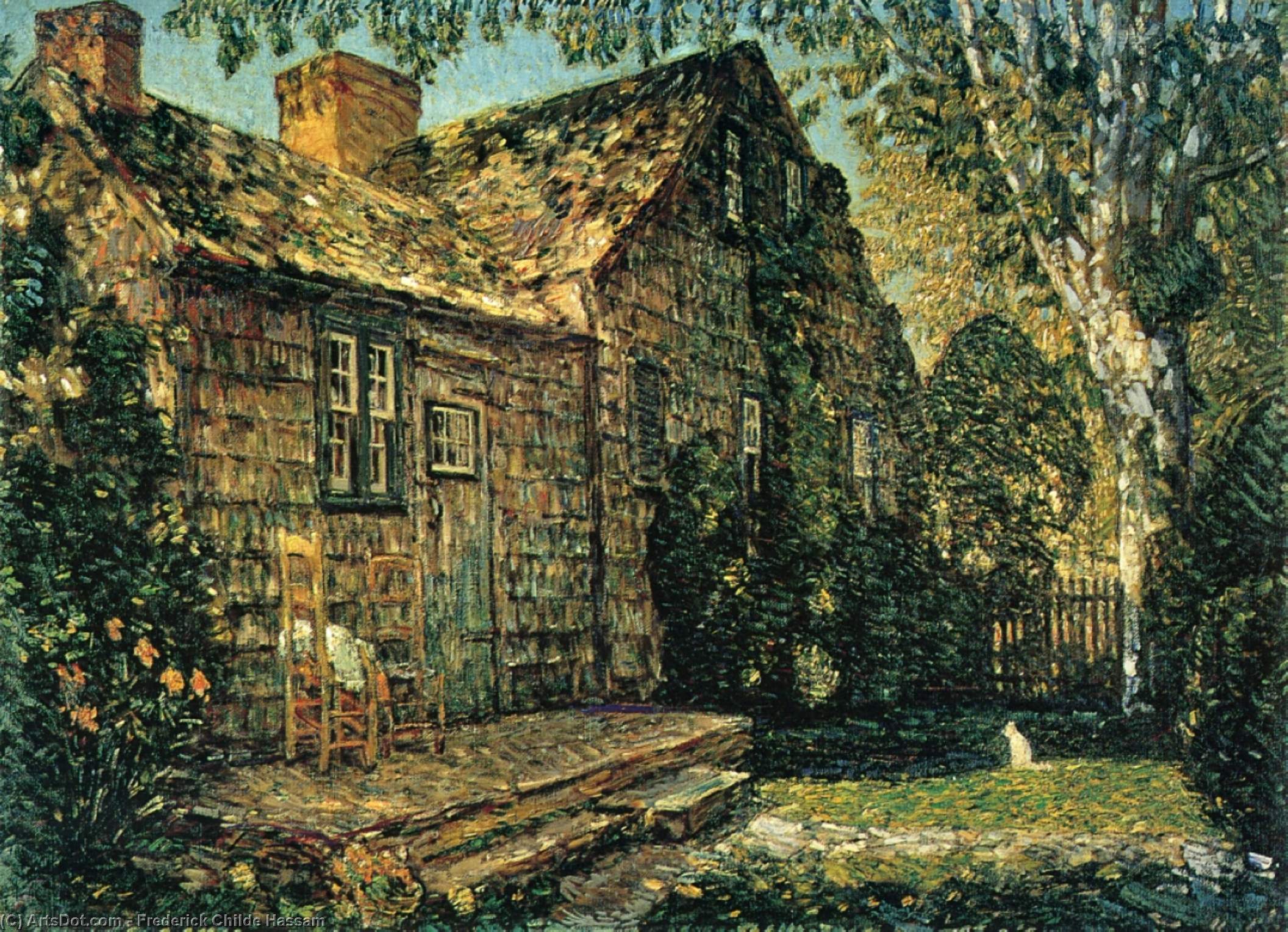
Frederick Childe Hassam’s Little Old Cottage, Egypt Lane, East Hampton, painted in 1917, stands as a quintessential example of American Impressionism—a movement that sought to capture fleeting moments of light and color rather than striving for photographic realism. This serene depiction resides within the Guild Hall collection in the United States, inviting viewers into a scene brimming with understated beauty and nostalgic charm.Composition and Observation
The painting’s visual impact begins immediately with its carefully considered composition. Hassam skillfully arranges elements to convey a sense of depth and tranquility. At its core is a modest cottage—a symbol of rural simplicity—painted in crisp white against the backdrop of lush greenery. Two chimneys punctuate the roofline, anchoring the structure while simultaneously hinting at domestic warmth. Three windows illuminate the interior space, casting diffused light onto the walls and creating an inviting atmosphere. Notably positioned outside is a chair, suggesting respite and contemplation amidst nature’s embrace—a deliberate choice reflecting Hassam's fascination with capturing everyday life. And perched near the bottom right corner sits a cat, adding a touch of domesticity and subtly enhancing the painting's overall feeling of comfort.The Impressionistic Technique
Hassam’s artistic prowess is evident in his masterful application of Impressionist technique. He employed loose brushstrokes—characteristic of the movement—to blend colors seamlessly onto the canvas, prioritizing tonal variations over precise delineation. The palette leans heavily toward muted greens and blues, mirroring the hues of Egypt Lane and conveying a palpable sense of coolness and stillness. Light plays a crucial role; Hassam skillfully renders sunlight filtering through the trees, dappling the cottage walls with shimmering highlights—a technique that captures the ephemeral quality of natural illumination. This deliberate disregard for meticulous detail underscores Impressionism’s core belief: beauty resides not in accurate representation but in conveying emotion and atmosphere.Historical Context and Artistic Influence
Painted during a period of significant artistic experimentation, Little Old Cottage, Egypt Lane, East Hampton aligns itself with the broader movement toward capturing subjective experience. Hassam's work served as an important catalyst for introducing Impressionism to American audiences, countering prevailing academic conventions that favored idealized depictions. He championed the idea that art should reflect the realities of modern life—a revolutionary concept at the time—and his canvases became emblems of a burgeoning interest in plein air painting and capturing transient moods. His influence extended beyond mere stylistic imitation; Hassam encouraged artists to prioritize observation and emotion, shaping the trajectory of American landscape painting for decades to come.Symbolism and Emotional Resonance
Beyond its technical brilliance, Little Old Cottage, Egypt Lane, East Hampton resonates with symbolic significance. The cottage itself represents comfort, stability, and connection to tradition—values that contrasted sharply with the rapid urbanization sweeping across America in the early 20th century. The surrounding trees symbolize resilience and renewal, mirroring the cyclical rhythms of nature. Ultimately, the painting evokes a profound sense of peace and nostalgia—a yearning for simpler times and an appreciation for the beauty found in unassuming domestic spaces. It’s a testament to Hassam's ability to transform ordinary scenes into emotionally evocative artworks that continue to captivate viewers today.関連作品

アーティストの略歴
Frederick Childe Hassam - アメリカン印象主義のパイオニア:画家フリデリック・シルド・ハッサムの生涯と芸術
アメリカン印象主義を確立した画家フリデリック・シルド・ハッサムは、1859年にボストンで生まれました。彼の幼少期の芸術への傾倒から、アメリカ美術界における最も重要な人物の一人となるまでの一生は、献身と独自のビジョンによって特徴づけられます。ヨーロッパでの広範な美術教育を求める多くの画家とは対照的に、ハッサムは主に自己学習と実践的な応用を通じてスキルを開発しました。当初は雑誌 *Harper's Weekly* や *Scribner’s Monthly* でイラストレーターを務めましたが、この初期の経験が観察力と構成における物語性を養い、彼のスタイルの特徴となりました。彼は1886年にヨーロッパに旅行し、パリで短期間美術を学びましたが、彼の芸術的な想像力を最も強く刺激したのはアメリカの風景と都市生活でした。彼は単にヨーロッパの技術を模倣するのではなく、アメリカならではの経験を描くためにそれらを適応させました。光と色彩を捉える印象主義への変革
ハッサムの絵画は、光と色彩を巧みに操ることで特徴づけられ、その明るさを実現しています。クロード・モネやエドガー・デガスに影響を受けた彼は、風景や都市生活を捉えるための印象派の原則を受け入れました。しかし、彼は単なる模倣者ではありませんでした。彼はアメリカならではの感覚を作品に注入しました。彼は緑豊かな風景だけでなく、ニューヨークやボストンのような活気のある都市のエネルギーも発見しました。彼の絵画はしばしば都市のシーンを描き、ファッションした女性がフィフスアベニューを歩いたり、多くの人が行き交う通りで馬車が移動したり、家庭内の静かな瞬間を描いたりします。これらの場所は単なる場所の描写ではありません。それは急速に変化する社会の肖像画であり、19世紀末から20世紀初頭のアメリカのエネルギーとダイナミズムを捉えています。例えば、彼の代表作である *ソナタ* (1893) は繊細な色彩調和と優美な筆致によって雰囲気と感情を呼び起こし、見る人に瞑想的な体験を提供します。コスタ海岸の風景は特にニューヨークやボストンで輝く空の色合いや緑豊かな葉茂る光景を描き、観客に感動を与えます。彼の作品は、印象派の原則に基づいたものであり、常に技術を改良し、世界を捉える新しい方法を探求しました。アメリカ美術における独自の視点と「テナー」グループ
ハッサムのキャリアにおいて重要なのは、「テナー」グループとの関わりでした。「テナー」グループは1897年に設立され、アメリカ芸術協会の保守的な政策への抗議として結成されました。このグループは独立して展覧会を行い、より進歩的なアプローチを追求することを目的としました。ハッサムはテナーグループの最初の会長を務め、アメリカ美術界におけるリーダーとしての役割を確立しました。この時期は芸術的自由を追求し、学術的な制約を受けないことを意味し、彼の仲間たちは独自のスタイルを探求するために妥協しませんでした。これらの独立した展覧会は印象主義がアメリカで正当な尊敬を受ける芸術運動として確立するのに貢献しました。愛国心の表現と晩年:旗の絵画
第一次世界大戦勃発に伴いハッサムの芸術的な焦点は劇的に変化しました。愛国心の高まりに刺激され、彼はニューヨーク市のフィフスアベニューでアメリカの旗が舞うシリーズの絵画に取り組みました。「旗」の絵画は1916年から1919年にかけて制作され、彼の最も象徴的な作品です。これらの旗は単なる国家シンボルの描写ではありません。それは市民への誇りと戦争における連帯の表現であり、世界的な混乱の中でエネルギーと楽観主義を伝える力強いイメージです。例えば、勝利の日、5月1919年はニューヨーク市の戦後祝賀会の雰囲気を捉え、観客に感動を与えます。ハッサムはその後も絵画制作を続け、版画にも取り組みました。彼は彼のキャリア全体を通して印象派の原則を堅持し、世界を捉えるための新しい方法を常に模索しました。彼はアメリカ美術における最も重要な人物の一人として歴史に名を残しました。彼の芸術はアメリカ独自の視点を反映しており、ヨーロッパの技術を模倣するだけでなく、アメリカならではの経験を描くためにそれらを適応させました。彼の絵画は今なお観客に感動を与え、過去の時代を垣間見せ、芸術が時間と場所の精神を捉える力ということを私たちに思い出させてくれます。 彼はアメリカ美術における印象主義のパイオニアであり続けました。彼の作品はアメリカ独自の視点を反映しており、ヨーロッパの技術を模倣するだけでなく、アメリカならではの経験を描くためにそれらを適応させました。彼の絵画は今なお観客に感動を与え、過去の時代を垣間見せ、芸術が時間と場所の精神を捉える力ということを私たちに思い出させてくれます。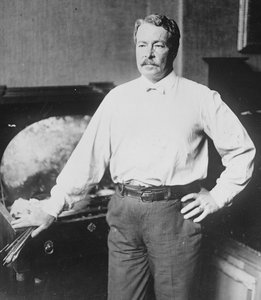
フレデリック・チルド・ハッサム
1859 - 1935 , アメリカ合衆国
基本情報
- Artistic Movement Or Style: 印象派、トナリズム
- Artists Or Movements Influenced By This Artist: ['アメリカン・イマジニスト']
- Artists Who Influenced This Artist: ['クロード・モネ']
- Date Of Birth: 1859年10月17日
- Date Of Death: 1935年8月27日
- Full Name: Frederick Childe Hassam
- Nationality: アメリカ人
- Notable Artworks:
- ソナタ
- ベッカム山頂
- Place Of Birth: ボストン、アメリカ合衆国
関連記事
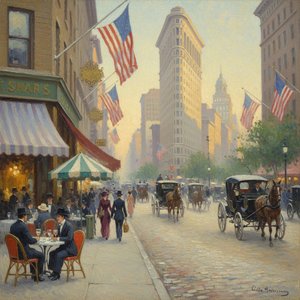
Frederick Childe Hassam: American Impressionism's Chronicler of Light & Modern Life
Explore the captivating world of Frederick Childe Hassam, a pioneer of American Impressionism. Discover his iconic paintings capturing light, urban life & coastal beauty. Learn about his legacy and influence on American art history.

ジョン・コンスタブルの傑作25選:英国風景画の巨匠が描く自然と光の詩 | ArtsDot
ジョン・コンスタブルの傑作25選。英国風景画の巨匠が描く自然と光の詩の世界へ。ロマン主義を代表する絵画、デダム・ヴェールやヘイ・ウェインなど、ArtsDotで高品質なアートプリントをお楽しみください。インテリアに深みと感動を。コレクションはこちら。

ポール・セザンヌ:至高の25選 - 傑作と革新の軌跡 | ArtsDot
ポール・セザンヌの至高の25選。ポスト印象派を代表する画家、セザンヌの傑作と革新的な技法を紐解きます。ArtsDotで高品質な複製画やインテリアアートを見つけ、芸術の世界をご自宅に。今すぐコレクションをご覧ください。

Cultivating Visions: A Historical Journey Through Rural Landscapes in Art
Explore the rich history of rural landscape painting with ArtsDot. Discover Impressionist masterpieces, key artists & movements. Find your perfect serene artwork and bring nature's beauty home.

Evocations of Place: A Historical Journey Through Landscape Art
Explore the rich history of landscape art with ArtsDot. Discover renowned artists, movements like Impressionism & Romanticism, and expert guidance for collecting timeless pieces. Find your perfect serene escape today!