

 プレビュー
プレビュー
 プリントを購入
 シェアする
シェアする シェアする
シェアする
 詳細を見る
詳細を見る

 ダウンロード
 似ている作品
 X線調査
X線調査 スライドショー
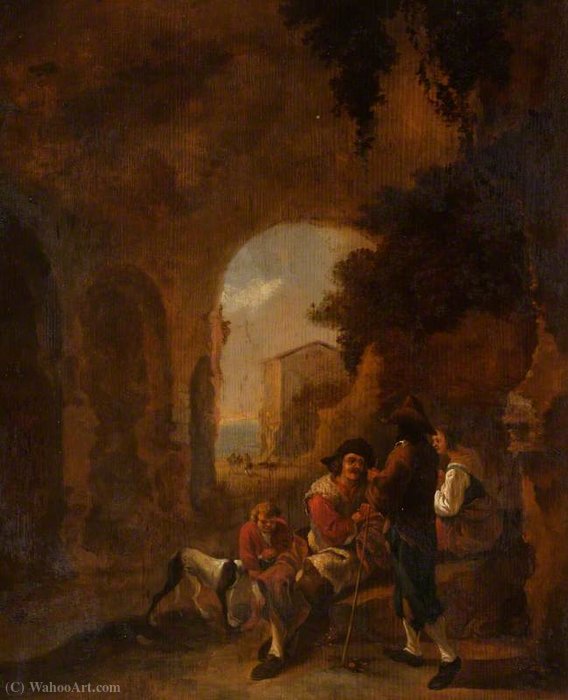
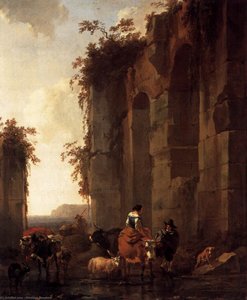
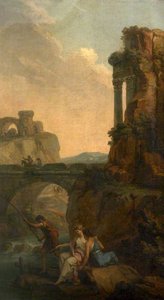
Roman Peasants Conversing in a Grotto amongst Ruins
 詳細を見る
詳細を見る
オンラインプレビューをはるかに凌ぐ、高解像度で鮮明なデジタル画像をご購入いただけます。
各ファイルは、社内の専門家が高度なツールと熟練した手作業によるレタッチを用いて、細心の注意を払って準備されています。すべての画像において、卓越した鮮明度、正確な色彩再現性、そして繊細なディテールを保証いたします。
最終ファイルは、プロフェッショナルな編集・印刷環境ですぐにご利用いただけるよう最適化された状態で、72時間以内にメールにてお届けいたします。これは、一流のデザインスタジオ、出版社、ギャラリーから信頼されているものと同等の品質です。
デジタル画像のご注文に付随する特典
高品質なデジタル画像配信を、確かな品質で。
ArtsDot.com を選ぶことは、単に画像を手に入れることではありません。それは、プロの手によって精密に仕上げられ、満足保証が付いた高品質なデジタルアートワークを受け取ることを意味します。ご注文いただいた際に自動的に付随する内容は、以下の通りです:

メールですぐにお届け
ご注文から72時間以内に、高解像度のデジタル画像ファイルがメールでお手元に届きます。すぐにそのままご利用いただけます。

AI技術で最適化されたデジタルファイル
お客様の作品は、高度なAIツールと専門家による手作業の編集を組み合わせてプロフェッショナルに最適化されており、細部のディテール、鮮明さ、そして正確な色再現性を最大限に引き出しています。

一生涯無料の再送サービス
ファイルを誤って削除したり、紛失してしまったりしましたか?ご安心ください。いつでも無料で再送いたします。

輸入手数料は一切かかりません
関税や手数料、配送料を気にすることなく、お気に入りのアートワークをすぐにお楽しみいただけます。デジタルダウンロードは常に免税です。

色彩再現の保証
プロ仕様のツールとカラーマネジメント技術を用いることで、デジタル画像が元の色を最大限に忠実に再現することを保証いたします。

60日間満足保証
ご購入いただいたデジタル画像にご満足いただけない場合は、60日以内であれば、修正または100%の返金(理由を問う必要はありません)をさせていただきます。

100% 返金保証
ご満足いただけない場合は、デジタルファイルを受け取ってから60日以内であれば、理由を問わず全額返金いたします。

まとめ買い割引
3枚購入で10%OFF - 5枚購入で15%OFF - 10枚以上購入で20%OFF。クリエイティブなプロジェクト、ギャラリー、エージェンシーに最適です。
関連作品
作家の略歴
A Tranquil Vision of the Dutch Golden Age
Frederick de Moucheron (1633–1686) stands as a testament to the serene beauty championed by the Dutch Golden Age, an era defined by masterful landscape painters who sought to capture idealized visions of nature. Born into a family steeped in mercantile tradition—his father, Balthazar de Moucheron, was a prominent wine trader—Frederick’s artistic lineage foreshadowed his own dedication to portraying landscapes imbued with calm contemplation and classical elegance. He benefited from the early tutelage of Jan Asselijn, absorbing techniques that would shape his distinctive style, characterized by a profound ability to evoke atmosphere through light and subtle gradations of color.
At just twenty-two years of age, de Moucheron embarked on a transformative journey that would expand his artistic vocabulary far beyond the borders of the Netherlands. His travels took him to the vibrant artistic milieu of Paris, where he spent three formative years immersed in French culture, and continued through Lyon, Italy, and even Greece. This exposure broadened his horizons, fueling a lifelong fascination with Italianate landscapes—those idealized, sun-drenched vistas that favored classical harmony over the tempestuous realism often found in Northern European art. By 1659, he had settled permanently in Amsterdam, establishing himself within a prestigious community of artists and marrying Mariecke de Jouderville, whose father was a pupil of the legendary Rembrandt.
The Art of Collaboration and Composition
One of the most fascinating aspects of de Moucheron’s career was his role within a collaborative ecosystem of painters. While he was a master of the landscape itself, he frequently worked alongside specialists who provided the lively human and animal figures that breathed life into his vistas. This practice allowed for a seamless blending of styles, where his atmospheric backgrounds met the dynamic precision of his contemporaries. His circle included luminaries such as:
- Adriaen van de Velde, whose mastery of figure painting enriched de Moucheron's pastoral scenes;
- Johannes Lingelbach and Nicolaes Pieterszoon Berchem, who contributed intricate details that enhanced the narrative depth of his works;
- Theodor Helmbreker, with whom he shared a connection to the French aesthetic.
Technically, de Moucheron’s work often utilized the alla prima technique, an approach where paint is applied in a single layer, allowing for a sense of immediacy and spontaneity. In masterpieces such as Mountain Scene with Herd of Cattle, one can observe his meticulous attention to atmospheric perspective. He employed a restrained palette of muted blues, greens, and earthy browns to create a sense of receding distance, guiding the viewer’s eye through winding roads and hazy mountain ranges toward an unseen, peaceful horizon.
Legacy and Historical Significance
The significance of Frederick de Moucheron lies in his ability to bridge the gap between the rugged realism of the Dutch tradition and the idealized elegance of the Italianate movement. His works, such as Woody Road Scene and Landscape with a Shrine, do not merely depict terrain; they serve as meditations on the harmony between humanity and the natural world. He avoided the dramatic and the stormy, opting instead for a restrained approach that prioritized tranquility and understated grace.
His influence extended into the next generation through his son, Isaac de Moucheron, who inherited his father’s talent and became a celebrated engraver and painter. Though Frederick passed away in 1686, his contribution to the landscape genre remains a vital chapter in Baroque art history. He left behind a body of work that continues to captivate viewers with its quiet dignity, reminding us of a period when the canvas was a window into a perfectly balanced, eternal afternoon.
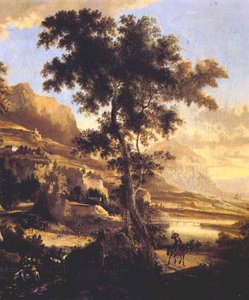
frederick de moucheron
1633 - 1686
プロフィール概要
- Artistic Movement Or Style: Baroque landscape painting
- Artists Or Movements Influenced By This Artist:
- Adriaen van de Velde
- Nicolaes Berchem
- Artists Who Influenced This Artist:
- Jan Asselijn
- Isaac de Jouderville
- Date Of Birth: 1633
- Date Of Death: 1686
- Full Name: Frederick de Moucheron
- Nationality: Dutch
- Notable Artworks:
- Landscape with a Shrine
- Woody Road Scene
- Rocky Landscape
- Place Of Birth: Amsterdam, Netherlands

