

 プレビュー
プレビュー
 プリントを購入
 シェアする
シェアする シェアする
シェアする
 詳細を見る
詳細を見る

 ダウンロード
 似ている作品
 X線調査
X線調査 スライドショー
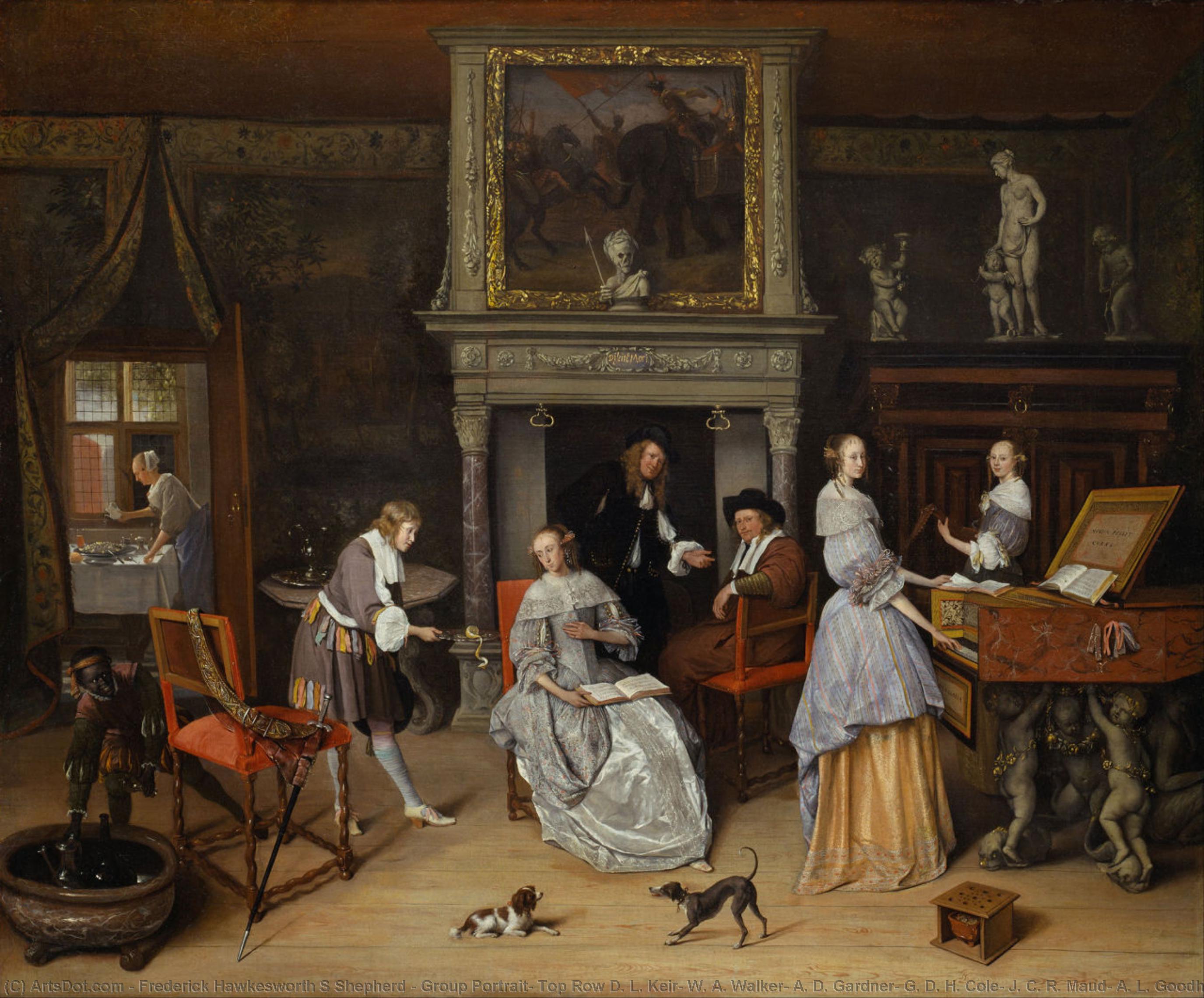
Group Portrait, Top Row D. L. Keir, W. A. Walker, A. D. Gardner, G. D. H. Cole, J. C. R. Maud, A. L. Goodhart, J. H. S. Wild, Bottom Row E. J. Bowen, A. B. Poynton, Sir Michael Sadler (Master), A. S. L. Farquharson, E. F. Caritt, G. H. Stevenson, K. ....
 57.0 x 69.0 cm
 University College
 詳細を見る
詳細を見る
オンラインプレビューをはるかに凌ぐ、高解像度で鮮明なデジタル画像をご購入いただけます。
各ファイルは、社内の専門家が高度なツールと熟練した手作業によるレタッチを用いて、細心の注意を払って準備されています。すべての画像において、卓越した鮮明度、正確な色彩再現性、そして繊細なディテールを保証いたします。
最終ファイルは、プロフェッショナルな編集・印刷環境ですぐにご利用いただけるよう最適化された状態で、72時間以内にメールにてお届けいたします。これは、一流のデザインスタジオ、出版社、ギャラリーから信頼されているものと同等の品質です。
デジタル画像のご注文に付随する特典
高品質なデジタル画像配信を、確かな品質で。
ArtsDot.com を選ぶことは、単に画像を手に入れることではありません。それは、プロの手によって精密に仕上げられ、満足保証が付いた高品質なデジタルアートワークを受け取ることを意味します。ご注文いただいた際に自動的に付随する内容は、以下の通りです:

メールですぐにお届け
ご注文から72時間以内に、高解像度のデジタル画像ファイルがメールでお手元に届きます。すぐにそのままご利用いただけます。

AI技術で最適化されたデジタルファイル
お客様の作品は、高度なAIツールと専門家による手作業の編集を組み合わせてプロフェッショナルに最適化されており、細部のディテール、鮮明さ、そして正確な色再現性を最大限に引き出しています。

一生涯無料の再送サービス
ファイルを誤って削除したり、紛失してしまったりしましたか?ご安心ください。いつでも無料で再送いたします。

輸入手数料は一切かかりません
関税や手数料、配送料を気にすることなく、お気に入りのアートワークをすぐにお楽しみいただけます。デジタルダウンロードは常に免税です。

色彩再現の保証
プロ仕様のツールとカラーマネジメント技術を用いることで、デジタル画像が元の色を最大限に忠実に再現することを保証いたします。

60日間満足保証
ご購入いただいたデジタル画像にご満足いただけない場合は、60日以内であれば、修正または100%の返金(理由を問う必要はありません)をさせていただきます。

100% 返金保証
ご満足いただけない場合は、デジタルファイルを受け取ってから60日以内であれば、理由を問わず全額返金いたします。

まとめ買い割引
3枚購入で10%OFF - 5枚購入で15%OFF - 10枚以上購入で20%OFF。クリエイティブなプロジェクト、ギャラリー、エージェンシーに最適です。
関連作品







作家の略歴
Frederick Hawkesworth Sinclair Shepherd: A Master of Victorian Interiors
Frederick Hawkesworth Sinclair Shepherd (1877 – 1948) remains a quietly significant figure in late nineteenth and early twentieth-century British art, particularly renowned for his evocative depictions of university halls, grand interiors, and intimate portraits. Often overshadowed by the more flamboyant figures of the Aesthetic movement, Shepherd’s work possesses a subtle elegance and profound understanding of light, space, and human connection that deserves greater recognition. His career spanned several decades, marked by consistent artistic refinement and a dedication to capturing the essence of British academic life – from the hallowed halls of Cambridge and Oxford to the comfortable drawing rooms of established families. Shepherd’s early life provided a foundation for his artistic pursuits. Born in Stoke under Ham, Somerset, into a clergyman's family, he received an education at Rugby School, where he honed his observational skills and developed a keen appreciation for classical forms. Further studies at Corpus Christi College, Oxford, and subsequently the Slade School of Fine Art – under the tutelage of Frederick Brown – solidified his technical abilities and exposed him to the burgeoning artistic trends of the time. This formative period instilled in him a deep respect for tradition while simultaneously encouraging experimentation with light and color. Shepherd’s artistic journey truly blossomed as he transitioned from landscapes to interior scenes and portraits. He quickly established himself within the British art world, gaining membership to prestigious organizations such as the New English Art Club in 1912. His work was regularly exhibited at the Royal Academy, a testament to his growing reputation and the quality of his paintings. A pivotal moment in his career came with the commission to paint a “conversation piece” for University College, Oxford – a group portrait capturing the distinguished figures of the college’s dons. This project showcased Shepherd's ability to convey both formality and warmth within a structured composition, reflecting his mastery of portraying human interaction and social dynamics. His style evolved over time, moving from looser, more impressionistic approaches to a refined, almost photographic realism, particularly evident in his detailed renderings of architectural elements and the subtle nuances of light and shadow.The Language of Light and Space: Shepherd’s Technique
Shepherd's paintings are characterized by an extraordinary sensitivity to light – a key element that distinguishes him from many of his contemporaries. He meticulously observed how light interacted with surfaces, creating a sense of depth and atmosphere within his interiors. His use of color was equally deliberate, favoring muted tones and subtle gradations to evoke a feeling of quiet contemplation. He rarely employed dramatic contrasts or bold brushstrokes; instead, he favored a delicate layering technique that allowed the colors to blend seamlessly, producing an almost luminous effect. This approach is particularly evident in works such as “The Music Party,” where the soft glow of candlelight illuminates the figures engaged in musical activity, creating a scene brimming with warmth and conviviality. Furthermore, Shepherd’s meticulous attention to detail – from the intricate carvings on furniture to the textures of fabrics – demonstrates his commitment to capturing the authentic essence of the spaces he depicted. He was not merely painting rooms; he was conveying an experience, a feeling of belonging and connection.Subjects and Influences: Cambridge, Oxford, and Beyond
While Shepherd’s work is often associated with the universities of Cambridge and Oxford – his paintings frequently depict their grand halls, libraries, and common rooms – his subjects extended beyond these academic institutions. He also produced a significant body of portraits, capturing the likenesses of prominent figures from British society, including members of the aristocracy and the upper-middle class. His portraits are notable for their psychological depth, revealing not only the outward appearance of his sitters but also their inner character and personality. Shepherd’s artistic influences were diverse, drawing upon a range of sources – from the academic traditions of the Slade School to the aesthetic ideals of the Pre-Raphaelites and the Impressionists. The influence of the latter is particularly evident in his use of light and color, as well as his interest in capturing fleeting moments of beauty.Legacy and Significance
Frederick Hawkesworth Sinclair Shepherd’s contribution to British art may not be immediately apparent, but his work possesses a quiet dignity and understated elegance that continues to resonate with viewers today. His paintings offer a valuable glimpse into the social and cultural landscape of late Victorian Britain – a period marked by both rapid industrialization and a deep appreciation for tradition. Shepherd’s ability to capture the atmosphere of academic life, combined with his technical skill and psychological insight, ensures his place as a significant, if often overlooked, figure in British art history. His legacy lies not only in his individual paintings but also in their enduring capacity to evoke a sense of nostalgia and contemplation, inviting us to step back in time and experience the beauty and tranquility of bygone eras. His work is now held in several collections, including the Art UK collection, ensuring that his artistic vision continues to be appreciated by future generations.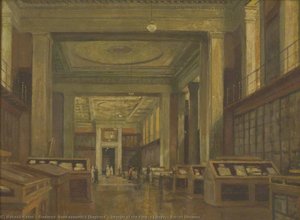
frederick hawkesworth s shepherd
1877 - 1948
プロフィール概要
- Artistic Movement Or Style: Victorian Interior Painting
- Artists Or Movements Influenced By This Artist: ['New English Art Club']
- Artists Who Influenced This Artist: ['Frederick Brown']
- Date Of Birth: 1877
- Date Of Death: 1948
- Full Name: Frederick Hawkesworth Sinclair Shepherd
- Nationality: British
- Notable Artworks:
- The Music Party
- Drawing Room Interior
- University College Dons
- Place Of Birth: Stoke under Ham, Somerset, UK

