

 プレビュー
プレビュー
 プリントを購入
 シェアする
シェアする シェアする
シェアする
 詳細を見る
詳細を見る

 ダウンロード
 似ている作品
 X線調査
X線調査 スライドショー
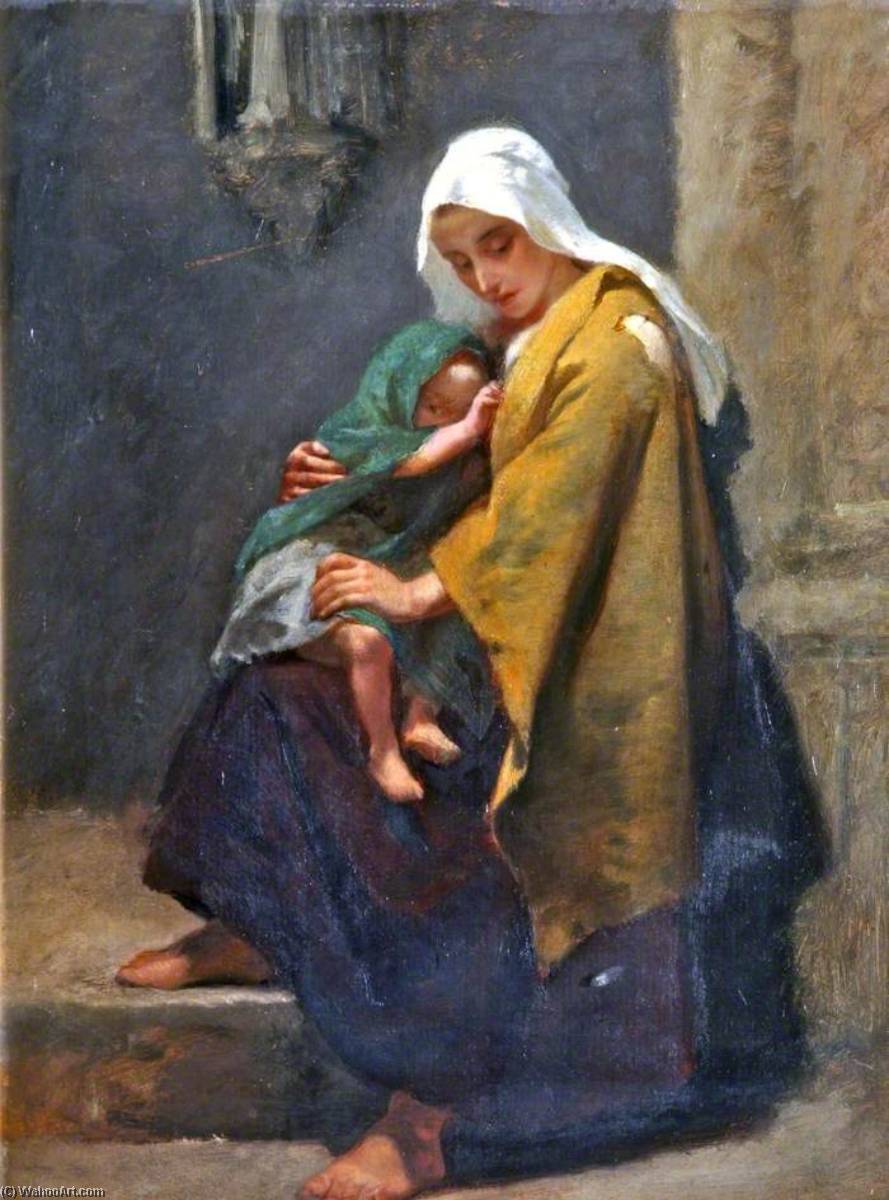
A Woman and Child
 Contemporary Realism
 1878
1878 47.0 x 36.0 cm
 ウォーカー・アート・ギャラリー
 詳細を見る
詳細を見る




































作品のオリジナル比率に合わせた、当店の規定サイズからお選びください。

特定のフレームやスペースに合わせて、ご希望のサイズをご入力いただけます。選択されたサイズが元の画像の比率と異なる場合、アートワークをトリミングするか、手描きで要素を追加して絵画を拡張いたします。デジタルモックアップ を制作し、制作開始前にご確認(承認)をいただきます。
画面上のプレビューは、実際のトリミングや拡張を正確に反映しているものではありません。最終的な構図は、モックアップによってのみ正確にご確認いただけます。
カスタムサイズもご利用いただけますが、元の比率を維持するためには、あらかじめ用意されたリストからサイズを選択することをお勧めいたします。
ご注文後、ArtsDot.com チームより詳細な指示をお送りするとともに、仕上がりイメージ(モックアップ)をご提供いたします。


 ガラスオプションは、110cm未満のサイズでのみご利用いただけます。

A Woman and Child
複製技法
複製画のサイズ
-


合計金額
$ 288
作品解説
Artistic Style and Technique
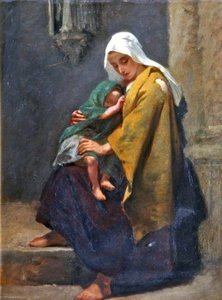
Frederick Trevelyan Goodall's artistic style is characterized by his use of warm colors and gentle brushstrokes, which create a soothing atmosphere in A Woman and Child. The woman's long dress and hooded shawl are meticulously painted, highlighting the artist's attention to detail. The background of the painting features a brick wall, adding texture and depth to the scene. Key Features of the painting include:- The use of oil as the primary medium, which allows for rich and vibrant colors
- The depiction of everyday life, showcasing the artist's ability to capture mundane moments and turn them into something extraordinary
- The emphasis on the emotional connection between the woman and child, creating a sense of warmth and intimacy
Artist and Museum Information
Frederick Trevelyan Goodall was a British artist known for his portraits and genre paintings. The Walker Art Gallery, where A Woman and Child is housed, is a premier destination for art enthusiasts in Liverpool. Visitors can explore the gallery's impressive collection of fine and decorative arts, including works by other notable artists such as Sir Hubert Von Herkomer and Christopher Williams. For those interested in learning more about the artist and his work, Frederick Trevelyan Goodall's biography can be found on ArtsDot.com. Additionally, the Walker Art Gallery website provides information on the gallery's history and collection.To experience the beauty of A Woman and Child firsthand, visit the Walker Art Gallery or explore ArtsDot.com for handmade oil painting reproductions of this captivating piece.
関連作品
アーティストの略歴
Frederick Goodall RA: A Victorian Explorer of Eastern Worlds
Born in London in 1822, Frederick Trevelyan Goodall’s artistic journey was deeply intertwined with a lineage of creative talent and a fascination for the exotic. The son of Edward Goodall, a highly respected steel line engraver who had worked closely with William Turner, Frederick inherited not only a skilled hand but also an appreciation for meticulous detail and a connection to the world of art. His upbringing within a family steeped in artistic tradition – his father’s work alongside Turner, his brothers' own artistic pursuits – provided him with an unparalleled foundation for his future career.
Early education at the Wellington Road Academy instilled in him a solid grounding in technique, but it was his time sketching in Regent’s Park Zoo and along the banks of the Thames that truly ignited his passion. These early observations, capturing the nuances of everyday life and the beauty of the natural world, would later inform his distinctive style. He quickly developed an eye for composition and color, hallmarks that would become synonymous with his work.
The Early Years: Apprenticeship and Royal Recognition
Goodall’s artistic development was further shaped by a formal apprenticeship under his father, honing his skills in oil painting. Crucially, he also joined a life class at St. Martin's Lane, immersing himself in the competitive environment of the London art scene and learning from established artists like Etty. This early exposure to the academic tradition provided him with essential training while simultaneously allowing him to develop his own unique voice.
His talent was quickly recognized, culminating in his first exhibition at the Society of Arts in 1836, followed by a silver medal for his painting “The Drowning of the Miner” at the Society of Arts in 1839. This early success established him as a promising young artist and paved the way for future recognition within the Royal Academy.
Egyptian Encounters: A Transformative Journey
A pivotal moment in Goodall’s career arrived with his first visit to Egypt in 1858, undertaken in partnership with fellow artist Carl Haag. This journey proved transformative, profoundly influencing his artistic direction and subject matter. The experience of immersing himself in the vibrant culture of Cairo, the stark beauty of the desert, and the daily lives of the Bedouin tribes ignited a deep fascination that would dominate much of his later work.
He shared a house and studio with Haag, sketching together amidst the bustling streets of Cairo and the surrounding pyramids. His second visit in 1870 saw him living amongst the Bedouins near Saqqara, meticulously observing their customs and lifestyles. This dedication to authenticity is evident in his paintings, which are remarkably detailed and imbued with a sense of genuine understanding.
To further enhance the realism of his depictions, Goodall famously brought back live sheep and goats from Egypt, incorporating them into his studio as models for his paintings. This commitment to accuracy reflected his desire to capture not just the visual appearance but also the essence of the Eastern world he had come to admire.
Royal Academician and a Flourishing Career
Goodall’s artistic achievements culminated in his election as an Associate Royal Academician (ARA) in 1852 and, more significantly, as a full Royal Academician (RA) in 1863. He exhibited at the Royal Academy for over four decades, consistently producing works that garnered critical acclaim and substantial sales. His paintings were highly sought after by collectors and patrons alike.
His output during this period was vast, encompassing a wide range of subjects – from bustling street scenes in Cairo to intimate portraits of Bedouin figures, dramatic landscapes, and biblical narratives. He exhibited over 170 works at the Royal Academy, demonstrating his sustained dedication to his chosen subject matter.
Legacy and Artistic Style
Frederick Goodall’s artistic legacy lies primarily in his evocative depictions of Egypt and the Bedouin people. His paintings are characterized by their meticulous detail, vibrant colors, and a remarkable ability to capture the atmosphere and spirit of the Eastern world. He skillfully blended elements of Orientalism with a distinctly British sensibility, creating works that were both exotic and familiar.
His home at Grims Dyke in Harrow Weald became a gathering place for prominent figures of the era, including Prince Edward (later King Edward VII), further cementing his position as a respected artist and socialite. Despite facing financial difficulties towards the end of his life, Goodall’s artistic contributions remain significant, offering a unique window into Victorian perceptions of the East and showcasing the enduring power of observation and skillful execution.
frederick trevelyan goodall
1822 - 1904
基本情報
- Artistic Movement Or Style: Orientalism, Victorian Painting
- Artists Or Movements Influenced By This Artist:
- Carl Haag
- Orientalism
- Artists Who Influenced This Artist:
- Turner
- Wilkie
- Date Of Birth: 17 Sept 1822
- Date Of Death: 29 July 1904
- Full Name: Frederick Trevelyan Goodall
- Nationality: British
- Notable Artworks:
- Finding the Dead Body
- French Soldiers
- Cranmer at Gate
- Nubian Slave
- Morning in Shur
- Place Of Birth: London, England
関連記事
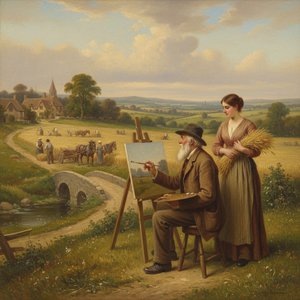
Frederick Goodall (1822–1904): A Victorian Narrative of Rural Life and Artistic Tradition
Explore the captivating world of Frederick Goodall (1822–1904), a celebrated Victorian artist renowned for his detailed genre paintings and evocative Egyptian scenes. Discover his life, legacy & find high-quality reproductions at ArtsDot.
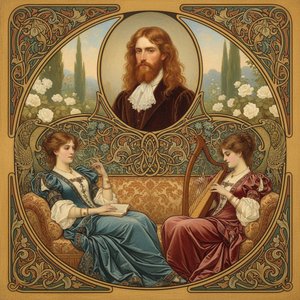
Frederick Morgan: A Study in Aestheticism & Victorian Beauty
Explore the captivating world of Frederick Morgan, a key figure in Victorian Aestheticism. Discover his beautiful paintings, recurring themes, and lasting legacy with our expert analysis. Learn more today!

The Enduring Legacy of Oil on Canvas: Technique, History & Aesthetic Impact
Explore the rich history & techniques of oil painting – from Renaissance masters to Impressionism. Discover pigments, layering methods, and why this timeless medium endures. Expert insights for artists & art enthusiasts.

Oil on Canvas: A Historical & Technical Exploration of a Timeless Artistic Medium
Explore the rich history & enduring techniques of oil painting on canvas. Discover the science behind its longevity, conservation practices, and contemporary relevance. Expert insights for art enthusiasts.

The Enduring Power of Painting: A Historical & Contemporary Exploration of Form and Emotion
Explore the rich history & enduring techniques of oil painting with ArtsDot. Discover masterpieces, learn about art collecting, and find authentic handmade reproductions crafted by skilled artists.

