 プレビュー
プレビュー
 プリントを購入
 シェアする
シェアする シェアする
シェアする
 詳細を見る
詳細を見る

 ダウンロード
 似ている作品
 X線調査
X線調査 スライドショー
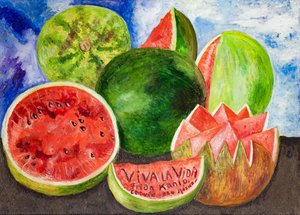
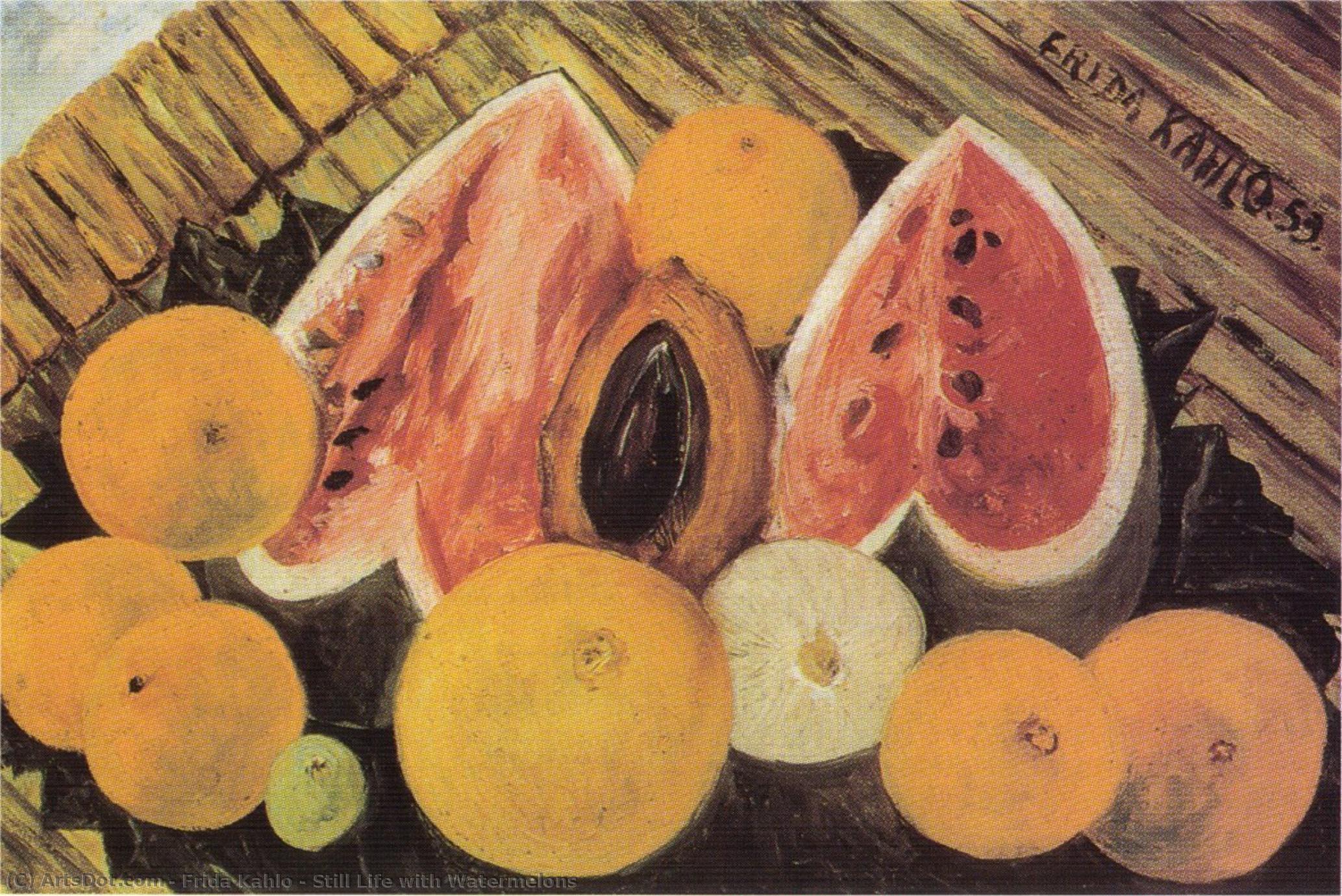
Still Life with Watermelons
 Oil On Canvas
- WallArt
- Surrealist Expression
 1953
1953- Modern
 39.0 x 59.0 cm
 詳細を見る
詳細を見る




P118B $10

P118H $10

P118W $10

P438Z $10

P508JH $12

P508YH $12

P805H $10

P805Z $10

P919BZ $10

P919G $10

P919XJ $10

P959ZH $10

P968JZ $12

W106C $8

W218G $10

W218JH $8

W218Y $10

W307PJ $10

W316G $10

W316PJ $8

W316Y $10

W398PJ $8

W4111J $10

W500HY $15

W500JH $15

W692G $12

W849H $8

W940BG $15

W953PJ $8




作品のオリジナル比率に合わせた、当店の規定サイズからお選びください。

特定のフレームやスペースに合わせて、ご希望のサイズをご入力いただけます。選択されたサイズが元の画像の比率と異なる場合、アートワークをトリミングするか、手描きで要素を追加して絵画を拡張いたします。デジタルモックアップ を制作し、制作開始前にご確認(承認)をいただきます。
画面上のプレビューは、実際のトリミングや拡張を正確に反映しているものではありません。最終的な構図は、モックアップによってのみ正確にご確認いただけます。
カスタムサイズもご利用いただけますが、元の比率を維持するためには、あらかじめ用意されたリストからサイズを選択することをお勧めいたします。
ご注文後、ArtsDot.com チームより詳細な指示をお送りするとともに、仕上がりイメージ(モックアップ)をご提供いたします。


 ガラスオプションは、110cm未満のサイズでのみご利用いただけます。

Still Life with Watermelons
複製技法
複製画のサイズ
-


合計金額
$ 263
作品解説
A Symphony of Color and Resilience
In the twilight of her life, Frida Kahlo gifted the world with Still Life with Watermelons, a work that serves as a vibrant, pulsing echo of Mexican Surrealism. Painted in 1953, this masterpiece transcends the boundaries of a simple fruit arrangement to become a profound meditation on existence itself. As one gazes upon the canvas, the eye is immediately arrested by a primordial palette; deep, succulent reds, sun-drenched yellows, and lush greens collide in a dance of pure emotion. Kahlo eschews the delicate precision of classical realism in favor of a bold, primitivist style that draws strength from the raw textures of Mexican folk art. Through thick, expressive impasto, she imbues the fruit with a palpable physicality, making the heavy weight of the watermelons and the smooth skin of the apples feel almost touchable, mirroring her own enduring struggle with physical fragility and her ultimate triumph of spirit.
The composition is a masterful arrangement of abundance and vitality. Three dominant watermelons anchor the scene, their sliced surfaces revealing a heart of brilliant crimson that seems to glow from within. Interspersed among these giants are apples, oranges, bananas, and pears, creating a cornucopia that feels both bountiful and deeply intentional. This arrangement is not merely decorative; it is a carefully constructed landscape of color where each element contributes to a sense of rhythmic movement across the canvas. For the discerning collector or interior designer, this piece offers a commanding presence, capable of injecting a room with warmth, energy, and a sophisticated connection to the roots of Latin American modernism.
Symbolism Rooted in Heritage
Beyond its striking visual appeal, Still Life with Watermelons is a complex tapestry of cultural and personal symbolism. To understand this painting is to understand the soul of Mexico. The watermelon, a staple of the Mexican landscape, carries heavy connotations of fertility, abundance, and prosperity. For Kahlo, whose life was often defined by the profound grief of miscarriages and physical trauma, these symbols of regeneration and life-force take on a poignant, autobiographical dimension. She weaves her personal narrative into the very fabric of the fruit, transforming a still life into a defiant celebration of viva la vida—the celebration of life amidst suffering.
This work sits at a fascinating crossroads of art history, aligning with the Surrealist movement championed by André Breton while remaining fiercely anchored in indigenous folklore. Unlike the more intellectualized Surrealism found in Europe, Kahlo’s approach is visceral and grounded. She utilizes the aesthetics of the Mexicayotl movement to explore themes of identity and postcolonial pride. When decorating a space with a high-quality reproduction of this work, one is not merely hanging a painting; one is inviting a conversation about resilience, heritage, and the beautiful complexity of the human condition into the home.
An Essential Addition to the Connoisseur's Collection
For those seeking to curate an environment filled with inspiration, this reproduction offers an unparalleled opportunity. The emotional impact of Kahlo’s work lies in its ability to provoke both introspection and joy. It is a piece that demands attention, yet provides a sense of grounded comfort through its earthy tones and organic forms. Whether placed in a contemporary gallery-style living room or a classic study, the painting acts as a focal point that bridges the gap between historical significance and modern aesthetic appeal.
Owning a piece that captures the essence of Frida Kahlo is an act of honoring one of the most transformative figures in art history. This reproduction allows art lovers to experience the thick textures and vivid hues of her 1953 masterpiece, bringing the spirit of Coyoacán into a modern setting. It is an investment in beauty, a tribute to Mexican identity, and a permanent reminder that even in the face of hardship, life remains a vibrant, colorful, and bountiful feast.
関連作品
アーティストの略歴
激動の人生と魂を映す絵画:フリーダ・カーロ
フリーダ・カーロ。メキシコの美術史において、そして世界中の人々の心に深く刻まれたその名は、単なる画家という枠を超え、苦難を乗り越え、自己を表現し続けた一人の女性の象徴として輝いている。1907年、メキシコシティ郊外のコヨアカンで生まれたフリーダは、幼少期から病と事故に見舞われながらも、その経験を糧に独自の芸術世界を築き上げていった。父ウィルヘルム・カーロが撮影した写真や、母マティルデ・カルデロン・イ・ゴンサレスとの愛情深い関係は、彼女の人生における重要な支柱となった。しかし、6歳でのポリオ罹患、そして18歳という若さで経験した自動車事故は、その後の人生を大きく左右することとなる。事故による重傷は、彼女に生涯にわたる身体的な苦痛と医療行為をもたらしたが、同時に絵を描くことへの情熱を燃え上がらせたのだ。「私はしばしば孤独だから、自分自身を描く。」フリーダの言葉が示すように、自画像は彼女の作品の中心であり、その魂の奥底を見つめ、自己の内面を探求する手段となった。メキシコ文化と苦悩を織り交ぜた芸術
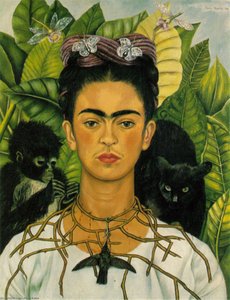
フリーダの絵画は、メキシコの伝統的な民俗文化から大きな影響を受けている。鮮やかな色彩、象徴的なモチーフ、そして力強い表現力は、彼女の作品を特徴づける要素だ。1929年に結婚したディエゴ・リベラとの激しい愛と別れ、数回の流産や手術といった個人的な苦悩もまた、彼女の芸術に深く反映されている。特に自画像においては、身体的な痛みや精神的な葛藤を率直かつ大胆に表現しており、その真摯な姿勢は見る者の心を強く揺さぶる。- 「棘のネックレスとハチドリ」では、肉体的苦痛を象徴する茨のネックレスが、希望を象徴するハチドリとの対比によって描かれ、複雑な感情が表現されている。
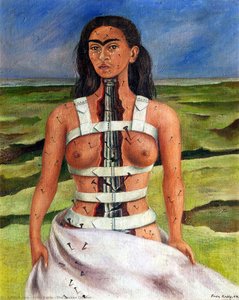
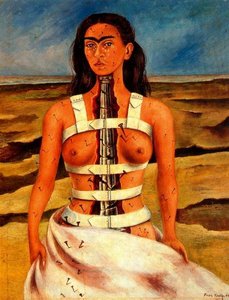
- 「断片化された柱」は、事故による脊椎損傷を直接的に表し、身体的な苦痛と精神的な強さを同時に伝えている。
ディエゴ・リベラとの愛と芸術的影響
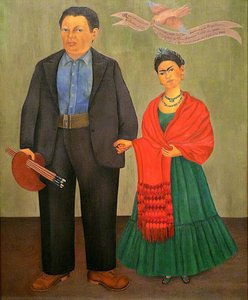
フリーダとディエゴの関係は、メキシコ美術界における一大ロマンスとして知られている。二人は互いに才能を認め合い、刺激しあいながら、芸術家としての道を歩み続けた。1929年の結婚から、その後の数十年間にわたって、二人の関係は愛と憎しみ、信頼と裏切りが入り混じった複雑なものであった。ディエゴの浮気や政治的な活動への関与は、フリーダに大きな苦痛を与えたが、同時に彼女の芸術的成長を促す原動力にもなった。ディエゴは、フリーダの作品に対する批評眼を持ち、彼女の才能を積極的に後押しした。また、メキシコ革命後のナショナリズムの高まりの中で、ディエゴが推進するメキシコ文化への回帰も、フリーダの芸術に影響を与えたと考えられる。1930年代には、ディエゴと共にアメリカ合衆国を訪れ、そこで経験した異文化との出会いもまた、彼女の作品に新たな視点をもたらした。世界的な評価と現代への遺産
フリーダ・カーロは生前、メキシコ国内では一定の評価を受けていたものの、国際的にはそれほど知られていなかった。しかし、1970年代以降、フェミニズム運動の高まりとともに、彼女の作品は世界中で再評価され、その芸術的価値と社会的意義が広く認識されるようになった。1983年にヘイデン・ヘラーによって書かれた伝記は、フリーダの人生と芸術をより多くの人々に知らしめ、彼女をアイコンとして確立させた。今日、フリーダ・カーロは、メキシコを代表するアーティストの一人としてだけでなく、女性の自己表現、苦難からの再生、そして文化的なアイデンティティの探求という普遍的なテーマを体現する存在として、世界中の人々から愛され、尊敬されている。彼女の作品は、今もなお、私たちに勇気と希望を与え続けている。コヨアカンにある青い家(ラ・カーサ・アズール)は、フリーダの生家であり、現在では博物館として一般公開されており、多くの人々が訪れてその芸術と人生に触れている。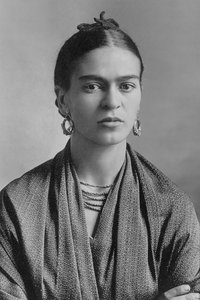
フリーダ・カーロ
1907 - 1954 , メキシコ
基本情報
- フルネーム: マグダレナ・カルメン・フリーダ・カーロ・イ・カルデロン
- 主な作品:
- 二重のフリーダ
- 茨のネックレスとハチドリの自画像
- 壊れた柱
- ヘンリー・フォード病院
- 出生地: コヨアカン、メキシコシティ、メキシコ
- 国籍: メキシコ人
- 影響を与えたアーティストまたは運動:
- キアノ美術
- フェミニストアーティスト
- 影響を受けたアーティスト:
- メキシコ民芸家
- ヨーロッパのルネサンス画家
- 死亡年月日: 1954年7月13日
- 生年月日: 1907年7月6日
- 芸術運動またはスタイル: シュルレアリスム、フォークアート
関連記事
Frida Kahlo: A Life Painted – Surrealism, Identity & Autobiographical Narrative
Explore the life & art of Frida Kahlo – a journey through surrealism, identity, pain, and resilience. Discover her autobiographical masterpieces & lasting feminist legacy with ArtsDot.

Giclée Prints: Archival Quality & Aesthetic Nuances for the Discerning Collector
Explore the world of giclée prints with ArtsDot. Learn about archival quality, aesthetic nuances & investment potential. Expert guidance for discerning art collectors seeking museum-quality reproductions and lasting value.
Surrealist Painting Masterpieces: 10 Artworks That Redefined Reality | ArtsDot
Journey into the dreamlike world of Surrealism! Explore 10 masterpieces by Dali, Magritte & Miró that redefined art. Discover their stories & find museum-quality reproductions to elevate your home decor on ArtsDot.com.

The Enduring Legacy of Fine Art Prints: Technique, History & Aesthetic Impact
Explore the rich history & techniques of fine art prints. Discover investment potential, assess authenticity, and learn how to preserve your collection with expert guidance. Trusted insights for discerning collectors.

Echoes of Time: Exploring the Enduring Appeal & Historical Context of Vintage Art Prints
Explore the captivating world of vintage art prints! Discover their history, collecting tips & enduring appeal. Expert insights on chromolithography and building a legacy collection with ArtsDot.