

 プレビュー
プレビュー
 プリントを購入
 シェアする
シェアする シェアする
シェアする
 詳細を見る
詳細を見る

 ダウンロード
 似ている作品
 X線調査
X線調査 スライドショー
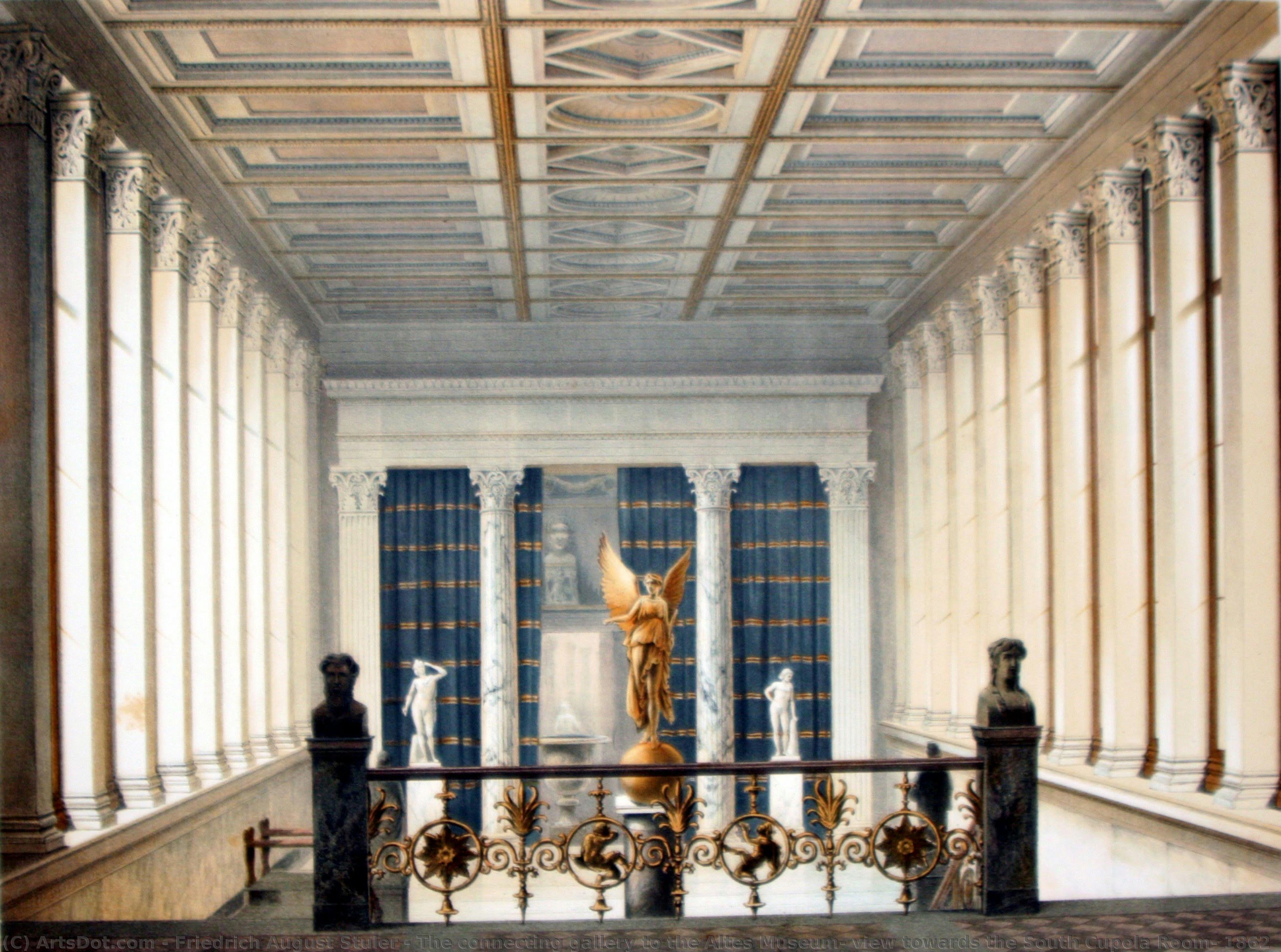
アルテ博物館への接続ギャラリー、南ドーム室を見つめる眺め」


 詳細を見る
詳細を見る
オンラインプレビューをはるかに凌ぐ、高解像度で鮮明なデジタル画像をご購入いただけます。
各ファイルは、社内の専門家が高度なツールと熟練した手作業によるレタッチを用いて、細心の注意を払って準備されています。すべての画像において、卓越した鮮明度、正確な色彩再現性、そして繊細なディテールを保証いたします。
最終ファイルは、プロフェッショナルな編集・印刷環境ですぐにご利用いただけるよう最適化された状態で、72時間以内にメールにてお届けいたします。これは、一流のデザインスタジオ、出版社、ギャラリーから信頼されているものと同等の品質です。
デジタル画像のご注文に付随する特典
高品質なデジタル画像配信を、確かな品質で。
ArtsDot.com を選ぶことは、単に画像を手に入れることではありません。それは、プロの手によって精密に仕上げられ、満足保証が付いた高品質なデジタルアートワークを受け取ることを意味します。ご注文いただいた際に自動的に付随する内容は、以下の通りです:

メールですぐにお届け
ご注文から72時間以内に、高解像度のデジタル画像ファイルがメールでお手元に届きます。すぐにそのままご利用いただけます。

AI技術で最適化されたデジタルファイル
お客様の作品は、高度なAIツールと専門家による手作業の編集を組み合わせてプロフェッショナルに最適化されており、細部のディテール、鮮明さ、そして正確な色再現性を最大限に引き出しています。

一生涯無料の再送サービス
ファイルを誤って削除したり、紛失してしまったりしましたか?ご安心ください。いつでも無料で再送いたします。

輸入手数料は一切かかりません
関税や手数料、配送料を気にすることなく、お気に入りのアートワークをすぐにお楽しみいただけます。デジタルダウンロードは常に免税です。

色彩再現の保証
プロ仕様のツールとカラーマネジメント技術を用いることで、デジタル画像が元の色を最大限に忠実に再現することを保証いたします。

60日間満足保証
ご購入いただいたデジタル画像にご満足いただけない場合は、60日以内であれば、修正または100%の返金(理由を問う必要はありません)をさせていただきます。

100% 返金保証
ご満足いただけない場合は、デジタルファイルを受け取ってから60日以内であれば、理由を問わず全額返金いたします。

まとめ買い割引
3枚購入で10%OFF - 5枚購入で15%OFF - 10枚以上購入で20%OFF。クリエイティブなプロジェクト、ギャラリー、エージェンシーに最適です。
フリヒャルト・アウグスト・シュテュラーの「アルテ博物館への接続ギャラリー、南ドーム室を見つめる眺め」、1862年
フリヒャルト・アウグスト・シュテュラーは、ドイツのベルリンで生まれ、1865年に亡くなったプロイセン建築家の間で最も重要な人物の一人です。彼は単なる建築家ではありませんでした。カール・フリードリヒ・シェンケルのネオクラシスムを championed する理想と彼の時代の美的感覚の間を繋ぐ役割を果たしました。シュテュラーのキャリアは数十年間続き、建築における卓越性を追求し続け、プロイセンの権威と王室の進化する好みに大きな影響を与えました。彼は芸術的な再現と研究の対象となる魅力的な人物であり、その遺産は美術愛好家やコレクター、インテリアデザイナーにとって特別な価値を持つものとなっています。 初期の影響とトレーニング シュテュラーの旅は、ベルリンにある Bauakademie で始まりました。ここで彼はカール・フリードリヒ・シェンケルの影響力のある指導の下で建築スキルを磨きました。シェンケルはネオクラシスムのアイコンであり、彼の芸術的な視点に大きな影響を与えた人物でした。Bauakademieでのトレーニングは、シュテュラーがその後の作品に大きな影響を与えることになります。彼はシェンケルの哲学と建築理論を深く理解し、プロイセン建築における伝統を守り続けました。 アルテ博物館の設計と芸術的意義 アルテ博物館は、プロイセン王室の権威と美しさを示す象徴的な建造物です。シュテュラーは、この壮大な空間を最大限に活かすために、洗練されたデザインと優れた技術を用いました。彼は特に南ドーム室のデザインにおいて、光と影の効果を巧みに利用し、訪れる人々を感動させました。ドーム室には美しい彫刻が配置されており、これらの彫刻はアルテ博物館の芸術的な価値を高めました。また、接続ギャラリーからの眺めは、博物館全体の壮大なスケールと調和しています。この眺めは、当時の美術家たちにインスピレーションを与え、プロイセン文化の栄光を表現しました。 シュテュラーのスタイルと技術:ネオクラシズムと伝統の融合 シュテュラーの建築スタイルは、シェンケルの影響を受けたネオクラシズムと、ドイツにおける伝統的な建築様式の要素を組み合わせたものでした。彼は古典的なデザイン原則を尊重しつつも、現地の環境や素材に合った設計を行うことを重視しました。彼の作品には、緻密な計算と優れた技術が用いられ、その結果として美しい建物が数多く生まれました。特に Hohenzollern Castle の建設は、シュテュラーの卓越した建築技術を示す代表的なプロジェクトです。彼はこの城をプロイセン王室の伝統を守りながら、現代的な快適さを実現させました。 結論:芸術と歴史の遺産 フリヒャルト・アウグスト・シュテュラーは、ドイツ建築史における重要な人物であり、彼の作品は今日でも多くの人々を魅了しています。アルテ博物館への接続ギャラリーから見た南ドーム室の眺めは、その壮大なスケールと美しい芸術的な表現力において特別な価値を持つものとなっています。この絵画は、シュテュラーの建築哲学と芸術的才能を象徴しており、彼の遺産は美術愛好家や歴史研究者にとって永遠に輝き続けるでしょう。関連作品
作家の略歴
Friedrich August Stüler: Architect of Prussian Grandeur
Friedrich August Stüler, born in Berlin on January 28, 1800, and tragically passing away on March 18, 1865, remains a pivotal figure in the history of Prussian architecture. More than simply an architect, he was a conduit between the neoclassical ideals championed by Karl Friedrich Schinkel and the burgeoning aesthetic sensibilities of his time. Stüler’s career spanned decades, marked by a relentless pursuit of architectural excellence and a profound impact on the visual landscape of Berlin and beyond. His legacy is inextricably linked to the grandeur of Prussian power and the evolving tastes of its monarchy, making him a compelling subject for artistic reproduction and study.Early Influences and Training
Stüler’s journey began within the hallowed halls of the Bauakademie (School of Architecture) in Berlin, where he diligently honed his skills under the tutelage of the immensely influential Karl Friedrich Schinkel. This formative period proved crucial; Stüler absorbed not only technical expertise but also Schinkel's profound understanding of classical proportions and the expressive potential of architecture. However, Stüler’s artistic development didn’t solely rely on imitation. He embarked on extensive travels throughout Europe – to France and Italy in 1829-30, and Russia in 1831 – immersing himself in the architectural traditions of these nations. These experiences broadened his perspective, introducing him to Renaissance revival styles and inspiring a synthesis of influences that would characterize much of his later work. Crucially, he learned from Eduard Knoblauch, another prominent architect who had studied under Schinkel, further solidifying his grounding in classical principles.Masterpieces of the Prussian State
Stüler’s career truly ascended with his appointment as Hofbauinspektor (Royal Buildings Inspector) and Hofbaurat (Royal privy councillor for buildings) in 1832. This prestigious position afforded him direct access to the royal court, allowing him to undertake some of Prussia's most ambitious architectural projects. The *Neues Museum* in Berlin stands as his undisputed masterpiece – a testament to his innovative use of color and form, pushing beyond mere imitation of classical styles into a more expressive and dynamic design. The dome of the triumphal arch of the Berliner Stadtschloss, completed around 1860, is another iconic achievement, showcasing Stüler’s mastery of monumental scale and intricate detailing. Beyond these grand structures, he also designed the *alte Nationalgalerie* (Old National Gallery), a significant building reflecting his architectural style, and contributed to the design of *Hohenzollern Castle*, demonstrating his skill in creating imposing and dignified royal residences. The connecting gallery to the Altes Museum, completed in 1862, is a remarkable example of his ability to seamlessly integrate new structures with existing historical monuments.Beyond Berlin: Expanding Horizons
Stüler’s influence extended far beyond the borders of Berlin. He was commissioned to design significant buildings throughout Prussia and even ventured abroad, notably undertaking the reconstruction of the Winter Palace in Saint Petersburg (though this project ultimately fell through due to Tsar Nicholas I's preference for preserving the existing Baroque structure). His work also included designing churches, castles, and public buildings in cities like Potsdam, Koblenz, Trier, and Stockholm. His involvement in the design of the Emanuelkirche in Niemegk, though unfinished at his death, exemplifies his continued dedication to architectural innovation. The Burg Hohenzollern, completed around 1850, stands as a particularly striking example of his ability to create visually arresting and historically resonant structures.Legacy and Influence
Friedrich August Stüler’s legacy is profound and enduring. He played a crucial role in shaping the architectural landscape of Prussia during the 19th century, bridging the gap between classical tradition and evolving aesthetic sensibilities. His designs continue to be studied by architects and art historians today, admired for their elegance, grandeur, and skillful integration of historical influences. The *Neues Museum*, in particular, remains a symbol of Berlin’s cultural heritage and a testament to Stüler's visionary genius. His work stands as a powerful reminder of the transformative power of architecture to shape not only physical spaces but also the identity and aspirations of a nation.Further Exploration
For more detailed information on Stüler’s life, works, and artistic influences, consider visiting these resources:- Main Stairs, Neues Museum, about 1850, Source: Berlin und seine Kunstschätze, Payne Leipzig und Dresden, ca. 1850: Explore this artwork
- The connecting gallery to the Altes Museum, view towards the South Cupola Room, 1862: Discover this artwork
- Altes Museum: Learn more about the Altes Museum and its significance
- Friedrich August Stüler - Google Arts & Culture: Explore this resource
- Friedrich August Stüler - Wikipedia: Read the Wikipedia article
- Friedrich August Stüler: Visit our artist page for more information
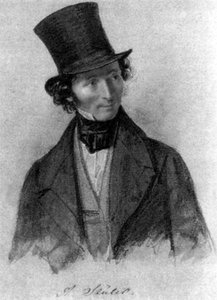
friedrich august stuler
1800 - 1865

