

 プレビュー
プレビュー
 シェアする
シェアする シェアする
シェアする
 詳細を見る
詳細を見る

 ダウンロード
 似ている作品
 X線調査
X線調査 スライドショー
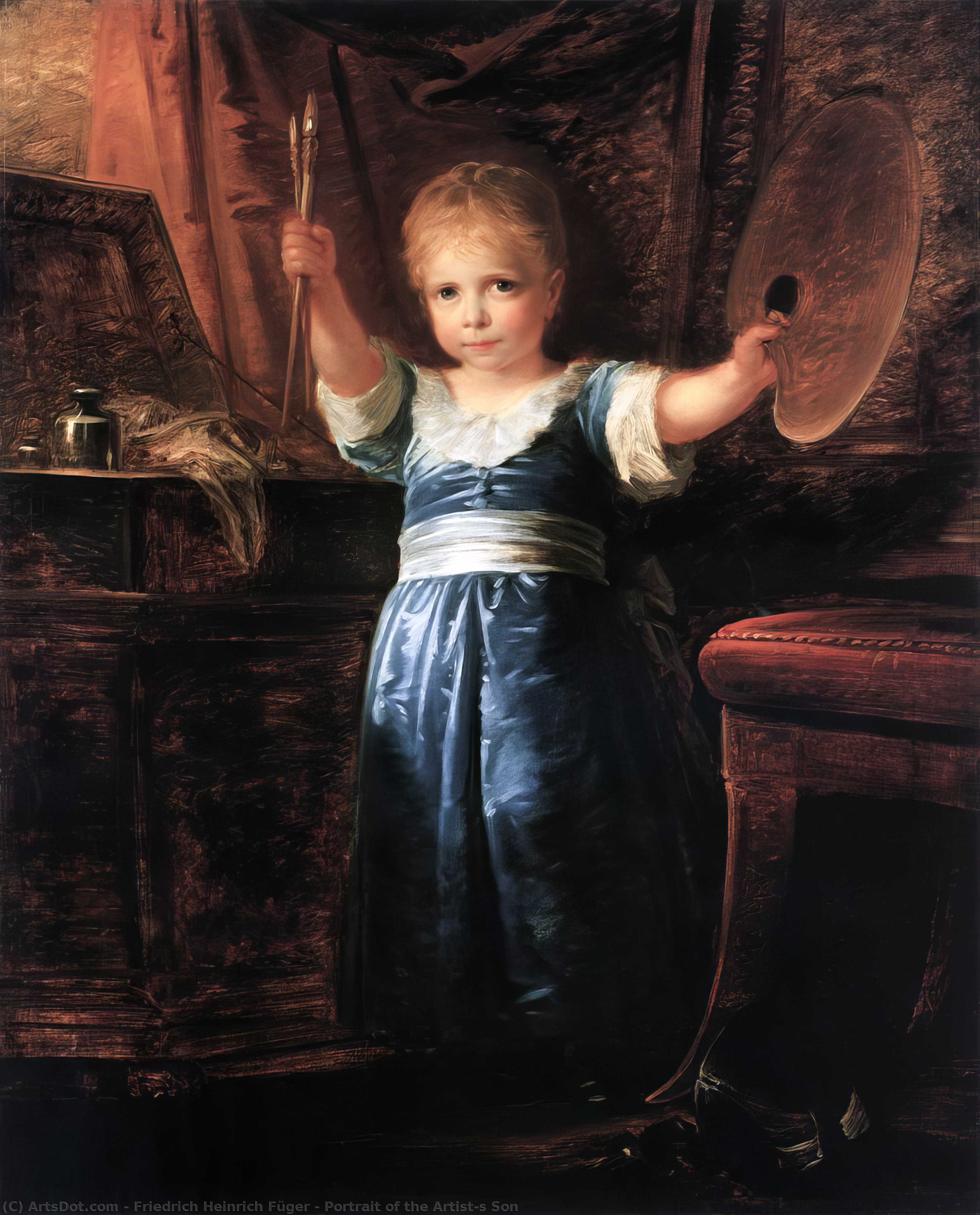
Portrait of the Artist's Son
 Oil On Canvas
- WallArt
- Neoclassical German Classicism
 19th Century
 110.0 x 88.0 cm
 オーストリア美術館ベルヴェデレ
 詳細を見る
詳細を見る
ジークレー/アートプリント
迅速な制作と多彩な仕上げオプションを備えた、ミュージアムクオリティのジークレーまたはキャンバスプリント。 ( 手描きの絵画を購入 画像を購入)




P118B $10

P118H $10

P118W $10

P438Z $10

P508JH $12

P508YH $12

P805H $10

P805Z $10

P919BZ $10

P919G $10

P919XJ $10

P959ZH $10

P968JZ $12

W106C $8

W218G $10

W218JH $8

W218Y $10

W307PJ $10

W316G $10

W316PJ $8

W316Y $10

W398PJ $8

W4111J $10

W500HY $15

W500JH $15

W692G $12

W849H $8

W940BG $15

W953PJ $8




作品のオリジナル比率に合わせた、当店の規定サイズからお選びください。

特定のフレームやスペースに合わせて、ご自身でサイズを指定することも可能です。選択されたサイズが元の画像の比率と一致しない場合、作品をトリミングするか、鏡面反射または単色での塗りつぶしによって画像を拡張いたします。制作を開始する前に、ご確認用のデジタルモックアップをお送りいたします。
画面上のプレビューには、実際のトリミングや拡張は反映されませんのでご注意ください。最終的な構図を正確に確認できるのは、モックアップのみとなります。
カスタムサイズも承っておりますが、元の比率を維持するためには、あらかじめ用意されたリストからサイズを選択することをお勧めいたします。


 ガラスオプションは、110cm未満のサイズでのみご利用いただけます。

Portrait of the Artist's Son
ジークレー/アートプリント
複製画のサイズ
-


合計金額
$ 62
Portrait of the Artist's Son by Friedrich Heinrich Füger
The painting “Portrait of the Artist’s Son” by Heinrich Friedrich Füger stands as a testament to the ideals of German Classicism, capturing a moment frozen in time with remarkable precision and imbued with subtle emotional resonance. Executed around 1789-1801 during Füger's tenure at the Bavarian Court, it exemplifies the stylistic conventions championed by Adam Friedrich Oeser and embodies the Enlightenment’s fascination with idealized beauty and rational representation.- Subject Matter: The artwork depicts a young boy—likely Füger’s son—seated attentively before a table laden with artistic tools: brushes, palettes, and a bottle of ink. This deliberate inclusion speaks to the artist's profession and underscores the importance of creativity within his familial life.
- Style & Technique: Füger adheres rigorously to Neoclassical principles, prioritizing clarity of form and balanced composition—characteristics prevalent in the art academies of his era. The painting utilizes oil paint on canvas, applying smooth brushstrokes to achieve a luminous surface finish that captures the boy’s gaze with remarkable realism.
- Historical Context: Produced during the reign of Maximilian Joseph I, Füger's portrait reflects the broader cultural climate of Bavaria—a region deeply invested in fostering artistic excellence and upholding aristocratic traditions. It aligns perfectly with the prevailing aesthetic sensibilities of the time, mirroring the grandeur and restraint favored by artists like Anton Raphael Mengs.
- Symbolism: The boy’s posture exudes confidence and concentration, symbolizing intellectual curiosity and dedication to craft—values highly regarded within the Enlightenment. Furthermore, the inclusion of artistic instruments serves as a visual metaphor for creativity and artistic legacy, hinting at Füger's desire to transmit his passion for painting to his son.
- Emotional Impact: Despite its formal restraint, “Portrait of the Artist’s Son” possesses an undeniable warmth. The boy’s gaze engages the viewer directly, inviting contemplation and fostering a connection between artist and subject—a hallmark of Neoclassical portraiture aimed at conveying dignity and virtue.
Further Exploration: Influences & Comparisons
Füger's work owes considerable debt to earlier masters like Rembrandt and Rubens, whose mastery of chiaroscuro and psychological realism profoundly impacted the artistic landscape of Europe. Notably, the composition echoes elements found in Hans Holbein the Younger’s “Portrait of the Artist’s Family,” specifically the careful positioning of figures within a confined space—a technique designed to maximize visual impact and convey profound emotional depth.Provenance & Reproduction Considerations
The painting currently resides in the Kunstmuseum Basel, having passed through several aristocratic collections throughout its history. Reproductions of “Portrait of the Artist’s Son” are available from reputable art dealers specializing in high-quality prints on archival paper—a splendid addition to any discerning interior design scheme or a captivating piece of art history for collectors seeking authentic representations of German Classicism.Related Artists
Consider exploring the oeuvre of fellow Neoclassical painters such as Johann Christian Richter and Anton Raphael Mengs, whose stylistic approaches share similar affinities with Füger’s artistic vision—artists who similarly championed clarity, balance, and idealized beauty in their depictions of human subjects.関連作品


アーティストの略歴
古典的な理想に捧げられた生涯
1751年にドイツのハイルブロンで生まれたフリードリヒ・ハインリヒ・フラーは、ドイツの古典主義運動における極めて重要な人物として頭角を現れ、その時代の芸術景観に消しがたい足跡を残しました。彼の道のりは、シュトゥットガルトでのニコラ・ギバルによる基礎的な訓練から始まり、そこで彼は不可欠な技術を磨き上げました。この初期の学びは、ライプツィヒでのアダム・フリードリヒ・オーザーからの研究によってさらに豊かになり、啓蒙時代の特徴である秩序と理性を重んじる支配的な美学原理に彼を深く浸らせました。しかし、真に彼の芸術的ビジョンに火をつけたのは、イタリアへの長期滞在、特にローマとナポリでの日々でした。古典芸術と建築の壮大さは彼の心に深く響き渡り、理想化された形態、均衡のとれた構図、そして表現の明晰さに対する生涯にわたる献身を確固たるものにしました。カゼルタ宮殿における記念碑的なフレスコ画への関与は、大規模な構成に関する貴重な経験をもたらし、やがてウィーンの芸術界を魅了するであろう芽生え始めた才能を証明したのです。ウィーンでの飛躍:宮廷画家にしてアカデミーの指導者
ウィーンに戻ったフラーは、オーストリアの芸術界において急速に地位を築き上げました。彼が宮廷画家として任命されたことは、彼の高まる名声と技術力の証であり、皇帝や貴族のパトロンから数多くの依頼を受ける機会を与えました。この名誉ある地位は、単に後援者の権力と威信を反映した作品を制作することを可能にしただけでなく、首都における主要な芸術的発言者としての地位を確立する上でも役立ちました。絵画の分野にとどまらず、フラーは教育に情熱を注ぎ、ウィーン美術アカデミーの教授職を受けました。彼は自らの知識と専門知識を意欲ある芸術家たちに惜しみなく分かち合い、次世代のドイツ古典主義画家たちを形作っていきました。彼の影響力は1806年に頂点に達し、ベルヴェデーレ美術館の館長に任命されたことで確固たるものとなり、ウィーンの美術行政と審美眼における中心的な存在としての地位を確立しました。この役割を通じて、彼は自らの古典的な理想に沿った作品を選定し促進することができ、オーストリア文化におけるそれらの重要性をさらに強固なものにしたのです。多様な作品群:歴史画から王族の肖像まで
フラーの芸術的成果は驚くほど多岐にわたり、道徳的な重みを持った歴史場面、著名な人物の威厳ある肖像画、そして複雑なテーマを探求する寓意的な構図を網羅していました。彼の最も称賛される作品の中には、ウィーンのチェルニン美術館に所蔵されている、市民の義務と犠牲を描いた劇的な「コリオラヌスの別れ」や、当時の政治情勢を象徴的な機微をもって捉えた「ウィーンの平和の寓意」(1801年)、そして喪失と英雄主義の哀切な描写である「ゲルマニクス帝の死」(1789年)があります。彼の技術は肖像画にも及び、皇帝ヨーゼフ2世やヴュルテンベルク大公妃エリザベト・ヴィルヘルミーネ、さらには名高いイギリス海軍の英雄ホレイショ・ネルソンといった影響力のある人物たちを不朽のものとしました。これらの肖像画は単なる似顔絵ではありません。それらは被写体の個性や地位を驚くほど繊細に描き出す洞察に満ちた性格研究なのです。彼の様式は一貫して古典的な原則、すなわち理想化された形態への焦点、均衡のとれた構図、そして細部への綿密な注意を遵守しており、しばしば演劇的な華やかさで彩られることで感情的な響きを高めていました。遺産と永続する影響
ドイツにおける古典主義の主要な提唱者として、フリードリヒ・ハインリヒ・フラーは自らの時代の芸術景観を形作る上で極めて重要な役割を果たしました。彼の作品は啓蒙思想の知的潮流を反映しており、理性、秩序、そして市民的徳といった価値観を強調し、これらはオーストリア社会に深く共鳴するものでした。彼自身の絵画を超えて、フラーの影響力は多くの弟子たちへの指導を通じて広がり、グスタフ・フィリップ・ツヴィンガーやフランシシェク・カサヴェリ・ランピなど、彼ら自身が芸術的な成功を収め、古典主義の灯を未来へと繋いでいきました。創造と教育の両方に対する彼の献身は、彼の美学的な原則が何世代もの芸術家たちにインスピレーションを与え続けることを保証しました。フラーは1818年にウィーンで亡くなり、その世代における最も重要なドイツ古典主義画家の一人としての遺産を残しました。それは、美しさ、秩序、そして知的な厳密さへの彼の献身が今日なお観客を魅了し続けている芸術家です。彼の作品群は、古代の壮大さと道徳的な明晰さを復活させようとした時代への証言として今も存在しているのです。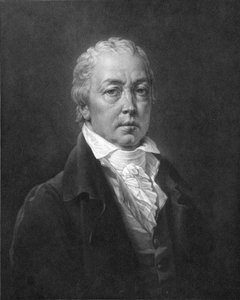
フリードリヒ・ハインリヒ・フィーガー
1751 - 1818 , ドイツ
基本情報
- Artistic Movement Or Style: 古典主義
- Artists Or Movements Influenced By This Artist:
- グスタフ・フィリップ・ツヴィンガー
- フランシシェク・クシャヴェリ・ランピ
- Artists Who Influenced This Artist:
- ルイ・ダヴィッド
- アントン・ラファエル・メンクス
- Date Of Birth: 1751年12月8日
- Date Of Death: 1818年11月5日
- Full Name: フリードリヒ・ハインリヒ・フィーガー
- Nationality: ドイツ人
- Notable Artworks:
- コロリアヌスの別れ
- ウィーンの平和の寓意
- ゲルマニクス帝の死
- Place Of Birth: ハイ<strong>ル</strong>ブロン、ドイツ
関連記事

The Enduring Legacy of Oil on Canvas: Technique, History & Aesthetic Impact
Explore the rich history & techniques of oil painting – from Renaissance masters to Impressionism. Discover pigments, layering methods, and why this timeless medium endures. Expert insights for artists & art enthusiasts.
Neo-Classicism's Greatest Hits: 10 Masterpieces for Your Home |
Journey through Neo-Classicism's finest! Explore 10 iconic masterpieces by David, Ingres & Canova. Discover art history, techniques & timeless beauty – perfect for inspiring your home decor. Find museum-quality reproductions at

Oil on Canvas: A Historical & Technical Exploration of a Timeless Artistic Medium
Explore the rich history & enduring techniques of oil painting on canvas. Discover the science behind its longevity, conservation practices, and contemporary relevance. Expert insights for art enthusiasts.
The Enduring Legacy of Classicism: Principles, Evolution & Influence in Western Art
Explore the enduring legacy of Classicism in Western art! Discover its historical context, key principles, iconic masterpieces & lasting influence. Learn about Renaissance and Neoclassical movements with ArtsDot.

The Enduring Power of Painting: A Historical & Contemporary Exploration of Form and Emotion
Explore the rich history & enduring techniques of oil painting with ArtsDot. Discover masterpieces, learn about art collecting, and find authentic handmade reproductions crafted by skilled artists.

