

 プレビュー
プレビュー
 シェアする
シェアする シェアする
シェアする
 詳細を見る
詳細を見る

 ダウンロード
 似ている作品
 X線調査
X線調査 スライドショー
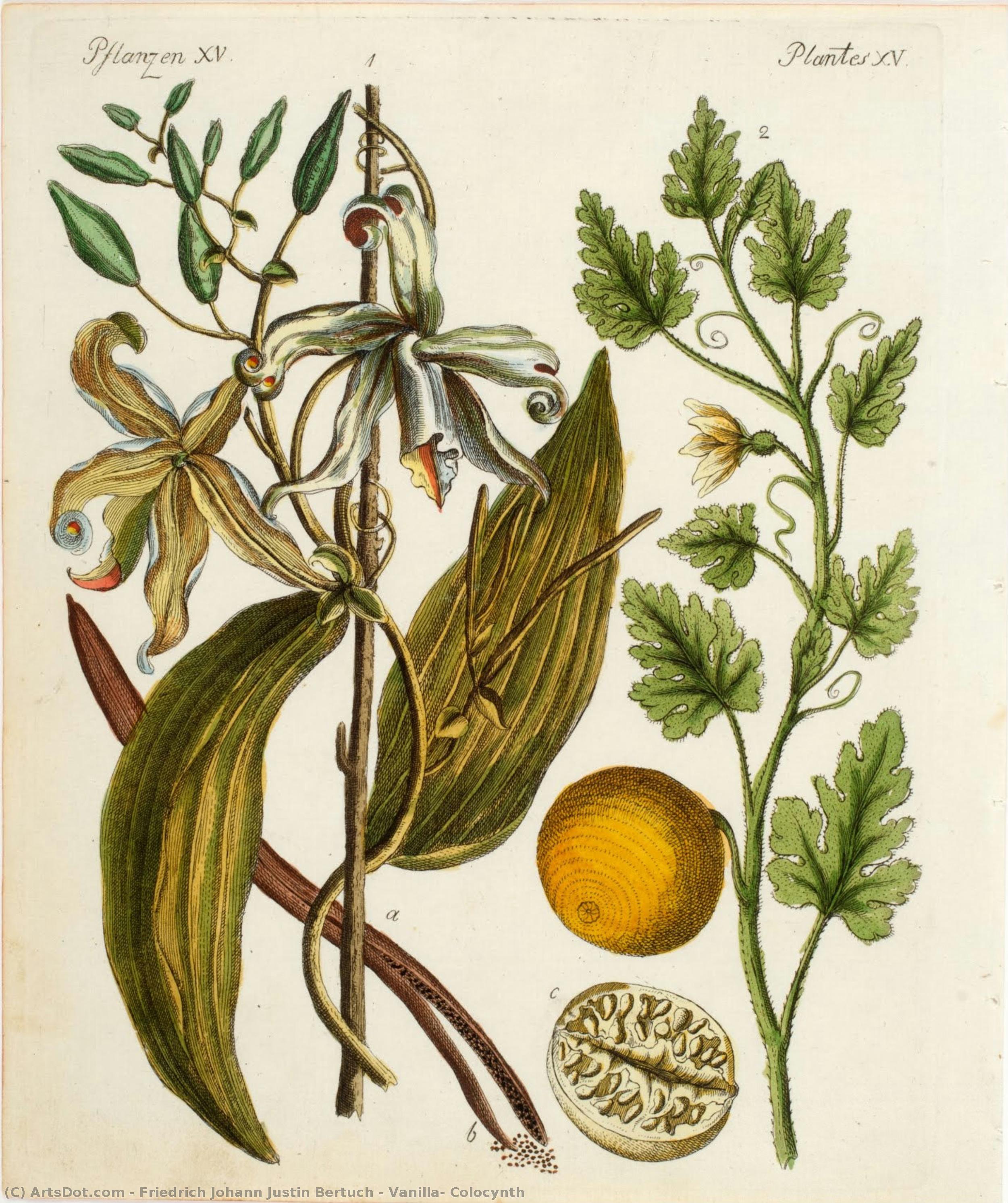
Vanilla, Colocynth


 詳細を見る
詳細を見る
ジークレー/アートプリント
迅速な制作と多彩な仕上げオプションを備えた、ミュージアムクオリティのジークレーまたはキャンバスプリント。 ( 手描きの絵画を購入 画像を購入)




































作品のオリジナル比率に合わせた、当店の規定サイズからお選びください。

特定のフレームやスペースに合わせて、ご自身でサイズを指定することも可能です。選択されたサイズが元の画像の比率と一致しない場合、作品をトリミングするか、鏡面反射または単色での塗りつぶしによって画像を拡張いたします。制作を開始する前に、ご確認用のデジタルモックアップをお送りいたします。
画面上のプレビューには、実際のトリミングや拡張は反映されませんのでご注意ください。最終的な構図を正確に確認できるのは、モックアップのみとなります。
カスタムサイズも承っておりますが、元の比率を維持するためには、あらかじめ用意されたリストからサイズを選択することをお勧めいたします。


 ガラスオプションは、110cm未満のサイズでのみご利用いただけます。

Vanilla, Colocynth
ジークレー/アートプリント
複製画のサイズ
-


合計金額
$ 62
関連作品









アーティストの略歴
The Architect of Weimar’s Visual Enlightenment
Friedrich Johann Justin Bertuch was far more than a mere publisher; he was a visionary architect of the German Enlightenment, a man whose life work wove together the threads of literature, natural science, and fine art. Born in 1747 in the culturally vibrant city of Weimar, Bertuch’s early years were marked by profound personal loss, yet these challenges served to forge an indomitable spirit of intellectual curiosity. Raised under the guardianship of his uncle, Gottfried Matthias Ludwig Schrön, Bertuch immersed himself in the rigorous academic atmosphere of the Weimar Gymnasium. While his formal studies initially led him toward theology and law at the University of Jena, his heart belonged to the burgeoning worlds of natural history and global literature. This passion for the tangible beauty of the natural world and the transformative power of the written word would eventually define his enduring legacy.
The trajectory of Bertuch’s life shifted dramatically through his encounter with influential mentors, most notably Freiherr Ludwig Heinrich Bachofen von Echt. This connection allowed him to abandon the dry confines of legal studies in favor of a more adventurous path, serving as a tutor and immersing himself in the linguistic richness of Spanish literature. His early triumphs as a translator—most famously bringing Don Quixote to a German-speaking audience through his own self-published edition in 1774—demonstrated an innate ability to bridge cultures and bring the wonders of the world to the local intellect. This period of linguistic exploration laid the groundwork for his later role as a gatekeeper of knowledge, where he would use the medium of print to disseminate the discoveries of a changing era.
A Legacy of Botanical Precision and Artistic Patronage
As Bertuch settled into the cultural heart of Weimar, his entrepreneurial spirit found its most profound expression in the realm of botanical illustration. He recognized that the scientific advancements of the 18th century required a new visual language—one that married the exacting precision of science with the delicate elegance of fine art. Through his publishing endeavors, he facilitated the creation of exquisite hand-colored etchings that captured the intricate details of flora such as the Vanilla and Colocynth. These works were not merely scientific records; they were masterpieces of light and texture, designed to evoke wonder in the viewer while serving the rigorous demands of botanical study. His ability to curate and publish such high-quality visual content helped establish a standard of excellence that resonated across Europe.
Beyond the printed page, Bertuch’s commitment to the cultivation of talent led to one of his most significant historical contributions: the co-founding of the Weimar Princely Free Drawing School in 1776 alongside the painter Georg Melchior Kraus. This institution was a radical manifestation of Enlightenment ideals, designed to democratize artistic education by providing a sanctuary for talent that might otherwise be stifled by social or economic limitations. By fostering an environment where creativity could flourish regardless of one's station in life, Bertuch helped transform Weimar into a true beacon of the arts. His work as a patron and educator ensured that the aesthetic values of his time were not just preserved but actively nurtured for future generations.
The historical significance of Friedrich Johann Justin Bertuch lies in his unique position at the intersection of commerce, science, and art. He was a man who understood that progress required both the intellect to understand the world and the beauty to appreciate it. His life’s work remains a testament to the power of the printed image and the enduring importance of artistic institutions in shaping the cultural soul of a nation. Through his meticulous publications and his dedication to the Weimar drawing school, he left an indelible mark on the history of German art, ensuring that the delicate beauty of the natural world and the transformative power of human creativity would forever be intertwined.
friedrich johann justin bertuch
1747 - 1822 , Germany
基本情報
- Artistic Movement Or Style: Enlightenment
- Artists Or Movements Influenced By This Artist: ['Johann Heinrich Meyer']
- Artists Who Influenced This Artist: ['Georg Melchior Kraus']
- Date Of Birth: September 30, 1747
- Date Of Death: April 3, 1822
- Full Name: Friedrich Johann Justin Bertuch
- Nationality: German
- Notable Artworks:
- Vanilla, Colocynth
- Oelbaum-Cacaobaum
- Place Of Birth: Weimar, Germany