

 プレビュー
プレビュー
 プリントを購入
 シェアする
シェアする シェアする
シェアする
 詳細を見る
詳細を見る

 ダウンロード
 似ている作品
 X線調査
X線調査 スライドショー
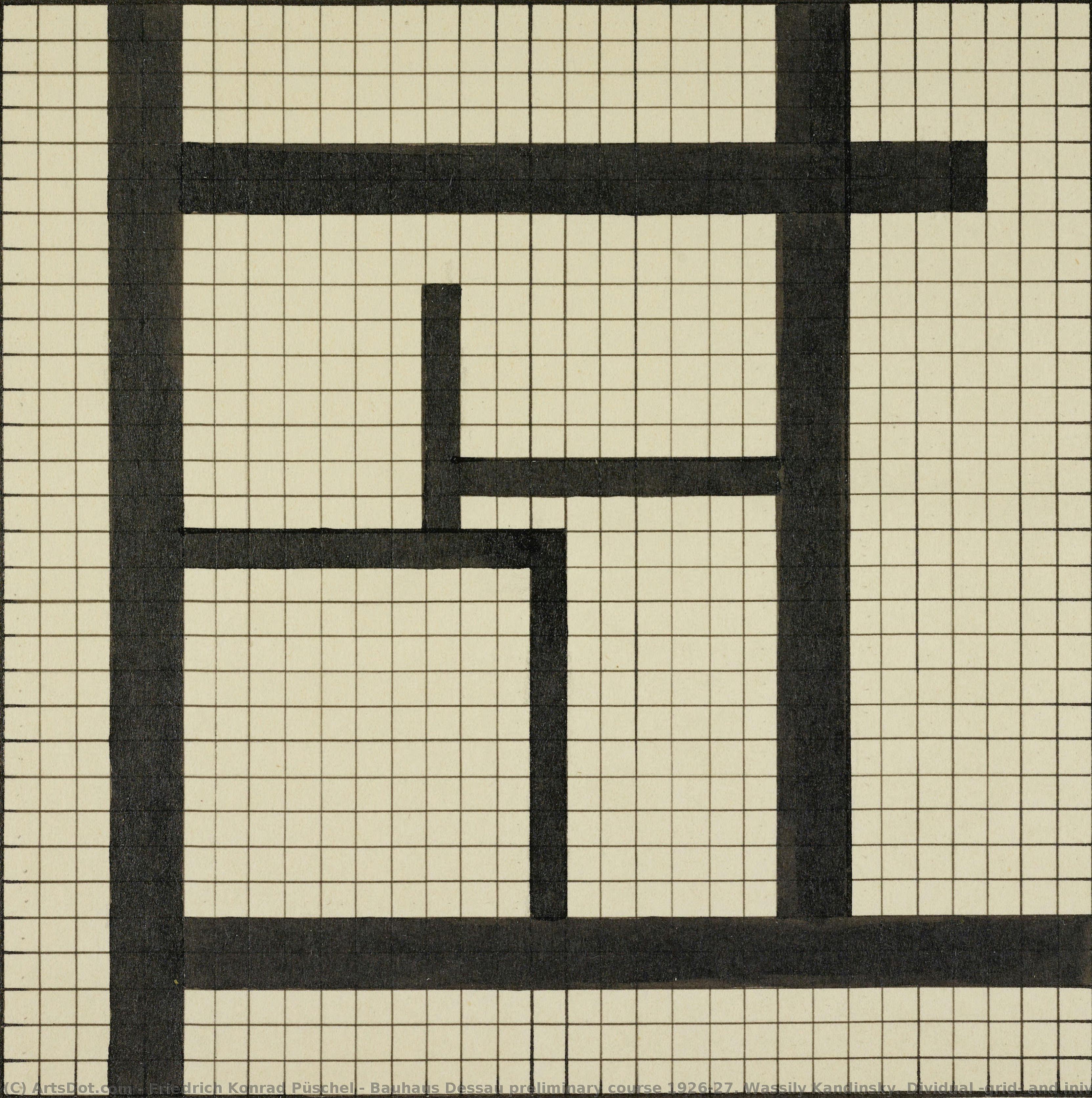
Bauhaus Dessau preliminary course 1926/27. Wassily Kandinsky. Dividual (grid) and inividual (black) design of the square
 Acrylic On Canvas
- WallArt
- Bauhaus Modernism
 1926
1926 21.0 x 29.0 cm
 バウハウス デッサウ フンドウション
 詳細を見る
詳細を見る
オンラインプレビューをはるかに凌ぐ、高解像度で鮮明なデジタル画像をご購入いただけます。
各ファイルは、社内の専門家が高度なツールと熟練した手作業によるレタッチを用いて、細心の注意を払って準備されています。すべての画像において、卓越した鮮明度、正確な色彩再現性、そして繊細なディテールを保証いたします。
最終ファイルは、プロフェッショナルな編集・印刷環境ですぐにご利用いただけるよう最適化された状態で、72時間以内にメールにてお届けいたします。これは、一流のデザインスタジオ、出版社、ギャラリーから信頼されているものと同等の品質です。
デジタル画像のご注文に付随する特典
高品質なデジタル画像配信を、確かな品質で。
ArtsDot.com を選ぶことは、単に画像を手に入れることではありません。それは、プロの手によって精密に仕上げられ、満足保証が付いた高品質なデジタルアートワークを受け取ることを意味します。ご注文いただいた際に自動的に付随する内容は、以下の通りです:

メールですぐにお届け
ご注文から72時間以内に、高解像度のデジタル画像ファイルがメールでお手元に届きます。すぐにそのままご利用いただけます。

AI技術で最適化されたデジタルファイル
お客様の作品は、高度なAIツールと専門家による手作業の編集を組み合わせてプロフェッショナルに最適化されており、細部のディテール、鮮明さ、そして正確な色再現性を最大限に引き出しています。

一生涯無料の再送サービス
ファイルを誤って削除したり、紛失してしまったりしましたか?ご安心ください。いつでも無料で再送いたします。

輸入手数料は一切かかりません
関税や手数料、配送料を気にすることなく、お気に入りのアートワークをすぐにお楽しみいただけます。デジタルダウンロードは常に免税です。

色彩再現の保証
プロ仕様のツールとカラーマネジメント技術を用いることで、デジタル画像が元の色を最大限に忠実に再現することを保証いたします。

60日間満足保証
ご購入いただいたデジタル画像にご満足いただけない場合は、60日以内であれば、修正または100%の返金(理由を問う必要はありません)をさせていただきます。

100% 返金保証
ご満足いただけない場合は、デジタルファイルを受け取ってから60日以内であれば、理由を問わず全額返金いたします。

まとめ買い割引
3枚購入で10%OFF - 5枚購入で15%OFF - 10枚以上購入で20%OFF。クリエイティブなプロジェクト、ギャラリー、エージェンシーに最適です。
作品の詳細
Bauhaus Dessau Preliminary Course 1926/27: A Grid of Ideas – Exploring Konrad Püschel’s Vision
The artwork "Bauhaus Dessau preliminary course 1926/27. Wassily Kandinsky" by Friedrich Konrad Püschel stands as a testament to the formative years of Bauhaus, Germany's revolutionary design school founded in 1919. Created in 1926 and housed at the Bauhaus Dessau Foundation in Dessau-Roßlau, this painting transcends mere visual representation; it embodies the core principles of the movement – simplification, functionality, and the exploration of abstract forms inspired by Kandinsky’s pioneering theories of color and spirituality. Measuring 21 x 29 cm, executed with ink on paper, Püschel's piece isn’t simply a depiction of a classroom setting; it’s an articulation of Bauhaus’s intellectual ambition.The Grid as Symbol: Structure and Harmony
At first glance, the painting presents a deceptively simple composition – a grid pattern overlaid upon a predominantly white background punctuated by strategically placed black squares. However, this seemingly straightforward arrangement holds profound symbolic significance. The grid itself represents order, rationality, and the Bauhaus ethos of disciplined design. It mirrors the architectural plans of Dessau’s iconic building designed by Walter Gropius, reflecting the school's commitment to constructing a new visual language rooted in geometric precision. As Kandinsky himself championed, grids can facilitate harmonious relationships between elements, guiding the eye towards balance and clarity – mirroring the Bauhaus aspiration for creating spaces that foster creativity and intellectual engagement.Technique and Materiality: Ink on Paper - A Delicate Balance
Püschel’s masterful technique utilizes ink on paper to achieve remarkable tonal subtlety. The artist skillfully employs varying shades of black, meticulously crafted to create a textured surface that captures the nuances of light and shadow. This deliberate choice contributes to the painting's contemplative mood and underscores the importance of tactile experience within Bauhaus aesthetics. Unlike more flamboyant artistic expressions of the era, Püschel’s approach prioritizes understated elegance, reflecting Bauhaus’s belief in functionality informing form—a core tenet that extends beyond architectural considerations into visual art. The paper substrate itself is chosen with care, providing a neutral backdrop against which the black squares can powerfully communicate their geometric essence.Historical Context: Kandinsky's Influence and Bauhaus Ideals
The painting’s genesis lies firmly within the intellectual ferment of the Weimar Republic and the burgeoning influence of Wassily Kandinsky’s groundbreaking explorations into synesthesia – the blending of senses, particularly sight and sound. Kandinsky’s theories argued that colors possessed inherent vibrational qualities capable of evoking emotional responses akin to musical notes. Püschel sought to translate this concept visually, demonstrating how geometric forms could convey spiritual ideas through color relationships. This reflects Bauhaus's broader ambition to liberate art from traditional representational constraints and embrace abstraction as a vehicle for expressing universal truths—a bold stance that positioned Bauhaus at the forefront of European artistic innovation during its formative years.Emotional Resonance: Quiet Contemplation and Intellectual Stimulation
Ultimately, “Bauhaus Dessau preliminary course 1926/27” invites viewers into a state of quiet contemplation. The stark contrast between black and white encourages introspection, prompting consideration of the grid’s symbolic power and Kandinsky's conceptual framework. More than just an aesthetic exercise, it represents Bauhaus’s conviction that art could inspire intellectual curiosity and contribute to shaping human consciousness—a legacy that continues to resonate within contemporary design discourse. It serves as a poignant reminder of the movement’s enduring commitment to exploring the intersection between form, function, and profound artistic expression.関連作品
作家の略歴
early life and education
friedrich konrad püschel, a german architect, town planner, and university professor, was born in 1907 in dessau, germany. he attended the renowned bauhaus design school, where he honed his skills in architecture and design.career highlights
püschel's illustrious career spanned across east germany, the soviet union, and north korea. as a university professor, he shared his expertise with numerous students, shaping the minds of future architects and designers. his work in town planning and architecture left an indelible mark on the countries where he worked.notable contributions
- the museum formerly collection bernhard koehler (berlin, germany): püschel's work was influenced by various art collections, including this renowned museum. although many of its artworks were lost or destroyed during world war ii, some surviving pieces can be found in museums worldwide.
- kunsthaus buhler stuttgart, germany: as a prominent figure in the architecture world, püschel's work was likely influenced by this esteemed art museum. kunsthaus buhler boasts an impressive collection of german and french art from the 19th century to the present day.
- unter den linden, berlin, germany: as a prominent architect, püschel might have worked on projects in this historic boulevard, home to several world-renowned museums. his contributions to the city's architecture are a testament to his skill and dedication.
legacy
friedrich konrad püschel passed away in 1997, leaving behind a legacy of innovative architectural designs and a lasting impact on the world of art and design. his work continues to inspire new generations of architects, town planners, and university professors. view more artworks by friedrich konrad püschel on https://ArtsDot.com/@/friedrich-konrad-puschel- discover the museum formerly collection bernhard koehler (berlin, germany) and its significance in the art world: /en/art/show/art-d3bmnh-en/
- explore the kunsthaus buhler stuttgart, germany and its impressive collection: /en/art/show/art-d3b469-en/
- learn more about the unter den linden, berlin, germany and its cultural significance: https://ArtsDot.com/@@/a@d3c97p-the-museum-unter-den-linden-berlin-germany
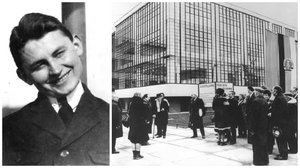
friedrich konrad püschel
1907 - 1997 , Germany
プロフィール概要
- Artistic Movement Or Style: Surrealism, Mexican folk art
- Artists Or Movements Influenced By This Artist: ['Mexican muralism']
- Artists Who Influenced This Artist: ['Diego Rivera']
- Date Of Birth: July 6, 1907
- Date Of Death: July 13, 1954
- Full Name: Magdalena Carmen Frida Kahlo y Calderón
- Nationality: Mexican
- Notable Artworks:
- The Two Fridas
- Henry Ford Hospital
- Self-Portrait with Thorn Necklace and Hummingbird
- Place Of Birth: Coyoacán, Mexico City

