

 プレビュー
プレビュー
 プリントを購入
 シェアする
シェアする シェアする
シェアする
 詳細を見る
詳細を見る

 ダウンロード
 似ている作品
 X線調査
X線調査 スライドショー
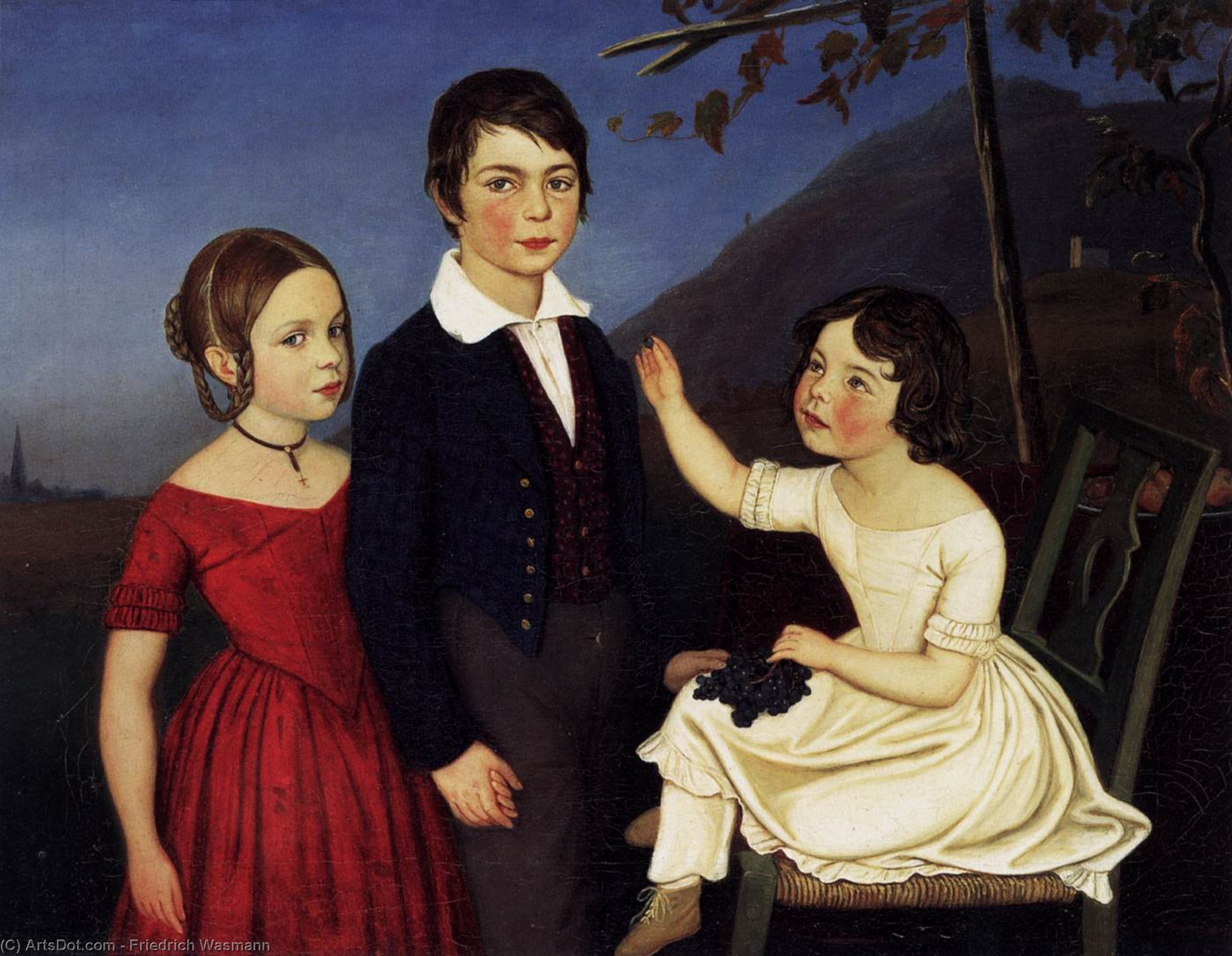
Paul, Maria, and Filomena von Putzer
 Oil On Canvas
- WallArt
- Biedermeier realism
 1870
1870- 19th Century
 38.0 x 49.0 cm
 ナショナル・ギャラリー
 詳細を見る
詳細を見る
オンラインプレビューをはるかに凌ぐ、高解像度で鮮明なデジタル画像をご購入いただけます。
各ファイルは、社内の専門家が高度なツールと熟練した手作業によるレタッチを用いて、細心の注意を払って準備されています。すべての画像において、卓越した鮮明度、正確な色彩再現性、そして繊細なディテールを保証いたします。
最終ファイルは、プロフェッショナルな編集・印刷環境ですぐにご利用いただけるよう最適化された状態で、72時間以内にメールにてお届けいたします。これは、一流のデザインスタジオ、出版社、ギャラリーから信頼されているものと同等の品質です。
デジタル画像のご注文に付随する特典
高品質なデジタル画像配信を、確かな品質で。
ArtsDot.com を選ぶことは、単に画像を手に入れることではありません。それは、プロの手によって精密に仕上げられ、満足保証が付いた高品質なデジタルアートワークを受け取ることを意味します。ご注文いただいた際に自動的に付随する内容は、以下の通りです:

メールですぐにお届け
ご注文から72時間以内に、高解像度のデジタル画像ファイルがメールでお手元に届きます。すぐにそのままご利用いただけます。

AI技術で最適化されたデジタルファイル
お客様の作品は、高度なAIツールと専門家による手作業の編集を組み合わせてプロフェッショナルに最適化されており、細部のディテール、鮮明さ、そして正確な色再現性を最大限に引き出しています。

一生涯無料の再送サービス
ファイルを誤って削除したり、紛失してしまったりしましたか?ご安心ください。いつでも無料で再送いたします。

輸入手数料は一切かかりません
関税や手数料、配送料を気にすることなく、お気に入りのアートワークをすぐにお楽しみいただけます。デジタルダウンロードは常に免税です。

色彩再現の保証
プロ仕様のツールとカラーマネジメント技術を用いることで、デジタル画像が元の色を最大限に忠実に再現することを保証いたします。

100日間満足保証
ご購入いただいたデジタル画像にご満足いただけない場合は、100日以内であれば、理由を問わず修正または100%の返金対応をさせていただきます。

100% 返金保証
ご満足いただけない場合は、デジタルファイルを受け取ってから100日以内であれば、理由を問わず全額返金いたします。

まとめ買い割引
3枚購入で10%OFF - 5枚購入で15%OFF - 10枚以上購入で20%OFF。クリエイティブなプロジェクト、ギャラリー、エージェンシーに最適です。
A Snapshot of Biedermeier Tranquility: “Paul, Maria, and Filomena von Putzer” by Friedrich Wasmann
This exquisite portrait, measuring 38 x 49 cm and dating from 1870, offers a poignant glimpse into the domestic life of the von Putzer family through the skilled hand of German artist Friedrich Wasmann. Painted during the Biedermeier period – a time of quiet reflection and an appreciation for the beauty of everyday scenes – the work embodies the style’s core tenets: a focus on intimate subjects, meticulous detail, and a harmonious blend of naturalism and sentimentality. Wasmann's ability to capture the subtle nuances of childhood innocence is particularly striking, creating a scene that feels remarkably immediate and authentic. The painting’s restrained palette, dominated by muted earth tones and soft blues, further contributes to its serene atmosphere, characteristic of Biedermeier aesthetics which sought to evoke a sense of calm and well-being.The Artist's Hand: Wasmann and the Biedermeier Tradition
Friedrich Wasmann (1805-1886), born in Hamburg, was a key figure within the Biedermeier movement. His artistic journey began with an apprenticeship under Christoffer Suhr, grounding him in the meticulous observation championed by the Hamburg art scene. This training, coupled with formal studies at the Dresden and Munich academies, equipped Wasmann with exceptional technical skills – particularly evident in his precise rendering of light and texture. Notably, Wasmann’s later work was profoundly influenced by his time spent in Merano (Bolzano), Italy, a region that provided him with an unparalleled understanding of Alpine landscapes and the subtle beauty of natural forms. This Italian sojourn is reflected in the painting's careful attention to detail and its evocative portrayal of the surrounding hillside.Subject and Symbolism: A Family Portrait
The scene depicts three young children – Paul, Maria, and Filomena von Putzer – posed within a comfortably furnished interior. The composition is deceptively simple; the children are seated on chairs before a backdrop of a distant landscape, their postures suggesting both engagement and a certain formality. The inclusion of objects like the wine glass and bowl adds to the sense of domesticity, hinting at a leisurely afternoon. While the precise symbolism within the scene remains open to interpretation, it’s likely intended to represent the family's prosperity and social standing – hallmarks of Biedermeier portraiture. The act of pointing from one child to another could symbolize familial connection and playful interaction, capturing a fleeting moment of childhood joy.Technique and Impression: A Masterful Rendering
Wasmann’s technique is characterized by its remarkable precision and attention to detail. His brushwork is smooth and controlled, creating a sense of depth and realism. The artist skillfully employs light and shadow to model the children's forms, emphasizing their youthful features and capturing the subtle textures of their clothing. The painting’s overall impression is one of quiet elegance and understated beauty – a testament to Wasmann’s mastery of the Biedermeier style. This reproduction faithfully recreates the original artwork's nuanced details, offering an exceptional piece for collectors and interior designers alike. None関連作品




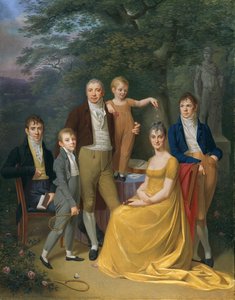
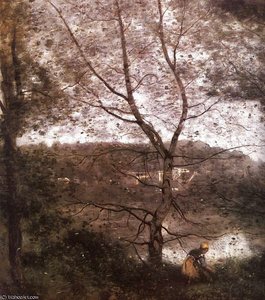
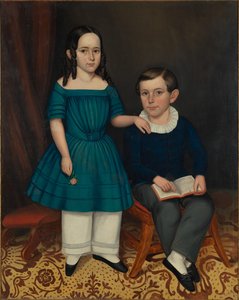
作家の略歴
The Quiet Observer: The Life and Art of Friedrich Wasmann
Rudolph Friedrich Wasmann (1805–1886) remains one of the most poignant voices of the Biedermeier era, a period defined by its retreat into domestic intimacy and the serene observation of the natural world. Born in the bustling port city of Hamburg, Germany, Wasmann’s artistic soul was shaped early on through a rigorous apprenticeship under the painter Christoffer Suerr. This foundational training instilled in him a lifelong devotion to meticulous detail and a technical precision that would become his hallmark. His journey took him from the influential artistic circles of Hamburg to the prestigious halls of the Dresden Academy of Fine Arts and the Munich Academy of Fine Arts, where he refined his ability to capture the subtle interplay of light, texture, and atmosphere. As his career unfolded, Wasmann’s gaze drifted southward toward the breathtaking landscapes of the Tyrol, a region that would become the spiritual and creative heart of his life. Settling in Merano—now part of Italy—he found himself immersed in an environment that offered both topographical grandeur and a sense of profound tranquility. It was here that his style began to coalesce into a unique synthesis of Biedermeier realism and the spiritual depth of the Nazarene movement.A Synthesis of Spirit and Realism
The period between 1832 and 1835 marked a transformative chapter in Wasmann’s development as he lived in Rome. During these years, he encountered the luminaries of the Nazarene movement, including Friedrich Overbeck and Joseph Anton Koch. This exposure to a community dedicated to religious iconography and spiritual contemplation left an indelible mark on his psyche. His conversion to Catholicism during this time was not merely a personal milestone but a profound artistic pivot; it infused his work with a sense of quiet dignity and moral gravity. Unlike the more theatrical or melodramatic tendencies found in some Romantic contemporaries, Wasmann utilized these influences to pursue a more restrained, meditative beauty. His oeuvre reflects this delicate balance between the earthly and the divine. In his landscapes, one can observe the atmospheric weight of the Alpine scenery, rendered with a clarity that honors the physical world while hinting at a deeper, more contemplative stillness. His portraits, too, embody the Biedermeier ideal of domestic peace. Works such as “Paul, Maria, and Filomena von Putzer” serve as exquisite windows into the private lives of the era, capturing childhood innocence and familial warmth through a palette of muted earth tones and soft, luminous blues.Legacy and Historical Significance
Beyond his canvases, Wasmann’s life was characterized by a deep connection to the regions he inhabited. After years spent working as a portrait painter in Merano and Bolzano, he eventually returned to Hamburg, where he married Emilie Krämer. His legacy is preserved not only in the galleries of the Kunsthalle Hamburg but also through his literary contributions, most notably his popular autobiography, which provides a rare, firsthand glimpse into the life of a nineteenth-century German master. The historical significance of Friedrich Wasmann lies in his ability to navigate the shifting tides of nineteenth-century art—moving from the precision of his early training to the spiritualized realism of his maturity. He remains a vital figure for understanding how the Biedermeier style functioned as a sanctuary of calm amidst the larger, more turbulent movements of European history. His work continues to resonate with those who find beauty in the understated, the intimate, and the eternally serene.- Artistic Movements: Biedermeier Realism, Nazarene Movement
- Key Influences: Christoffer Suhr, Friedrich Overbeck, Joseph Anton Koch
- Notable Locations: Hamburg, Dresden, Munich, Rome, Merano
- Major Themes: Alpine landscapes, religious iconography, domestic portraiture
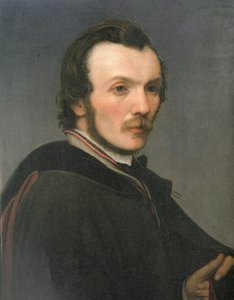
Friedrich Wasmann
1805 - 1886 , Germany
プロフィール概要
- Artistic Movement Or Style: Biedermeier Painting
- Artists Or Movements Influenced By This Artist: ['Nazarene Movement']
- Artists Who Influenced This Artist: ['Christoffer Suhr']
- Date Of Birth: Hamburg, Germany (1805)
- Date Of Death: 1886
- Full Name: Rudolph Friedrich Wasmann
- Nationality: German
- Notable Artworks:
- Portrait of Mrs Pastor Hiibbe
- Bildnis Der Frau Pastor Hübbe, Geborener Wasmann
- View from a Window
- Place Of Birth: Hamburg