

 プレビュー
プレビュー
 シェアする
シェアする シェアする
シェアする
 詳細を見る
詳細を見る

 ダウンロード
 似ている作品
 X線調査
X線調査 スライドショー
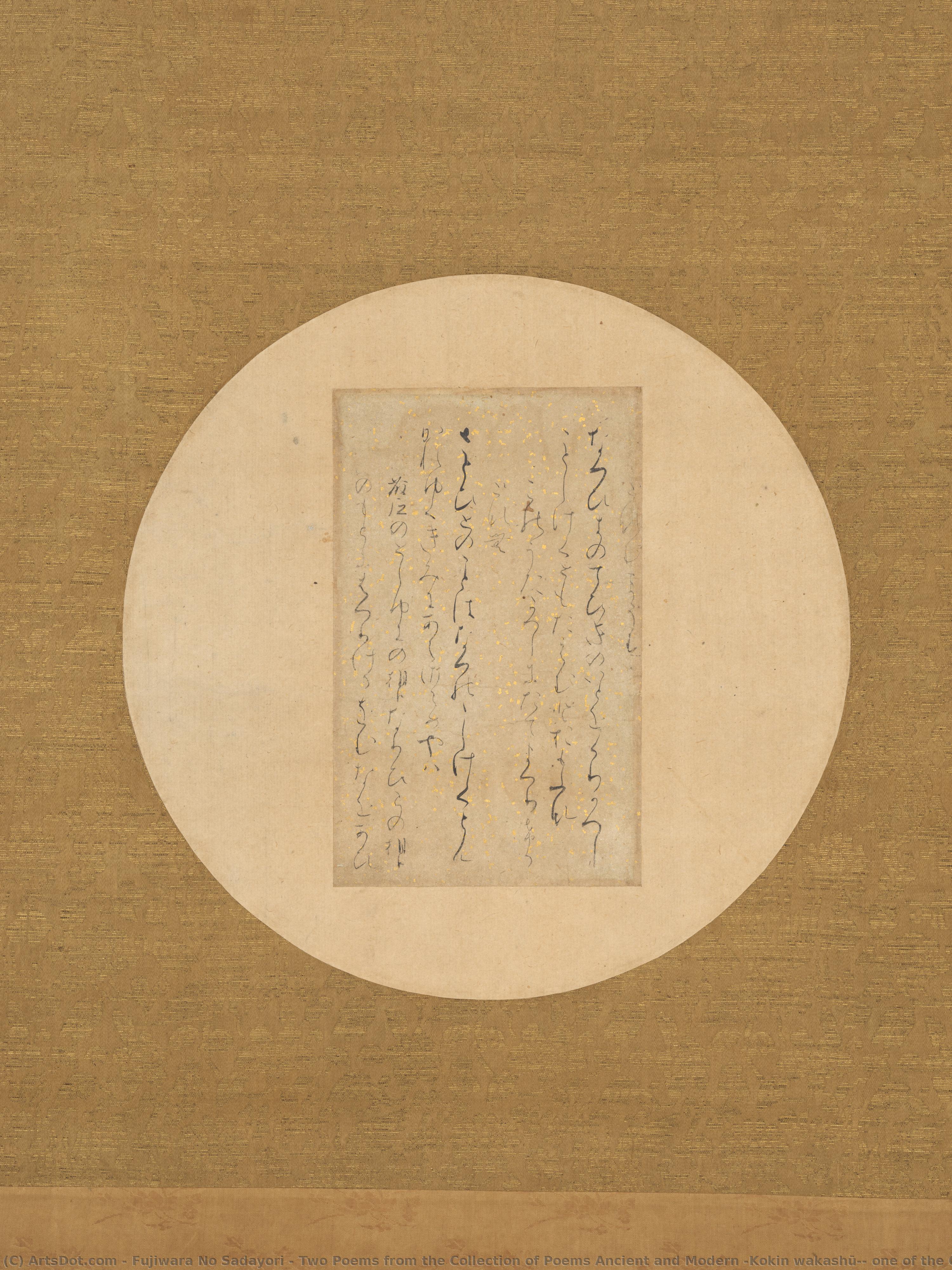
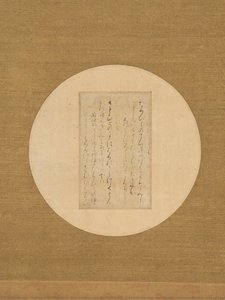
Two Poems from the Collection of Poems Ancient and Modern (Kokin wakashū), one of the Ōe Fragments (Ōe-gire)
 Ink On Paper
 1101
1101- Early Medieval
 21.0 x 13.0 cm
 詳細を見る
詳細を見る
ジークレー/アートプリント
迅速な制作と多彩な仕上げオプションを備えた、ミュージアムクオリティのジークレーまたはキャンバスプリント。 ( 手描きの絵画を購入 画像を購入)




P118B $10

P118H $10

P118W $10

P438Z $10

P508JH $12

P508YH $12

P805H $10

P805Z $10

P919BZ $10

P919G $10

P919XJ $10

P959ZH $10

P968JZ $12

W106C $8

W218G $10

W218JH $8

W218Y $10

W307PJ $10

W316G $10

W316PJ $8

W316Y $10

W398PJ $8

W4111J $10

W500HY $15

W500JH $15

W692G $12

W849H $8

W940BG $15

W953PJ $8




作品のオリジナル比率に合わせた、当店の規定サイズからお選びください。

特定のフレームやスペースに合わせて、ご自身でサイズを指定することも可能です。選択されたサイズが元の画像の比率と一致しない場合、作品をトリミングするか、鏡面反射または単色での塗りつぶしによって画像を拡張いたします。制作を開始する前に、ご確認用のデジタルモックアップをお送りいたします。
画面上のプレビューには、実際のトリミングや拡張は反映されませんのでご注意ください。最終的な構図を正確に確認できるのは、モックアップのみとなります。
カスタムサイズも承っておりますが、元の比率を維持するためには、あらかじめ用意されたリストからサイズを選択することをお勧めいたします。


 ガラスオプションは、110cm未満のサイズでのみご利用いただけます。

Two Poems from the Collection of Poems Ancient and Modern (Kokin wakashū), one of the Ōe Fragments (Ōe-gire)
ジークレー/アートプリント
複製画のサイズ
-


合計金額
$ 62
関連作品
アーティストの略歴
A Legacy of Elegance: The Life and Art of Fujiwara no Sadayori
In the golden twilight of the mid-Heian period, a time when the Japanese imperial court flourished in unparalleled refinement, there emerged a figure whose artistry would become synonymous with the very essence of classical beauty. Fujiwara no Sadayori, born in 995, was not merely a participant in this cultural renaissance but one of its most luminous architects. As the eldest son of the legendary poet and scholar Fujiwara no Kintō, and a descendant of Emperor Murakami through his maternal lineage, Sadayori was born into the heart of Japan's political and literary aristocracy. His life was a seamless tapestry woven from threads of administrative duty and poetic devotion, moving from the disciplined role of Director for Military Affairs to the prestigious position of Middle Counselor.
The artistry of Sadayori was never confined to a single medium; rather, it flowed between the rhythmic precision of waka poetry and the graceful movement of calligraphy. To understand his work is to understand the Heian aesthetic—a pursuit of mono no aware, or a sensitive awareness of the impermanence of things. His poetry, characterized by an exquisite simplicity and an evocative use of natural imagery, sought to capture the fleeting moments of existence with profound emotional depth. This mastery was recognized by his peers and posterity alike, earning him a place among the Late Classical Thirty-Six Immortals of Poetry, a prestigious canon that celebrates the most transcendent voices in Japanese history.
The Poetic Voice and Calligraphic Grace
Sadayori’s literary contributions are anchored by his inclusion in the most venerable imperial anthologies, with forty-five of his poems preserved for eternity. Perhaps his most enduring contribution to the Japanese canon is his poem featured as number 64 in the Ogura Hyakunin Isshu. This particular verse, which contemplates the dawn mists over the Uji River, serves as a masterclass in atmospheric suggestion. Through words that evoke the way river fog breaks apart to reveal the wooden pilings of a weir, he invites the reader into a world of subtle transitions and quiet beauty.
Beyond the spoken or written word, his physical hand left an indelible mark on the history of Japanese calligraphy. As a calligrapher, Sadayori was celebrated for a script that balanced strength with fluidity, helping to establish and standardize an orthodox courtly style. His work is often preserved in precious fragments, such as the Ōe-gire, where the ink on paper reflects a disciplined yet soulful energy. This intersection of literature and visual art—where the shape of a character carries as much emotional weight as the meaning of the poem itself—is what defines his unique artistic identity.
Historical Significance and Enduring Influence
The significance of Fujiwara no Sadayori extends far beyond the borders of the Heian court. He represented the pinnacle of a cultural era where art, lineage, and governance were inextricably linked. His ability to navigate the complexities of imperial politics while maintaining the purity of his artistic vision provided a model for the scholar-official that would influence Japanese nobility for centuries. His private collections and the fragments of his work that survive today serve as vital windows into the aesthetic values of a lost age.
Today, the legacy of Sadayori continues to resonate through the study of classical Japanese literature and the appreciation of traditional calligraphy. His influence can be traced through:
- The Canon of Waka: His presence in the Shūishū and other imperial anthologies ensures his voice remains a foundational element of Japanese poetic identity.
- Calligraphic Tradition: The precision and elegance of his script continue to inspire practitioners of Japanese calligraphy, emphasizing the harmony between form and spirit.
- Cultural Heritage: His life stands as a testament to the sophisticated cultural ecosystem of the Heian period, where the beauty of nature was captured through the refined lens of aristocratic devotion.
In every delicate stroke of ink and every carefully chosen metaphor, Fujiwara no Sadayori remains an eternal symbol of the grace, simplicity, and profound emotional resonance that define the heart of Japanese classical art.
fujiwara no sadayori
1045 , Japan
基本情報
- Artistic Movement Or Style: Waka Poetry & Calligraphy
- Date Of Death: 1045
- Full Name: Fujiwara no Sadayori
- Nationality: Japanese
- Notable Artworks: ['Asaborake']
- Place Of Birth: Kyoto, Japan
関連記事
The Allure of Gold in Art History: Symbolism, Technique & Cultural Significance
Explore the rich history of gold in art! Discover symbolism, techniques & cultural significance from ancient civilizations to Klimt's masterpieces. Expert insights for collectors at ArtsDot.

Golden Masterpieces: 10 Paintings That Define Art History | ArtsDot
Explore 10 breathtaking paintings where gold leaf shines! From Klimt to Byzantine icons, discover art history’s most gilded masterpieces. Find museum-quality reproductions & elevate your home decor with ArtsDot. Explore the full collection online.

葛飾北斎:25の傑作が語る浮世絵の世界 - ArtsDot
葛飾北斎の25選:『神奈川沖浪裏』や『富嶽三十六景』など、浮世絵の世界を深く探求。木版画の技法と日本美術の美をArtsDotで。高品質なアートプリントで空間に感動を。コレクションはこちら。
グスタフ・クリムト傑作25選:華麗なる装飾性と象徴が織りなす世界 | ArtsDot
グスタフ・クリムトの傑作25選。華麗なる装飾性と象徴が織りなす世界を紐解きます。キス、ポートレートなど、美術史に残る名画の物語と技法をArtsDotで。高品質複製画やインテリアアートも豊富に。今すぐコレクションをご覧ください。

歴史愛好家のための美術館入門:時代を彩る芸術コレクションガイド
歴史愛好家のための美術館入門ガイド。美術史の基礎知識から、主要な時代・様式、鑑賞のヒントまで解説。ArtsDotで高品質な油絵複製やアートコンサルテーションを体験し、芸術の世界を深く探求しましょう。