

 プレビュー
プレビュー
 プリントを購入
 シェアする
シェアする シェアする
シェアする
 詳細を見る
詳細を見る

 ダウンロード
 似ている作品
 X線調査
X線調査 スライドショー
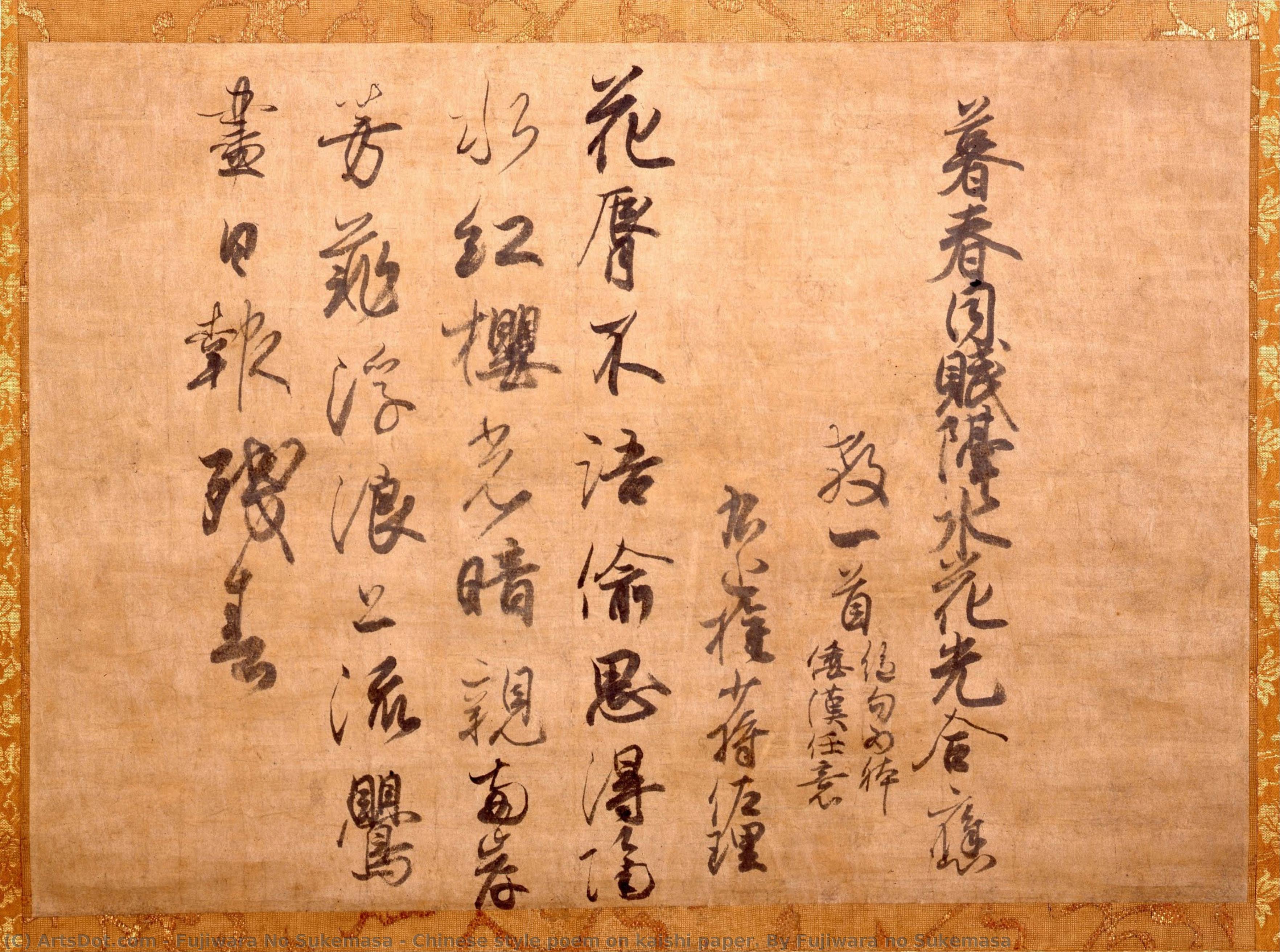
Chinese style poem on kaishi paper. By Fujiwara no Sukemasa

 詳細を見る
詳細を見る
オンラインプレビューをはるかに凌ぐ、高解像度で鮮明なデジタル画像をご購入いただけます。
各ファイルは、社内の専門家が高度なツールと熟練した手作業によるレタッチを用いて、細心の注意を払って準備されています。すべての画像において、卓越した鮮明度、正確な色彩再現性、そして繊細なディテールを保証いたします。
最終ファイルは、プロフェッショナルな編集・印刷環境ですぐにご利用いただけるよう最適化された状態で、72時間以内にメールにてお届けいたします。これは、一流のデザインスタジオ、出版社、ギャラリーから信頼されているものと同等の品質です。
デジタル画像のご注文に付随する特典
高品質なデジタル画像配信を、確かな品質で。
ArtsDot.com を選ぶことは、単に画像を手に入れることではありません。それは、プロの手によって精密に仕上げられ、満足保証が付いた高品質なデジタルアートワークを受け取ることを意味します。ご注文いただいた際に自動的に付随する内容は、以下の通りです:

メールですぐにお届け
ご注文から72時間以内に、高解像度のデジタル画像ファイルがメールでお手元に届きます。すぐにそのままご利用いただけます。

AI技術で最適化されたデジタルファイル
お客様の作品は、高度なAIツールと専門家による手作業の編集を組み合わせてプロフェッショナルに最適化されており、細部のディテール、鮮明さ、そして正確な色再現性を最大限に引き出しています。

一生涯無料の再送サービス
ファイルを誤って削除したり、紛失してしまったりしましたか?ご安心ください。いつでも無料で再送いたします。

輸入手数料は一切かかりません
関税や手数料、配送料を気にすることなく、お気に入りのアートワークをすぐにお楽しみいただけます。デジタルダウンロードは常に免税です。

色彩再現の保証
プロ仕様のツールとカラーマネジメント技術を用いることで、デジタル画像が元の色を最大限に忠実に再現することを保証いたします。

60日間満足保証
ご購入いただいたデジタル画像にご満足いただけない場合は、60日以内であれば、修正または100%の返金(理由を問う必要はありません)をさせていただきます。

100% 返金保証
ご満足いただけない場合は、デジタルファイルを受け取ってから60日以内であれば、理由を問わず全額返金いたします。

まとめ買い割引
3枚購入で10%OFF - 5枚購入で15%OFF - 10枚以上購入で20%OFF。クリエイティブなプロジェクト、ギャラリー、エージェンシーに最適です。
関連作品




作家の略歴
The Poet of Elegance: The Life and Legacy of Fujiwara no Sukemasa
In the golden twilight of the Heian period, an era defined by unparalleled aesthetic refinement and the delicate whispers of the imperial court, one name emerged as a beacon of calligraphic mastery: Fujiwara no Sukemasa. Known also by the evocative name Sari, he was far more than a mere statesman; he was a virtuoso of the brush, a man whose ink flowed with the grace of the natural world and the structured elegance of Japanese tradition. As one of the legendary Sanseki, or "Three Brush Traces," alongside Ono no Michikaze and Fujiwara Yukinari, Sukemasa helped forge a distinct national identity in art, moving away from heavy Chinese influences toward a uniquely Japanese fluidity known as wayōshodō.
Born in 944 into the illustrious Fujiwara clan, Sukemasa’s very existence was steeped in the politics and prestige of the imperial court. His lineage provided him with an education that blended military discipline—inherited from his father, the major general Fujiwara no Atsutoshi—with the profound scholarly pursuits required of a high-ranking noble. This duality of character, a blend of strength and sensitivity, would later manifest in his calligraphy. Following the death of his biological father, he was adopted by the powerful Fujiwara no Saneyori, a move that catapulted him into the inner sanctums of power. By his early twenties, Sukemasa had already ascended to the rank of chamberlain, placing him at the heart of imperial life where every brushstroke and poetic verse carried immense social weight.
A Master of Flow and Form
The true genius of Sukemasa lay in his ability to command the kana script, a phonetic Japanese writing system that demanded a delicate touch and an intuitive sense of rhythm. Unlike the more rigid, structural styles of earlier eras, Sukemasa’s work embraced a lyrical movement. His calligraphy was characterized by a seamless transition between characters, where the energy of one stroke seemed to bleed poetically into the next, creating a visual melody on the paper. This technique allowed him to capture not just words, but the very essence of the emotions expressed within them—a quality that earned him his reputation as a "poet of elegance."
His artistic development was deeply intertwined with the shifting political tides of the reigns of Emperors Kazan and Ichijō. While his career in the bureaucracy saw periods of both rapid ascent and frustrating stagnation, his artistic output remained a constant source of brilliance. He navigated a court where influence was often dictated by familial ties, and though he occasionally found himself overshadowed by ambitious relatives of the throne, his mastery of the brush remained unassailable. To witness a piece of Sukemasa’s calligraphy is to experience the jōdai-yō style—an ancient, refined way of writing that prioritized harmony, balance, and a profound connection to the ephemeral beauty of the moment.
Historical Significance and Enduring Spirit
The historical importance of Fujiwara no Sukemasa cannot be overstated. He was a pivotal figure in the transition of Japanese calligraphy from an imitation of continental styles to a self-assured, indigenous art form. Through his work, the brush became a tool for expressing the uniquely Japanese sensibilities of mono no aware—the pathos of things and the bittersweet realization of impermanence. His legacy is preserved not only in the physical remnants of his ink on paper but in the very DNA of Japanese aesthetic tradition.
Even as the political structures of the Heian period eventually gave way to new eras, the "Three Brush Traces" remained the standard against which all subsequent calligraphers were measured. Sukemasa’s life, marked by both the heights of imperial prestige and the quiet struggles of a dedicated artist, serves as a testament to the power of creative devotion. He remains an eternal figure in the annals of art history, reminding us that true elegance is found in the perfect balance between disciplined technique and the free, uninhibited spirit of the soul.
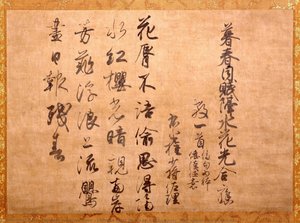
fujiwara no sukemasa
Japan
プロフィール概要
- Artistic Movement Or Style: Kana Script
- Artists Or Movements Influenced By This Artist: ['Shodoka Artist']
- Artists Who Influenced This Artist:
- Ono no Michikaze
- Fujiwara Yukinari
- Date Of Death: August 19, 998
- Full Name: Fujiwara no Sukemasa
- Nationality: Japanese
- Notable Artworks: ['Rirakujō']
- Place Of Birth: Japan

