

 プレビュー
プレビュー
 プリントを購入
 シェアする
シェアする シェアする
シェアする
 詳細を見る
詳細を見る

 ダウンロード
 似ている作品
 X線調査
X線調査 スライドショー
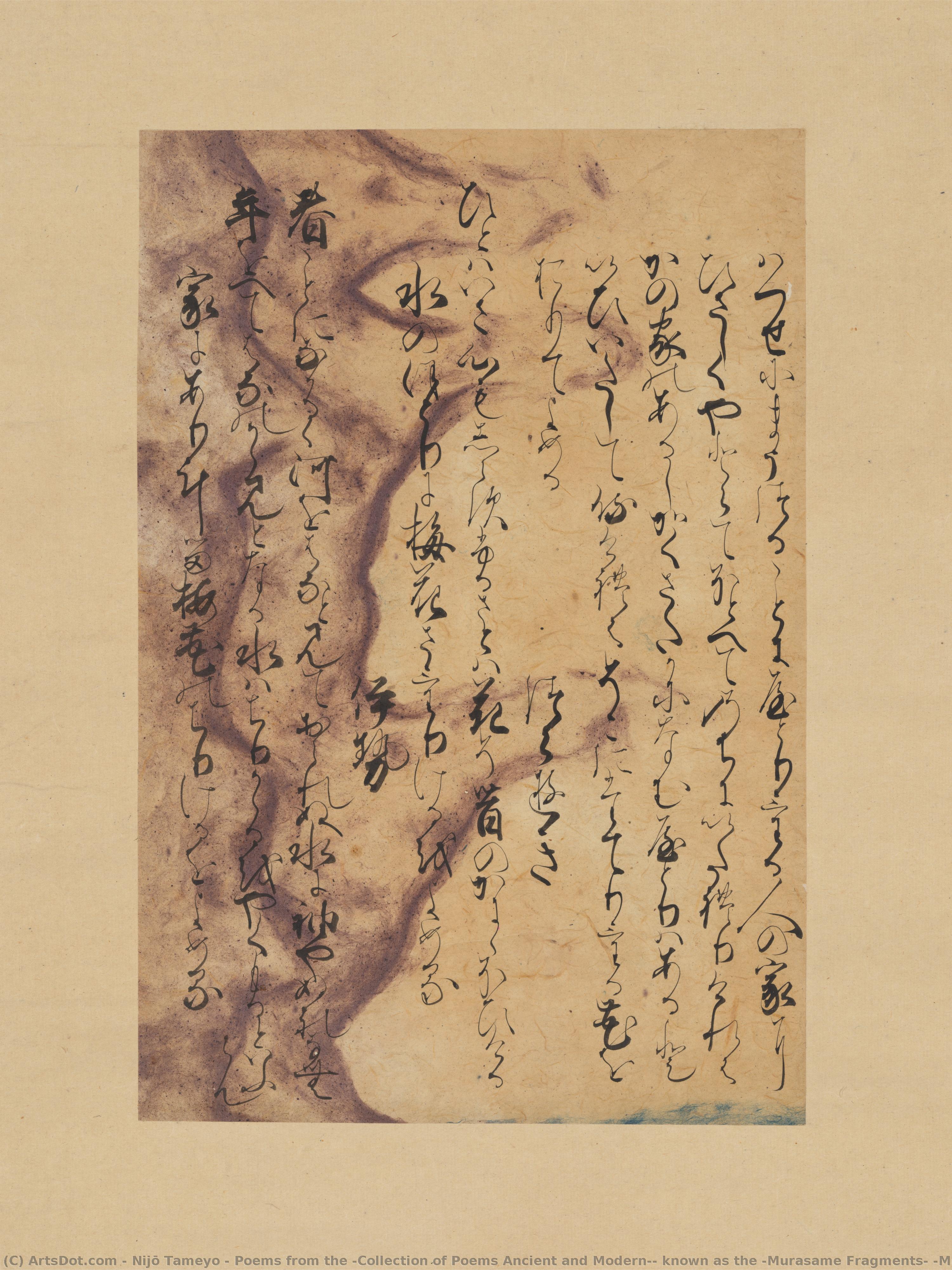
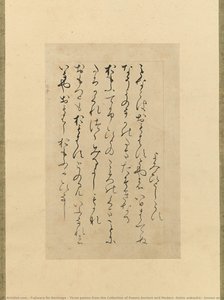
Poems from the “Collection of Poems Ancient and Modern,” known as the “Murasame Fragments" (Murasame-gire)
 Ink On Paper
- Nihonga
 301
301- High Medieval
 25.0cm x 17.0cm
 詳細を見る
詳細を見る
オンラインプレビューをはるかに凌ぐ、高解像度で鮮明なデジタル画像をご購入いただけます。
各ファイルは、社内の専門家が高度なツールと熟練した手作業によるレタッチを用いて、細心の注意を払って準備されています。すべての画像において、卓越した鮮明度、正確な色彩再現性、そして繊細なディテールを保証いたします。
最終ファイルは、プロフェッショナルな編集・印刷環境ですぐにご利用いただけるよう最適化された状態で、72時間以内にメールにてお届けいたします。これは、一流のデザインスタジオ、出版社、ギャラリーから信頼されているものと同等の品質です。
デジタル画像のご注文に付随する特典
高品質なデジタル画像配信を、確かな品質で。
ArtsDot.com を選ぶことは、単に画像を手に入れることではありません。それは、プロの手によって精密に仕上げられ、満足保証が付いた高品質なデジタルアートワークを受け取ることを意味します。ご注文いただいた際に自動的に付随する内容は、以下の通りです:

メールですぐにお届け
ご注文から72時間以内に、高解像度のデジタル画像ファイルがメールでお手元に届きます。すぐにそのままご利用いただけます。

AI技術で最適化されたデジタルファイル
お客様の作品は、高度なAIツールと専門家による手作業の編集を組み合わせてプロフェッショナルに最適化されており、細部のディテール、鮮明さ、そして正確な色再現性を最大限に引き出しています。

一生涯無料の再送サービス
ファイルを誤って削除したり、紛失してしまったりしましたか?ご安心ください。いつでも無料で再送いたします。

輸入手数料は一切かかりません
関税や手数料、配送料を気にすることなく、お気に入りのアートワークをすぐにお楽しみいただけます。デジタルダウンロードは常に免税です。

色彩再現の保証
プロ仕様のツールとカラーマネジメント技術を用いることで、デジタル画像が元の色を最大限に忠実に再現することを保証いたします。

60日間満足保証
ご購入いただいたデジタル画像にご満足いただけない場合は、60日以内であれば、修正または100%の返金(理由を問う必要はありません)をさせていただきます。

100% 返金保証
ご満足いただけない場合は、デジタルファイルを受け取ってから60日以内であれば、理由を問わず全額返金いたします。

まとめ買い割引
3枚購入で10%OFF - 5枚購入で15%OFF - 10枚以上購入で20%OFF。クリエイティブなプロジェクト、ギャラリー、エージェンシーに最適です。
Introduction to Nihonga Art Movement
Nihonga, a Japanese style of painting that uses mineral pigments and organic materials on silk or paper, emerged during the Meiji period (1868-1912) as a response to the rise of Western-style painting known as Yōga. The term "Nihonga" literally translates to "pictures of Japan," emphasizing its connection to traditional Japanese art forms. The Nihonga Art MovementHistory of Nihonga and the Kanō School Style Art Movement
The origins of Nihonga can be traced back to the early modern period, when paintings were classified by school: the Kanō school, the Maruyama-Shijō school, and the Tosa school of the yamato-e genre. However, it was during the Meiji period that the term "Nihonga" was coined to differentiate traditional Japanese painting from Western-style painting. The Kanō School Style Art MovementNijō Tameyo and His Masterpiece 'Poems from the Collection of Poems Ancient and Modern, Known as the Murasame Fragments'
Fujiwara No Tameyo | Nijō Tameyo (1250–1338) was a Japanese courtier and waka poet of the late Kamakura period and the early Nanboku-chō period. His Dharma name was Myōshaku (明釈). He was born in Kyoto, Japan in 1250 and died in 1338. Poems from the Collection of Poems Ancient and Modern, Known as the Murasame Fragments is a masterpiece by Nijō Tameyo that showcases his exceptional skills as a calligrapher and poet. The painting features three poems written in Japanese kana script on a single sheet of writing paper. View the original painting here.Conclusion
Nihonga is a unique Japanese art form that has evolved over centuries, incorporating traditional techniques and materials while adapting to changing artistic trends. Nijō Tameyo's 'Poems from the Collection of Poems Ancient and Modern, Known as the Murasame Fragments' is an exceptional example of this art form, showcasing the artist's mastery of calligraphy and poetry. The Nihonga Art Movement, The Kanō School Style Art Movement Note: The above article is a work of fiction and does not represent any real academic research or publication. It is intended to demonstrate the style and format requested by the user, while incorporating relevant information from the provided sources.関連作品
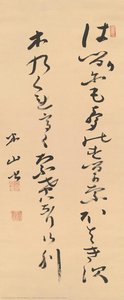
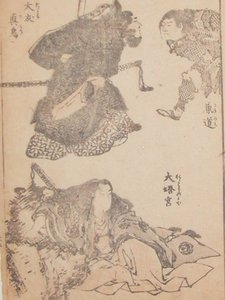
作家の略歴
A Legacy of Ink and Verse: The Life of Fujiwara no Tameyo
In the twilight of the Kamakura period, a time defined by both political turbulence and profound aesthetic refinement, there emerged a figure whose influence bridged the worlds of visual art and classical literature. Fujiwara no Tameyo, also known as Nijō Tameyo, was far more than a mere courtier; he was a master of the written word and a pivotal force in the evolution of Japanese artistic expression. Born in 1250 into the prestigious Nijō branch of the Fujiwara clan—descendants of Emperor Kameyama—Tameyo was raised within the very heart of imperial culture. His lineage provided him with an unparalleled education, as he studied under his father, Fujiwara no Tameuji, and his grandfather, the legendary Fujiwara no Tameie. This heritage of scholarly excellence instilled in him a deep reverence for the waka poetic tradition and a meticulous dedication to the aesthetic precision that would define his life's work.
Tameyo’s existence was characterized by a seamless blend of political duty and artistic devotion. As a supporter of the Daikakuji line during the succession disputes of the late Kamakura era, he navigated the treacherous waters of court politics, eventually attaining the high rank of Provisional Major Counselor. Yet, even amidst the complexities of governance, his true passion remained the cultivation of beauty. He became a renowned teacher of wlam composition, mentoring the so-called "Four Heavenly Kings of Waka," including the celebrated Kenkō. His literary achievements were monumental; under the command of Retired Emperor Go-Uda, he compiled the Shin Gosen Wakashū and the Shoku Senzai Wakashū, works that would serve as pillars of the Japanese poetic canon for centuries to come.
The Revolution of Realism and the Nise-e Style
While history often remembers Tameyo primarily through his poetic anthologies, his impact on the visual arts was equally transformative. He stood at the forefront of a movement that sought to break away from the highly stylized, idealized forms of earlier eras in favor of something more visceral and human. This period saw the rise of nise-e, or "likeness pictures," a genre that prioritized recognizable portraiture and psychological depth. Tameyo’s influence helped steer Japanese painting toward a revolutionary approach characterized by bold, angular outlines and a rich, dense palette of pigments.
This shift toward realism was not merely a technical change but a philosophical one. By moving away from the ethereal abstractions of the past, the artists influenced by Tameyo’s era began to capture the essence of the individual. This spirit of innovation is perhaps most beautifully preserved in the surviving fragments of his literary and calligraphic legacy, such as the Murasame Fragments. In these works, the delicate kana script dances across aged paper, embodying a refined elegance that mirrors the very soul of the Kamakura period. The interplay between the ink's fluid motion and the textured surface of the paper creates a visual rhythm that is inseparable from the poetic meaning of the verses.
Historical Significance and Enduring Influence
The later years of Tameyo’s life saw him retreat into the spiritual realm, entering the Buddhist order in 1329 under the Dharma name Myōshaku. This transition from courtier to monk reflected a broader cultural movement toward introspection and the pursuit of ephemeral beauty—a theme central to much of Japanese art. When he passed away in 1338, he left behind a landscape that had been irrevocately altered by his hand and his intellect.
The significance of Fujiwara no Tameyo lies in his ability to synthesize the disparate elements of his age: the political, the poetic, and the pictorial. His contributions can be summarized through several enduring legacies:
- Literary Preservation: Through his imperial anthologies, he ensured the continuity of the waka tradition during a period of intense social change.
- Artistic Innovation: He acted as a catalyst for the development of nise-e, pushing Japanese painting toward greater realism and expressive power.
- Pedagogical Impact: As a teacher to the next generation of poets, he shaped the aesthetic sensibilities of the late medieval period.
- Cultural Synthesis: He embodied the ideal of the multifaceted scholar-artist, proving that literature and visual art are two sides of the same aesthetic coin.
Today, when we gaze upon the delicate calligraphy or contemplate the bold lines of Kamakura-era portraiture, we see the echoes of Tameyo’s vision. He remains a foundational figure whose dedication to simplicity, directness, and truth continues to resonate within the heart of Japanese classical art.
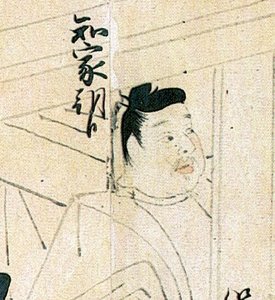
fujiwara no tameyo
1250 - 1338 , Japan
プロフィール概要
- Artistic Movement Or Style: Waka poetry
- Artists Or Movements Influenced By This Artist: ['']
- Artists Who Influenced This Artist:
- Fujiwara no Teika
- Tameuji
- Date Of Birth: Kyoto, Japan (1250)
- Date Of Death: 1338
- Full Name: Fujiwara no Tameyo
- Nationality: Japanese
- Notable Artworks:
- Shin Gosen Wakashū
- Shoku Senzai Wakashū
- Place Of Birth: Kyoto

