

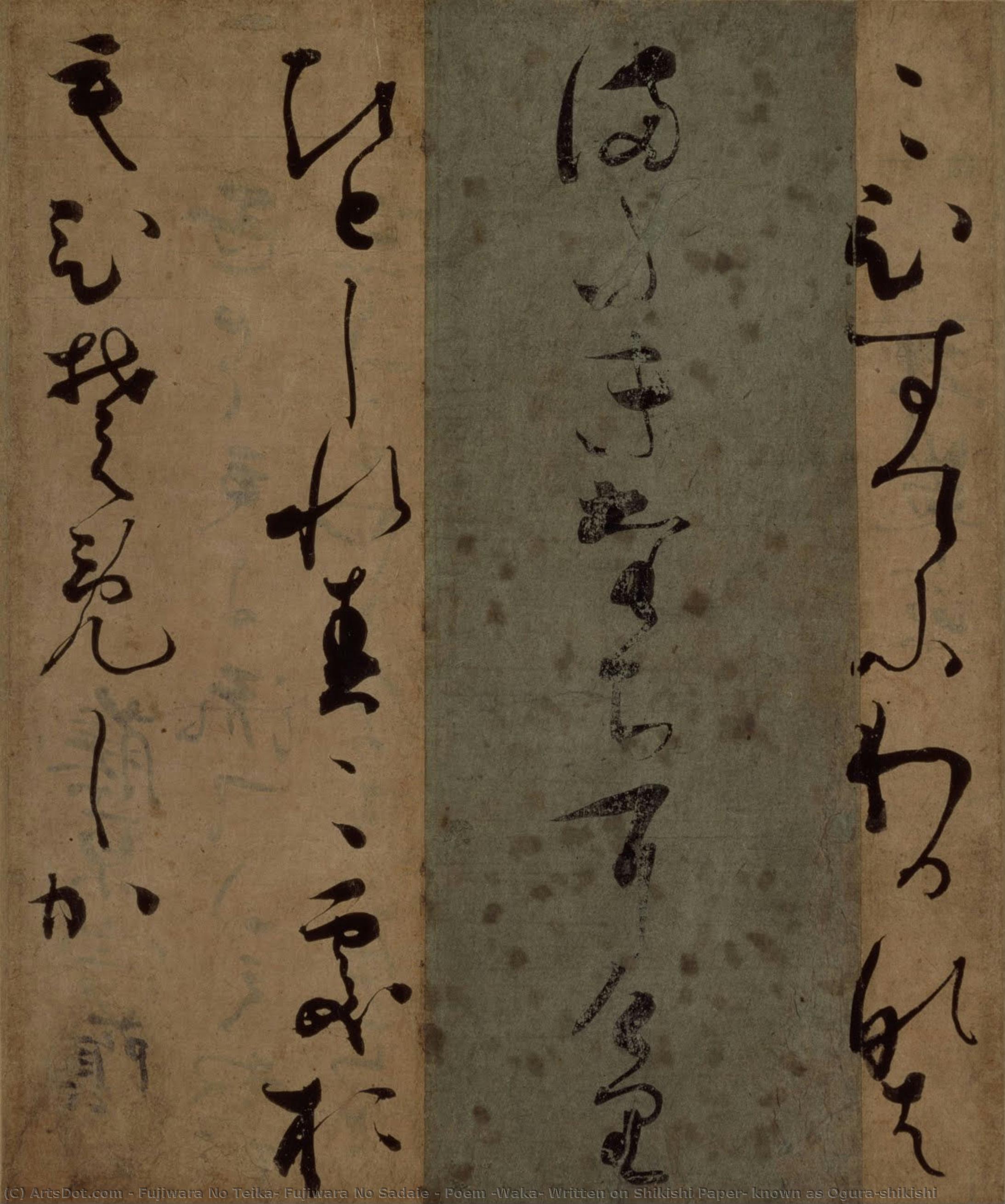
 プレビュー
プレビュー
 シェアする
シェアする シェアする
シェアする
 詳細を見る
詳細を見る

 ダウンロード
 似ている作品
 X線調査
X線調査 スライドショー
Poem (Waka) Written on Shikishi Paper, known as Ogura-shikishi


 詳細を見る
詳細を見る
ジークレー/アートプリント
迅速な制作と多彩な仕上げオプションを備えた、ミュージアムクオリティのジークレーまたはキャンバスプリント。 ( 手描きの絵画を購入 画像を購入)




































作品のオリジナル比率に合わせた、当店の規定サイズからお選びください。

特定のフレームやスペースに合わせて、ご自身でサイズを指定することも可能です。選択されたサイズが元の画像の比率と一致しない場合、作品をトリミングするか、鏡面反射または単色での塗りつぶしによって画像を拡張いたします。制作を開始する前に、ご確認用のデジタルモックアップをお送りいたします。
画面上のプレビューには、実際のトリミングや拡張は反映されませんのでご注意ください。最終的な構図を正確に確認できるのは、モックアップのみとなります。
カスタムサイズも承っておりますが、元の比率を維持するためには、あらかじめ用意されたリストからサイズを選択することをお勧めいたします。


 ガラスオプションは、110cm未満のサイズでのみご利用いただけます。

Poem (Waka) Written on Shikishi Paper, known as Ogura-shikishi
ジークレー/アートプリント
複製画のサイズ
-


合計金額
$ 62
関連作品

アーティストの略歴
The Architect of Poetic Elegance
In the twilight of the Heian era and the burgeoning dawn of the Kamakura period, a figure emerged from the heart of Kyoto whose creative spirit would forever define the Japanese aesthetic. Born in 1162, Fujiwara no Teika—often known by his name Fujiwara no Sadaie—was far more than a mere scholar; he was a weaver of emotions and a master of the ephemeral. Descended from a prestigious lineage of poets, he was the son of the celebrated Fujiwara no Shunzei, and this heritage provided the fertile soil in which his genius would bloom. His early life was steeped in the rhythmic beauty of classical traditions, yet it was his unique ability to breathe new vitality into the waka form that set him apart from the masters who preceded him.The Convergence of Verse and Calligraphy
Teika’s artistry resided in a delicate, almost transcendent balance between the written word and the visual grace of calligraphy. As a profound critic and theorist, he developed influential ideas on the composition of poetry that would remain the standard for scholars well into the Meiji era. His approach was characterized by an exquisite sensitivity to traditional Japanese motifs and a deep, spiritual connection to the natural world. Yet, his contribution extended far beyond the structural perfection of verse; as a calligrapher, his hand moved with an expressive fluidity that transformed ink on paper into a living, breathing entity. To witness his calligraphy is to see the very essence of Japanese elegance—a dance of shadows and light captured in the deliberate yet flowing movement of the brush, where every stroke carries the weight of profound sentiment.An Enduring Literary Legacy
The life of Fujiwara no Teika was as dramatic and turbulent as the poetry he composed. His relationship with the imperial court, particularly his complex bond with the Retired Emperor Go-Toba, was a saga of high artistic commissions followed by the sting of political banishment. Despite these shifts in power, his literary output remained monumental and unyielding. Through landmark works such as the Hyakushi, a curated collection of one hundred poems, he captured the very heartbeat of Japanese sentiment for future generations. His influence rippled through centuries, shaping the work of countless poets and calligraphers who sought to emulate his depth and precision. Even today, the echoes of his creative spirit resonate across the globe, proving that true mastery is a flame that never truly fades.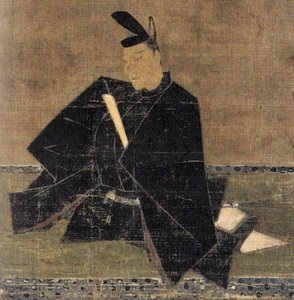
fujiwara no teika, fujiwara no sadaie
1162 - 1241 , Japan
基本情報
- Artistic Movement Or Style: Waka poetry
- Artists Or Movements Influenced By This Artist:
- Tsunetaka Ochi
- Keika Miyoshi
- Artists Who Influenced This Artist: ['Fujiwara Shunzei']
- Date Of Birth: 1162
- Full Name: Fujiwara Sadaie / Teika
- Nationality: Japanese
- Notable Artworks:
- Hyakushi
- Ogura-shikishi
- Place Of Birth: Kyoto, Japan
関連記事

葛飾北斎:25の傑作が語る浮世絵の世界 - ArtsDot
葛飾北斎の25選:『神奈川沖浪裏』や『富嶽三十六景』など、浮世絵の世界を深く探求。木版画の技法と日本美術の美をArtsDotで。高品質なアートプリントで空間に感動を。コレクションはこちら。
Serenity on Canvas: A Guide to the Timeless Beauty of Japanese Landscape Painting
Discover the serene beauty of Japanese landscape painting. From Hokusai's iconic woodblock prints to meditative sumi-e ink washes, explore a visual journey through the 'floating world' and learn how to bring this timeless Zen aesthetic into your modern home decor.
Ephemeral Expressions: Exploring the Nuances of Ink on Paper Through History & Contemporary Art
Explore the captivating world of ink wash painting – from its ancient origins to contemporary masters. Discover techniques, symbolism & conservation insights with ArtsDot.com.
Floating World: The Captivating Art and Legacy of Japanese Ukiyo-e
Explore the profound beauty of Japanese Ukiyo-e. Discover the history, masters like Hokusai, and the enduring legacy of the 'Floating World' through an expert art-historical lens.
Ukiyo-e: Exploring Japan's Floating World & Enduring Artistic Legacy
Explore the captivating world of Ukiyo-e – Japan's iconic woodblock prints! Discover masters like Hokusai & Hiroshige, learn about Edo period culture, and find expert art collecting guidance at ArtsDot.