

 プレビュー
プレビュー
 シェアする
シェアする シェアする
シェアする
 詳細を見る
詳細を見る

 ダウンロード
 似ている作品
 X線調査
X線調査 スライドショー
 Stats
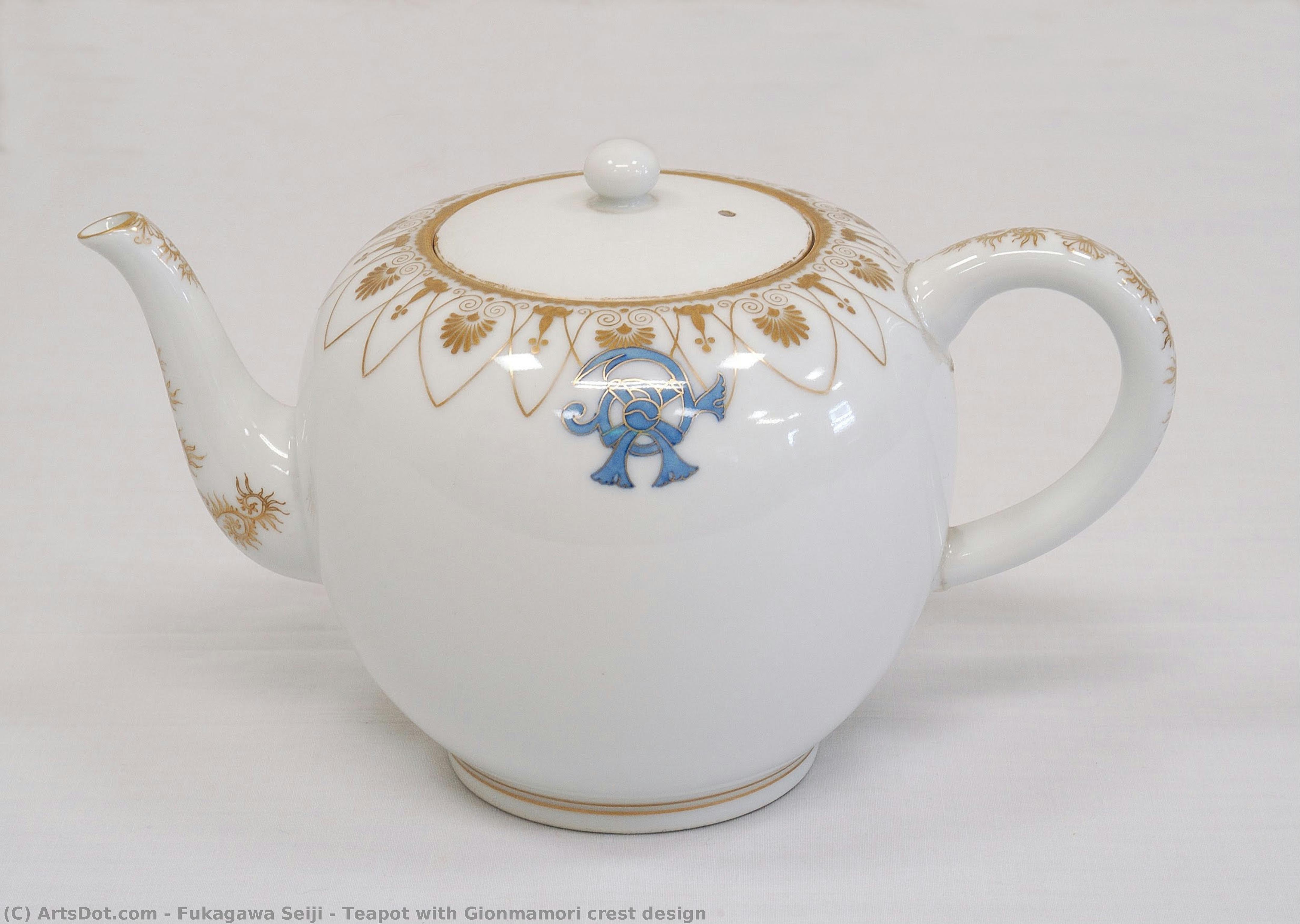
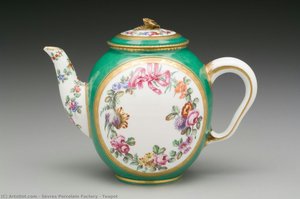
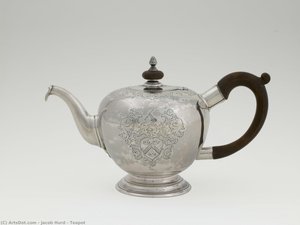
StatsTeapot with Gionmamori crest design


 詳細を見る
詳細を見る
手描き油彩複製画
当社のアーティストが、お客様のご希望のサイズと額縁に合わせて、キャンバスに手描きで制作する油彩画です。 ( Switch to Print Switch to Digital Image)




































作品のオリジナル比率に合わせた、当店の規定サイズからお選びください。

特定のフレームやスペースに合わせて、ご希望のサイズをご入力いただけます。選択されたサイズが元の画像の比率と異なる場合、アートワークをトリミングするか、手描きで要素を追加して絵画を拡張いたします。デジタルモックアップ を制作し、制作開始前にご確認(承認)をいただきます。
画面上のプレビューは、実際のトリミングや拡張を正確に反映しているものではありません。最終的な構図は、モックアップによってのみ正確にご確認いただけます。
カスタムサイズもご利用いただけますが、元の比率を維持するためには、あらかじめ用意されたリストからサイズを選択することをお勧めいたします。
ご注文後、ArtsDot.com チームより詳細な指示をお送りするとともに、仕上がりイメージ(モックアップ)をご提供いたします。


 ガラスオプションは、110cm未満のサイズでのみご利用いただけます。

Teapot with Gionmamori crest design
複製技法
複製画のサイズ
-


合計金額
$ 263
関連作品
アーティストの略歴
The Pioneering Spirit of Fukagawa Seiji: A Revolution in Japanese Porcelain
Born in 1894 in the heart of Arita, Japan—the very cradle of Japanese porcelain—Fukagawa Seiji emerged as a transformative figure in the world of ceramics. While his life was tragically cut short in 1934, his impact reverberates through the history of Japanese art, particularly within the esteemed tradition of Arita ware. Fukagawa wasn’t merely a potter; he was an innovator who dared to break from established norms, infusing traditional techniques with a distinctly modern sensibility and captivating both domestic and international audiences. His story is one of ambition, artistic vision, and a relentless pursuit of perfection that ultimately redefined the aesthetic landscape of Japanese porcelain production.From Tradition to Transformation: Founding Fukagawa Seiji Company
The Fukagawa family had been involved in kiln operations in Arita for generations, steeped in the centuries-old legacy of ceramic artistry. However, it was Chuji Fukagawa who truly propelled the family name into prominence. In 1894, he founded the Fukagawa Seiji company, a venture born from a desire to elevate Japanese porcelain to new heights. This wasn’t simply about continuing a familial trade; Chuji had embarked on several journeys to Europe prior to establishing his firm, meticulously observing the manufacturing processes of renowned European porcelain houses like Meissen in Germany. He recognized the potential for blending Arita's time-honored skills with cutting-edge European technologies and design principles. This fusion became the cornerstone of Fukagawa Seiji’s unique artistic identity. He sought to create a porcelain that was not only technically superior but also embodied the spirit and aesthetic sensibilities of Japan, moving beyond the established styles of Ko-Imari, Kakiemon, and Iro-Nabeshima.Captivating the World: International Recognition and Artistic Innovation
Fukagawa Seiji’s ambition quickly bore fruit. In 1900, he presented a magnificent vase at the Paris International Exposition—a testament to his exceptional decorative techniques and artistic prowess. The piece was awarded the coveted Gold Medal, instantly catapulting Fukagawa Seiji onto the global stage. This recognition wasn't merely a symbolic victory; it opened doors to international markets and established Fukagawa porcelain as a highly sought-after commodity. The company subsequently garnered accolades at various world expositions, solidifying its reputation for quality and innovation. International offices were established through Watt Trading House in key European cities—London, Paris, Hamburg, Milan, and Brussels—facilitating the widespread distribution of Japanese ceramic art across the continent and beyond. Central to this success was the development of what became known as “Fukagawa Blue”—a remarkably pure cobalt blue decoration achieved through a meticulous process involving transparent white porcelain fired at extremely high temperatures (1350°C). The *Dami* technique, employing subtle gradations of color with a single brushstroke, resulted in an ethereal and captivating hue that quickly became synonymous with the Fukagawa name.A Legacy Endures: Imperial Patronage and Continued Excellence
The recognition extended beyond commercial success; in 1910, Fukagawa Seiji was honored with the prestigious appointment as an official purveyor of porcelain to the Japanese Imperial Household—a distinction akin to a Royal Warrant. This solidified the company’s position at the pinnacle of Japanese ceramic artistry. Although Fukagawa Seiji's life ended prematurely in 1934, his vision continued through subsequent generations. Today, the Fukagawa Seiji company remains operational, now under the leadership of its fourth and fifth-generation descendants of Chuji Fukagawa. They continue to uphold the traditions established by their ancestor—a commitment to exceptional craftsmanship, innovative design, and a deep respect for the rich heritage of Arita ware. The legacy of Fukagawa Seiji is not simply preserved in museum collections or historical accounts; it lives on in every piece crafted by the company, a testament to the enduring power of artistic vision and unwavering dedication to excellence.The Enduring Symbolism & Techniques
Fukagawa Seiji’s work wasn't merely about aesthetic beauty; it was imbued with symbolism and technical mastery. The Mount Fuji motif, frequently incorporated into his designs, represented longevity and good fortune—a powerful emblem of Japanese culture. His pieces often featured intricate gold *Yoraku* patterns, signifying imperial lineage and prestige. The meticulous attention to detail, the flawless execution of complex designs, and the innovative use of color set Fukagawa porcelain apart from its contemporaries. He wasn’t afraid to experiment with new forms and techniques, pushing the boundaries of traditional Arita ware while simultaneously honoring its rich history. His influence can be seen in the continued emphasis on high-temperature firing, transparent glazes, and delicate blue decoration that characterizes Fukagawa porcelain today. The company's commitment to serving the Imperial Household further underscores the significance of his work—a symbol of national pride and artistic achievement.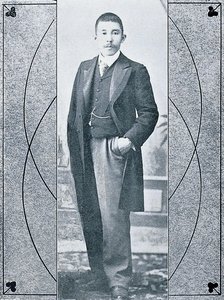
fukagawa seiji
1894 - 1934 , Japan
基本情報
- Artistic Movement Or Style: Arita ware ceramics
- Date Of Birth: 1894
- Date Of Death: 1934
- Full Name: Fukagawa Seiji
- Nationality: Japanese
- Notable Artworks: ['Teapot with Gionmamori crest design']
- Place Of Birth: Arita, Japan
関連記事

Floating World: The Captivating Art and Legacy of Japanese Ukiyo-e
Explore the profound beauty of Japanese Ukiyo-e. Discover the history, masters like Hokusai, and the enduring legacy of the 'Floating World' through an expert art-historical lens.

Serenity on Canvas: A Guide to the Timeless Beauty of Japanese Landscape Painting
Discover the serene beauty of Japanese landscape painting. From Hokusai's iconic woodblock prints to meditative sumi-e ink washes, explore a visual journey through the 'floating world' and learn how to bring this timeless Zen aesthetic into your modern home decor.
Serene Zen: Transforming Your New Home with the Timeless Elegance of Japanese Landscape Art
Transform your new home into a sanctuary of peace with stunning Japanese landscape art. Discover the beauty of Ukiyo-e and hand-painted Zen masterpieces designed to bring harmony and timeless elegance to your shared space. Expertly curated for modern lovers of fine art.
Japonisme: How Japanese Woodblock Prints Revolutionized Western Art
Explore the profound impact of Japonisme on Western art. Discover how Japanese ukiyo-e woodblock prints revolutionized perspective, color, and composition for masters like Monet and Van Gogh, forever changing the course of modern art history.

葛飾北斎:25の傑作が語る浮世絵の世界 - ArtsDot
葛飾北斎の25選:『神奈川沖浪裏』や『富嶽三十六景』など、浮世絵の世界を深く探求。木版画の技法と日本美術の美をArtsDotで。高品質なアートプリントで空間に感動を。コレクションはこちら。