

 プレビュー
プレビュー
 プリントを購入
 シェアする
シェアする シェアする
シェアする
 詳細を見る
詳細を見る

 ダウンロード
 似ている作品
 X線調査
X線調査 スライドショー
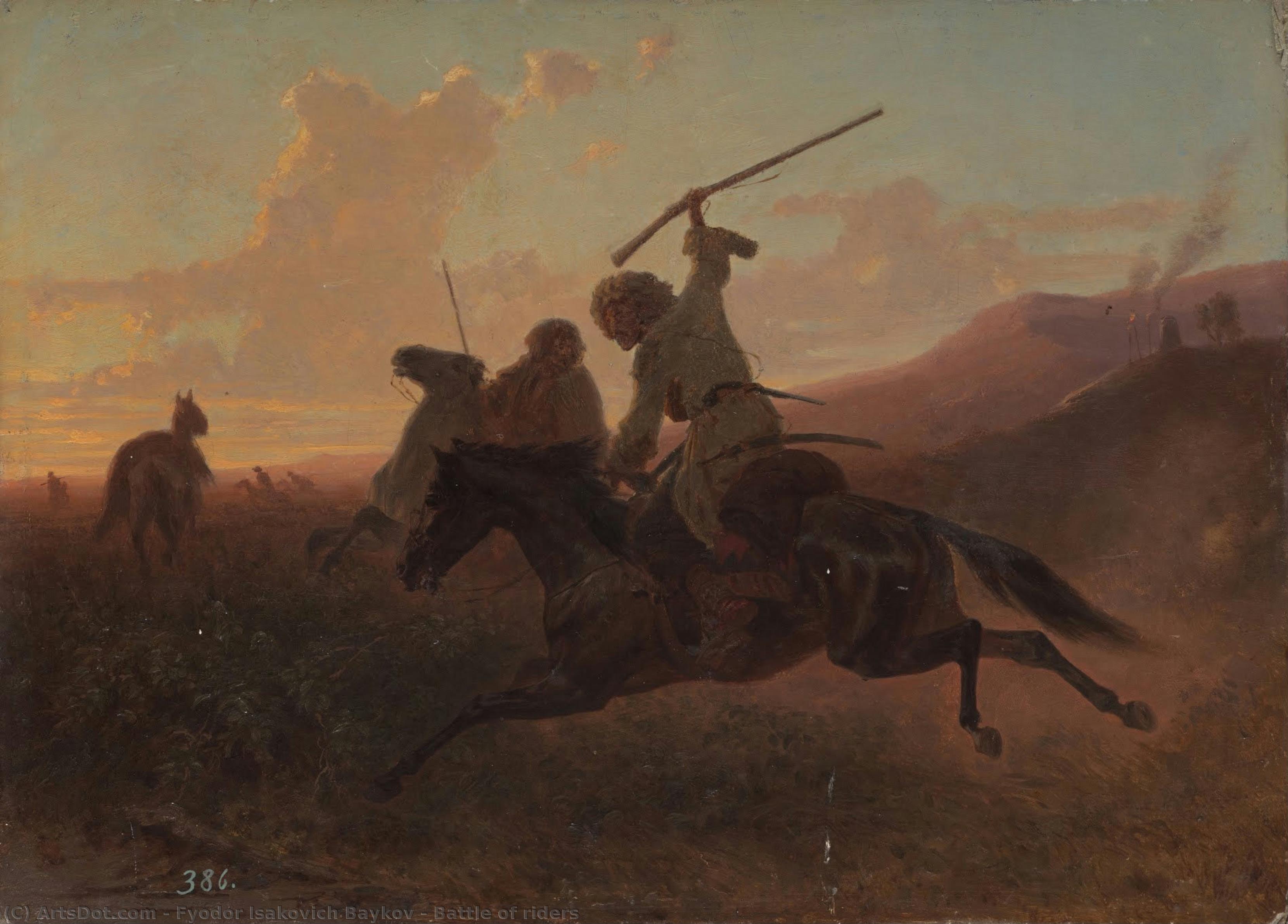
Battle of riders
 1800
1800 22.0 x 30.0 cm
 Dagestan Museum of Fine Arts named after P. S. Gamzatova
 詳細を見る
詳細を見る




































作品のオリジナル比率に合わせた、当店の規定サイズからお選びください。

特定のフレームやスペースに合わせて、ご希望のサイズをご入力いただけます。選択されたサイズが元の画像の比率と異なる場合、アートワークをトリミングするか、手描きで要素を追加して絵画を拡張いたします。デジタルモックアップ を制作し、制作開始前にご確認(承認)をいただきます。
画面上のプレビューは、実際のトリミングや拡張を正確に反映しているものではありません。最終的な構図は、モックアップによってのみ正確にご確認いただけます。
カスタムサイズもご利用いただけますが、元の比率を維持するためには、あらかじめ用意されたリストからサイズを選択することをお勧めいたします。
ご注文後、ArtsDot.com チームより詳細な指示をお送りするとともに、仕上がりイメージ(モックアップ)をご提供いたします。


 ガラスオプションは、110cm未満のサイズでのみご利用いただけます。

Battle of riders
複製技法
複製画のサイズ
-


合計金額
$ 263
関連作品










アーティストの略歴
Georges Seurat: Bridging Science and Beauty
Georges Seurat, a name synonymous with the dawn of modern art, was more than just a painter; he was an explorer, meticulously charting a course between scientific observation and artistic expression. Born in Paris on December 2nd, 1859, into a family steeped in finance – his father a property speculator – Seurat’s early life offered little indication of the revolutionary artist he would become. However, from a young age, he displayed an intense curiosity and a profound appreciation for visual detail, qualities that would ultimately shape his groundbreaking artistic approach. His formal training at the École des Beaux-Arts, while providing him with traditional skills, proved insufficient to satisfy his burgeoning intellectual hunger; he sought knowledge beyond the conventional, delving into the theories of color championed by figures like Chevreul and Blanc. This pursuit led him to a radical departure from the prevailing Impressionist style, forging instead a path toward a uniquely structured and analytical form of painting.The Genesis of Pointillism
Seurat’s artistic journey began with a deliberate rejection of the fleeting impressions favored by his contemporaries. He wasn't interested in capturing the *effect* of light but rather its fundamental components – the precise hues that, when combined, created the illusion of color. This intellectual rigor culminated in the development of Pointillism, or Divisionism, a technique characterized by applying tiny, distinct dots of pure color to the canvas. Unlike Impressionist brushstrokes which blended optically, Seurat’s method relied on the viewer's eye to synthesize these individual colors into a cohesive whole. He believed that this approach would create a more vibrant and luminous effect than traditional mixing, mimicking the way the human eye perceives color in nature. Influenced by scientific theories of optics and color perception, he meticulously documented his experiments with color mixtures, creating detailed charts and diagrams to guide his process. This wasn’t simply an aesthetic choice; it was a deeply considered methodology rooted in observation and analysis.Key Works and Artistic Evolution
Seurat's most celebrated work, *A Sunday Afternoon on the Island of La Grande Jatte* (1884-86), stands as a monumental achievement and a pivotal moment in art history. This vast canvas captures a Parisian leisure scene with an astonishing level of detail and scientific precision. The figures are rendered not as rounded forms but as a mosaic of tiny, colored dots, creating a shimmering effect that evokes the atmosphere of the afternoon sun. Prior to this masterpiece, Seurat produced works like *Bathers at Asnières* (1883-84), which demonstrated his growing mastery of Pointillism and his interest in depicting modern urban life. Later in his career, he began to experiment with a more stylized approach, influenced by Japanese prints and the decorative arts – evident in paintings such as *Le Regard Distrait* (1888) and *The Bathers*. These later works reveal a shift towards greater expressiveness and a departure from the strict scientific principles that initially governed his technique.Beyond Technique: Influences and Legacy
While Seurat’s technical innovations are undeniable, it's crucial to recognize the diverse influences shaping his artistic vision. He was deeply affected by the works of Ingres, whose meticulous draftsmanship and classical compositions provided a foundation for his own approach. Furthermore, he studied the works of Delacroix, appreciating the dynamic energy and dramatic lighting of Romantic painting. However, it was the scientific theories of color – particularly those of Chevreul and Blanc – that truly propelled him toward Pointillism. Beyond these artistic precedents, Seurat’s intellectual curiosity extended to other fields, including music and mathematics, which informed his approach to composition and perspective. His brief but brilliant career profoundly impacted the course of modern art, paving the way for movements like Fauvism and Cubism.A Tragic End and Lasting Significance
Tragically, Georges Seurat’s life was cut short at the age of 31 in March 1891, succumbing to complications following a surgical operation. Despite his untimely death, his artistic legacy endures. His meticulous approach to color and composition challenged conventional notions of painting, demonstrating that art could be both intellectually rigorous and aesthetically beautiful. *A Sunday Afternoon on the Island of La Grande Jatte* remains one of the most iconic images in modern art, a testament to Seurat’s innovative spirit and his profound contribution to the development of 20th-century art. His work continues to fascinate and inspire artists and viewers alike, reminding us of the power of observation, analysis, and the enduring quest to capture the essence of beauty through scientific means.
fyodor isakovich baykov
1859 - 1966 , Russia
基本情報
- Artistic Movement Or Style: Neo-Impressionism, Pointillism
- Artists Or Movements Influenced By This Artist:
- Van Gogh
- Futurists
- Artists Who Influenced This Artist:
- Delacroix
- Holbein
- Date Of Birth: December 2, 1859
- Date Of Death: March 29, 1891
- Full Name: Georges Seurat
- Nationality: French
- Notable Artworks:
- A Sunday on La Grande Jatte
- Bathers at Asnières
- Place Of Birth: Paris, France

