

 プレビュー
プレビュー
 プリントを購入
 シェアする
シェアする シェアする
シェアする
 詳細を見る
詳細を見る

 ダウンロード
 似ている作品
 X線調査
X線調査 スライドショー
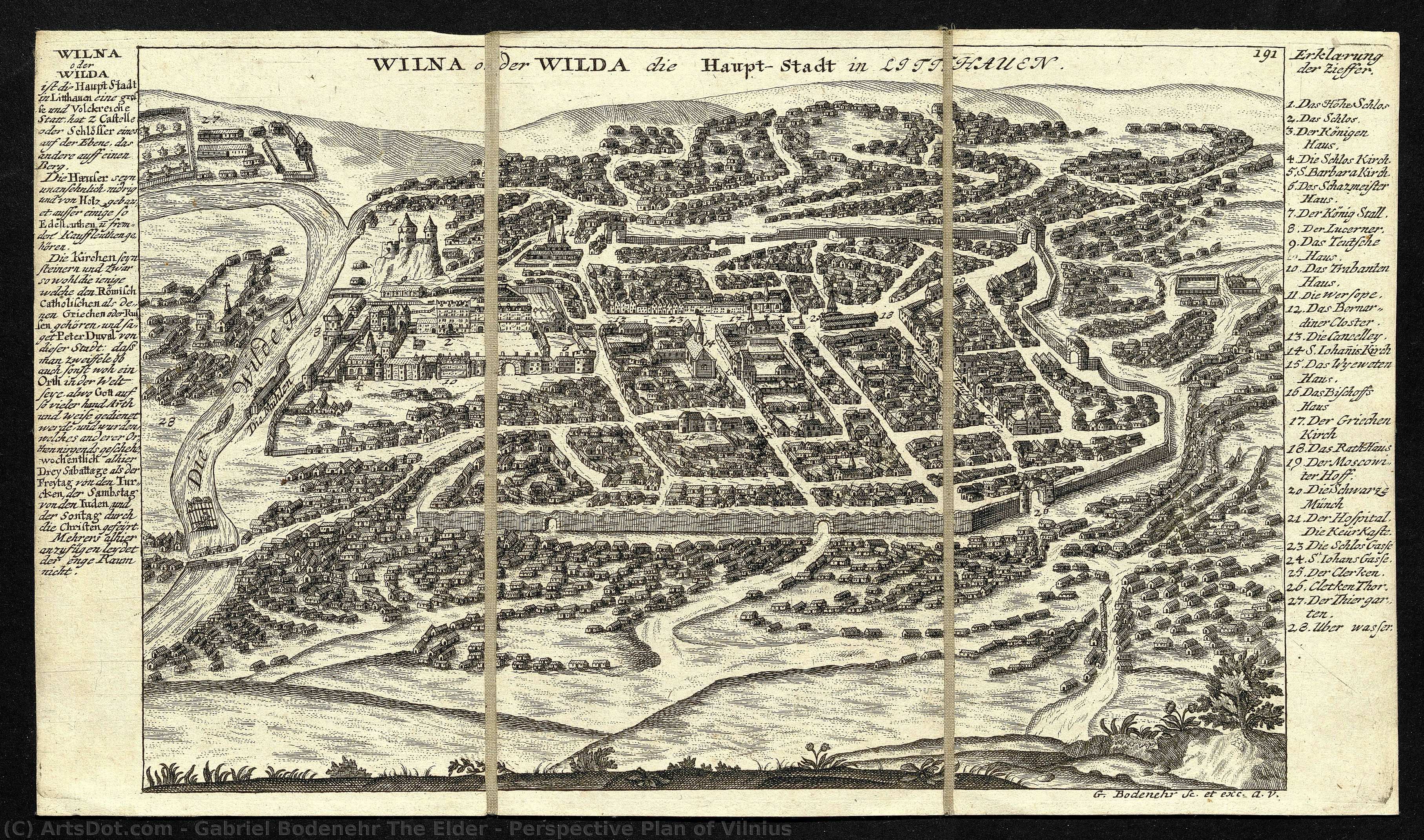
Perspective Plan of Vilnius


 詳細を見る
詳細を見る




































作品のオリジナル比率に合わせた、当店の規定サイズからお選びください。

特定のフレームやスペースに合わせて、ご希望のサイズをご入力いただけます。選択されたサイズが元の画像の比率と異なる場合、アートワークをトリミングするか、手描きで要素を追加して絵画を拡張いたします。デジタルモックアップ を制作し、制作開始前にご確認(承認)をいただきます。
画面上のプレビューは、実際のトリミングや拡張を正確に反映しているものではありません。最終的な構図は、モックアップによってのみ正確にご確認いただけます。
カスタムサイズもご利用いただけますが、元の比率を維持するためには、あらかじめ用意されたリストからサイズを選択することをお勧めいたします。
ご注文後、ArtsDot.com チームより詳細な指示をお送りするとともに、仕上がりイメージ(モックアップ)をご提供いたします。


 ガラスオプションは、110cm未満のサイズでのみご利用いただけます。

Perspective Plan of Vilnius
複製技法
複製画のサイズ
-


合計金額
$ 263
関連作品









アーティストの略歴
The Master of Augsburg: The Legacy of Gabriel Bodenehr the Elder
In the heart of 18th-century Germany, where the scientific revolution met the grandeur of aristocratic splendor, the name Gabriel Bodenehr resonated as a symbol of technical precision and visual storytelling. Born in the illustrious printing hub of Augsburg around 1664, Bodenehr was more than a mere craftsman; he was a vital architect of the era's visual consciousness. As a member of a distinguished lineage of engravers and publishers, his life was deeply intertwined with the guild traditions of his home city, a place that served as a crossroads for European commerce and intellectual exchange. His work emerged during a period when the thirst for geographical knowledge and historical documentation was reaching a fever pitch, making his mastery of the printed image essential to the era's expanding worldview.
The true magic of Bodenehr’s artistry lay in his command over the mezzotint technique, a demanding and transformative method of printmaking. Unlike traditional etching, which relies on sharp lines, mezzotint allowed Bodenehr to manipulate light and shadow with unprecedented fluidity. By meticulously roughening a copper plate to create a textured surface, he could pull ink from the depths of the grain to produce rich, velvety blacks and soft, luminous gradations. This ability to capture tonal depth gave his works an almost painterly quality, turning maps and historical scenes into evocative landscapes of light. Through this process, he achieved a level of atmospheric realism that breathed life into static images, allowing viewers to feel the weight of shadows and the brilliance of sunlight across a printed page.
A Cartographic Vision and Royal Patronage
Bodenehr’s professional zenith was marked by his ability to marry scientific accuracy with aesthetic grandeur. His reputation as a premier cartographer and engraver led him to undertake monumental projects that served both the scholarly community and the highest echelons of European nobility. One of his most profound achievements remains the Perspective Plan of Vilnius, a breathtaking engraving commissioned by Stanisław August Poniatowski, the King of Poland. This work was not merely a map but a sophisticated architectural portrait, demonstrating Bodenehr's unique talent for translating complex spatial designs into stunning, readable visual narratives that captured the majesty of a great city.
Beyond individual commissions, his contributions to the broader landscape of European printmaking were vast and varied. His workshop, which continued through his son, Gabriel Bodenehr the Younger, became a cornerstone of Augsburg's artistic identity. His published collections, such as Atlas Curieux and Europens Pracht und Macht (Europe’s Power and Glory), offered the public a curated window into the most magnificent sites and cities of the continent. These works functioned as both educational tools and objects of luxury, celebrating the architectural triumphs and historical significance of Europe's most powerful territories.
Historical Significance and Artistic Heritage
The enduring impact of Gabriel Bodenehr the Elder can be measured by the way his prints continue to serve as vital historical documents. His work stands at the intersection of art and science, capturing a moment in time when the boundaries between exploration and artistry were beautifully blurred. Through his meticulous engravings, he helped shape the European imagination, providing a visual language for the era's burgeoning curiosity about the world.
His legacy is defined by several key pillars of achievement:
- Technical Innovation: The masterful application of mezzotint to achieve unparalleled tonal depth and atmospheric realism.
- Geographical Documentation: The creation of highly detailed maps and city views that served as essential records of 18th-century urban landscapes.
- Cultural Influence: The successful navigation of the aristocratic patronage system, securing commissions from royalty such as the King of Poland.
- Dynastic Excellence: The establishment of a lasting Augsburg publishing tradition that influenced generations of engravers and cartographers.
Today, when we look upon the works of Bodenehr, we see more than just ink on paper; we witness the meticulous craftsmanship of an era defined by discovery. His ability to render the world with both precision and soul ensures that his place in the annals of German art remains as permanent as the copper plates he once so carefully engraved.
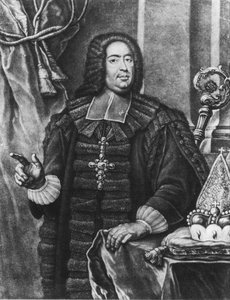
gabriel bodenehr the elder
1664 - 1758 , Germany
基本情報
- Artistic Movement Or Style: Renaissance Prints
- Date Of Birth: Augsburg, Germany (1664)
- Date Of Death: 1758
- Full Name: Gabriel Bodenehr I
- Nationality: German
- Notable Artworks: ['Perspective Plan of Vilnius']
- Place Of Birth: Augsburg

