

 プレビュー
プレビュー
 プリントを購入
 シェアする
シェアする シェアする
シェアする
 詳細を見る
詳細を見る

 ダウンロード
 似ている作品
 X線調査
X線調査 スライドショー
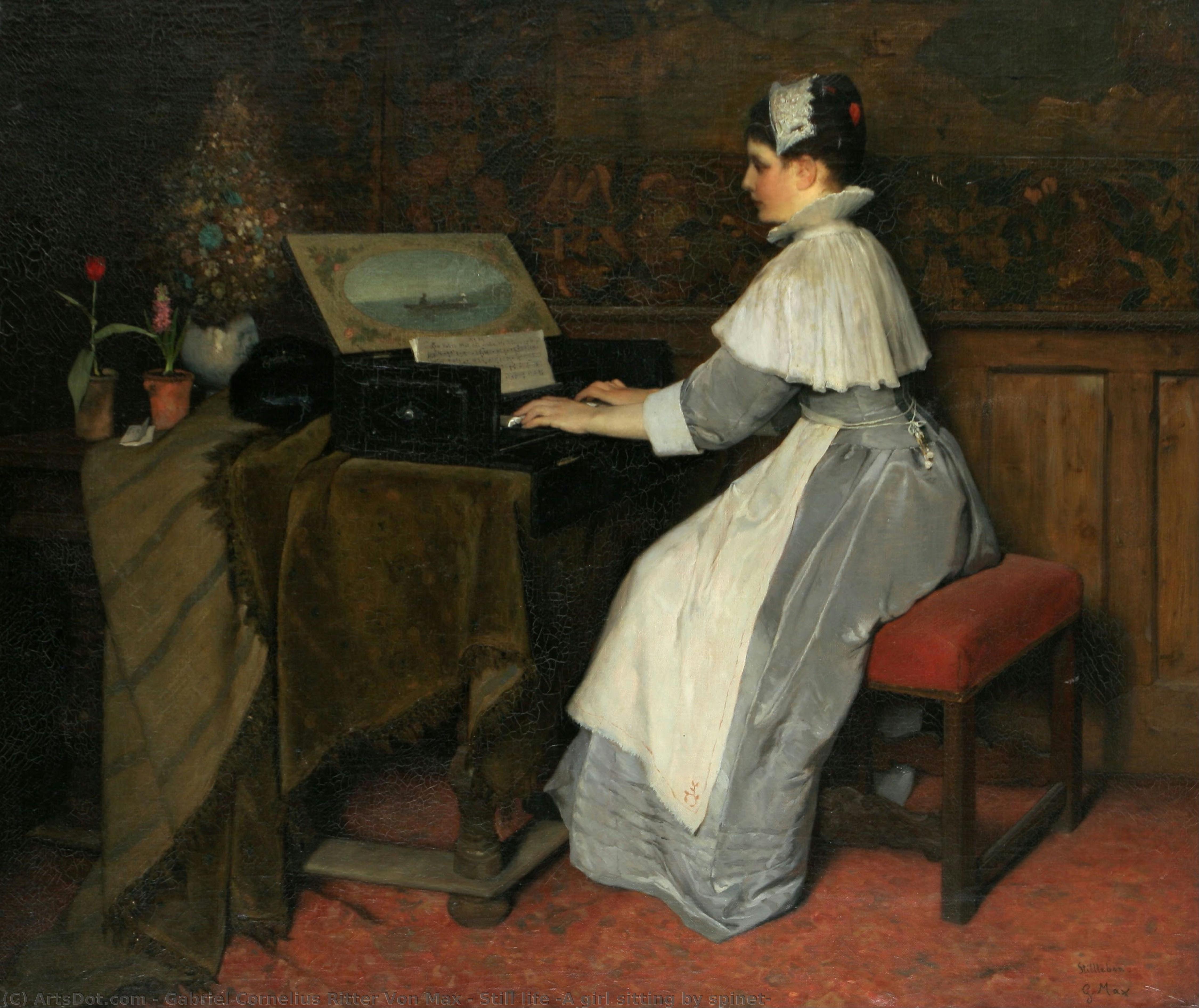
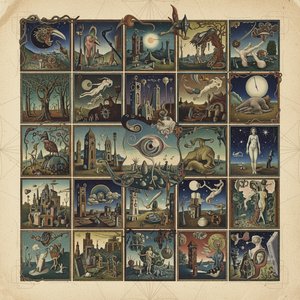
Still life (A girl sitting by spinet)


 詳細を見る
詳細を見る




































作品のオリジナル比率に合わせた、当店の規定サイズからお選びください。

特定のフレームやスペースに合わせて、ご希望のサイズをご入力いただけます。選択されたサイズが元の画像の比率と異なる場合、アートワークをトリミングするか、手描きで要素を追加して絵画を拡張いたします。デジタルモックアップ を制作し、制作開始前にご確認(承認)をいただきます。
画面上のプレビューは、実際のトリミングや拡張を正確に反映しているものではありません。最終的な構図は、モックアップによってのみ正確にご確認いただけます。
カスタムサイズもご利用いただけますが、元の比率を維持するためには、あらかじめ用意されたリストからサイズを選択することをお勧めいたします。
ご注文後、ArtsDot.com チームより詳細な指示をお送りするとともに、仕上がりイメージ(モックアップ)をご提供いたします。


 ガラスオプションは、110cm未満のサイズでのみご利用いただけます。

Still life (A girl sitting by spinet)
複製技法
複製画のサイズ
-


合計金額
$ 263
関連作品
アーティストの略歴
Gabriel Cornelius Ritter von Max: A Visionary of Mysticism and Anthropology
Gabriel Cornelius Ritter von Max (1840-1915) was a profoundly singular figure in 19th-century Austrian art, an artist whose work defies easy categorization. Born in Prague to a sculptor father and a musician mother, his early life fostered a deep appreciation for both artistic expression and intellectual curiosity. He wasn’t simply a painter; he was a collector of anthropological artifacts, a student of esoteric philosophies, and a meticulous observer of the human condition – all these facets profoundly shaped his unique artistic vision. Max's oeuvre is characterized by a haunting beauty, often imbued with a sense of melancholy and spiritual yearning, reflecting his fascination with mysticism, symbolism, and the darker aspects of human experience. His distinctive style, dubbed “unglücksmalerei” (unhappiness painting) by critics, utilized a deliberately dark palette and psychologically charged imagery to explore themes of mortality, faith, and the mysteries of existence.Early Life and Artistic Training
Max’s artistic journey began with his father, Josef Max, a sculptor who instilled in him an early understanding of form and technique. However, it was at the Prague Academy of Arts that he truly discovered his intellectual passions. He immersed himself in subjects far removed from traditional academic painting – parapsychology, Darwinism, Asiatic philosophy, and the writings of Schopenhauer. This eclectic education, guided by his mentor Eduard von Engerth, laid the groundwork for his later exploration of mystical allegories. He then moved to Vienna’s Academy, studying under figures like Karl von Blaas and Karl Mayer, absorbing their technical skills while simultaneously forging his own distinctive path. Crucially, he encountered the ideas of Franz du Prel and Albert Keller, key figures in the burgeoning spiritual-mystical movement that would heavily influence his work. The Piloty School, where he studied briefly with Karl Theodor von Piloty, provided a foundation in composition and technique, but Max quickly diverged from the prevailing trends, establishing his own unique style rooted in psychological depth and symbolic richness.The Development of a Distinctive Style
Max’s artistic development can be traced through a fascinating evolution of palette and subject matter. Initially influenced by the “unglücksmalerei” – the dark, somber aesthetic championed by Karl Theodor von Piloty – he employed this technique to depict religious and mythological scenes with an intense emotional resonance. His early masterpiece, "Martyr at the Cross" (1867), exemplifies this shift, transforming a traditional subject into a psychologically complex meditation on suffering and faith. However, unlike Piloty, Max didn’t simply replicate darkness; he used it to create a profound sense of atmosphere and psychological depth. Later in his career, he moved towards a more muted palette, favoring subtle gradations of color and focusing on the interplay of light and shadow. His paintings often feature ethereal figures bathed in soft luminescence, conveying a sense of otherworldly beauty and spiritual transcendence. The influence of his extensive collection of anthropological artifacts is also evident in his work, particularly in depictions of animals – sometimes rendered as human-like figures – that reflect his fascination with the interconnectedness of nature and humanity.Notable Works and Influences
Several paintings stand out as testaments to Max’s unique artistic vision. “The Last Token” (Metropolitan Museum) is a prime example of his ability to imbue seemingly simple subjects with profound symbolic meaning, while "Light" (Odessa Museum of Western and Eastern Art) showcases his mastery of atmospheric effects and his exploration of spiritual themes. His fascination with monkeys—he kept a collection in his Munich home for many years—is vividly depicted in several works, blurring the boundaries between species and prompting reflections on human nature. Beyond his own artistic explorations, Max was deeply influenced by the Blue Rider movement, though he maintained a distinct identity within this broader circle of artists. The meticulous documentation of his monkey collection – hundreds of photographs and sketches – reveals his commitment to observation and his desire to translate reality into art.Legacy and Historical Significance
Gabriel von Max’s artistic legacy is one of quiet intensity and profound introspection. While he didn't achieve widespread fame during his lifetime, his work has since been recognized for its originality and emotional depth. His exploration of mystical themes, combined with his anthropological interests and distinctive style, established him as a significant figure in the Secessionist movement and a precursor to Expressionism. His collection of artifacts, now housed in the Reiss Engelhorn Museum in Mannheim, offers a fascinating glimpse into his intellectual pursuits and provides valuable context for understanding his artistic vision. Max’s life and work serve as a reminder that art can be both a reflection of the world around us and a window into the deepest mysteries of human experience.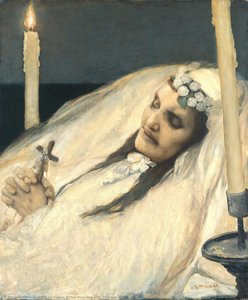
gabriel cornelius ritter von max
1840 - 1915
基本情報
- Artistic Movement Or Style: Secessionist, Mystical Allegories
- Artists Or Movements Influenced By This Artist: ['Blue Rider Movement']
- Artists Who Influenced This Artist:
- Eduard von Engerth
- Karl von Blaas
- Franz von Lenbach
- Date Of Birth: 1840
- Date Of Death: 1915
- Full Name: Gabriel Cornelius Ritter von Max
- Nationality: Austrian-German
- Notable Artworks:
- Martyr at the Cross
- The Last Token
- Light
- Place Of Birth: Prague, Austria-Hungary
関連記事

ダンテ・ガブリエル・ロセッティ傑作25選:美と象徴が織りなす芸術の世界 | ArtsDot
ダンテ・ガブリエル・ロセッティの傑作25選。プレラファエライトの象徴主義、美しい女性画の世界へ。油絵やアートプリントで、リビングや寝室を彩るインテリアアートを見つけましょう。ArtsDot.comで名画コレクションを探索。
マックス・エルンスト傑作25選:シュルレアリスムの深淵と装飾への誘い
マックス・エルンストの傑作25選。シュルレアリスムを代表する画家、その夢と無意識の世界を描いた絵画や版画を紐解きます。リビングやオフィスに飾るモダンアート、インテリアに最適な作品を見つけませんか?ArtsDot.comで全コレクションをオンラインで探す。

The Enduring Legacy of Oil on Canvas: Technique, History & Aesthetic Impact
Explore the rich history & techniques of oil painting – from Renaissance masters to Impressionism. Discover pigments, layering methods, and why this timeless medium endures. Expert insights for artists & art enthusiasts.

Oil on Canvas: A Historical & Technical Exploration of a Timeless Artistic Medium
Explore the rich history & enduring techniques of oil painting on canvas. Discover the science behind its longevity, conservation practices, and contemporary relevance. Expert insights for art enthusiasts.

The Enduring Power of Painting: A Historical & Contemporary Exploration of Form and Emotion
Explore the rich history & enduring techniques of oil painting with ArtsDot. Discover masterpieces, learn about art collecting, and find authentic handmade reproductions crafted by skilled artists.

