

 プレビュー
プレビュー
 プリントを購入
 シェアする
シェアする シェアする
シェアする
 詳細を見る
詳細を見る

 ダウンロード
 似ている作品
 X線調査
X線調査 スライドショー
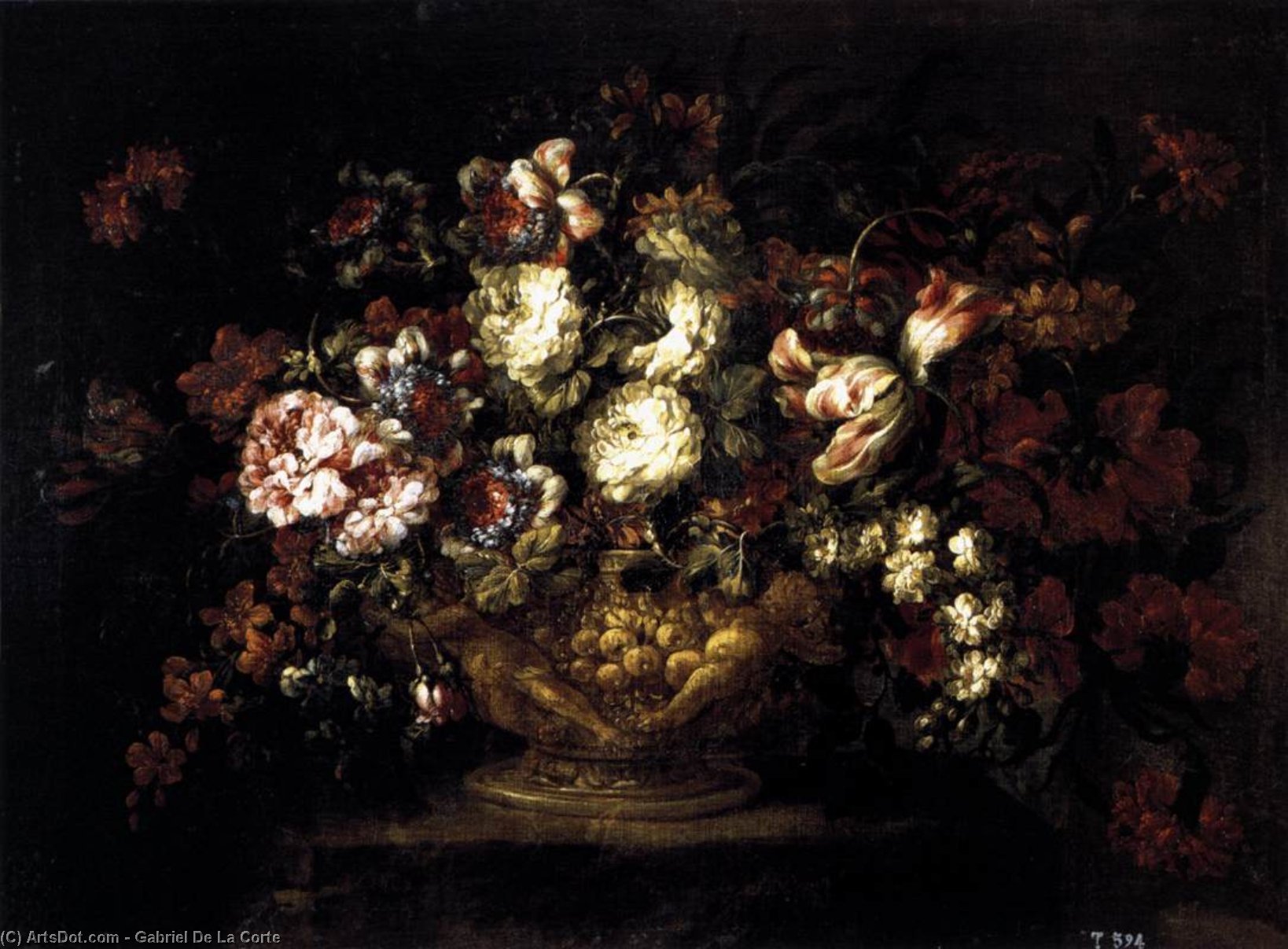
Vase of Flowers
 62.0 x 84.0 cm
 プラド美術館
 詳細を見る
詳細を見る




































作品のオリジナル比率に合わせた、当店の規定サイズからお選びください。

特定のフレームやスペースに合わせて、ご希望のサイズをご入力いただけます。選択されたサイズが元の画像の比率と異なる場合、アートワークをトリミングするか、手描きで要素を追加して絵画を拡張いたします。デジタルモックアップ を制作し、制作開始前にご確認(承認)をいただきます。
画面上のプレビューは、実際のトリミングや拡張を正確に反映しているものではありません。最終的な構図は、モックアップによってのみ正確にご確認いただけます。
カスタムサイズもご利用いただけますが、元の比率を維持するためには、あらかじめ用意されたリストからサイズを選択することをお勧めいたします。
ご注文後、ArtsDot.com チームより詳細な指示をお送りするとともに、仕上がりイメージ(モックアップ)をご提供いたします。


 ガラスオプションは、110cm未満のサイズでのみご利用いただけます。

Vase of Flowers
複製技法
複製画のサイズ
-


合計金額
$ 263
関連作品





アーティストの略歴
Gabriel de la Corte: A Master of Baroque Still Life
Gabriel de la Corte (1648 – 1694) stands as a prominent figure in Spanish Baroque painting, celebrated primarily for his captivating still lifes that capture the delicate beauty of floral arrangements and everyday objects. Born in Madrid, Spain, he emerged during a period marked by artistic innovation and intellectual fervor—a time when artists sought to express profound emotions and explore complex philosophical ideas within their canvases. While biographical details remain somewhat sparse compared to contemporaries like Rembrandt or Rubens, his legacy endures through the remarkable quality of his artwork and its contribution to the stylistic canon of the era.- Early Life & Training: De la Corte’s formative years were spent honing his artistic skills under the tutelage of Francisco Herrera Velázquez II, a renowned painter known for his mastery of illusionistic painting techniques—a style that would profoundly influence de la Corte's own approach. This mentorship instilled in him a meticulous attention to detail and an unwavering commitment to realism, characteristics that would become hallmarks of his oeuvre.
- Style & Technique: De la Corte’s distinctive artistic vision manifested itself in a highly ornamented Baroque style characterized by luminous color palettes, intricate textures, and masterful rendering of light and shadow. He skillfully employed chiaroscuro—the dramatic contrast between light and dark—to heighten the emotional impact of his compositions and imbue them with an aura of solemn grandeur.
- Floral Still Lifes: De la Corte’s fame rests principally upon his breathtaking floral still lifes, which exemplify the Baroque preoccupation with capturing fleeting moments of beauty and conveying spiritual contemplation. He meticulously depicted vases overflowing with blossoms—roses, lilies, tulips—often adorned with garlands and ribbons—creating scenes that resonate with an idealized vision of nature and human sensibility.
- Notable Works: Among his most celebrated paintings are “Vase of Flowers” (various versions), which exemplify his signature style and technical prowess. These works demonstrate a profound understanding of botanical illustration alongside artistic virtuosity, securing his place as one of the foremost painters of his time.
- Historical Significance: De la Corte’s contribution to Spanish Baroque art is significant not only for its aesthetic achievements but also for its reflection of broader cultural trends—namely, the burgeoning interest in scientific observation and the humanist ideals that championed human dignity and reason. His paintings serve as tangible reminders of a period when artists sought to elevate visual representation beyond mere decorative splendor, aiming instead to communicate profound truths about the human condition.
Influences & Artistic Context
De la Corte’s artistic development was undeniably shaped by the prevailing stylistic currents of his time—particularly the influence of Francisco Herrera Velázquez II and the broader Baroque movement in Spain. Like many artists of his generation, he embraced illusionistic painting techniques—a method pioneered by Andrea Pozzo and Caravaggio—that aimed to create a sense of spatial depth and theatrical grandeur within a confined canvas. Furthermore, De la Corte’s fascination with botanical illustration reflects the growing importance of scientific inquiry during the Baroque era, when naturalists meticulously documented plant specimens and pursued knowledge through observation and experimentation.Exploring Themes & Symbolism
De la Corte's still lifes transcend mere visual representation; they are imbued with symbolic meaning—a characteristic feature of Baroque art that sought to convey moral lessons and spiritual aspirations. Flowers, in particular, served as potent emblems of purity, innocence, and divine grace—representing the ephemeral beauty of earthly existence alongside its transcendent potential. The careful arrangement of blossoms within vases—often juxtaposed against dark backgrounds—created visual harmonies that mirrored theological concepts—such as the interplay between light and darkness symbolizing God’s illumination amidst human imperfection.Legacy & Artistic Reputation
Gabriel de la Corte's enduring artistic reputation stems from the exceptional quality of his paintings—characterized by meticulous detail, luminous color palettes, and masterful rendering of light and shadow. His works continue to inspire admiration for their technical brilliance and aesthetic beauty—serving as testament to the transformative power of Baroque artistry. Although overshadowed by more prolific contemporaries, De la Corte’s contribution to Spanish art history remains undeniable—solidifying his place among the most accomplished painters of his era and ensuring that his masterpieces endure as symbols of Baroque splendor.
gabriel de la corte
1648 - 1694 , Spain
基本情報
- Artistic Movement Or Style: Baroque
- Artists Or Movements Influenced By This Artist: ['Rococo']
- Artists Who Influenced This Artist: ['Maurice Quentin de La Tour']
- Date Of Birth: Madrid, Spain (1648)
- Full Name: Gabriel de la Corte
- Nationality: Spanish
- Notable Artworks:
- Vase of Flowers
- Still life of flowers in a basket
- Place Of Birth: Madrid

