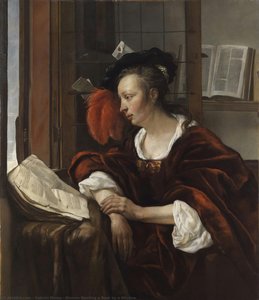
 プレビュー
プレビュー
 シェアする
シェアする シェアする
シェアする
 詳細を見る
詳細を見る

 ダウンロード
 似ている作品
 X線調査
X線調査 スライドショー
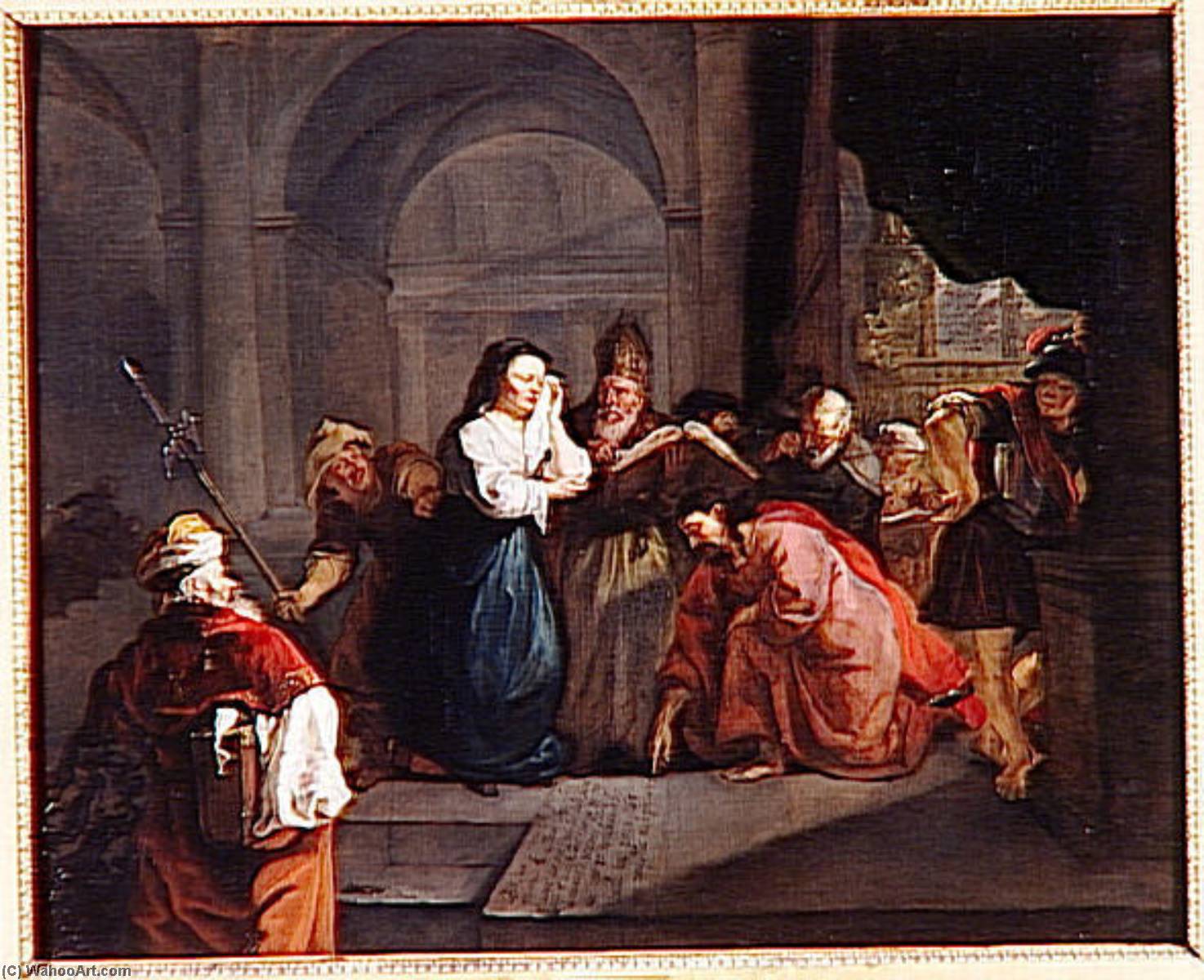
LE CHRIST ET LA FEMME ADULTERE


 詳細を見る
詳細を見る
ジークレー/アートプリント
迅速な制作と多彩な仕上げオプションを備えた、ミュージアムクオリティのジークレーまたはキャンバスプリント。 ( 手描きの絵画を購入 画像を購入)




P118B $10

P118H $10

P118W $10

P438Z $10

P508JH $12

P508YH $12

P805H $10

P805Z $10

P919BZ $10

P919G $10

P919XJ $10

P959ZH $10

P968JZ $12

W106C $8

W218G $10

W218JH $8

W218Y $10

W307PJ $10

W316G $10

W316PJ $8

W316Y $10

W398PJ $8

W4111J $10

W500HY $15

W500JH $15

W692G $12

W849H $8

W940BG $15

W953PJ $8




作品のオリジナル比率に合わせた、当店の規定サイズからお選びください。

特定のフレームやスペースに合わせて、ご自身でサイズを指定することも可能です。選択されたサイズが元の画像の比率と一致しない場合、作品をトリミングするか、鏡面反射または単色での塗りつぶしによって画像を拡張いたします。制作を開始する前に、ご確認用のデジタルモックアップをお送りいたします。
画面上のプレビューには、実際のトリミングや拡張は反映されませんのでご注意ください。最終的な構図を正確に確認できるのは、モックアップのみとなります。
カスタムサイズも承っておりますが、元の比率を維持するためには、あらかじめ用意されたリストからサイズを選択することをお勧めいたします。


 ガラスオプションは、110cm未満のサイズでのみご利用いただけます。

LE CHRIST ET LA FEMME ADULTERE
ジークレー/アートプリント
複製画のサイズ
-


合計金額
$ 62
Le Christ et la Femme Adultere: A Dutch Golden Age Masterpiece
Gabriel Metsu’s “Le Christ et la Femme Adultere” – Christ and the Adulterous Woman – is not merely a depiction of a biblical scene; it's a profound meditation on forgiveness, judgment, and the complexities of human emotion rendered with the meticulous detail characteristic of the Dutch Golden Age. Painted around 1653-1654, during a period when Metsu was experimenting with domestic interiors and genre scenes, this work stands as a testament to his evolving artistic vision and his remarkable ability to infuse religious narratives with intimate realism. The painting’s power lies not just in its subject matter but also in the subtle gestures, expressions, and carefully constructed composition that invite viewers into a world of moral ambiguity and quiet contemplation.- The Scene Unfolds: Within a classically inspired architectural setting – an arched doorway framed by columns – Christ stands as a central figure, his posture radiating both authority and compassion. He gestures towards the woman accused of adultery, drawing attention to her plight while simultaneously suggesting a path toward understanding and mercy. The surrounding figures, a diverse group of men and women, react with a range of emotions: some express outrage and condemnation, others appear pensive or plead for leniency. This dynamic interplay creates a palpable sense of tension and moral debate within the scene.
- Metsu’s Signature Style: Metsu's distinctive style is immediately apparent in the painting’s meticulous detail and carefully observed realism. He eschewed the grand, theatrical compositions favored by some of his contemporaries, opting instead for a more intimate and psychologically nuanced approach. The figures are rendered with remarkable accuracy, paying close attention to their clothing, expressions, and body language. Notice, for example, the subtle wrinkles on Christ’s face, conveying both wisdom and empathy.
Symbolism and Narrative Depth
Beyond its biblical subject matter, “Le Christ et la Femme Adultere” is rich in symbolic meaning. The architectural setting itself – reminiscent of ancient Roman structures – serves as a visual metaphor for the enduring nature of moral dilemmas. Christ’s gesture, often interpreted as an act of forgiveness, represents his willingness to offer redemption and compassion even in the face of transgression. The diverse reactions of the crowd reflect the complexities of human judgment and the difficulty of reconciling divine law with human experience. The inclusion of a small dog, a common symbol of fidelity and loyalty, subtly reinforces the theme of betrayal and its consequences. The painting’s overall mood is one of restrained drama, inviting viewers to consider their own roles in the ongoing struggle between justice and mercy.- Color Palette: Metsu employs a muted color palette dominated by earthy tones – browns, ochres, and reds – creating a sense of solemnity and gravitas. The use of light is particularly effective, casting soft shadows that highlight key figures and adding depth to the composition.
- Compositional Techniques: Metsu masterfully utilizes perspective to create a sense of spatial depth, drawing the viewer’s eye into the scene and emphasizing the importance of Christ as the central figure. The arrangement of the figures is carefully orchestrated, creating a dynamic balance between action and contemplation.
Historical Context and Artistic Legacy
Painted in the heart of the Dutch Golden Age – a period renowned for its artistic innovation and cultural flourishing – “Le Christ et la Femme Adultere” reflects the era’s fascination with religious themes, moral dilemmas, and psychological realism. Gabriel Metsu was a highly eclectic artist, known for his diverse range of subjects and his willingness to experiment with different styles and techniques. While he often worked in the style of Rembrandt and Vermeer, he developed a unique artistic voice characterized by intimate detail, subtle emotion, and a profound understanding of human nature. His work is now recognized as a cornerstone of Dutch Golden Age painting, admired for its technical brilliance, emotional depth, and enduring relevance.Bringing “Le Christ et la Femme Adultere” into Your Space
Reproductions of "Le Christ et la Femme Adultere" offer a remarkable opportunity to bring this iconic masterpiece into your home or office. Whether you choose a high-quality canvas print, a framed fine art reproduction, or even an image printed on a durable metal panel, you’ll be able to appreciate the painting's intricate details and emotional power in stunning clarity. Consider pairing it with complementary colors and furnishings to create a space that reflects your personal style while honoring the artistic legacy of Gabriel Metsu. Explore our selection of high-resolution reproductions today and discover how this timeless work can enrich your surroundings.関連作品
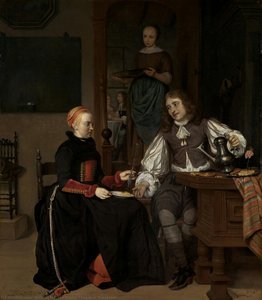
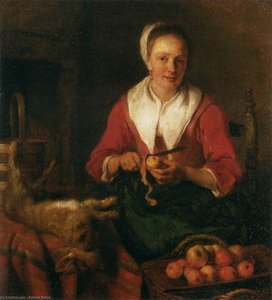
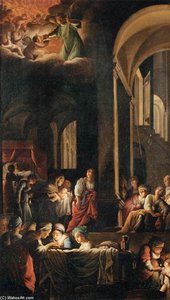
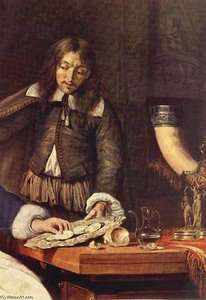
アーティストの略歴
生誕と初期の芸術的探求
1629年、オランダのライデンに生まれたガブリエル・メッツュは、その生涯を芸術的な探求と革新に捧げました。メッツュの作品は、豊かな芸術的産出で知られる黄金時代オランダ精神を体現しています。彼の父、ジャック・メッツュはエノール地方出身のタペストリー職人であり画家でもあり、その多様な芸術的背景がガブリエルの初期における様々な技法への関心を育んだと考えられます。ライデンでの生活を通して、彼は多様な文化的影響を受けました。芸術的キャリアと様式
メッツュのキャリアは、特定の様式や技法に固執せず、幅広い表現を追求したことで特徴づけられます。歴史画、静物画、肖像画、風俗画など、様々なジャンルの作品を手がけました。彼の作品の中で日付が確認されているのはわずか14点であり、その創作過程には多くの謎が残されています。初期の作品にはレンブラント・ファン・レインの影響が見られ、特に光と色彩の使い方に顕著です。1655年のアムステルダムへの移住は、メッツュの様式に大きな転換をもたらし、より家庭内部や風俗画に重点を置くようになりました。ミヒール・ファン・ムッシャーやヨースト・ファン・ヘールの育成を通して、彼は芸術コミュニティへの貢献を示しました。象徴性と日常の描写
メッツュの絵画には、若い女性、市場の風景、老人が頻繁に登場し、当時の一般的な寓意を取り入れています。鶏売りはその代表的な例であり、彼の象徴主義を巧みに表現しています。彼は日常生活の中に潜む隠された意味や教訓を描き出すことに長けていました。メッツュは単なる現実の描写にとどまらず、鑑賞者に深い考察を促すような作品を生み出しました。主要な作品と遺産
病気の子供 (1664年頃)は、フェルメールへのメッツュの敬意を示す作品として知られています。また、ヒンロペン家像は、風俗画と肖像画を融合させた傑作であり、彼の卓越した技術と芸術的センスが光ります。これらの作品を通して、メッツュは当時の社会や人々の生活様式を鮮やかに描き出しました。博物館コレクションと歴史的意義
メッツュの作品は、アムステルダム国立美術館をはじめとする様々な美術館に所蔵されています。彼の芸術とその影響についてさらに深く知るためには、他の黄金時代オランダの画家たちの作品も合わせて鑑賞することをお勧めします。ガブリエル・メッツュの生涯と芸術は、オランダ黄金時代の革新的な精神を象徴するものであり、西洋美術史において重要な位置を占めています。彼の作品は、これからも多くの人々に感動を与え続けるでしょう。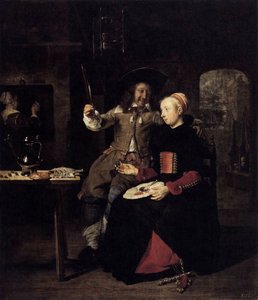
ガブリエル・メツ
1629 - 1667 , オランダ
基本情報
- Artistic Movement Or Style: オランダ黄金時代絵画
- Artists Or Movements Influenced By This Artist:
- ミヒール・ファン・ムッシャー
- ヨースト・ファン・ヘール
- Artists Who Influenced This Artist:
- レンブラント・ファン・レイン
- ヨハネス・フェルメール
- Date Of Birth: 1629年
- Date Of Death: 1667年
- Full Name: ガブリエル・メツ
- Nationality: オランダ人
- Notable Artworks:
- 病気の子供
- 家禽売り
- ヒンロペン家の肖像
- Place Of Birth (City And Country): ライデン、オランダ
関連記事
ダンテ・ガブリエル・ロセッティ傑作25選:美と象徴が織りなす芸術の世界 | ArtsDot
ダンテ・ガブリエル・ロセッティの傑作25選。プレラファエライトの象徴主義、美しい女性画の世界へ。油絵やアートプリントで、リビングや寝室を彩るインテリアアートを見つけましょう。ArtsDot.comで名画コレクションを探索。
Gabriel Metsu: Illuminating Dutch Daily Life with Exquisite Detail
Explore the captivating world of Gabriel Metsu, a leading Dutch Golden Age painter. Discover his exquisite genre scenes, masterful realism, and insightful social commentary. Learn about key works & his lasting legacy.

Illuminating Innovation: Exploring the Dutch Golden Age of Painting
Explore the Dutch Golden Age of painting with ArtsDot. Discover Rembrandt, Vermeer & other Masters. Learn about key characteristics, iconic artworks, and lasting influence. Expert insights for collectors & enthusiasts.
Masterpieces of the 17th Century: Art, History & Decor Inspiration | ArtsDot
Journey through 17th century art with masterpieces by Rembrandt, Vermeer & Caravaggio. Explore Baroque paintings, Dutch Golden Age techniques & timeless beauty. Find museum-quality reproductions and elevate your home decor on ArtsDot.com.

Dutch Baroque Masters: 10 Paintings That Shaped an Era | ArtsDot
Journey through the Golden Age with our guide to the Top 10 Dutch Baroque masterpieces! Explore iconic paintings by Rembrandt, Vermeer & Frans Hals. Find museum-quality art reproductions and elevate your home decor at ArtsDot.com.