

 プレビュー
プレビュー
 シェアする
シェアする シェアする
シェアする
 詳細を見る
詳細を見る

 ダウンロード
 似ている作品
 X線調査
X線調査 スライドショー
 Stats
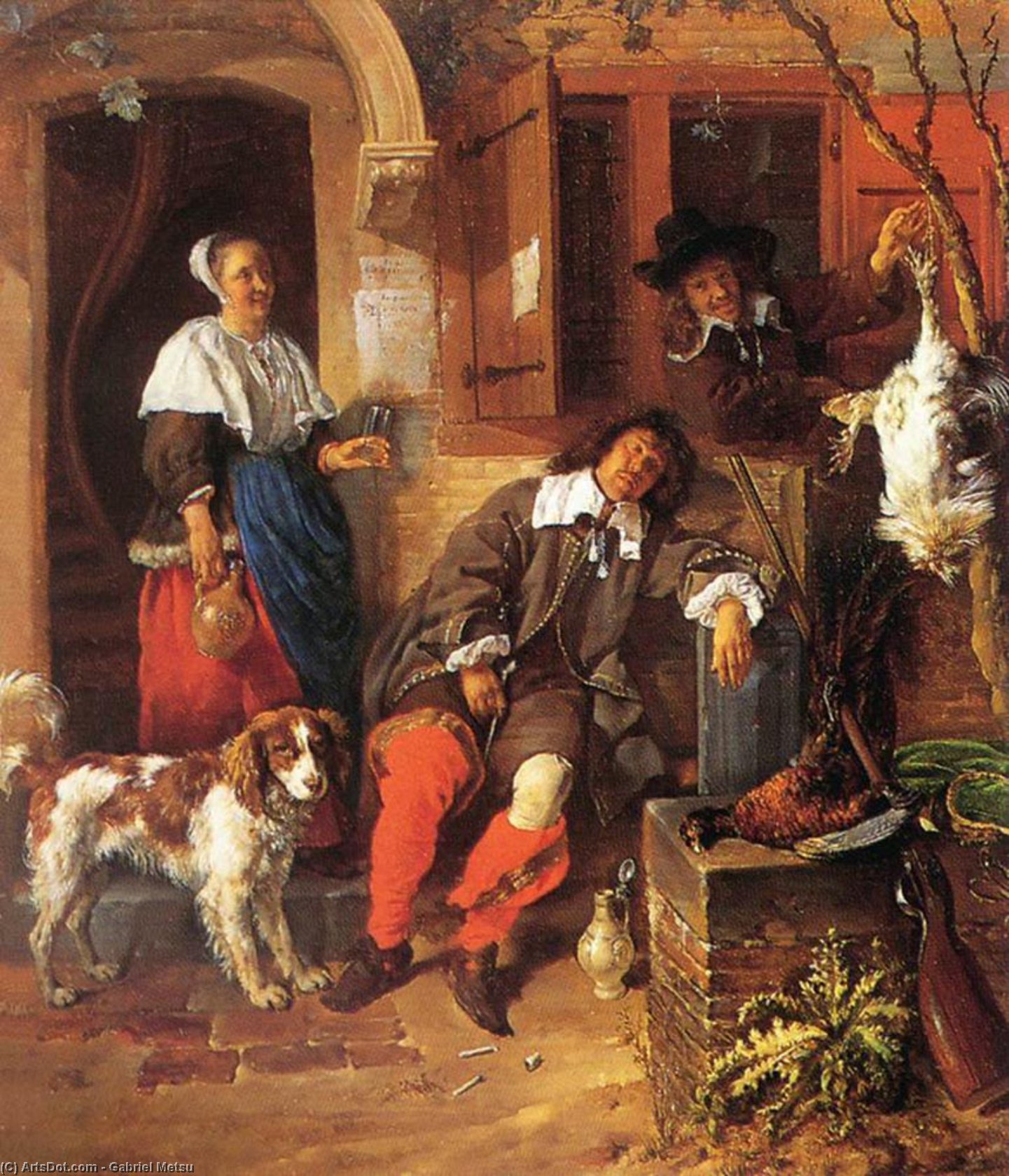
StatsThe Sleeping Sportsman
 Acrylic On Canvas
- WallArt
- Dutch Golden Age
 1657
1657 40.0 x 35.0 cm
 ウォールスコレクション
 詳細を見る
詳細を見る
オンラインプレビューをはるかに凌ぐ、高解像度で鮮明なデジタル画像をご購入いただけます。
各ファイルは、社内の専門家が高度なツールと熟練した手作業によるレタッチを用いて、細心の注意を払って準備されています。すべての画像において、卓越した鮮明度、正確な色彩再現性、そして繊細なディテールを保証いたします。
最終ファイルは、プロフェッショナルな編集・印刷環境ですぐにご利用いただけるよう最適化された状態で、72時間以内にメールにてお届けいたします。これは、一流のデザインスタジオ、出版社、ギャラリーから信頼されているものと同等の品質です。
デジタルアート
個人での鑑賞、印刷、クリエイティブなプロジェクト用に、高解像度ファイルをダウンロードできます。 ( Switch to Print 手描きの絵画を購入)
デジタル画像のご注文に付随する特典
高品質なデジタル画像配信を、確かな品質で。
ArtsDot.com を選ぶことは、単に画像を手に入れることではありません。それは、プロの手によって精密に仕上げられ、満足保証が付いた高品質なデジタルアートワークを受け取ることを意味します。ご注文いただいた際に自動的に付随する内容は、以下の通りです:

メールですぐにお届け
ご注文から72時間以内に、高解像度のデジタル画像ファイルがメールでお手元に届きます。すぐにそのままご利用いただけます。

AI技術で最適化されたデジタルファイル
お客様の作品は、高度なAIツールと専門家による手作業の編集を組み合わせてプロフェッショナルに最適化されており、細部のディテール、鮮明さ、そして正確な色再現性を最大限に引き出しています。

一生涯無料の再送サービス
ファイルを誤って削除したり、紛失してしまったりしましたか?ご安心ください。いつでも無料で再送いたします。

輸入手数料は一切かかりません
関税や手数料、配送料を気にすることなく、お気に入りのアートワークをすぐにお楽しみいただけます。デジタルダウンロードは常に免税です。

色彩再現の保証
プロ仕様のツールとカラーマネジメント技術を用いることで、デジタル画像が元の色を最大限に忠実に再現することを保証いたします。

100日間満足保証
ご購入いただいたデジタル画像にご満足いただけない場合は、100日以内であれば、理由を問わず修正または100%の返金対応をさせていただきます。

100% 返金保証
ご満足いただけない場合は、デジタルファイルを受け取ってから100日以内であれば、理由を問わず全額返金いたします。

まとめ買い割引
3枚購入で10%OFF - 5枚購入で15%OFF - 10枚以上購入で20%OFF。クリエイティブなプロジェクト、ギャラリー、エージェンシーに最適です。
The Sleeping Sportsman: A Dutch Golden Age Intimacy
Gabriel Metsu’s “The Sleeping Sportsman,” painted in 1659, isn't merely a portrait; it’s a carefully constructed tableau of domestic tranquility and subtle social commentary. Emerging from the bustling artistic landscape of Leiden and finding his final home in Amsterdam, Metsu carved out a unique niche within the Dutch Golden Age, eschewing grand historical narratives for intimate scenes of everyday life. This particular work, measuring a modest 40 x 35 centimeters, offers a rare glimpse into the private world of a wealthy family, revealing a quiet drama beneath the surface of apparent repose.
The scene unfolds within a richly appointed room – a fireplace anchors the composition, radiating warmth and suggesting a haven from the outside world. A man lies sprawled on the floor, seemingly lost in slumber, his face partially obscured by a cushion. Beside him stands a figure, likely his wife or a close female relative, engaged in quiet activity; she’s meticulously arranging a small table laden with simple objects: a cup, a bowl, and two birds perched delicately upon them. The inclusion of these details—the carefully placed fruit, the attentive care given to the animals – speaks volumes about the values of prosperity and domestic harmony prevalent during this era. The painting's palette is dominated by warm browns, ochres, and muted reds, creating a sense of cozy intimacy and reinforcing the feeling of a comfortable, well-established home.
Metsu’s Eclectic Style and Leiden’s Influence
Gabriel Metsu was renowned for his “highly eclectic artist” status – a label that perfectly captures his refusal to be confined by any single artistic style. Trained initially under Gerrit Dou in Leiden, he absorbed the meticulous detail and subtle modeling characteristic of the Leiden School, but quickly developed his own distinctive approach. Unlike many of his contemporaries who favored dramatic lighting and bold brushstrokes, Metsu cultivated a remarkably restrained technique, employing delicate gradations of tone and meticulously rendering textures with an almost photographic precision. This is particularly evident in the depiction of the sleeping sportsman’s garments – each fold and wrinkle rendered with painstaking detail.
The influence of Leiden's “fijnschilders” (fine painters) became increasingly apparent as Metsu settled in Amsterdam, adopting their penchant for small-scale genre scenes and a focus on capturing fleeting moments of human interaction. The painting’s composition—a carefully arranged still life within a domestic setting—is a testament to this evolving style. The subtle gestures of the figures – the woman's attentive gaze, the sportsman’s relaxed posture – invite the viewer to contemplate their relationship and the quiet rhythms of their lives.
Symbolism and Social Commentary
Beyond its surface depiction of domesticity, “The Sleeping Sportsman” is rich in symbolic meaning. The sleeping figure himself represents a state of repose, perhaps suggesting contentment or even indulgence. The presence of the birds, often associated with fidelity and loyalty, hints at the stability and security of the household. The carefully arranged objects on the table—the fruit, the bowl, the animals—are not merely decorative; they are emblems of wealth, abundance, and the virtues of a prosperous life.
Furthermore, the scene subtly critiques the social hierarchy of the time. While the figures appear comfortable and secure within their domestic sphere, the painting’s intimate scale and quiet demeanor contrast sharply with the grand, heroic narratives favored by many other artists of the period. Metsu's focus on the everyday—on the simple pleasures and private moments of a wealthy family—offers a refreshing alternative, inviting viewers to contemplate the beauty and significance of ordinary life.
A Legacy of Intimacy
“The Sleeping Sportsman” remains one of Gabriel Metsu’s most celebrated works, admired for its exquisite detail, subtle symbolism, and profound sense of intimacy. It exemplifies the artist's unique ability to capture the essence of human experience within a small, carefully composed space. Reproductions of this captivating painting offer a window into the world of 17th-century Dutch society—a world where domestic tranquility, quiet contemplation, and subtle social commentary were valued above all else. Its enduring appeal lies in its ability to evoke a sense of warmth, nostalgia, and a profound appreciation for the beauty of everyday life.
関連作品
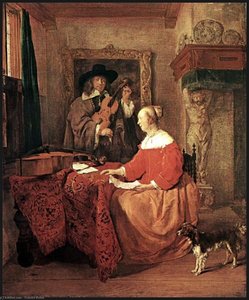
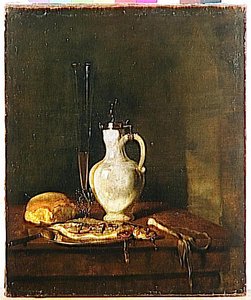
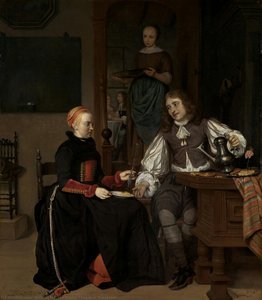
作家の略歴
生誕と初期の芸術的探求
1629年、オランダのライデンに生まれたガブリエル・メッツュは、その生涯を芸術的な探求と革新に捧げました。メッツュの作品は、豊かな芸術的産出で知られる黄金時代オランダ精神を体現しています。彼の父、ジャック・メッツュはエノール地方出身のタペストリー職人であり画家でもあり、その多様な芸術的背景がガブリエルの初期における様々な技法への関心を育んだと考えられます。ライデンでの生活を通して、彼は多様な文化的影響を受けました。芸術的キャリアと様式
メッツュのキャリアは、特定の様式や技法に固執せず、幅広い表現を追求したことで特徴づけられます。歴史画、静物画、肖像画、風俗画など、様々なジャンルの作品を手がけました。彼の作品の中で日付が確認されているのはわずか14点であり、その創作過程には多くの謎が残されています。初期の作品にはレンブラント・ファン・レインの影響が見られ、特に光と色彩の使い方に顕著です。1655年のアムステルダムへの移住は、メッツュの様式に大きな転換をもたらし、より家庭内部や風俗画に重点を置くようになりました。ミヒール・ファン・ムッシャーやヨースト・ファン・ヘールの育成を通して、彼は芸術コミュニティへの貢献を示しました。象徴性と日常の描写
メッツュの絵画には、若い女性、市場の風景、老人が頻繁に登場し、当時の一般的な寓意を取り入れています。鶏売りはその代表的な例であり、彼の象徴主義を巧みに表現しています。彼は日常生活の中に潜む隠された意味や教訓を描き出すことに長けていました。メッツュは単なる現実の描写にとどまらず、鑑賞者に深い考察を促すような作品を生み出しました。主要な作品と遺産
病気の子供 (1664年頃)は、フェルメールへのメッツュの敬意を示す作品として知られています。また、ヒンロペン家像は、風俗画と肖像画を融合させた傑作であり、彼の卓越した技術と芸術的センスが光ります。これらの作品を通して、メッツュは当時の社会や人々の生活様式を鮮やかに描き出しました。博物館コレクションと歴史的意義
メッツュの作品は、アムステルダム国立美術館をはじめとする様々な美術館に所蔵されています。彼の芸術とその影響についてさらに深く知るためには、他の黄金時代オランダの画家たちの作品も合わせて鑑賞することをお勧めします。ガブリエル・メッツュの生涯と芸術は、オランダ黄金時代の革新的な精神を象徴するものであり、西洋美術史において重要な位置を占めています。彼の作品は、これからも多くの人々に感動を与え続けるでしょう。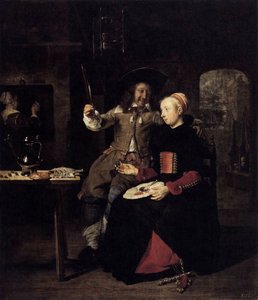
ガブリエル・メツ
1629 - 1667 , オランダ
プロフィール概要
- Artistic Movement Or Style: オランダ黄金時代絵画
- Artists Or Movements Influenced By This Artist:
- ミヒール・ファン・ムッシャー
- ヨースト・ファン・ヘール
- Artists Who Influenced This Artist:
- レンブラント・ファン・レイン
- ヨハネス・フェルメール
- Date Of Birth: 1629年
- Date Of Death: 1667年
- Full Name: ガブリエル・メツ
- Nationality: オランダ人
- Notable Artworks:
- 病気の子供
- 家禽売り
- ヒンロペン家の肖像
- Place Of Birth (City And Country): ライデン、オランダ