 プレビュー
プレビュー
 シェアする
シェアする シェアする
シェアする
 詳細を見る
詳細を見る

 ダウンロード
 似ている作品
 X線調査
X線調査 スライドショー
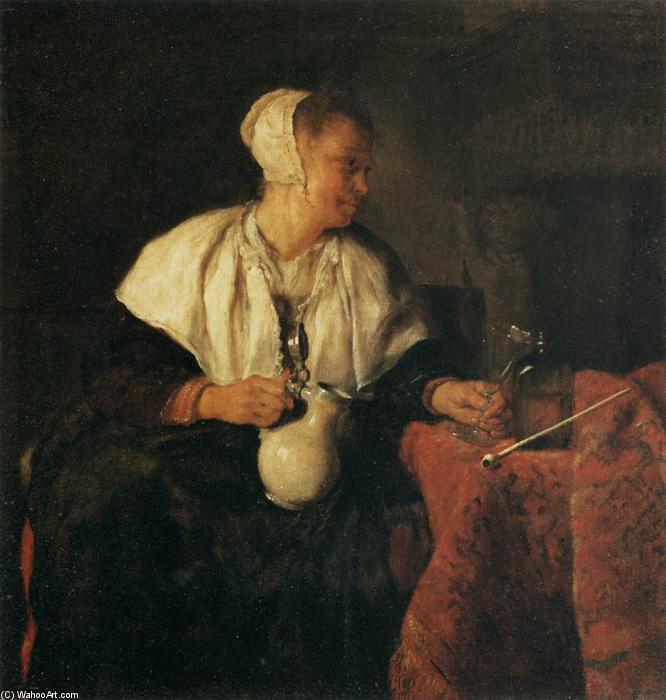
The Tippler (The Wine Drinker)
 Oil
Oil- WallArt
- Dutch Golden Age
 1655
1655- Early Modern
 28.0 x 27.0 cm
 ルーブル美術館
 詳細を見る
詳細を見る
ジークレー/アートプリント
迅速な制作と多彩な仕上げオプションを備えた、ミュージアムクオリティのジークレーまたはキャンバスプリント。 ( 手描きの絵画を購入 画像を購入)




































作品のオリジナル比率に合わせた、当店の規定サイズからお選びください。

特定のフレームやスペースに合わせて、ご自身でサイズを指定することも可能です。選択されたサイズが元の画像の比率と一致しない場合、作品をトリミングするか、鏡面反射または単色での塗りつぶしによって画像を拡張いたします。制作を開始する前に、ご確認用のデジタルモックアップをお送りいたします。
画面上のプレビューには、実際のトリミングや拡張は反映されませんのでご注意ください。最終的な構図を正確に確認できるのは、モックアップのみとなります。
カスタムサイズも承っておりますが、元の比率を維持するためには、あらかじめ用意されたリストからサイズを選択することをお勧めいたします。


 ガラスオプションは、110cm未満のサイズでのみご利用いただけます。

The Tippler (The Wine Drinker)
ジークレー/アートプリント
複製画のサイズ
-


合計金額
$ 62
A Portrait Steeped in Quiet Luxury: Gabriel Metsu’s “The Tippler”
Gabriel Metsu’s “The Tippler,” painted in 1655, stands as a quintessential example of Dutch Baroque portraiture—a genre that prioritized psychological realism and subtle elegance. More than just a depiction of a woman enjoying wine, the painting embodies a complex tapestry of artistic innovation and humanist contemplation characteristic of its era.
Subject Matter & Composition: The artwork portrays a seated woman at a table laden with glassware – a wine glass prominently held in her hand alongside another on the tabletop, a cup, and a vase adorned with flowers. This deliberate arrangement isn’t merely decorative; it speaks to the prevailing social customs of the time, where hospitality and refined conversation were paramount. Metsu skillfully utilizes triangular composition, grounding the figure centrally while directing the viewer's gaze upwards towards her face.
Style & Technique: Metsu’s style defies easy categorization, reflecting his commitment to exploring diverse artistic approaches. He eschewed grand theatrical gestures favored by some contemporaries, opting instead for a restrained palette dominated by muted browns and ochres—a hallmark of Dutch Baroque painting. The artist employed meticulous glazing techniques, layering thin translucent washes of color over underpaintings to achieve remarkable luminosity and depth. This painstaking process allowed Metsu to capture the delicate nuances of skin tone and fabric texture with astonishing accuracy.
Historical Context: “The Tippler” emerged during Leiden’s Golden Age—a period of unprecedented economic prosperity and artistic flourishing fueled by maritime trade and intellectual curiosity. The Baroque style, originating in Italy, sought to evoke emotion and grandeur through dramatic lighting and opulent ornamentation. However, Metsu's work distinguishes itself from its flamboyant counterparts by prioritizing psychological insight and conveying a sense of serene contemplation.
Symbolism & Emotional Impact: Beyond the literal depiction of wine consumption, the painting carries symbolic weight. Wine has historically represented conviviality, sophistication, and spiritual nourishment—themes frequently explored in Baroque art. The woman’s gaze directs towards the viewer, fostering a connection between subject and observer. Her posture exudes composure and grace, suggesting an inner tranquility that transcends mere outward appearance. Metsu's masterful rendering captures not just a likeness but also a profound emotional resonance.
Conclusion: “The Tippler” remains a captivating artwork due to its harmonious blend of artistic skill and humanist sensibility. Gabriel Metsu’s legacy endures as an artist who championed subtlety, psychological realism, and the pursuit of beauty—qualities that continue to inspire admiration and resonate with audiences today.
関連作品
アーティストの略歴
生誕と初期の芸術的探求
1629年、オランダのライデンに生まれたガブリエル・メッツュは、その生涯を芸術的な探求と革新に捧げました。メッツュの作品は、豊かな芸術的産出で知られる黄金時代オランダ精神を体現しています。彼の父、ジャック・メッツュはエノール地方出身のタペストリー職人であり画家でもあり、その多様な芸術的背景がガブリエルの初期における様々な技法への関心を育んだと考えられます。ライデンでの生活を通して、彼は多様な文化的影響を受けました。芸術的キャリアと様式
メッツュのキャリアは、特定の様式や技法に固執せず、幅広い表現を追求したことで特徴づけられます。歴史画、静物画、肖像画、風俗画など、様々なジャンルの作品を手がけました。彼の作品の中で日付が確認されているのはわずか14点であり、その創作過程には多くの謎が残されています。初期の作品にはレンブラント・ファン・レインの影響が見られ、特に光と色彩の使い方に顕著です。1655年のアムステルダムへの移住は、メッツュの様式に大きな転換をもたらし、より家庭内部や風俗画に重点を置くようになりました。ミヒール・ファン・ムッシャーやヨースト・ファン・ヘールの育成を通して、彼は芸術コミュニティへの貢献を示しました。象徴性と日常の描写
メッツュの絵画には、若い女性、市場の風景、老人が頻繁に登場し、当時の一般的な寓意を取り入れています。鶏売りはその代表的な例であり、彼の象徴主義を巧みに表現しています。彼は日常生活の中に潜む隠された意味や教訓を描き出すことに長けていました。メッツュは単なる現実の描写にとどまらず、鑑賞者に深い考察を促すような作品を生み出しました。主要な作品と遺産
病気の子供 (1664年頃)は、フェルメールへのメッツュの敬意を示す作品として知られています。また、ヒンロペン家像は、風俗画と肖像画を融合させた傑作であり、彼の卓越した技術と芸術的センスが光ります。これらの作品を通して、メッツュは当時の社会や人々の生活様式を鮮やかに描き出しました。博物館コレクションと歴史的意義
メッツュの作品は、アムステルダム国立美術館をはじめとする様々な美術館に所蔵されています。彼の芸術とその影響についてさらに深く知るためには、他の黄金時代オランダの画家たちの作品も合わせて鑑賞することをお勧めします。ガブリエル・メッツュの生涯と芸術は、オランダ黄金時代の革新的な精神を象徴するものであり、西洋美術史において重要な位置を占めています。彼の作品は、これからも多くの人々に感動を与え続けるでしょう。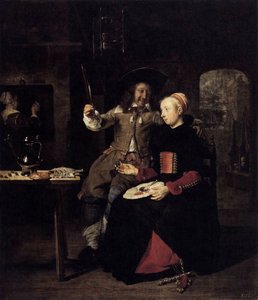
ガブリエル・メツ
1629 - 1667 , オランダ
基本情報
- Artistic Movement Or Style: オランダ黄金時代絵画
- Artists Or Movements Influenced By This Artist:
- ミヒール・ファン・ムッシャー
- ヨースト・ファン・ヘール
- Artists Who Influenced This Artist:
- レンブラント・ファン・レイン
- ヨハネス・フェルメール
- Date Of Birth: 1629年
- Date Of Death: 1667年
- Full Name: ガブリエル・メツ
- Nationality: オランダ人
- Notable Artworks:
- 病気の子供
- 家禽売り
- ヒンロペン家の肖像
- Place Of Birth (City And Country): ライデン、オランダ
関連記事

Dutch Baroque Masters: 10 Paintings That Shaped an Era | ArtsDot
Journey through the Golden Age with our guide to the Top 10 Dutch Baroque masterpieces! Explore iconic paintings by Rembrandt, Vermeer & Frans Hals. Find museum-quality art reproductions and elevate your home decor at ArtsDot.com.

Golden Age Reflections: Dutch Baroque Painting & Cultural Innovation
Explore the Dutch Golden Age of painting! Discover key artists like Vermeer & ter Borch, their innovative techniques, and the rich cultural context behind these Baroque masterpieces. Learn about collecting & appreciating this iconic art period.

バロック美術を極めた至宝:時代を彩る10大名作の世界
バロック美術の華!カラヴァッジョ、ベルニーニら巨匠が創り上げた10大名作を徹底解剖。ドラマチックな色彩と豪華絢爛の世界観に触れ、至宝のアートプリントで空間を彩ろう。ArtsDot.comで美術館品質の複製と洗練されたインテリアを見つけましょう!

黄金世紀の巨匠たち:バロック絵画が彩る10選|ArtsDot
オランダ黄金時代の10大傑作を紐解く!レンブラント、フェルメール…バロック絵画の魅力と時代背景を深く探求。ArtsDotで、至高のアートコレクションと空間演出のヒントを見つけよう。高品質なアートプリントで、お部屋を華やかに。

バロックのドラマ:現代のインテリアに壮麗さと情感を取り込む
バロック様式の歴史、絵画、家具の魅力をご紹介。ArtsDotでは、高品質な油絵複製やカスタムポートレートをご提供し、現代のインテリアに壮麗さと情感を取り入れます。アートコンサルテーションも承ります。