 プレビュー
プレビュー
 プリントを購入
 シェアする
シェアする シェアする
シェアする
 詳細を見る
詳細を見る

 ダウンロード
 似ている作品
 X線調査
X線調査 スライドショー
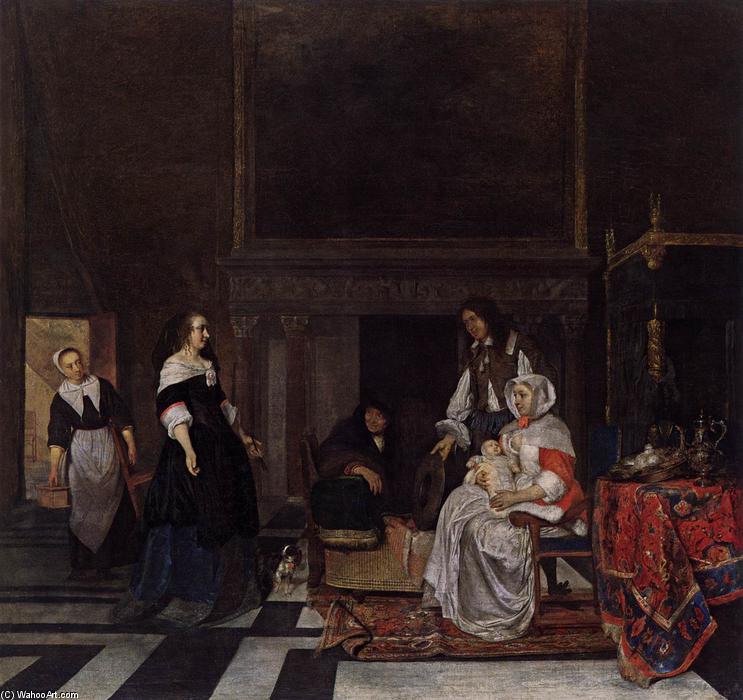
The Visit to the Nursery
 Dutch Golden Age
 1661
1661 78.0 x 81.0 cm
 メトロポリタン美術館
 詳細を見る
詳細を見る




P118B $10

P118H $10

P118W $10

P438Z $10

P508JH $12

P508YH $12

P805H $10

P805Z $10

P919BZ $10

P919G $10

P919XJ $10

P959ZH $10

P968JZ $12

W106C $8

W218G $10

W218JH $8

W218Y $10

W307PJ $10

W316G $10

W316PJ $8

W316Y $10

W398PJ $8

W4111J $10

W500HY $15

W500JH $15

W692G $12

W849H $8

W940BG $15

W953PJ $8




作品のオリジナル比率に合わせた、当店の規定サイズからお選びください。

特定のフレームやスペースに合わせて、ご希望のサイズをご入力いただけます。選択されたサイズが元の画像の比率と異なる場合、アートワークをトリミングするか、手描きで要素を追加して絵画を拡張いたします。デジタルモックアップ を制作し、制作開始前にご確認(承認)をいただきます。
画面上のプレビューは、実際のトリミングや拡張を正確に反映しているものではありません。最終的な構図は、モックアップによってのみ正確にご確認いただけます。
カスタムサイズもご利用いただけますが、元の比率を維持するためには、あらかじめ用意されたリストからサイズを選択することをお勧めいたします。
ご注文後、ArtsDot.com チームより詳細な指示をお送りするとともに、仕上がりイメージ(モックアップ)をご提供いたします。


 ガラスオプションは、110cm未満のサイズでのみご利用いただけます。

The Visit to the Nursery
複製技法
複製画のサイズ
-


合計金額
$ 263
A Moment of Domestic Tranquility: Exploring Gabriel Metsu’s “The Visit to the Nursery”
Gabriel Metsu's "The Visit to the Nursery," painted in 1661, is more than just a depiction of a post-natal scene; it’s a meticulously crafted tableau of Dutch Golden Age society, brimming with subtle symbolism and an exquisite sense of realism. This intimate portrait captures a pivotal moment – the arrival of a new life – within the carefully constructed world of a wealthy Amsterdam family, offering a rare glimpse into the rituals and social dynamics of the era. The painting’s enduring appeal lies not just in its technical brilliance but also in its ability to evoke a profound sense of warmth, connection, and quiet contemplation.
Metsu, a remarkably eclectic artist known for his avoidance of stylistic consistency, masterfully employs a technique that blends elements reminiscent of both Rembrandt and Gerard Ter Borch. His brushwork is deceptively smooth, creating an illusion of depth and texture – the rich velvet of the upholstered chairs, the delicate folds of the women’s clothing, and the subtle sheen on the fruit displayed on the table are all rendered with astonishing precision. The lighting, diffused and warm, contributes significantly to the painting's serene atmosphere, bathing the scene in a soft glow that emphasizes the familial bonds at its center.
The Setting: A Chamber of Refined Simplicity
The setting itself is a crucial element of the composition. Rather than a grand, ostentatious room, Metsu presents us with an imagined chamber – a carefully constructed space that draws inspiration from the impressive Town Hall council chamber in Amsterdam’s Royal Palace. This deliberate choice elevates the scene beyond a simple domestic portrait; it subtly suggests the family's social standing and their connection to civic life. The presence of the marble fireplace, the seascape above, and the overall sense of spaciousness all contribute to an atmosphere of refined elegance and understated luxury.
The room’s design is not merely decorative; it’s laden with symbolic meaning. The inclusion of a large table laden with fruit – apples, pears, and grapes – represents abundance, fertility, and the promise of new life. The carefully arranged furniture, including several chairs and a dining table, speaks to the family's comfortable lifestyle and their commitment to hospitality. Even the dog, nestled amongst the figures, adds to the scene’s sense of domestic harmony.
Characters and Their Roles: A Dance of Social Protocol
The painting depicts a “kraambezoek,” or cradle visit – a customary ritual in 17th-century Dutch society where well-wishers would pay their respects to a new mother and her child. The figures are rendered with remarkable psychological depth, each conveying a distinct emotion and role within the social drama. The central woman, presumably the mother, is seated on the floor, cradling her infant, radiating an aura of gentle serenity. Around her gather several other women – likely friends or relatives – engaged in conversation, offering gifts and well wishes. Jan Vos (1610–1667), who served as “house poet” to the Hinlopen family, included a poem about the painting in the 1662 edition of his collected works.
The subtle gestures and expressions of the figures – a hand offering a gift, a glance exchanged between two women, a gentle smile directed at the infant – reveal a complex web of social relationships and unspoken expectations. Metsu’s ability to capture these nuances is what elevates “The Visit to the Nursery” beyond a mere representation of a scene; it becomes a poignant meditation on human connection and the rituals that bind us together.
A Legacy of Quiet Observation
Gabriel Metsu's "The Visit to the Nursery" stands as a testament to his remarkable talent for capturing the essence of everyday life in 17th-century Holland. His meticulous attention to detail, combined with his profound understanding of human psychology and social dynamics, has created a painting that continues to resonate with viewers today. It’s a work that invites us to pause, reflect, and appreciate the quiet beauty of domestic tranquility – a timeless reminder of the enduring power of family, connection, and the simple joys of life.
関連作品

アーティストの略歴
生誕と初期の芸術的探求
1629年、オランダのライデンに生まれたガブリエル・メッツュは、その生涯を芸術的な探求と革新に捧げました。メッツュの作品は、豊かな芸術的産出で知られる黄金時代オランダ精神を体現しています。彼の父、ジャック・メッツュはエノール地方出身のタペストリー職人であり画家でもあり、その多様な芸術的背景がガブリエルの初期における様々な技法への関心を育んだと考えられます。ライデンでの生活を通して、彼は多様な文化的影響を受けました。芸術的キャリアと様式
メッツュのキャリアは、特定の様式や技法に固執せず、幅広い表現を追求したことで特徴づけられます。歴史画、静物画、肖像画、風俗画など、様々なジャンルの作品を手がけました。彼の作品の中で日付が確認されているのはわずか14点であり、その創作過程には多くの謎が残されています。初期の作品にはレンブラント・ファン・レインの影響が見られ、特に光と色彩の使い方に顕著です。1655年のアムステルダムへの移住は、メッツュの様式に大きな転換をもたらし、より家庭内部や風俗画に重点を置くようになりました。ミヒール・ファン・ムッシャーやヨースト・ファン・ヘールの育成を通して、彼は芸術コミュニティへの貢献を示しました。象徴性と日常の描写
メッツュの絵画には、若い女性、市場の風景、老人が頻繁に登場し、当時の一般的な寓意を取り入れています。鶏売りはその代表的な例であり、彼の象徴主義を巧みに表現しています。彼は日常生活の中に潜む隠された意味や教訓を描き出すことに長けていました。メッツュは単なる現実の描写にとどまらず、鑑賞者に深い考察を促すような作品を生み出しました。主要な作品と遺産
病気の子供 (1664年頃)は、フェルメールへのメッツュの敬意を示す作品として知られています。また、ヒンロペン家像は、風俗画と肖像画を融合させた傑作であり、彼の卓越した技術と芸術的センスが光ります。これらの作品を通して、メッツュは当時の社会や人々の生活様式を鮮やかに描き出しました。博物館コレクションと歴史的意義
メッツュの作品は、アムステルダム国立美術館をはじめとする様々な美術館に所蔵されています。彼の芸術とその影響についてさらに深く知るためには、他の黄金時代オランダの画家たちの作品も合わせて鑑賞することをお勧めします。ガブリエル・メッツュの生涯と芸術は、オランダ黄金時代の革新的な精神を象徴するものであり、西洋美術史において重要な位置を占めています。彼の作品は、これからも多くの人々に感動を与え続けるでしょう。
ガブリエル・メツ
1629 - 1667 , オランダ
基本情報
- Artistic Movement Or Style: オランダ黄金時代絵画
- Artists Or Movements Influenced By This Artist:
- ミヒール・ファン・ムッシャー
- ヨースト・ファン・ヘール
- Artists Who Influenced This Artist:
- レンブラント・ファン・レイン
- ヨハネス・フェルメール
- Date Of Birth: 1629年
- Date Of Death: 1667年
- Full Name: ガブリエル・メツ
- Nationality: オランダ人
- Notable Artworks:
- 病気の子供
- 家禽売り
- ヒンロペン家の肖像
- Place Of Birth (City And Country): ライデン、オランダ
関連記事

黄金世紀の巨匠たち:バロック絵画が彩る10選|ArtsDot
オランダ黄金時代の10大傑作を紐解く!レンブラント、フェルメール…バロック絵画の魅力と時代背景を深く探求。ArtsDotで、至高のアートコレクションと空間演出のヒントを見つけよう。高品質なアートプリントで、お部屋を華やかに。
ダンテ・ガブリエル・ロセッティ傑作25選:美と象徴が織りなす芸術の世界 | ArtsDot
ダンテ・ガブリエル・ロセッティの傑作25選。プレラファエライトの象徴主義、美しい女性画の世界へ。油絵やアートプリントで、リビングや寝室を彩るインテリアアートを見つけましょう。ArtsDot.comで名画コレクションを探索。

Illuminating Innovation: Exploring the Dutch Golden Age of Painting
Explore the Dutch Golden Age of painting with ArtsDot. Discover Rembrandt, Vermeer & other Masters. Learn about key characteristics, iconic artworks, and lasting influence. Expert insights for collectors & enthusiasts.
Gabriel Metsu: Illuminating Dutch Daily Life with Exquisite Detail
Explore the captivating world of Gabriel Metsu, a leading Dutch Golden Age painter. Discover his exquisite genre scenes, masterful realism, and insightful social commentary. Learn about key works & his lasting legacy.

Golden Age Reflections: Dutch Baroque Painting & Cultural Innovation
Explore the Dutch Golden Age of painting! Discover key artists like Vermeer & ter Borch, their innovative techniques, and the rich cultural context behind these Baroque masterpieces. Learn about collecting & appreciating this iconic art period.