

 プレビュー
プレビュー
 シェアする
シェアする シェアする
シェアする
 詳細を見る
詳細を見る

 ダウンロード
 似ている作品
 X線調査
X線調査 スライドショー
 Stats
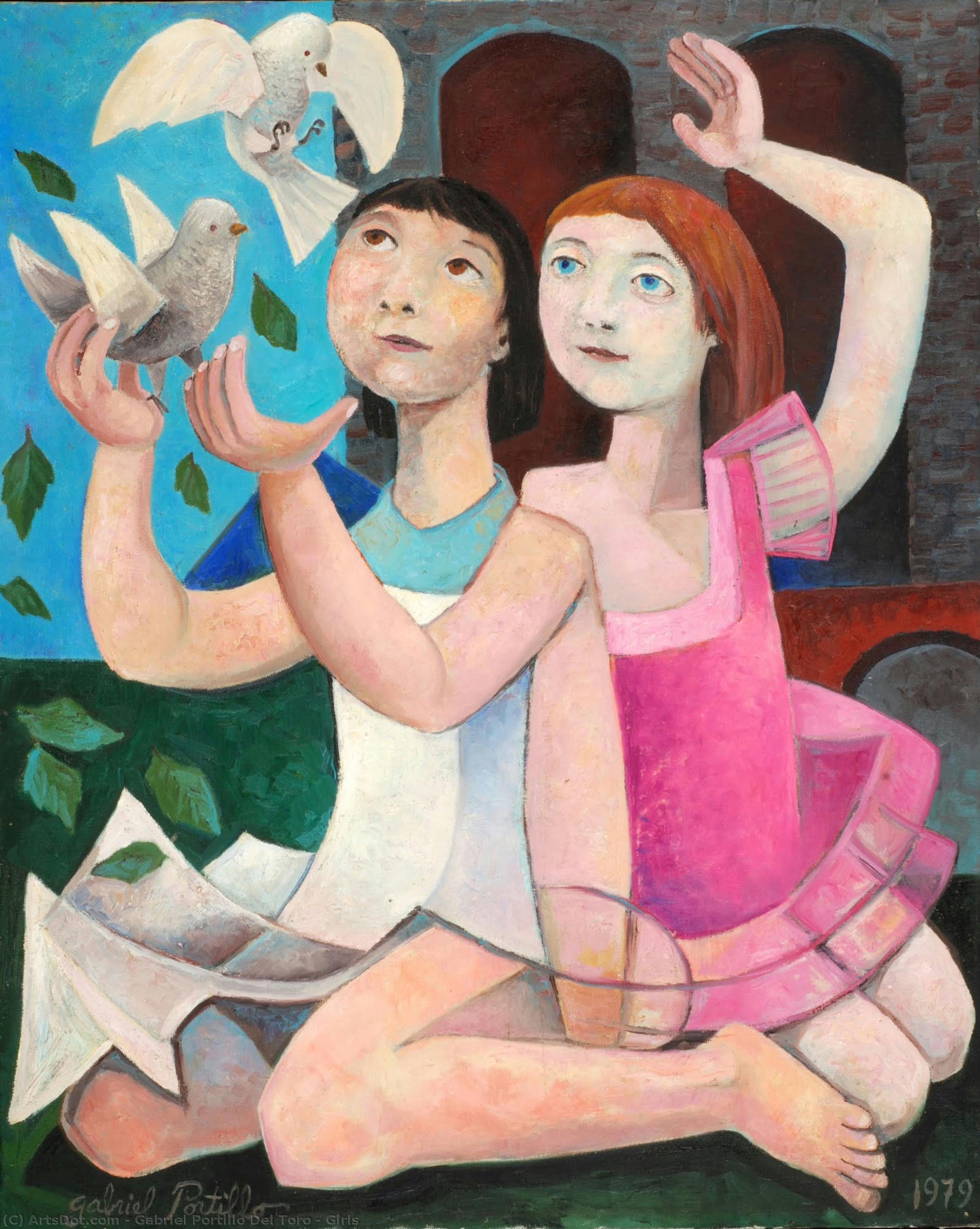
StatsGirls
 Painting
- Cubism
 1979
1979- Contemporary
 62.0 x 50.0 cm
 Pinacoteca Universidad de Colima
 詳細を見る
詳細を見る
手描き油彩複製画
当社のアーティストが、お客様のご希望のサイズと額縁に合わせて、キャンバスに手描きで制作する油彩画です。 ( Switch to Print Switch to Digital Image)




P118B $10

P118H $10

P118W $10

P438Z $10

P508JH $12

P508YH $12

P805H $10

P805Z $10

P919BZ $10

P919G $10

P919XJ $10

P959ZH $10

P968JZ $12

W106C $8

W218G $10

W218JH $8

W218Y $10

W307PJ $10

W316G $10

W316PJ $8

W316Y $10

W398PJ $8

W4111J $10

W500HY $15

W500JH $15

W692G $12

W849H $8

W940BG $15

W953PJ $8




作品のオリジナル比率に合わせた、当店の規定サイズからお選びください。

特定のフレームやスペースに合わせて、ご希望のサイズをご入力いただけます。選択されたサイズが元の画像の比率と異なる場合、アートワークをトリミングするか、手描きで要素を追加して絵画を拡張いたします。デジタルモックアップ を制作し、制作開始前にご確認(承認)をいただきます。
画面上のプレビューは、実際のトリミングや拡張を正確に反映しているものではありません。最終的な構図は、モックアップによってのみ正確にご確認いただけます。
カスタムサイズもご利用いただけますが、元の比率を維持するためには、あらかじめ用意されたリストからサイズを選択することをお勧めいたします。
ご注文後、ArtsDot.com チームより詳細な指示をお送りするとともに、仕上がりイメージ(モックアップ)をご提供いたします。


 ガラスオプションは、110cm未満のサイズでのみご利用いただけます。

Girls
複製技法
複製画のサイズ
-


合計金額
$ 263
A Tender Encounter with Nature
In the evocative painting Girls, created in 1979 by the esteemed Mexican master Gabriel Portillo del Toro, we are invited into a sanctuary of innocence and quiet wonder. The scene unfolds as a poignant portrait of two young girls nestled together on the earth, their presence serving as a bridge between the human spirit and the wild beauty of the natural world. One girl cradles birds within her gentle hands, a gesture of profound trust and connection, while her companion watches with an expression of rapt attention. This intimate moment is set against a rustic backdrop of brick and branches, where birds are not merely subjects but active participants in a shared dance of life, some fluttering through the air and others perched in quiet contemplation.
The composition masterfully captures a fleeting moment of harmony. There is a rhythmic quality to the way the figures are positioned; the slight overlap of the two girls creates a sense of unity and companionship that mirrors the interconnectedness of the birds surrounding them. The artist uses the environment—the textured brick wall and the organic lines of the branches—to frame this central interaction, drawing the viewer's eye directly to the delicate touch of fingers against feathers. It is a scene that breathes with life, evoking the soft sounds of fluttering wings and the hushed whispers of childhood discovery.
The Mastery of Form and Color
Drawing from his deep roots in Mexican muralism and the structural influences of Cubism, Portillo del Toro employs a technique that balances representational tenderness with a sophisticated command of form. While the subject matter is deeply emotive and naturalistic, there is an underlying geometric strength to the way the figures and elements are constructed. The artist’s brushwork lends a tactile quality to the scene, making the softness of the girls' skin and the lightness of the birds' plumage feel almost tangible to the observer.
The color palette serves as the emotional heartbeat of the piece. Through a deliberate use of light and shadow, the artist illuminates the central figures, creating a focal point that radiates warmth. This interplay of light does more than just define shape; it imbues the painting with a nostalgic glow, reminiscent of a cherished memory. For collectors and interior designers, this work offers a rare balance of structural complexity and accessible beauty, making it a versatile centerpiece that can anchor a room with its soulful presence.
A Timeless Legacy for the Modern Collector
To possess a reproduction of Girls is to bring a piece of Mexican artistic heritage into one's personal space. Portillo del Toro’s ability to weave regional cultural echoes with modernist principles ensures that this work remains relevant across generations. The painting transcends its 1979 origins, offering a universal symbol of peace and the symbiotic relationship between humanity and the environment.
For those seeking to curate an atmosphere of tranquility and intellectual depth, this artwork provides an unparalleled opportunity. It is more than a mere decoration; it is a narrative piece that invites conversation and contemplation. Whether placed in a sunlit gallery or a sophisticated living space, the painting’s ability to evoke empathy and wonder makes it an enduring treasure for any discerning art lover.
関連作品

アーティストの略歴
The Vibrant Legacy of Gabriel Portillo del Toro
In the grand tapestry of Mexican modernism, few artists managed to weave together the structural rigor of European avant-garde with the soulful warmth of regional tradition as masterfully as Gabriel Portly Del Toro. Born in 1927 in the culturally rich landscape of Colima, Mexico, his life and work served as a bridge between the monumental social realism of the muralist movement and the fragmented, rhythmic beauty of Cubism. His artistic journey was not merely a pursuit of aesthetic perfection but a profound exploration of identity, where the geometric precision of modern art met the sun-drenched, folkloric essence of his homeland.
Portillo del Toro’s early years were deeply rooted in the textures of Colima, an environment that nurtured his initial appreciation for indigenous art forms and local folklore. This foundational connection to Mexican heritage would later become the heartbeat of his compositions. Seeking to refine this raw, intuitive talent, he pursued formal studies at the Universidad Nacional Autónoma de México (UNAM). It was within these hallowed halls that he encountered the towering shadows of legends like Diego Rivera and José Clemente Orozco. While he absorbed their commitment to art as a vehicle for national consciousness, Portillo del Toro chose a different path—one that moved away from strictly didactic social realism toward a more lyrical, abstract language of form and color.
A Symphony of Cubist Geometry and Coastal Light
As his style matured, the influence of Cubism became the defining architectural element of his oeuvre. Inspired by the revolutionary techniques of Picasso and Braque, he embraced the fragmentation of perspective, allowing him to depict multiple viewpoints within a single plane. Yet, unlike the often austere or intellectualized Cubism of Europe, Portillo del Toro infused his geometric compositions with a vibrant, pulsating energy. He utilized bold, deliberate strokes to define shapes, yet his brushwork remained fluid, breathing life into every canvas so that even the most structured forms seemed to vibrate with movement.
His subject matter often returned to the serene and the pastoral, finding extraordinary beauty in the everyday rhythms of Mexican life. His paintings frequently act as windows into sun-soaked moments, where the boundaries between humanity and nature dissolve:
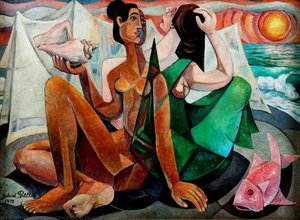
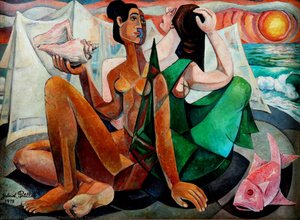
- Women on the Beach (1978): A masterpiece of tranquility, where figures are anchored by a profound stillness amidst a lively environment of birds and distant maritime horizons.
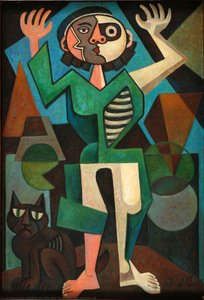
- The Circus (1973): A dynamic display of Cubist style, capturing the swirling motion of dancers and horses through interlocking circles and shapes.
- Bather with Horse (1986): A breathtaking exploration of vitality, where the coastal landscape becomes a rhythmic dance of light and shadow.
- The Boy and the Cat (1992): An intimate encounter that showcases his ability to blend regional warmth with the structured complexities of modernism.
Historical Significance and Artistic Endurance
Beyond the individual beauty of his canvases, Gabriel Portillo del Toro’s significance lies in his role as a transitional figure in Mexican art history. He proved that the revolutionary spirit of the muralists could be translated into a more personal, decorative, and abstract vocabulary without losing its cultural soul. His monumental murals, which adorned public spaces across Mexico, solidified his reputation as an artist capable of commanding large-scale narratives, while his smaller paintings offered a more intimate dialogue with the viewer.
Through his death in 2013, a significant chapter of Mexican modernism closed, yet his legacy remains vibrant. His work continues to resonate with collectors and scholars because it refuses to be categorized solely as either traditional or abstract. Instead, it exists in that magical, liminal space where the geometric precision of the modern age meets the eternal, sun-drenched spirit of Mexico. To look upon a Portillo del Toro painting is to witness a lasting dialogue between form and feeling, a legacy of color that continues to illuminate the history of Latin American art.
gabriel portillo del toro
1927 - 2013 , Mexico
基本情報
- Artistic Movement Or Style: Cubism
- Date Of Death: 2013
- Full Name: Gabriel Portillo del Toro
- Nationality: Mexican
- Notable Artworks:
- Girls
- Bathers
- Place Of Birth: Mexico
関連記事

現代ホテルの壁を彩るムラルの潮流:ジャングル風景から金箔幾何学模様まで、空間デザインの最新トレンド
現代ホテルの壁を彩るムラルの最新トレンドを徹底解説。ジャングル風景から金箔幾何学模様まで、空間デザインのプロが選ぶアートコンサルティング情報や事例をご紹介。ArtsDotで理想のホテル空間を実現。
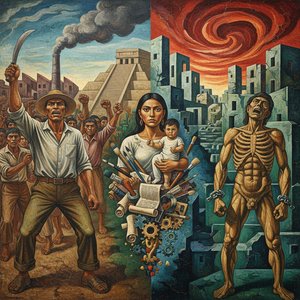
Revolution on Canvas: Exploring the Socio-Political Power & Artistic Legacy of Mexican Muralism
Explore the powerful world of Mexican muralism! Discover Diego Rivera, Frida Kahlo & Orozco's revolutionary art, social impact & lasting legacy. Expert insights & high-quality reproductions at ArtsDot.

Elevating Interiors: How Murals are Redefining Kitchens and Bathrooms
Transform your kitchen & bathroom with stunning murals! Explore design trends, durable materials & expert advice. Elevate your interiors with ArtsDot.com's bespoke mural solutions.

ブランドアイデンティティを創造する:カスタム壁画が顧客体験を向上させる視覚的戦略
ホテルデザインの壁画活用戦略を徹底解説。ブランドアイデンティティ向上、顧客体験価値の最大化を実現します。プロのアートコンサルティングで最適な壁画制作をサポート。事例や価格もご紹介。

ホテル空間の基盤:壁画デザインが演出するテーマ性と印象形成 – 内装における総合的研究
ホテル空間の基盤となる壁画デザインについて、歴史的背景から現代事例、顧客体験への影響までを網羅的に解説。テーマ設定や色彩計画など、成功のための戦略と技術革新をご紹介します。