

 プレビュー
プレビュー
 シェアする
シェアする シェアする
シェアする
 詳細を見る
詳細を見る

 ダウンロード
 似ている作品
 X線調査
X線調査 スライドショー
 統計情報
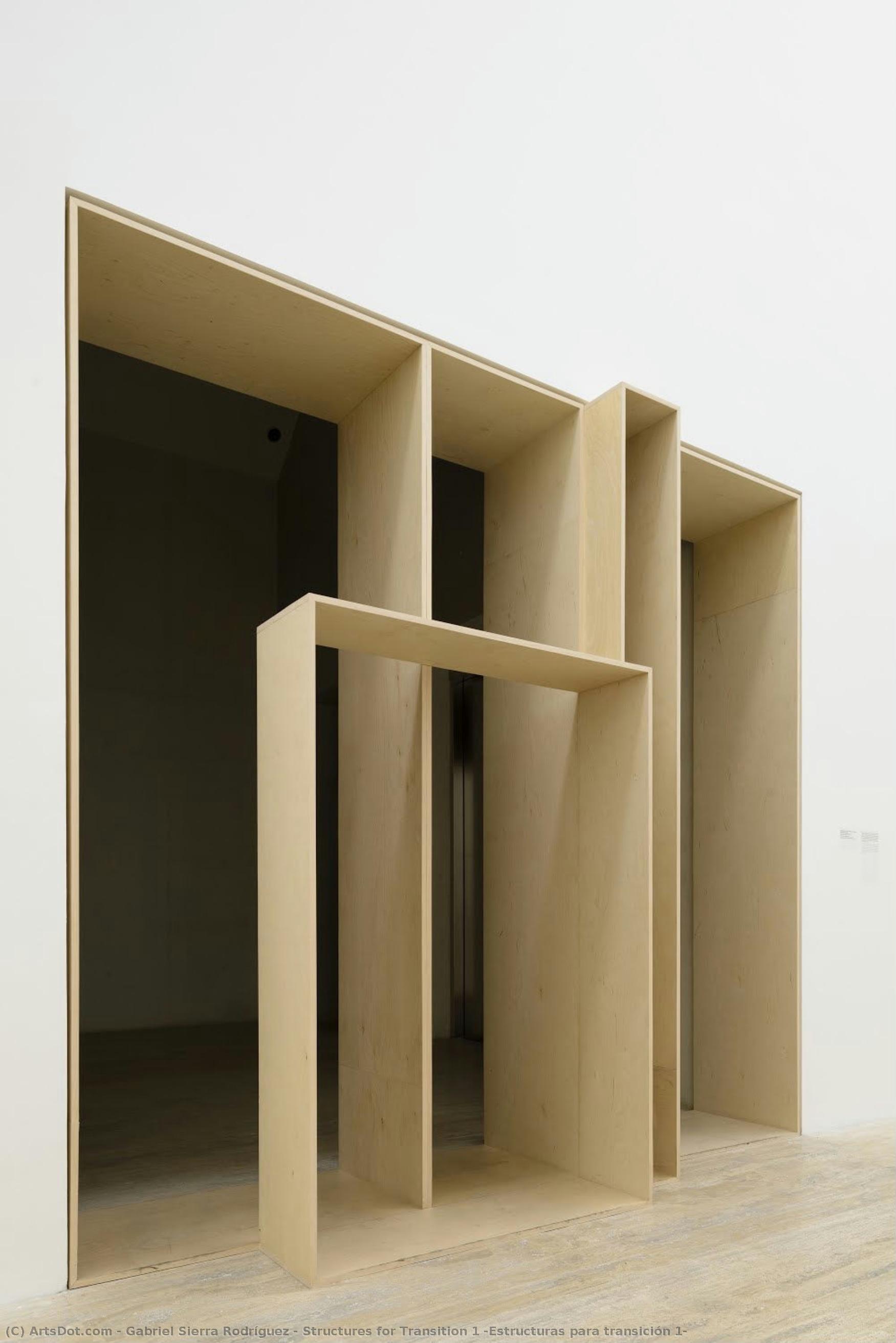
統計情報Structures for Transition 1 (Estructuras para transición 1)

 詳細を見る
詳細を見る
ジークレー/アートプリント
迅速な制作と多彩な仕上げオプションを備えた、ミュージアムクオリティのジークレーまたはキャンバスプリント。 ( 手描きの絵画を購入 デジタル画像販売へ切り替え)




































作品のオリジナル比率に合わせた、当店の規定サイズからお選びください。

特定のフレームやスペースに合わせて、ご自身でサイズを指定することも可能です。選択されたサイズが元の画像の比率と一致しない場合、作品をトリミングするか、鏡面反射または単色での塗りつぶしによって画像を拡張いたします。制作を開始する前に、ご確認用のデジタルモックアップをお送りいたします。
画面上のプレビューには、実際のトリミングや拡張は反映されませんのでご注意ください。最終的な構図を正確に確認できるのは、モックアップのみとなります。
カスタムサイズも承っておりますが、元の比率を維持するためには、あらかじめ用意されたリストからサイズを選択することをお勧めいたします。


 ガラスオプションは、110cm未満のサイズでのみご利用いただけます。

Structures for Transition 1 (Estructuras para transición 1)
ジークレー/アートプリント
複製画のサイズ
-


合計金額
$ 62
関連作品









アーティストの略歴
A Cartography of the Everyday: The World of Gabriel Sierra Rodríguez
Gabriel Sierra Rodríguez, born in 1975 in the small Colombian town of San Juan Nepomuceno, Bolívar, is an artist whose work quietly dismantles our assumptions about space, function, and the very objects that populate our lives. His journey to becoming a significant voice in contemporary art wasn’t forged through traditional avenues; growing up in a region devoid of museums or formal art institutions, Sierra's early education was one of observation—a keen awareness of the vernacular architecture surrounding him, the pragmatic beauty of locally crafted items, and an intuitive understanding of how environments shape human behavior. This unique upbringing instilled in him a profound curiosity about the unspoken language of built spaces and the subtle ways they influence our perceptions. He later pursued formal training in Industrial Design at Universidad Jorge Tadeo Lozano in Bogotá, graduating in 2000, a decision that would prove pivotal in shaping his interdisciplinary approach to artmaking.From Design Principles to Conceptual Interventions
Sierra’s artistic practice is characterized by a deliberate blurring of boundaries—between art and design, sculpture and architecture, thought and materialization. He doesn't simply *create* objects; he intervenes in existing systems, subtly altering their function or context to reveal hidden layers of meaning. This approach stems from his foundational understanding of design principles, which he employs not as a means of achieving aesthetic perfection but rather as tools for questioning the very nature of functionality and spatial perception. Early works often involved simple manipulations of everyday items—a coatrack constructed from fruit (*Hang It All*, 2006), a playful reinterpretation of Charles and Ray Eames’ iconic design, immediately signals his interest in challenging established norms and prompting viewers to reconsider familiar forms. This piece, with its juxtaposition of geometric steel and organic produce, is emblematic of Sierra's broader exploration of contrasting elements—the artificial versus the natural, the rigid versus the fluid, the permanent versus the ephemeral.Exploring Architecture as a Social Code
The architecture in everyday items became a central theme in his work. He doesn’t view buildings merely as static structures but as dynamic systems that dictate social interactions and shape our subconscious experiences. His installations frequently involve subtle alterations to architectural spaces—painting walls in unexpected colors, introducing carefully chosen furniture pieces, or creating temporary partitions that disrupt the flow of movement. *Untitled (111.111.111 x 111.111.111 = 12345678987654321)*, created for the Hall of Architecture at the Carnegie Museum of Art in 2013, exemplifies this approach; by painting the walls purple and integrating corresponding furniture, he highlighted the interplay between historical formality and contemporary intervention. This work isn’t about imposing a new aesthetic but rather about revealing the inherent biases and assumptions embedded within existing architectural frameworks.International Recognition and Continued Evolution
Sierra's career gained significant momentum in the early 2010s with residencies at KADIST in San Francisco and Gasworks in London, followed by participation in prestigious events like the 2013 Carnegie International and the 2012 Shanghai Biennale. Solo exhibitions at SculptureCenter in New York (2015) and Kunsthalle Zürich (2015) further solidified his reputation as a compelling voice in contemporary art. His work has been included in the collection of the Museum of Modern Art (MoMA) in New York City, a testament to its enduring significance. More recently, Sierra’s practice continues to evolve, delving deeper into themes of language, perception, and the complexities of human experience. Exhibitions like *Recalque* at Luisa Strina in São Paulo demonstrate his ongoing commitment to challenging conventional notions of artistic expression and prompting viewers to engage with the world around them in new and meaningful ways.A Legacy of Subtle Disruption
Gabriel Sierra Rodríguez’s historical significance lies not in grand gestures or overt statements but rather in a quiet, persistent questioning of our surroundings. He invites us to look beyond the surface—to recognize the subtle forces that shape our perceptions and the hidden narratives embedded within everyday objects and architectural spaces. His work is a cartography of the mundane, a meticulous exploration of the social codes that govern human interaction, and a powerful reminder that even the most familiar environments are ripe with potential for disruption and reinterpretation. He doesn’t offer answers but rather poses questions—questions that linger long after we leave the gallery, prompting us to see the world anew.
gabriel sierra rodríguez
1975 - , Colombia
基本情報
- Artistic Movement Or Style: Contemporary Art
- Date Of Birth: 1975
- Full Name: Gabriel Sierra Rodríguez
- Nationality: Colombian
- Notable Artworks:
- Hang It All
- Structures for Transition 1
- Paul
- Place Of Birth: San Juan Nepomuceno, Colombia