

 プレビュー
プレビュー
 シェアする
シェアする シェアする
シェアする
 詳細を見る
詳細を見る

 ダウンロード
 似ている作品
 X線調査
X線調査 スライドショー
 統計情報
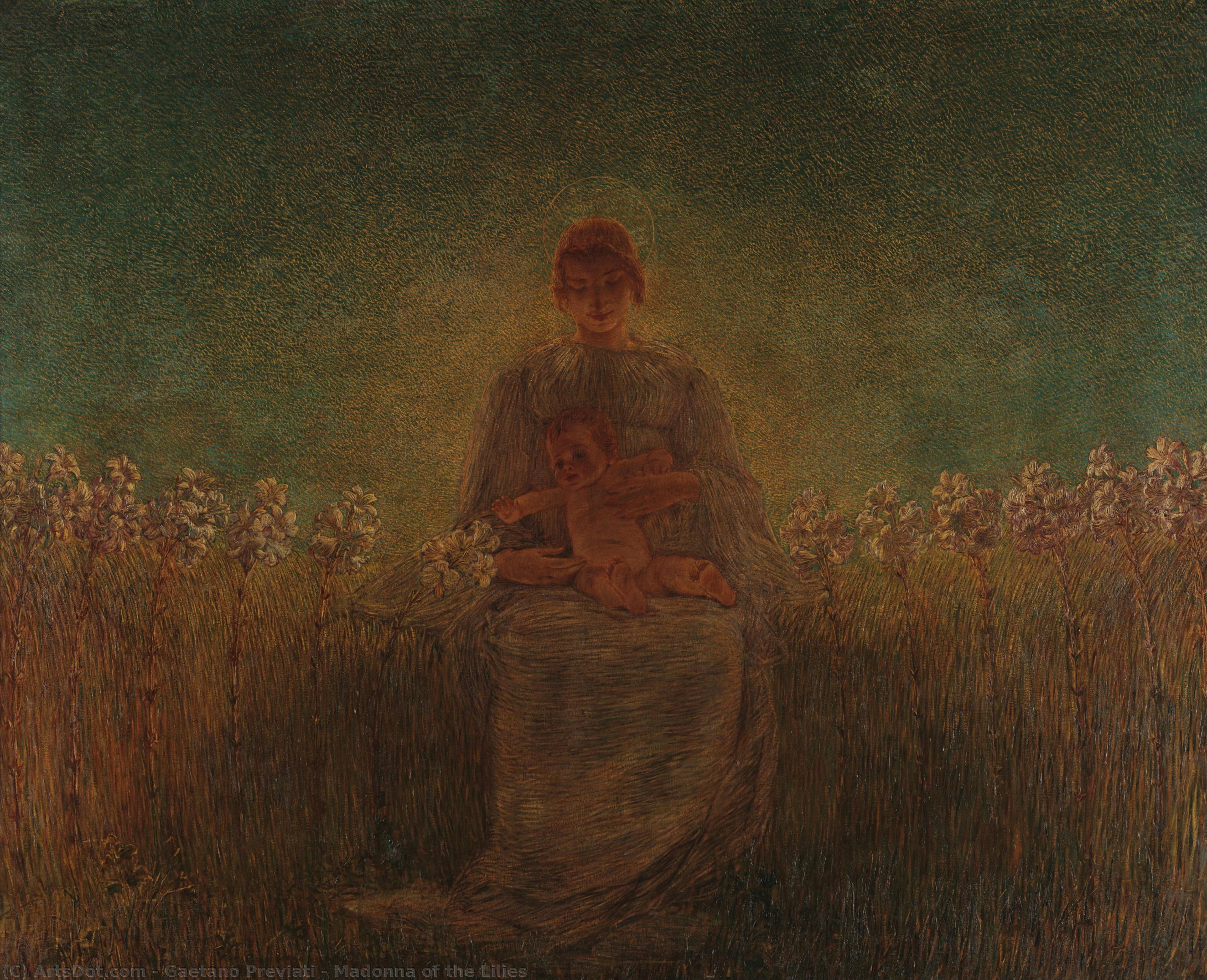
統計情報Madonna of the Lilies
 Oil On Canvas
- WallArt
- Symbolism
 19th Century
 221.0 x 181.0 cm
 ミラノ近代美術館
 詳細を見る
詳細を見る
オンラインプレビューをはるかに凌ぐ、高解像度で鮮明なデジタル画像をご購入いただけます。
各ファイルは、社内の専門家が高度なツールと熟練した手作業によるレタッチを用いて、細心の注意を払って準備されています。すべての画像において、卓越した鮮明度、正確な色彩再現性、そして繊細なディテールを保証いたします。
最終ファイルは、プロフェッショナルな編集・印刷環境ですぐにご利用いただけるよう最適化された状態で、72時間以内にメールにてお届けいたします。これは、一流のデザインスタジオ、出版社、ギャラリーから信頼されているものと同等の品質です。
デジタルアート
個人での鑑賞、印刷、クリエイティブなプロジェクト用に、高解像度ファイルをダウンロードできます。 ( プリント版に切り替え 手描きの絵画を購入)
デジタル画像のご注文に付随する特典
高品質なデジタル画像配信を、確かな品質で。
ArtsDot.com を選ぶことは、単に画像を手に入れることではありません。それは、プロの手によって精密に仕上げられ、満足保証が付いた高品質なデジタルアートワークを受け取ることを意味します。ご注文いただいた際に自動的に付随する内容は、以下の通りです:

メールですぐにお届け
ご注文から72時間以内に、高解像度のデジタル画像ファイルがメールでお手元に届きます。すぐにそのままご利用いただけます。

AI技術で最適化されたデジタルファイル
お客様の作品は、高度なAIツールと専門家による手作業の編集を組み合わせてプロフェッショナルに最適化されており、細部のディテール、鮮明さ、そして正確な色再現性を最大限に引き出しています。

一生涯無料の再送サービス
ファイルを誤って削除したり、紛失してしまったりしましたか?ご安心ください。いつでも無料で再送いたします。

輸入手数料は一切かかりません
関税や手数料、配送料を気にすることなく、お気に入りのアートワークをすぐにお楽しみいただけます。デジタルダウンロードは常に免税です。

色彩再現の保証
プロ仕様のツールとカラーマネジメント技術を用いることで、デジタル画像が元の色を最大限に忠実に再現することを保証いたします。

100日間満足保証
ご購入いただいたデジタル画像にご満足いただけない場合は、100日以内であれば、理由を問わず修正または100%の返金対応をさせていただきます。

100% 返金保証
ご満足いただけない場合は、デジタルファイルを受け取ってから100日以内であれば、理由を問わず全額返金いたします。

まとめ買い割引
3枚購入で10%OFF - 5枚購入で15%OFF - 10枚以上購入で20%OFF。クリエイティブなプロジェクト、ギャラリー、エージェンシーに最適です。
A Serene Vision of Motherhood: Exploring Previati’s *Madonna of the Lilies*
Gaetano Previati's *Madonna of the Lilies*, painted around an unknown date but demonstrably reflective of his mature style, is a captivating example of Italian Symbolism infused with Divisionist technique. Measuring 221 x 181 cm, this large-scale work envelops the viewer in a tranquil scene depicting the Virgin Mary and infant Jesus nestled within a lush field – a visual poem on motherhood, innocence, and spiritual connection. The painting’s power lies not in dramatic narrative but in its evocative atmosphere and subtle emotional resonance.Style & Technique: Divisionism and Symbolic Depth
Previati was a pivotal figure in the Italian Divisionist movement, and *Madonna of the Lilies* showcases his mastery of this technique. Rather than blending colors on the palette, he applied small, distinct brushstrokes of pure color that optically mix when viewed from a distance. This creates a vibrant, luminous surface and a sense of shimmering light throughout the composition. The impasto-like texture, built up through layered paint, further enhances this effect, inviting close inspection. Beyond technique, the work embodies Symbolist ideals – prioritizing subjective experience and emotional impact over strict realism. The flattened perspective and dreamlike quality contribute to a sense of timelessness and spiritual contemplation. Previati’s earlier academic training is visible in the careful rendering of forms, but it's ultimately subsumed by his increasingly expressive and innovative approach.Symbolism & Iconography: Nature, Faith, and Maternal Love
The symbolism within *Madonna of the Lilies* is rich and layered. The field of tall grass, dotted with delicate white flowers, represents a connection to nature and the earthly realm – a fertile ground for spiritual growth. Lilies themselves are traditionally associated with purity, innocence, and resurrection, reinforcing the religious iconography of Mary and Jesus. Her pale blue robe symbolizes faith and devotion, while the golden halo signifies her divine status. The swaddled infant Jesus, held protectively in his mother’s arms, embodies vulnerability and hope. This isn't a depiction of grand theological events; it is an intimate portrayal of maternal love and quiet reverence – a moment suspended in time.Historical Context & Artistic Legacy
Gaetano Previati lived during a period of significant artistic change in Italy, bridging the gap between traditional academic painting and the emerging avant-garde movements. His association with the *Scapigliatura*—a rebellious group of artists challenging societal norms—influenced his willingness to experiment with new techniques and subject matter. His embrace of Divisionism aligned him with a broader European trend towards optical mixing and scientific approaches to color theory. While not as widely recognized internationally as some of his contemporaries, Previati’s work remains highly valued within Italian art history for its unique blend of Symbolist sensibility and innovative technique. *Madonna of the Lilies* exemplifies this synthesis, offering a compelling glimpse into the artist's vision and contributing to the rich tapestry of late 19th-century European painting.関連作品
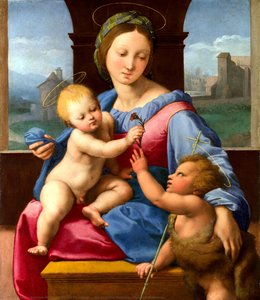
作家の略歴
The Luminous Vision of Gaetano Previati
Gaetano Previati stands as a pivotal figure in the Italian Symbolist movement, a visionary whose brushwork sought to capture the very essence of emotional resonance and fleeting light. Born in Ferrara in 1852, Previati’s early life was marked by a profound connection to the classical beauty of his homeland. His formative years were spent immersed in the study of Renaissance masters within local galleries, an education that instilled in him a deep respect for meticulous observation. This foundation, however, would soon evolve into something far more radical and experimental as he moved toward the vibrant, rebellious artistic circles of Milan.
The trajectory of Previ andati's career was irrevocably shaped by his time at the Brera Academy of Fine Arts. Under the guidance of luminaries such as Giuseppe Bertini and Giovanni Morelli, he mastered the rigorous scientific principles of art education. Yet, it was his departure from strict academic realism that truly defined his legacy. Settling in Milan in 1881, Previati became a central protagonist in the Scapigliatura movement—a group of avant-garde artists dedicated to challenging traditional conventions and embracing a more subjective, expressive way of seeing the world.
The Science of Light and Divisionism
Previati’s most enduring contribution to the art world lies in his pioneering role within Divisionism. Unlike the Impressionists who sought to capture light through rapid strokes, Previati approached color with a almost scientific precision. He meticulously applied pigment in small, independent patches—divisions—that allowed for a subtle, optical blending when viewed from a distance. This technique created a shimmering, luminous surface that seemed to vibrate with an inner life, imbuing his canvases with an unparalleled atmospheric depth.
His dedication to this method was not merely aesthetic but deeply theoretical. In his influential treatise, I principi scientifici del divisionismo, he documented the principles behind this fractured color palette, cementing his status as a theorist of the movement. Through this technique, Previati could translate the intangible—the feeling of a breeze, the warmth of a spiritual presence, or the melancholic weight of a landscape—into a tangible visual language. His work became a bridge between the physical reality of light and the spiritual realm of human emotion.
Symbolism and the Soul of the Canvas
Beyond the technical mastery of Divisionism, Previati’s oeuvre is deeply rooted in Symbolist ideals. He utilized his unique style to explore themes of spirituality, motherhood, and the subconscious. His paintings often transcend mere representation, offering dreamlike scenes that invite profound contemplation. A quintessential example of this is his Madonna of the Lilies, a large-scale work that serves as a visual poem on innocence and divine connection. In this piece, the lush field and delicate flowers are not just botanical studies but symbols of purity and spiritual growth.
The emotional landscape of Previati’s art is characterized by a certain ethereal beauty and psychological nuance. Whether through his evocative portraits or his melancholic landscapes, he sought to tap into the inner experience of his subjects. His ability to blend the scientific application of color with the profound mysteries of the human soul ensures his historical significance. Even today, Previati’s work remains a testament to a period of intense artistic transformation, where the boundaries between light, color, and spirit were beautifully blurred.

Gaetano Previati
1852 - 1920 , Italy
プロフィール概要
- Artistic Movement Or Style: Divisionism & Symbolism
- Artists Or Movements Influenced By This Artist: ['Scapigliatura']
- Artists Who Influenced This Artist:
- Giuseppe Bertini
- Giovanni Morelli
- Federico Faruffini
- Date Of Birth: Ferrara, Italy (1852)
- Date Of Death: 1920
- Full Name: Gaetano Previati
- Nationality: Italian
- Notable Artworks:
- Madonna of the Lilies
- Leda
- Paggetto Con Mandolino
- Place Of Birth: Ferrera