
- ホーム

- キャンバスプリント用
- ganku, kishi ku (koma), saeki masaaki ku (koma), funzen, utanosuke, dôkôkan, kakandô, kayô, kotôkan, kyûsôrô, tansai, tenkaikutsu
 プレビュー
プレビュー
 シェアする
シェアする シェアする
シェアする
 詳細を見る
詳細を見る

 ダウンロード
 似ている作品
 X線調査
X線調査 スライドショー
 統計情報
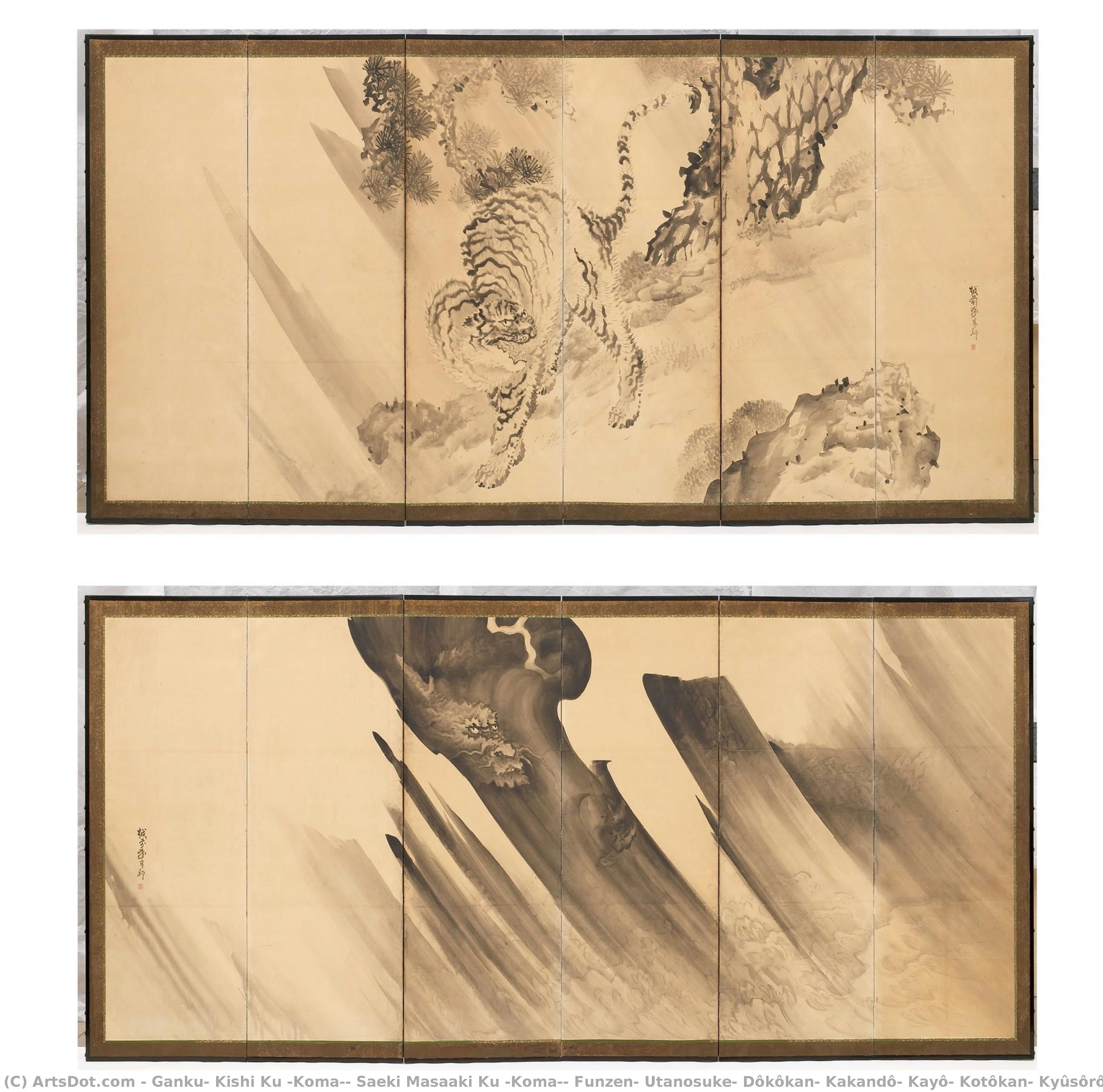
統計情報Tiger and dragon
 Ink
Ink 19th Century
 376.0 x 174.0 cm
 Museum of Oriental Art
 詳細を見る
詳細を見る
ジークレー/アートプリント
迅速な制作と多彩な仕上げオプションを備えた、ミュージアムクオリティのジークレーまたはキャンバスプリント。 ( 手描きの絵画を購入 デジタル画像販売へ切り替え)




P118B $10

P118H $10

P118W $10

P438Z $10

P508JH $12

P508YH $12

P805H $10

P805Z $10

P919BZ $10

P919G $10

P919XJ $10

P959ZH $10

P968JZ $12

W106C $8

W218G $10

W218JH $8

W218Y $10

W307PJ $10

W316G $10

W316PJ $8

W316Y $10

W398PJ $8

W4111J $10

W500HY $15

W500JH $15

W692G $12

W849H $8

W940BG $15

W953PJ $8




作品のオリジナル比率に合わせた、当店の規定サイズからお選びください。

特定のフレームやスペースに合わせて、ご自身でサイズを指定することも可能です。選択されたサイズが元の画像の比率と一致しない場合、作品をトリミングするか、鏡面反射または単色での塗りつぶしによって画像を拡張いたします。制作を開始する前に、ご確認用のデジタルモックアップをお送りいたします。
画面上のプレビューには、実際のトリミングや拡張は反映されませんのでご注意ください。最終的な構図を正確に確認できるのは、モックアップのみとなります。
カスタムサイズも承っておりますが、元の比率を維持するためには、あらかじめ用意されたリストからサイズを選択することをお勧めいたします。


 ガラスオプションは、110cm未満のサイズでのみご利用いただけます。

Tiger and dragon
ジークレー/アートプリント
複製画のサイズ
-


合計金額
$ 62
A Celestial Encounter: The Primal Energy of Tiger and Dragon
In the grand tradition of Japanese screen painting, few subjects command as much visceral attention as the dual presence of the tiger and the dragon. This breathtaking pair of screens, attributed to the masterful hand of Kishi Ganku, serves as a profound meditation on the elemental forces of nature. The artwork presents a dramatic dichotomy: one screen captures the grounded, muscular intensity of a tiger navigating a rugged, mountainous terrain of pine and stone, while the other unveils a celestial dragon emerging from a turbulent sea of boiling waters and swirling clouds. Together, they create a cosmic dialogue between the earth and the heavens, inviting the viewer into a world where the boundaries between the physical and the spiritual are perpetually blurred.
The artistry behind these screens is rooted in the vigorous, expressive brushwork characteristic of the late Edo period. Ganku, a pivotal figure of the Kishi school, was celebrated for his ability to blend the refined elegance of the Maruyama-shijō school with the powerful, sweeping strokes of Chinese-inspired styles. In this particular work, one can feel the artist's pulse through every stroke; the tiger’s open maw and the dragon’s serpentine movement are rendered with a kinetic energy that feels almost alive. The use of broad, confident applications of pigment creates a sense of texture—from the rough, weathered surfaces of the mountain rocks to the ethereal, misty atmosphere surrounding the dragon—making the composition feel both monumental and deeply intimate.
Symbolism and the Harmony of Opposites
Beyond their visual splendor, these screens are steeped in profound Eastern symbolism. The tiger and the dragon are not merely creatures of myth; they represent the fundamental balance of the universe. Often associated with the seasons of autumn and spring, respectively, their pairing evokes the concept of yin and yang—the eternal dance between strength and fluidity, terrestrial power and celestial wisdom. The tiger, a symbol of earthly authority and ferocious courage, stands amidst the permanence of the mountains, while the dragon represents the unpredictable, transformative power of the heavens and the waters. For the discerning collector or interior designer, this piece offers more than decoration; it provides a focal point of philosophical depth, suggesting a space of balance, resilience, and cosmic order.
Integrating such a magnificent work into a contemporary setting offers an unparalleled opportunity for dramatic impact. Whether placed in a grand salon or a curated study, the sheer scale and movement of these paintings can transform the atmosphere of a room, lending it an air of historical prestige and cultural sophistication. A high-quality reproduction of this masterpiece allows the evocative power of Ganku’s vision to reside within your home, serving as a constant reminder of the sublime beauty found in the struggle and harmony of the natural world.
関連作品


アーティストの略歴
early life and training
ganku, kishi ku (koma), a renowned japanese painter from kyoto, was born in 1749 in kanazawa as saeki masaaki ku (koma). he studied various painting styles, including those of chinese painter shen nanpin and the maruyama-shijō school. this diverse training laid the foundation for his future success.rise to prominence
ganku's artistic talents soon gained recognition, leading him to assume a position under prince arisugawa by the late 18th century. his work was highly appreciated by patrons, including the imperial family. this period marked the beginning of his illustrious career.notable students and legacy
ganku's influence extended beyond his own work through his students, who included:- gantai (1782–1865), his son
- ganryou (1797–1852), his son-in-law
- renzen (1804–59), his adopted son
- yokoyama kazan (1784–1837)
- shirai kayou (fl. ca 1840–60)
- kawamura bumpou (1779–1821)
later life and honors
ganku was made honorary governor of echizen (echizen no kami, 越前守) toward the end of his life. he passed away on january 19, 1839, in kyoto.artistic style and notable works
notable works by ganku include:- birds on a plum tree (silk, 107 x 34 cm)
- tiger and dragon (paper, 376 x 174 cm, museum of oriental art, turin, italy)
references and external links
- ganku, kishi ku (koma), saeki masaaki ku (koma), funzen, utanosuke, dôkôkan, kakandô, kayô, kotôkan, kyûsôrô, tansai, tenkaikutsu on ArtsDot
- kishi ganku on wikipedia
conclusion
ganku's legacy as a leading japanese painter of kyoto and founder of the kishi school of painting continues to inspire artists and art enthusiasts alike. his influence, marked by his captivating depictions of tigers and other subjects, remains a testament to his enduring impact on the world of art.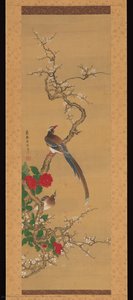
基本情報
- Artistic Movement Or Style: Kishi School
- Artists Or Movements Influenced By This Artist:
- Gantai
- Ganryou
- Renzan
- Artists Who Influenced This Artist:
- Shen Nanpin
- Maruyama-Shijō school
- Date Of Birth: 1749, Kanazawa
- Date Of Death: 1839, Kyoto
- Full Name: Kishi Ganku (Saeki Masaaki Ku)
- Nationality: Japanese
- Notable Artworks:
- Birds on a Plum Tree
- Tiger and Dragon
- Place Of Birth: Kanazawa, Japan
関連記事

クロード・モネ傑作25選:光と色彩の印象派を彩る名画の世界 | ArtsDot
クロード・モネの傑作25選。印象派を代表する光の画家、モネの世界を旅しませんか?睡蓮や風景画など、名画の背景にある物語と芸術技法をご紹介。ArtsDotで高品質な複製画とインテリアアートを見つけましょう。全コレクションはこちら。

ポール・セザンヌ:至高の25選 - 傑作と革新の軌跡 | ArtsDot
ポール・セザンヌの至高の25選。ポスト印象派を代表する画家、セザンヌの傑作と革新的な技法を紐解きます。ArtsDotで高品質な複製画やインテリアアートを見つけ、芸術の世界をご自宅に。今すぐコレクションをご覧ください。
Majestic Peaks on Canvas: A Historical & Artistic Exploration of Mountains in Fine Art
Explore the history of mountain painting! Discover Romantic masterpieces & key artists like Dahl & Calame. Learn about the Sublime & Picturesque aesthetics and find your perfect artwork at ArtsDot.

葛飾北斎:25の傑作が語る浮世絵の世界 - ArtsDot
葛飾北斎の25選:『神奈川沖浪裏』や『富嶽三十六景』など、浮世絵の世界を深く探求。木版画の技法と日本美術の美をArtsDotで。高品質なアートプリントで空間に感動を。コレクションはこちら。
ルノワール傑作25選:光と色彩が織りなす印象派の華麗なる世界 | ArtsDot
ルノワールの傑作25選🎨 印象派の光と色彩が輝く世界へ。絵画の背景、技法、そして時代を超えて愛される理由を紐解きます。ArtsDotで高品質な複製画やインテリアアートを見つけ、お部屋に芸術的な彩りを✨ Explore the full collection online!