

 プレビュー
プレビュー
 シェアする
シェアする シェアする
シェアする
 詳細を見る
詳細を見る

 ダウンロード
 似ている作品
 X線調査
X線調査 スライドショー
 Stats
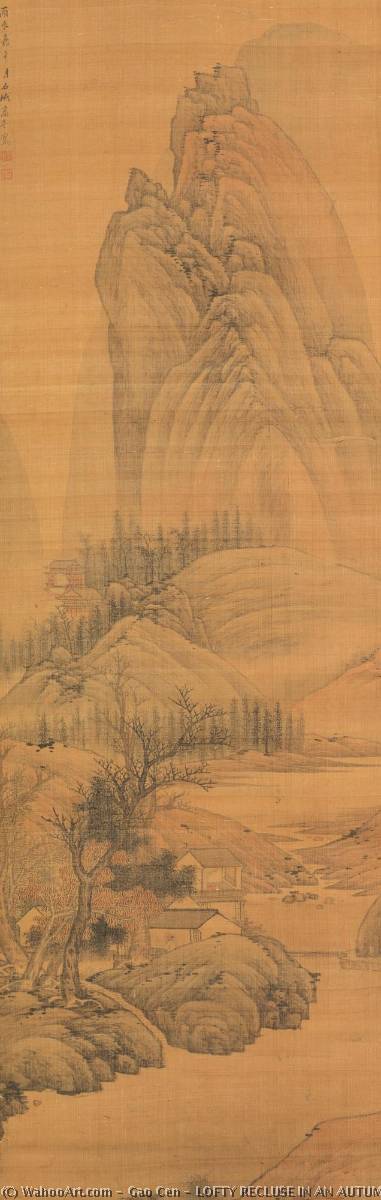
StatsLOFTY RECLUSE IN AN AUTUMN MOUNTAIN
 157.0 x 51.0 cm
 詳細を見る
詳細を見る
手描き油彩複製画
当社のアーティストが、お客様のご希望のサイズと額縁に合わせて、キャンバスに手描きで制作する油彩画です。 ( Switch to Print Switch to Digital Image)




































作品のオリジナル比率に合わせた、当店の規定サイズからお選びください。

特定のフレームやスペースに合わせて、ご希望のサイズをご入力いただけます。選択されたサイズが元の画像の比率と異なる場合、アートワークをトリミングするか、手描きで要素を追加して絵画を拡張いたします。デジタルモックアップ を制作し、制作開始前にご確認(承認)をいただきます。
画面上のプレビューは、実際のトリミングや拡張を正確に反映しているものではありません。最終的な構図は、モックアップによってのみ正確にご確認いただけます。
カスタムサイズもご利用いただけますが、元の比率を維持するためには、あらかじめ用意されたリストからサイズを選択することをお勧めいたします。
ご注文後、ArtsDot.com チームより詳細な指示をお送りするとともに、仕上がりイメージ(モックアップ)をご提供いたします。


 ガラスオプションは、110cm未満のサイズでのみご利用いただけます。

LOFTY RECLUSE IN AN AUTUMN MOUNTAIN
複製技法
複製画のサイズ
-


合計金額
$ 263
関連作品

アーティストの略歴
Gao Cen: Echoes of Jinling in a Mountain Landscape
The art world often seeks grand narratives, sweeping movements, and revolutionary figures. Yet, sometimes the most profound beauty resides in quiet observation, meticulous imitation, and a deep connection to tradition. Gao Cen (1621-1691), a relatively unassuming figure within the vibrant tapestry of Qing Dynasty Chinese painting, embodies this principle. More than just a painter, he was a devoted student of the masters, a skilled imitator who elevated traditional landscape styles to new heights of serenity and evocative detail. His legacy lies not in radical innovation but in a profound understanding and faithful rendering of the established canon – a testament to the enduring power of careful study and artistic discipline.
Born in Hangzhou during a period of significant political upheaval, Gao Cen’s early life was marked by instability. He later relocated to Jinling (modern Nanjing), a city renowned as a center for art and culture. This move proved pivotal, immersing him within the “Eight Masters of Jinling,” a group of influential painters and poets who collectively shaped the artistic landscape of the era. This association with such luminaries undoubtedly influenced his aesthetic sensibilities, fostering a deep appreciation for refined technique and subtle expression.
The Influence of Old Masters
Gao Cen’s work is fundamentally rooted in the traditions of Song and Yuan dynasty painting – periods celebrated for their exquisite landscape art. He meticulously studied the techniques of masters like Gong Xian, known for his innovative use of ink washes and atmospheric perspective, and others who had established a foundation of meticulous detail and balanced composition. Unlike some contemporaries who sought to break from these established forms, Gao Cen embraced them wholeheartedly, demonstrating an almost reverential respect for the past.
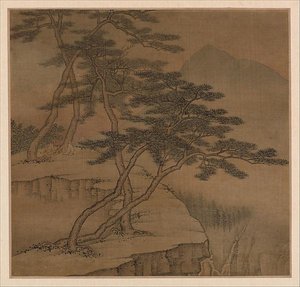
His paintings frequently depict scenes of mountain landscapes – often solitary figures or small dwellings nestled amongst towering peaks. These aren’t dramatic vistas filled with heroic scale; rather, they are intimate moments, imbued with a sense of quiet contemplation and profound connection to nature. He favored depictions of autumn mountains, capturing the subtle shifts in color and light that characterize this season—the russet hues of decaying leaves, the hazy blue of distant peaks, and the delicate interplay of shadow and illumination.
Technique and Style
Gao Cen’s technical skill is evident in every brushstroke. He was a master of *dry brush* technique, utilizing thin washes of ink to create subtle gradations of tone and texture. His compositions are carefully balanced, with elements arranged in harmonious relationships—a hallmark of traditional Chinese landscape painting. While he adopted the linear methods favored by Gong Xian, Gao Cen’s approach was characterized by a remarkable sensitivity to color and light. He skillfully employed layering techniques to build up depth and atmosphere, creating a sense of three-dimensionality that draws the viewer into the scene.
Notably, Gao Cen's works often featured elements reminiscent of “recluse paintings,” a genre popular during the Qing Dynasty. These scenes depicted solitary figures in remote mountain settings, evoking themes of introspection, detachment from worldly concerns, and a yearning for spiritual enlightenment. His depictions of these solitary figures are not merely decorative; they serve as focal points within the landscape, inviting viewers to contemplate their own place within the vastness of nature.
Museum Collections and Legacy
Gao Cen’s paintings can be found in prestigious collections around the world, including the Beijing Museum of Imperial Palace and the Metropolitan Museum of Art in New York. A particularly striking example is “Vision Fugitive of the Stony City,” a silk scroll painting that showcases his mastery of color and composition. The work's inclusion in the Three Hundred Tang Poems anthology further solidifies its place within the canon of Chinese art.
While Gao Cen may not be as widely celebrated as some of his contemporaries, his contributions to the development of traditional landscape painting are undeniable. He represents a crucial link between the past and present, preserving and refining the techniques and aesthetics of generations of artists. His quiet dedication to imitation—coupled with an exceptional command of brush and ink—has produced works of enduring beauty and profound serenity, offering viewers a glimpse into the timeless allure of the Chinese mountains.
gao cen
1621 - 1691
基本情報
- Artistic Movement Or Style: Old Masters, Imitation
- Artists Or Movements Influenced By This Artist:
- Song Dynasty art
- Yuan Dynasty art
- Artists Who Influenced This Artist: ['Gong Xian']
- Date Of Birth: 1621
- Date Of Death: 1691
- Full Name: Gao Cen
- Nationality: Chinese
- Notable Artworks:
- Lofty recluse in an autumn mountain
- Vision fugitive of the stony city
- Place Of Birth: Hangzhou, China