

 プレビュー
プレビュー
 シェアする
シェアする シェアする
シェアする
 詳細を見る
詳細を見る

 ダウンロード
 似ている作品
 X線調査
X線調査 スライドショー
 統計情報
統計情報Little Whistler
 Painting
- Contemporary Art
 Contemporary
 61.0 x 57.0 cm
 ボンネファンテン美術館
 詳細を見る
詳細を見る
手描き油彩複製画
当社のアーティストが、お客様のご希望のサイズと額縁に合わせて、キャンバスに手描きで制作する油彩画です。 ( プリント版に切り替え デジタル画像販売へ切り替え)




P118B $10

P118H $10

P118W $10

P438Z $10

P508JH $12

P508YH $12

P805H $10

P805Z $10

P919BZ $10

P919G $10

P919XJ $10

P959ZH $10

P968JZ $12

W106C $8

W218G $10

W218JH $8

W218Y $10

W307PJ $10

W316G $10

W316PJ $8

W316Y $10

W398PJ $8

W4111J $10

W500HY $15

W500JH $15

W692G $12

W849H $8

W940BG $15

W953PJ $8




作品のオリジナル比率に合わせた、当店の規定サイズからお選びください。

特定のフレームやスペースに合わせて、ご希望のサイズをご入力いただけます。選択されたサイズが元の画像の比率と異なる場合、アートワークをトリミングするか、手描きで要素を追加して絵画を拡張いたします。デジタルモックアップ を制作し、制作開始前にご確認(承認)をいただきます。
画面上のプレビューは、実際のトリミングや拡張を正確に反映しているものではありません。最終的な構図は、モックアップによってのみ正確にご確認いただけます。
カスタムサイズもご利用いただけますが、元の比率を維持するためには、あらかじめ用意されたリストからサイズを選択することをお勧めいたします。
ご注文後、ArtsDot.com チームより詳細な指示をお送りするとともに、仕上がりイメージ(モックアップ)をご提供いたします。


 ガラスオプションは、110cm未満のサイズでのみご利用いただけます。

Little Whistler
複製技法
複製画のサイズ
-


合計金額
$ 263
A Playful Encounter with Modernity
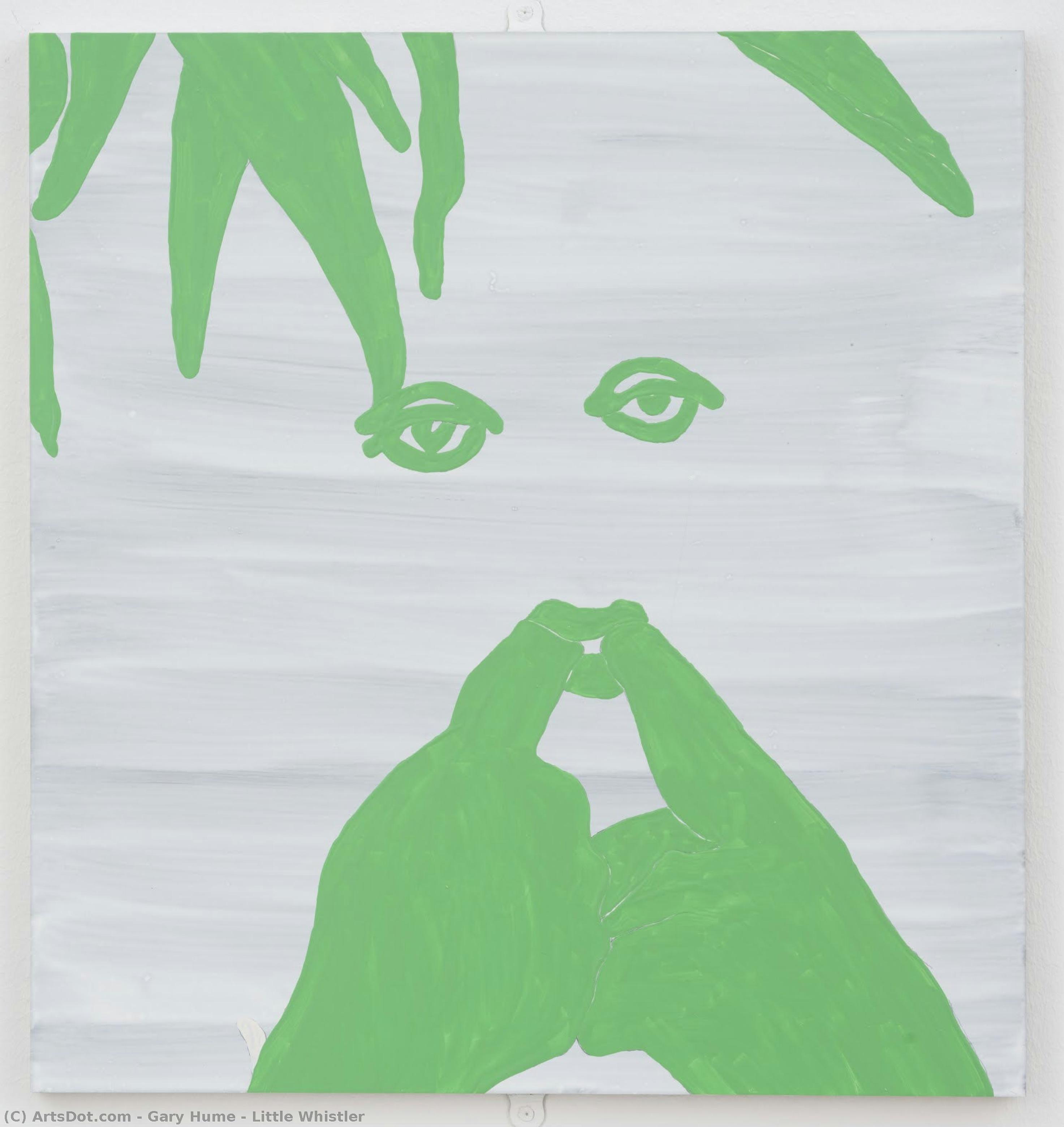
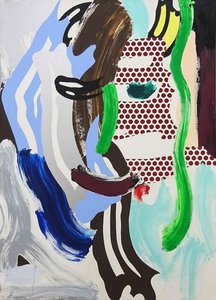
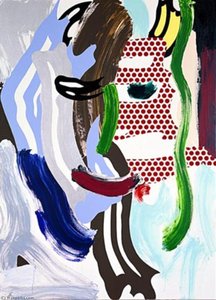
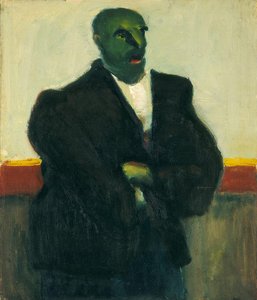
In the vibrant and often startling world of contemporary figurative art, few works capture the whimsical tension between pop culture and fine art as effectively as Gary Hume’s Little Whistler. At first glance, the viewer is met with a striking, almost cartoonish visage—a face defined by vivid, saturated greens that demand immediate attention. The subject, caught in a moment of playful irreverence, appears to be sticking out their tongue, a gesture that breaks the traditional solemnity often associated with portraiture. This piece does not merely depict a person; it captures a fleeting, mischievous impulse, rendered through a lens that feels both intimately human and strikingly detached.
The aesthetic of the work draws heavily from the visual language of mass media and comic book aesthetics, yet it transcends mere illustration through its sophisticated execution. The stark white background serves as a vacuum, stripping away all environmental context to force an intense, unmediated confrontation between the viewer and the subject. This isolation amplifies the impact of the bright, almost neon color palette, making the green eyes and mouth vibrate against the negative space. It is a masterful use of contrast that ensures the artwork functions as a powerful focal point in any curated collection or modern interior.
The Alchemy of Surface and Form
To truly appreciate Little Whistler, one must look beyond the playful subject matter to the innovative technique employed by Hume. The artist utilizes large aluminium sheets as his canvas, providing a hard, industrial foundation that contrasts with the fluid nature of his medium. His process is a fascinating study in controlled spontaneity: Hume begins by tracing the contours of the image with silicone paste, squeezed directly from a tube to create a raised, tactile relief. This method creates a physical boundary, a literal edge to the color.
Once these boundaries are established, he pours decorating paint into the channels, allowing the pigment to settle into smooth, glossy layers. The result is a surface that possesses a unique luminosity; the light does not just hit the painting but seems to interact with the depth of the pooled paint. This technique lends a decorative, almost jewel-like quality to the work, elevating a subject that might otherwise seem trivial into something substantial and tactile. For the collector, this provides a sensory experience where the interplay of light and texture adds a layer of luxury and complexity to the visual narrative.
Emotional Resonance and Interior Elegance
Beyond its technical brilliance, Little Whistler explores the profound spectrum of human emotion. While the immediate impression is one of joy and surprise, Hume’s broader body of work often delves into more melancholic or questioning territories. In this specific piece, there is a delightful subversion of expectations; it takes the "familiar" and fragments it through bold color and simplified forms, pushing the boundaries toward abstraction. It invites the viewer to find beauty in the unexpected and the irreverent.
For interior designers and art enthusiasts, this reproduction offers a versatile opportunity for sophisticated decoration. Its clean lines and high-contrast palette make it an ideal companion for minimalist, contemporary, or even avant-garde settings. Whether placed in a bright, sunlit gallery space or used to add a burst of character to a monochromatic living area, the painting acts as a conversation starter. It is a work that promises not just to decorate a wall, but to infuse a room with a sense of spirited, modern elegance and an enduringly playful spirit.

アーティストの略歴
Deborah Roberts: Unveiling the Layers of Identity
Deborah Roberts, born in Austin, Texas in November 1962, is a profoundly influential visual artist whose work has consistently challenged conventional notions of beauty and representation within American art history. Her journey, marked by rigorous academic training at the University of North Texas and Syracuse University, reflects a deliberate engagement with both formal artistic techniques and deeply personal explorations of identity, particularly as it relates to race and gender. Roberts’s career trajectory is not simply one of creating images; it's a sustained interrogation of how we see ourselves and others, utilizing collage—a technique she masterfully employs—to build complex narratives that resist easy categorization. Early influences included the work of Paul Klee, whose playful experimentation with form and color laid a foundation for Roberts’s own distinctive style, while later engagements with the Situationist International movement informed her critical approach to social structures and power dynamics. Her art isn't merely decorative; it’s a potent commentary on the historical and ongoing complexities of American culture.The Early Years and Artistic Foundations
Roberts’s formative years in Austin provided a rich context for her artistic development. Growing up amidst a burgeoning arts scene, she was exposed to diverse cultural influences that would later permeate her work. Her education at the University of North Texas instilled in her a strong grounding in traditional painting techniques, while her subsequent studies at Syracuse University honed her skills in collage and mixed media. Crucially, Roberts’s time with Hoyt Sherman, a pivotal figure in her artistic development, shaped her approach to composition and visual storytelling—a method emphasizing intuitive organization and the unification of disparate elements into cohesive narratives. This emphasis on process and observation is evident throughout her oeuvre, demonstrating a deliberate rejection of purely representational approaches in favor of a more conceptual engagement with the subject matter. The influence of Sherman’s teachings can be seen as a key element in Roberts's ability to create works that are both visually arresting and intellectually stimulating.Exploring Identity Through Collage
Roberts’s signature technique—collage—is not simply a method of assembling disparate images; it is a deliberate strategy for dismantling established visual hierarchies and constructing new meanings. She meticulously selects and manipulates photographs, magazine clippings, and other found materials, layering them to create complex compositions that simultaneously reference and subvert dominant cultural narratives. Her work frequently features the faces of young Black boys and girls, often depicted in ambiguous or fragmented forms—a deliberate act of reclaiming agency and challenging stereotypical representations within mainstream art. The use of speech balloons and comic book imagery further complicates these portraits, inviting viewers to question the language used to describe and define identity. Roberts’s collages are not simply visual statements; they are invitations to engage in critical dialogue about race, gender, and representation.Exhibitions and Recognition
Roberts's work has garnered significant recognition throughout her career, culminating in numerous prestigious exhibitions both nationally and internationally. Her solo shows have been presented at institutions such as the Whitney Museum of American Art, the Brooklyn Museum, the Studio Museum in Harlem, and LACMA, demonstrating a consistent commitment to showcasing her innovative approach to collage and portraiture. She has also participated in group exhibitions at major museums and galleries around the world, including those in Belgium, Canada, Denmark, France, Germany, Japan, New Zealand, Spain, Taiwan, United Kingdom, and the United States. Her work has been included in numerous museum catalogs and publications, solidifying her position as a leading figure in contemporary American art. Notably, she was named Texas Medal of Arts Award Honoree for the Visual Arts in 2023, a testament to her enduring impact on the artistic landscape.Legacy and Continuing Influence
Deborah Roberts’s legacy extends far beyond her individual artworks; she has profoundly influenced a generation of artists working across diverse media. Her pioneering use of collage as a tool for social critique and identity exploration continues to inspire artists seeking to challenge conventional representations and engage in meaningful dialogue about the complexities of contemporary society. Roberts's work serves as a powerful reminder that art can be both aesthetically compelling and politically engaged, prompting viewers to confront uncomfortable truths and reconsider their own assumptions about beauty, representation, and power. Her ongoing commitment to exploring themes of race, gender, and identity ensures that her artistic voice will continue to resonate for years to come.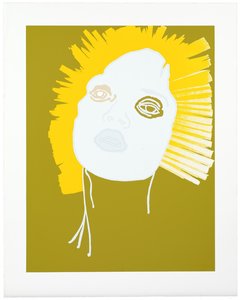
gary hume
1962 - , United Kingdom
基本情報
- Artistic Movement Or Style: Realism, Still Life
- Artists Or Movements Influenced By This Artist: ['Contemporary realism']
- Artists Who Influenced This Artist: ['Dutch Golden Age painters']
- Date Of Birth: 1962
- Full Name: Lorena Kloosterboer
- Nationality: Dutch-Argentine
- Notable Artworks:
- Vrouwenstreken
- Unforgettable Female Painters
- Place Of Birth: Netherlands
関連記事
Seafoam & Masterpieces: 10 Paintings Dominated by Medium Sea Green | ArtsDot
Dive into serenity with 10 famous paintings bathed in calming medium sea green. Explore Impressionist masterpieces by Monet, Degas & Renoir. Find museum-quality art reproductions and elevate your home decor at ArtsDot.com.
Chrome Green Masterpieces: 10 Famous Paintings & Their Alluring Hues |
Explore 10 famous paintings where 'Chrome Green' reigns supreme! Discover Monet, Manet & Van Gogh’s masterpieces. Learn the stories behind these iconic artworks and find museum-quality art reproductions for your home at .
Earthy Hues & Masterpieces: Top 10 Paintings with 'Mushroom' Tones |
Explore 10 iconic paintings with captivating 'mushroom' tones! Discover Van Gogh, Monet & Rembrandt’s masterpieces—earthy palettes, rich history & artistic techniques. Find museum-quality art reproductions and curated decor ideas at

Emerald Visions: Top 10 Paintings Dominated by Cadmium Green |
Explore 10 iconic paintings where cadmium green reigns supreme! From Monet to Van Gogh, discover the stories behind these masterpieces & the power of color. Find museum-quality art reproductions and elevate your home decor on .
Verdant Visions: Exploring the Symbolism & Aesthetic Impact of Green in Art History
Explore the rich history & symbolism of green in art! Discover iconic paintings, techniques, and how to bring verdant harmony into your home with ArtsDot's expert guide.