 プレビュー
プレビュー
 プリントを購入
 シェアする
シェアする シェアする
シェアする
 詳細を見る
詳細を見る

 ダウンロード
 似ている作品
 X線調査
X線調査 スライドショー
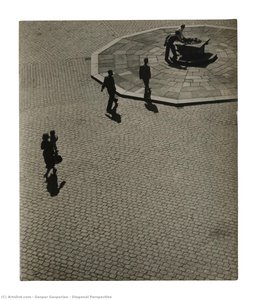
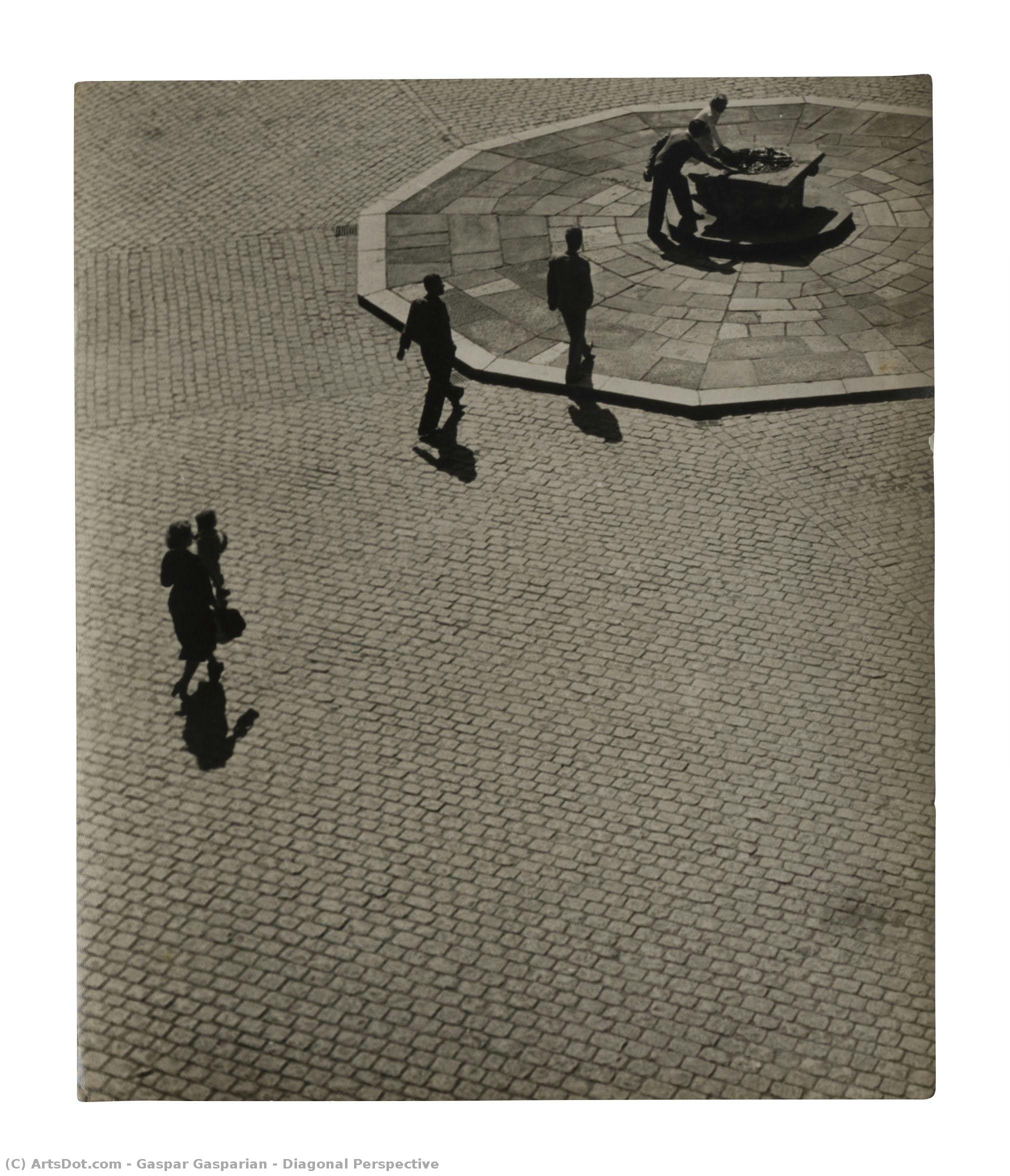
対角線的な視点


 詳細を見る
詳細を見る




P118B $10

P118H $10

P118W $10

P438Z $10

P508JH $12

P508YH $12

P805H $10

P805Z $10

P919BZ $10

P919G $10

P919XJ $10

P959ZH $10

P968JZ $12

W106C $8

W218G $10

W218JH $8

W218Y $10

W307PJ $10

W316G $10

W316PJ $8

W316Y $10

W398PJ $8

W4111J $10

W500HY $15

W500JH $15

W692G $12

W849H $8

W940BG $15

W953PJ $8




作品のオリジナル比率に合わせた、当店の規定サイズからお選びください。

特定のフレームやスペースに合わせて、ご希望のサイズをご入力いただけます。選択されたサイズが元の画像の比率と異なる場合、アートワークをトリミングするか、手描きで要素を追加して絵画を拡張いたします。デジタルモックアップ を制作し、制作開始前にご確認(承認)をいただきます。
画面上のプレビューは、実際のトリミングや拡張を正確に反映しているものではありません。最終的な構図は、モックアップによってのみ正確にご確認いただけます。
カスタムサイズもご利用いただけますが、元の比率を維持するためには、あらかじめ用意されたリストからサイズを選択することをお勧めいたします。
ご注文後、ArtsDot.com チームより詳細な指示をお送りするとともに、仕上がりイメージ(モックアップ)をご提供いたします。


 ガラスオプションは、110cm未満のサイズでのみご利用いただけます。

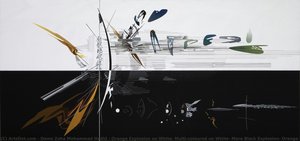
対角線的な視点
複製技法
複製画のサイズ
-


合計金額
$ 263
作品解説
ガスパール・ガスパリアンの「対角線的な視点」:アメリカンポップルの誕生を象徴する作品
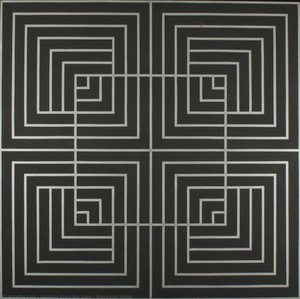
ガスパール・ガスパリアンは、1928年にブラジルのアングラドレイスで生まれました。彼の父親はスロバキアの鋼鉄企業家であり、母親は芸術家のバックグラウンドを持っていました。この独特な環境が彼の後の芸術活動に大きな影響を与え、彼は商業イラストレーターとしてのキャリアを築き上げました。特にティファニー&コーポレーションやニューヨークタイムズなどのブランドで活躍し、冷静かつ客観的な視点でのイメージ表現を習得しました。これらの経験は彼が後にポップアートのアイコンとなるための基礎となりました。 この作品「対角線的な視点」は、1950年に制作されました。ガスパリアンのスタイルはアメリカンポップルの特徴を捉えながらも、伝統的な絵画技法を用いました。彼は主に油絵で描かれ、緻密な観察と正確な色彩表現が用いられています。特にこの作品における黒と白のコントラストは、当時の社会情勢や芸術家の思想を反映しています。黒と白というシンプルな組み合わせは、同時に力強さと洗練さを表現し、見る人に静かな感動を与えます。 写真撮影された場所はブラジルのアングラドレイスで、周囲には美しい自然が広がっています。この風景はガスパリアンの作品にインスピレーションを与え、彼の芸術的な視点を象徴しています。「対角線的な視点」は単なる風景画ではありません。それはアメリカンポップルの誕生を告げる作品であり、当時の社会における多様性と変化を表現しています。ガスパリアンは日常的なモチーフを大胆に扱いながらも、絵画技法において高い技術を持っていました。彼の作品は現代アートの基礎となり、今なお多くの人々から愛されています。 この作品の複製は、高品質な印刷技術を用いて制作され、美術愛好家やコレクター、そしてインテリアデザイナーにとって魅力的な選択肢となります。「対角線的な視点」の美しい色彩と繊細な表現は、空間に新たな価値をもたらし、見る人の心を豊かにします。ガスパリアンの芸術はアメリカンポップルの誕生を象徴するだけでなく、現代アートにおける多様性と創造性を追求する姿勢を示しています。この作品を通して、ガスパリアンの芸術的な思想と技術の卓越さを体験してください。関連作品

アーティストの略歴
Andrew Warhola: A Pop Icon’s Transformation
Andrew Warhola, later known simply as Andy Warhol, emerged from the gritty industrial landscape of Pittsburgh in 1928, a city steeped in both artistic tradition and working-class resilience. Born to Andrej and Julia Warhola, immigrants from Slovakia, his early life was marked by a strong sense of family and a burgeoning interest in art – a passion nurtured initially through sketching and drawing. His father, a successful Slovakian steel executive, instilled in him a pragmatic approach to business, while his mother’s artistic background subtly shaped his aesthetic sensibilities. This unique blend of influences would prove crucial to Warhol's later success as a revolutionary artist. Initially pursuing a path as a commercial illustrator, Warhola quickly established himself as a highly sought-after designer for major brands like Tiffany & Co., *The New York Times*, and Bonwit Teller, mastering the art of capturing images with a cool, detached precision – a skill he would later repurpose to create his iconic silkscreen portraits. This early work demonstrated an understanding of mass media and its potential influence, foreshadowing his future exploration of celebrity culture and consumerism.The Rise of Pop Art and the Factory
Warhol’s transition into fine art began in the early 1960s, coinciding with the burgeoning movement known as Pop Art. Inspired by artists like Roy Lichtenstein and Jasper Johns, he embraced a bold, irreverent approach to subject matter, moving beyond traditional artistic conventions. His groundbreaking series of Campbell's Soup Cans (1962) – fourteen variations of twelve different soup varieties – immediately captured public attention, challenging notions of what constituted “serious” art and elevating everyday objects to the status of iconic imagery. This work, along with his portraits of Marilyn Monroe, Elvis Presley, and Elizabeth Taylor, demonstrated a fascination with celebrity, fame, and the pervasive influence of mass media. Crucially, Warhol established "The Factory," a sprawling studio space in New York City that served as both an artistic hub and a social gathering place for artists, musicians, filmmakers, and socialites – a microcosm of 1960s counterculture. This environment fostered experimentation, collaboration, and a blurring of boundaries between art, commerce, and entertainment.Technique and Innovation: Silkscreening and Beyond
Warhol’s artistic process was characterized by meticulous repetition and the innovative use of silkscreen printing. He initially learned the technique from screen printers in New York, adapting it to create his signature images – often multiple iterations of a single subject. This method allowed him to achieve vibrant colors and sharp lines, while also emphasizing the mechanical nature of image production. Beyond silkscreening, Warhol explored various media including film, photography, and performance art. His experimental films, such as *Sleep* (1963) and *Chelsea Girls* (1966-67), pushed the boundaries of cinematic storytelling, incorporating elements of music, fashion, and social commentary. His “Screen Tests” (1964-1966), intimate portraits filmed with subjects who were often unaware of the process, further explored themes of identity, perception, and the role of the artist.Legacy and Influence
Andy Warhol’s impact on 20th-century art and culture is undeniable. He fundamentally shifted the definition of “art,” blurring the lines between high and low culture and elevating popular imagery to a level of artistic significance. His exploration of celebrity, consumerism, and mass media continues to resonate today, particularly in an age dominated by digital images and social media. Warhol’s influence can be seen in countless contemporary artists who have embraced repetition, appropriation, and the manipulation of image – from Jeff Koons to Takashi Murakami. He remains a complex and enigmatic figure, simultaneously celebrated as a visionary artist and criticized for his detachment and commercialism. However, his legacy as one of the most influential and transformative figures in modern art is firmly established, solidifying his place as an icon of the 20th century. His work continues to be exhibited worldwide, studied by scholars, and enjoyed by audiences who recognize the enduring power of his bold vision.
gaspar gasparian
1928 - 2010 , Brazil
基本情報
- Artistic Movement Or Style: Pop Art
- Artists Or Movements Influenced By This Artist:
- Jeff Koons
- Keith Haring
- Artists Who Influenced This Artist:
- Yves Klein
- Caravaggio
- Date Of Birth: August 6, 1928
- Date Of Death: February 22, 1987
- Full Name: Andrew Warhola Jr.
- Nationality: American
- Notable Artworks:
- Campbell's Soup Cans
- Marilyn Diptych
- Chelsea Girls
- Place Of Birth: Pittsburgh, PA, USA
関連記事

Monochrome Visions: Exploring the Aesthetic & Historical Significance of Black & White Photography
Explore the rich history & artistic power of black and white photography. From early techniques to iconic masters like Ansel Adams, discover why monochrome continues to captivate art lovers today. Expert insights for collectors.

White on Canvas: 10 Masterpieces & Timeless Elegance for Your Home Decor
Explore 10 iconic white paintings by Monet, Whistler & Rothko! Discover the stories behind these serene masterpieces and their impact on art history. Find museum-quality reproductions for your home decor at .
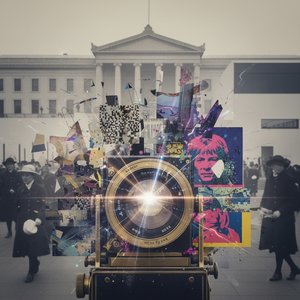
Beyond the Lens: Photography's Enduring Influence on Modern & Contemporary Art
Explore photography's pivotal role in shaping modern & contemporary art. Discover key movements, influential artists like Stieglitz, and expert collecting advice from ArtsDot.

Dark Masterpieces: 10 Iconic Paintings Dominated by Black Tones |
Explore 10 iconic paintings dominated by black tones, from Rembrandt’s chiaroscuro to Goya's dark expressions. Discover the stories behind these masterpieces & find museum-quality art reproductions for your home at .

Pictorialism: A Search for Artistic Photography's Soul – Aesthetics, Techniques & Legacy
Explore the captivating world of Pictorialism – a pivotal movement that transformed photography into fine art. Discover key artists like Stieglitz & Käsebier, techniques, and collecting tips from experts.